Warbrook House: An 18th-Century House in the United Kingdom
Site at a Glance
- Popularity
- Medium
- Country
- United Kingdom
- Primary era
- Early Modern
- Eras represented
- Early Modern
- Civilizations
- British
- Site type
- Domestic
- Remains
- Elite Residence
On this page7 sections
History
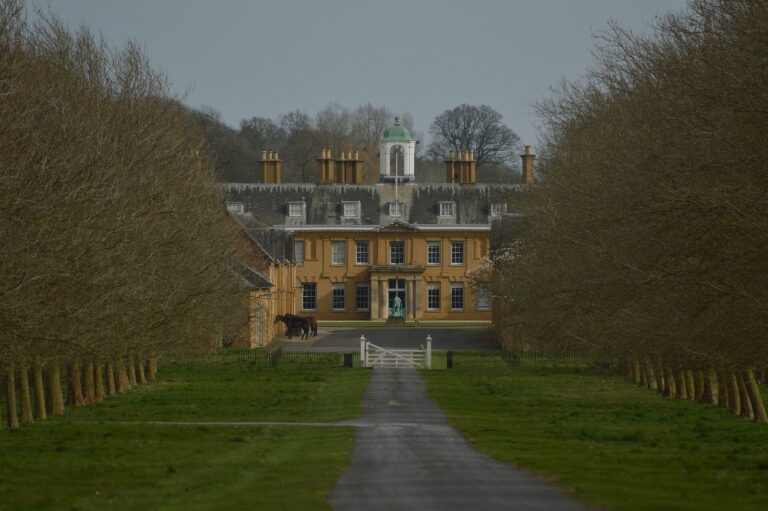
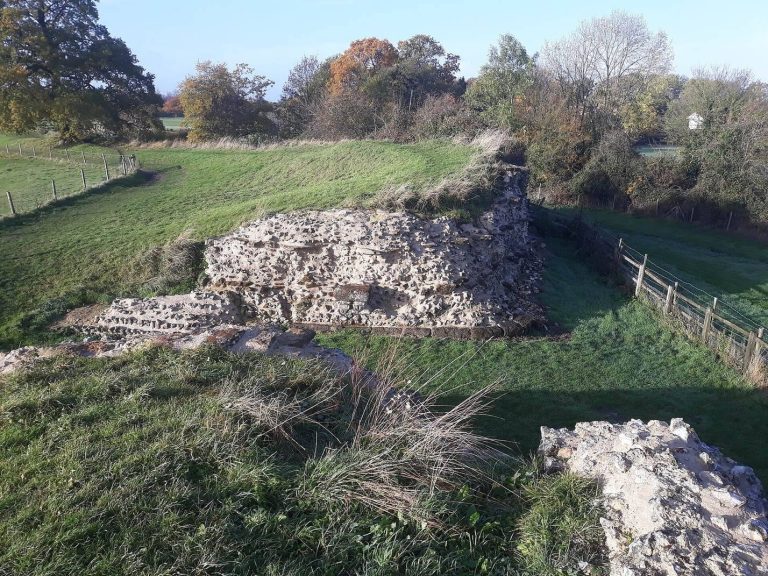
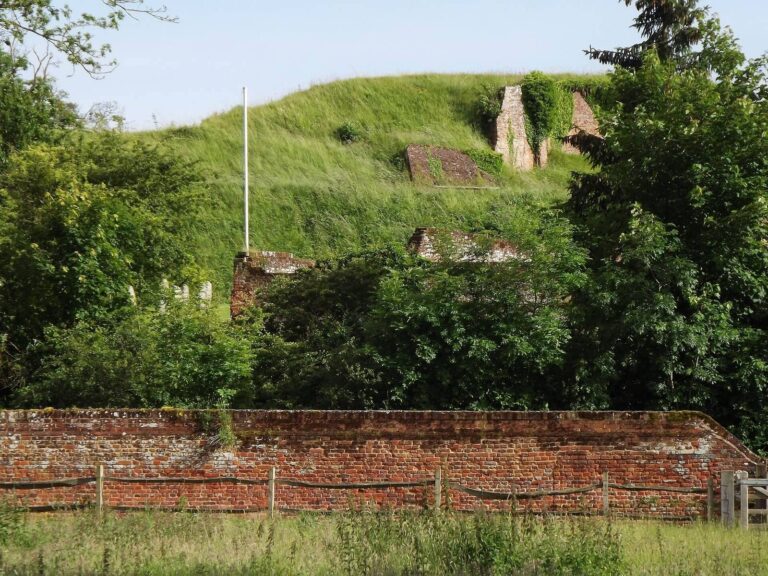
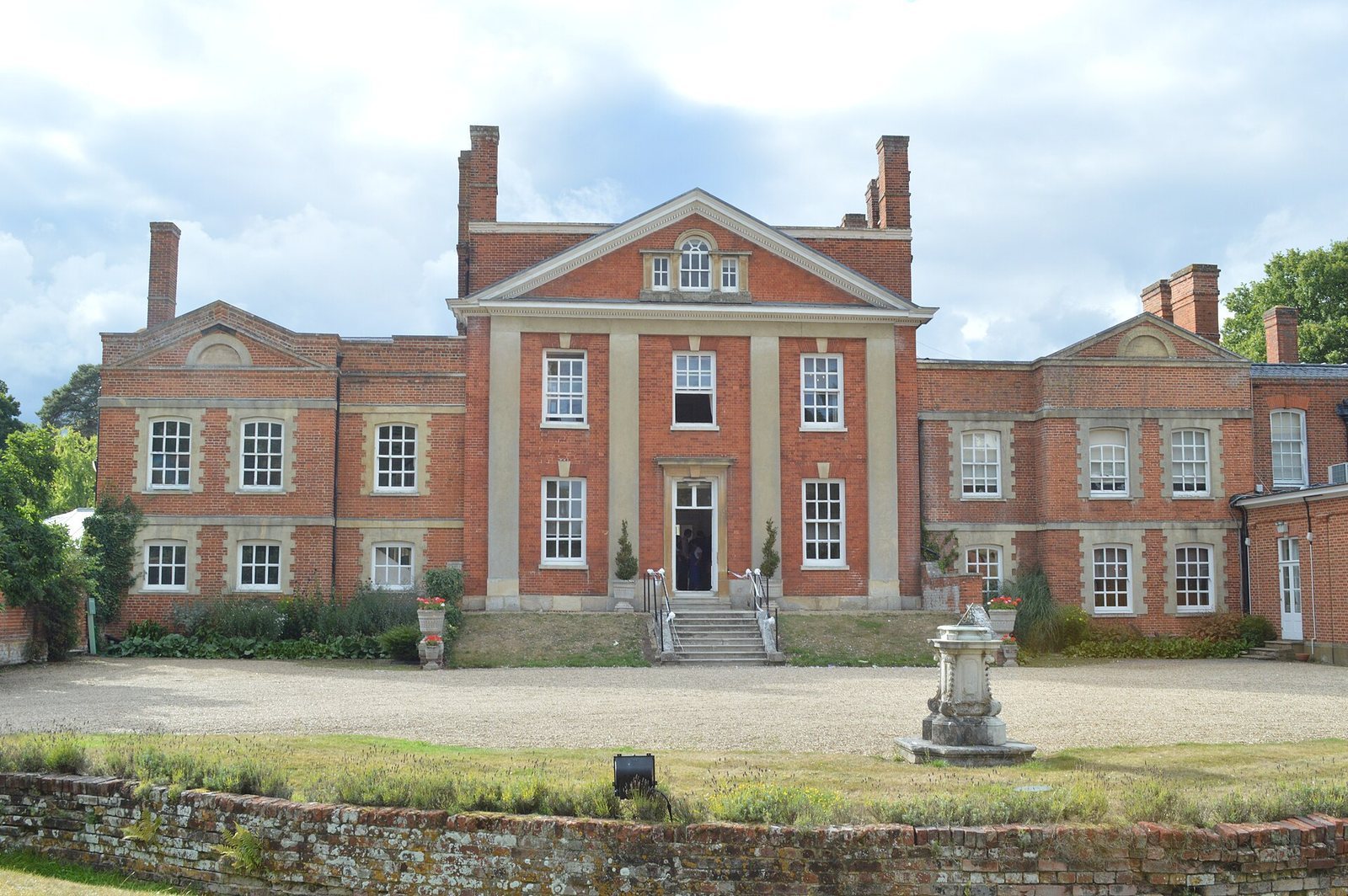
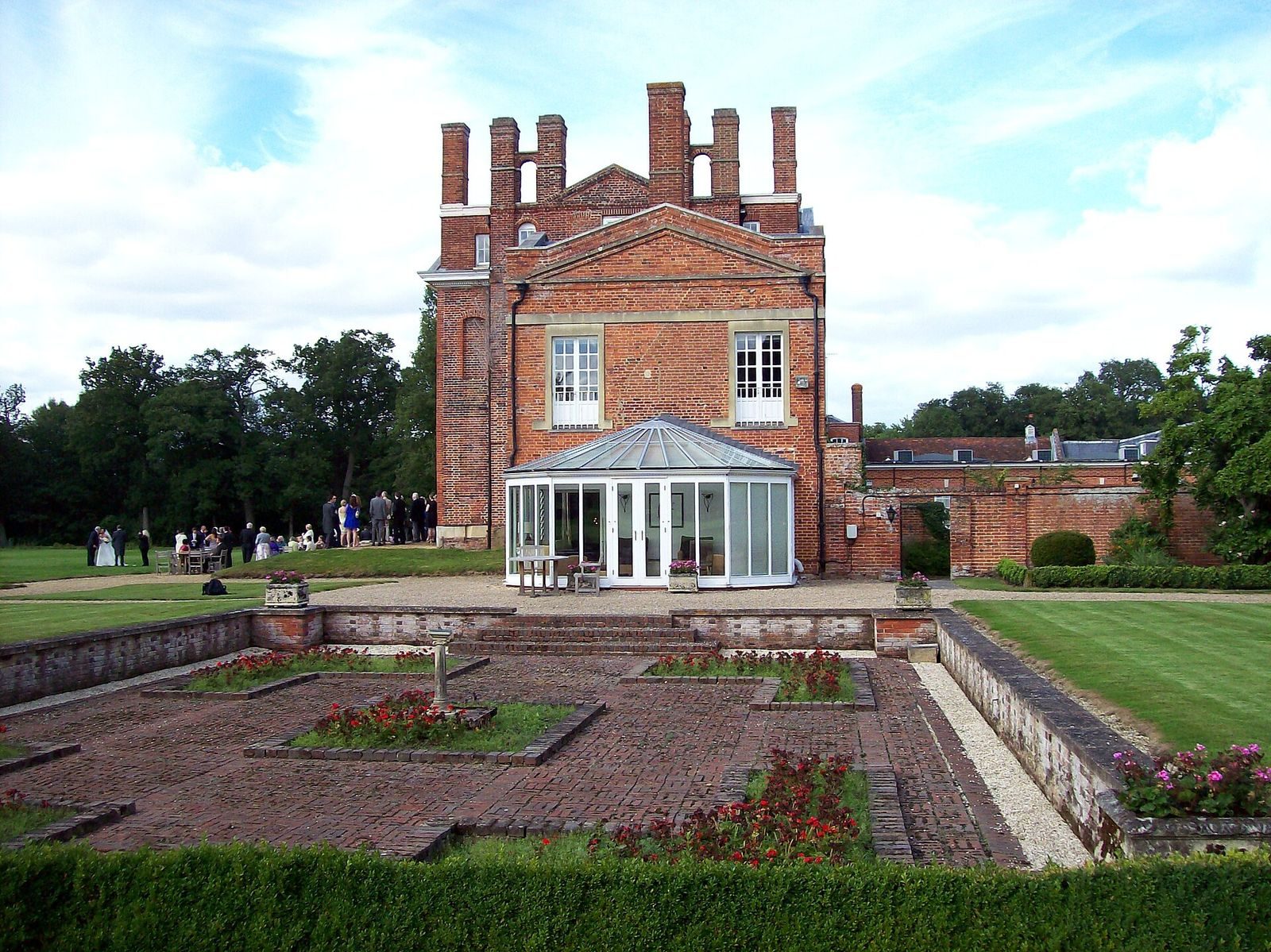
Warbrook House is an 18th-century house in the United Kingdom, built in 1724 by architect John James for his own use.
From James to the Nares family
After James died in 1746, the house was sold. John Comyn lived there for a time, and Sir George Nares acquired it around 1762. Nares, an English barrister and judge, owned the house until his death in 1786, when it passed to his eldest son, John. John Nares had to sell it in 1790. Comyn later spent several years at the house.
The property was advertised for sale in 1795 and purchased by Jonathan George Micklethwait, who lived there until his death in 1838.
The Stapleton and Tanner households
Augustus Granville Stapleton owned Warbrook House from 1838 until his death in 1880. In 1851, he lived there with his wife, Catherine, her sister Elizabeth Bulteel, and seven servants. From about 1878 to 1915, the Stapleton family leased the house to Lady Glass, also known as Anne Tanner. In 1881, she lived there with visitors and eight servants, and she took part in community work and held occasional charity events at the house. A fete in the grounds in 1906 attracted more than 500 people.
Twentieth-century use
Artist William Bruce Ellis Ranken bought the house around 1920, lived there until about 1935, and carried out substantial repairs. From about 1935 until her death in 1965, Isabelle Rosalind Humphreys-Owen lived at Warbrook House and was involved in community work. During the Second World War, she offered it rent-free to New Zealand authorities as a convalescent home for recovering soldiers and paid some of its staff.
After Humphreys-Owen’s death, the property passed to Member of Parliament Anthony Berry, who lived there with his family until 1975. Following a brief period when the house was nearly empty, its owners restored it. It later became a hotel, conference and training centre. Warbrook House is listed at Grade I, the highest category in England’s listed-building system, reserved for buildings considered to be of exceptional interest.
Remains
Warbrook House dates to 1724 and represents a phase of English domestic architecture of its period. In 1925, Eberlein praised the house’s beauty and its fidelity to that architectural tradition.
Entrance and garden
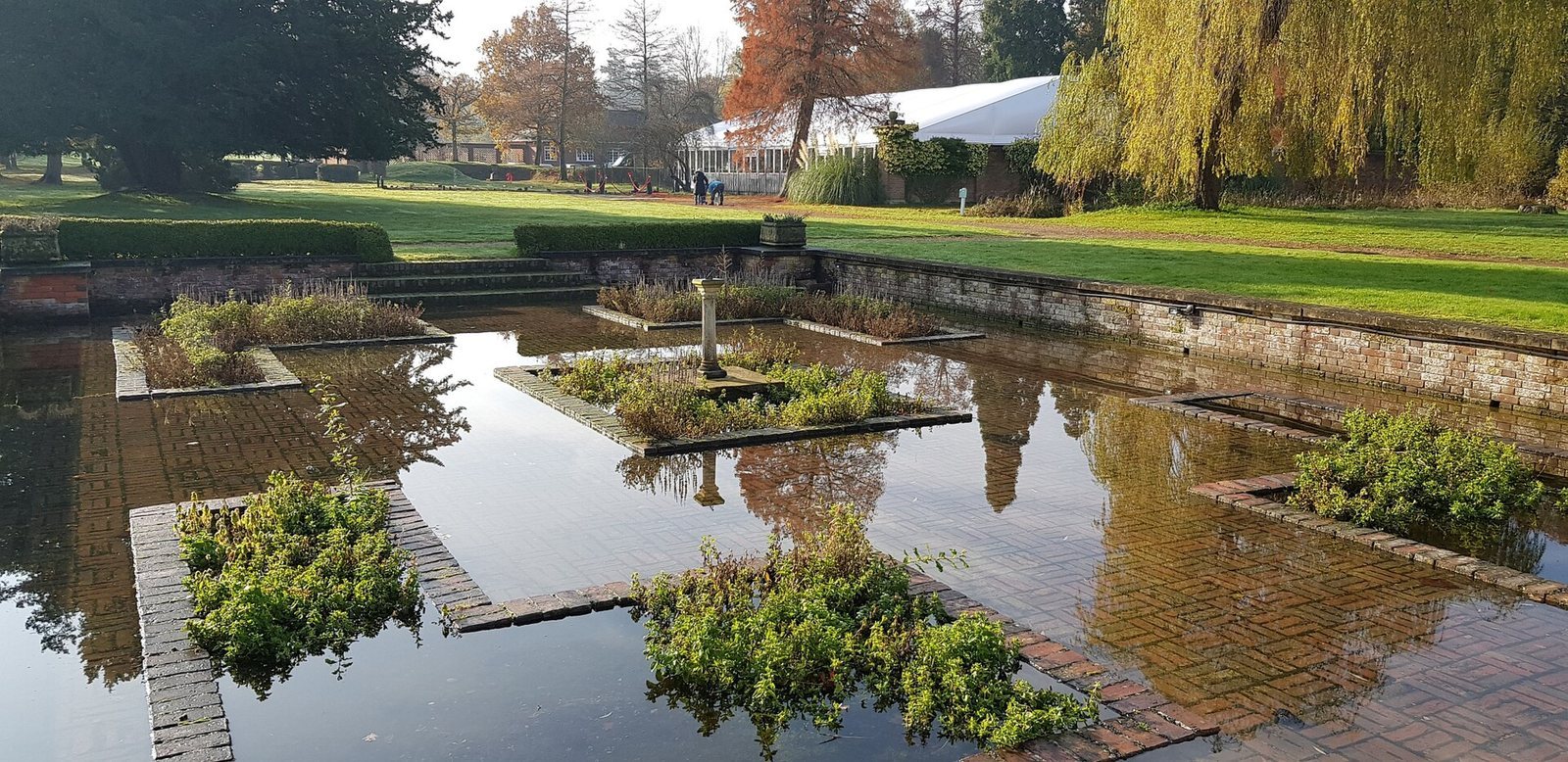
A sundial at the entrance formed part of the original garden designed by James. It was made by London craftsman William Collier, who was active from 1712 to 1730. An article published in 1923 noted that the dial bears James’s interlaced initials.
Painted views and interiors
A painting made around 1770 depicts George and Edward, two of Sir George Nares’s sons, outside Warbrook House. Ranken also painted several rooms in the house; these images were reproduced in Basil Ionides’s book Colour and Interior Decoration.