Walls of Madrigal de las Altas Torres: A Medieval Defensive Enclosure
Site at a Glance
- Rating
- 4
- Popularity
- Very Low
- Country
- Spain
- Primary era
- Medieval
- Eras represented
- Medieval
- Civilizations
- Crown of Castile
- Site type
- Military
- Remains
- Wall
On this page6 sections
History
Thirteenth-century construction and royal order
The Walls of Madrigal de las Altas Torres are a medieval defensive enclosure around part of the town center in Spain. Construction began in the early thirteenth century and continued through that century. The walls were built in the Mudéjar tradition, which drew on Islamic forms and techniques in medieval Christian-ruled Iberia. They were in place by 1302, when Fernando IV, king of Castile from 1295 to 1312, ordered their demolition. His order cited the lack of authorization from the Council of Arévalo, which held jurisdiction over Madrigal. The demolition did not take place.
Heritage recognition
On 3 June 1931, the walls were declared a Historic-Artistic Monument, a designation that preceded Spain’s present Asset of Cultural Interest category. A procedure to define the protected surroundings of the walled enclosure began in 2002.
Remains
Enclosure and construction
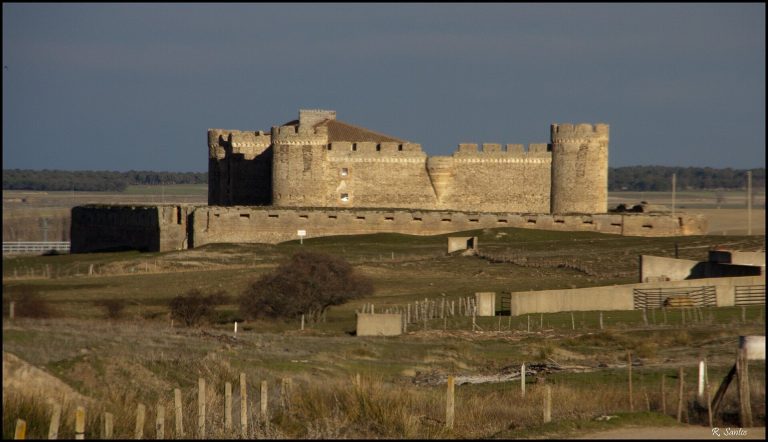
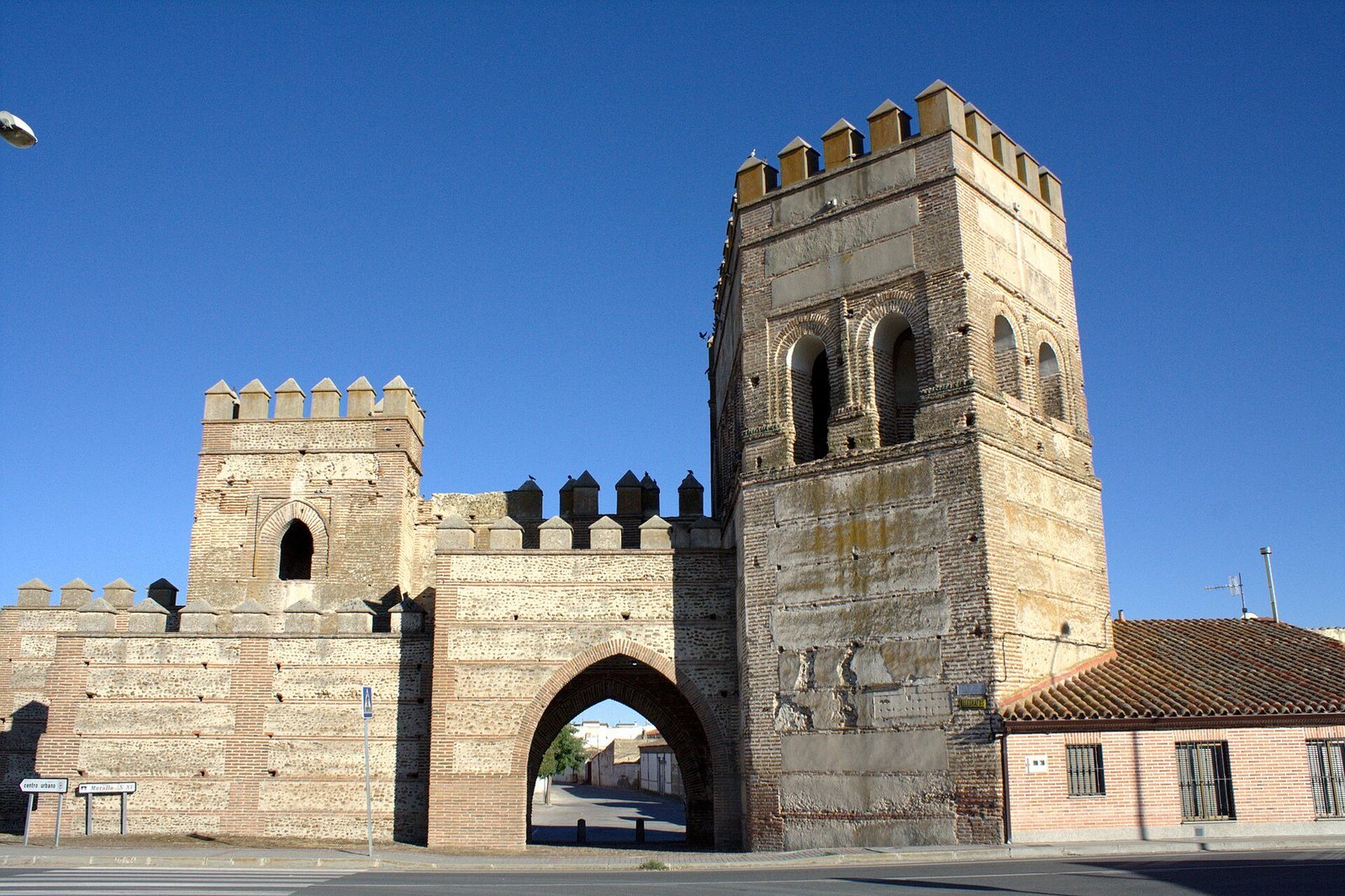
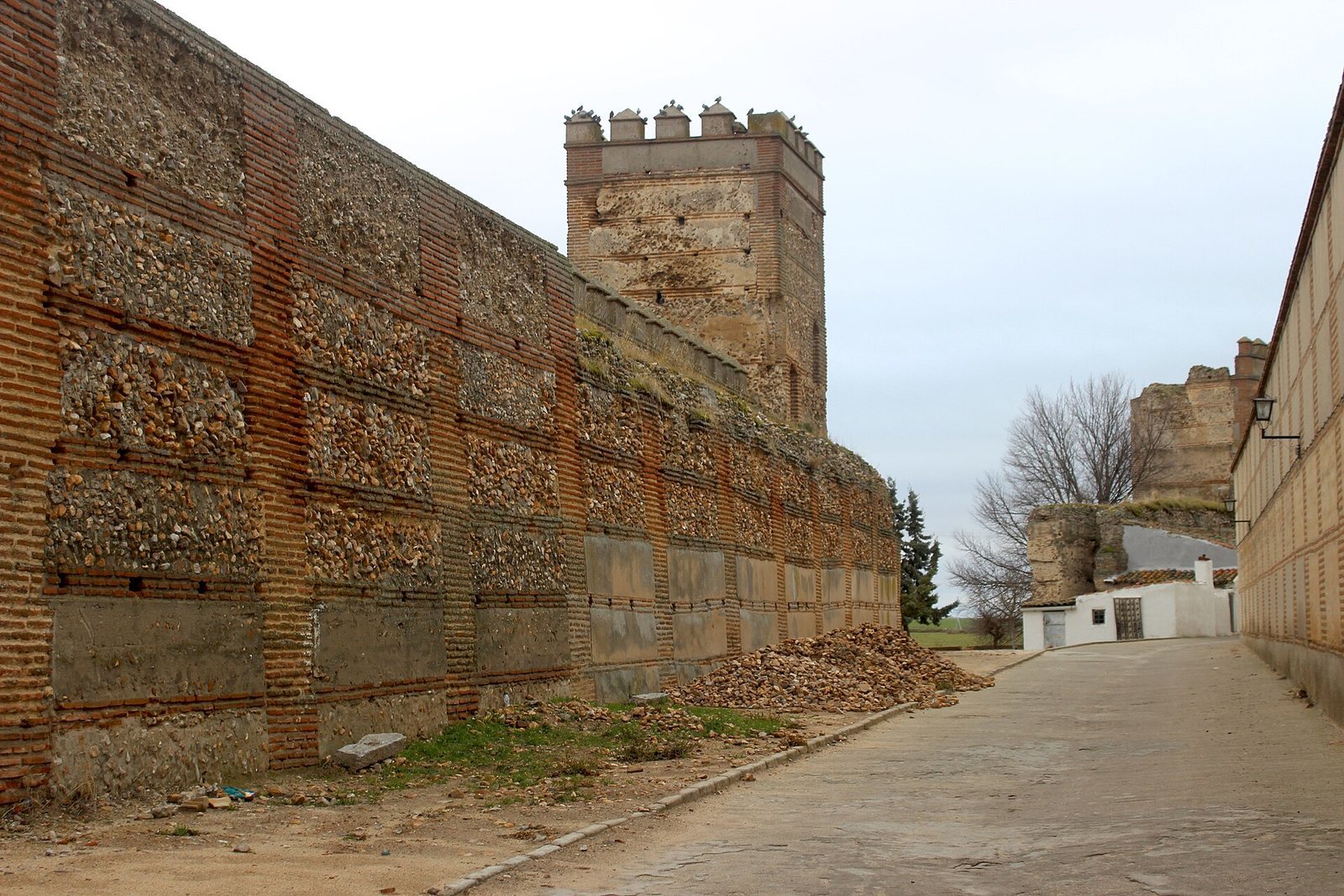
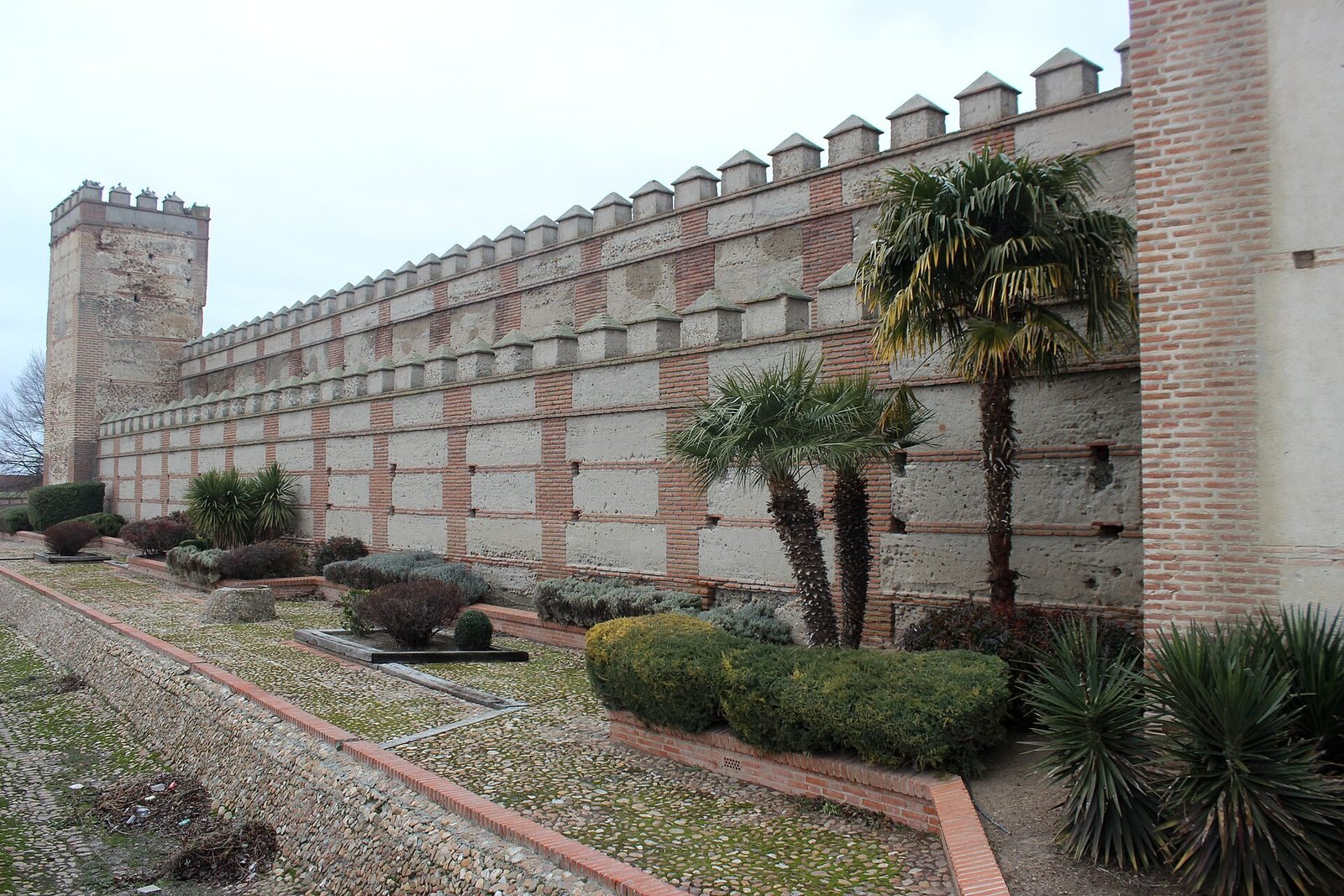
The enclosure forms an irregular, elongated oval running west to east, with both straight and curved stretches that follow the terrain. It covers 390,400 square metres, including part of the town and extensive open areas, and extends for about 2,300 metres. Much of the enclosure survives, with original fabric preserved in stretches. Its Mudéjar construction follows a Toledo-style pattern, but uses compacted earth rather than masonry for the wall panels. Brick piers and courses frame the rammed earth, which was compacted within formwork; plaster covered the spaces between these elements. The walls stand on the Tierra de Arévalo plain, south of the Duero River and between the Trabancos and Zapardiel rivers.
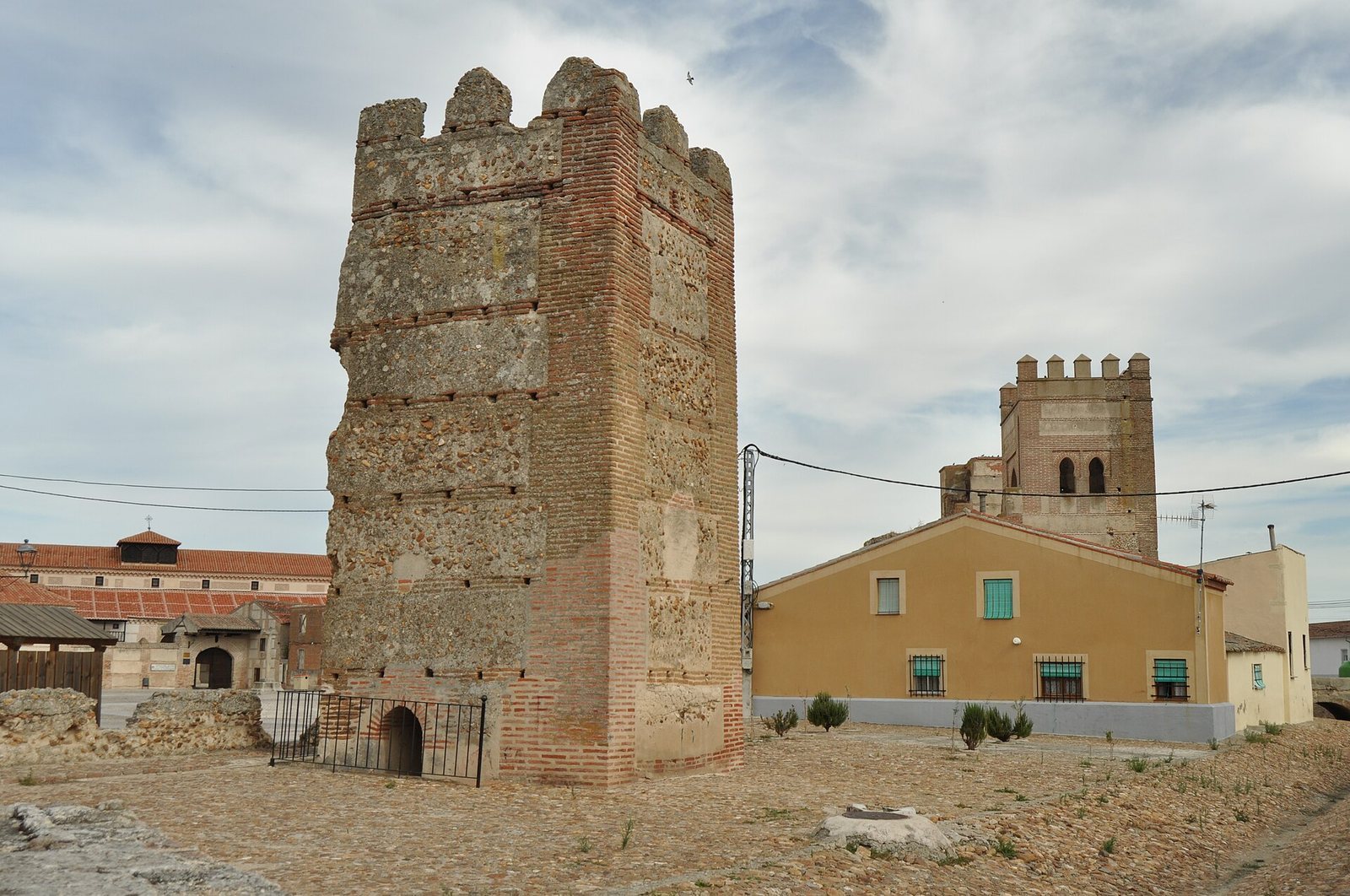
Towers, defenses, and gates
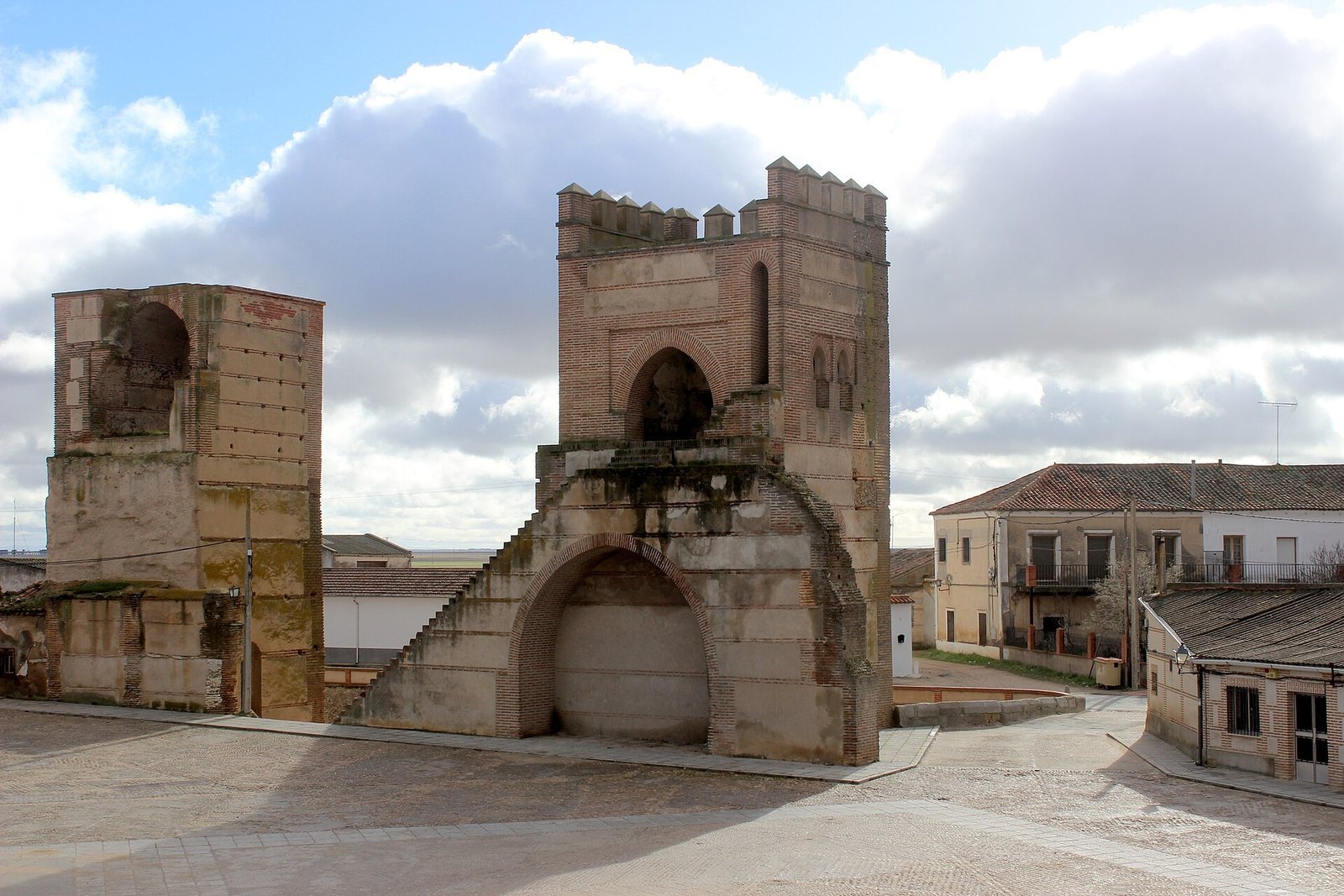
The walls originally had 80 towers, of which 23 remain. The towers average about 12 metres high, while those beside the Alcázar and San Vicente gates reach up to 20 metres. Wall sections average about 3 metres thick. The defenses included a sloping outer face, a moat, and a barbican, an outer defensive work protecting an entrance or fortification. Some hollow towers contained upper-level chambers, and projecting towers outside the wall defended the gates. Four gates faced nearby towns: Medina to the north, Arévalo to the east, Peñaranda to the south, and Cantalapiedra to the west. The Peñaranda Gate no longer survives.