Vysokaje Castle: A 17th-Century Fortified Residence in Belarus
Site at a Glance
- Popularity
- Medium
- Country
- Belarus
- Primary era
- Early Modern
- Eras represented
- Early Modern
- Civilizations
- Polish–Lithuanian Commonwealth
- Site type
- Military
- Remains
- Castle
On this page5 sections
History
Construction, conflict, and archaeological study
Vysokaje Castle was a fortified residence in Vysokaje, Belarus. Built in the mid-17th century, it probably dates to the tenure of Pavel Jan Sapieha as Vitebsk’s provincial governor. The castle stood during the 17th and 18th centuries.
It suffered heavy damage during the Russo-Polish War of 1654–1667, fought between Russia and the Polish–Lithuanian Commonwealth, and again during the Great Northern War of 1700–1721, a conflict between Sweden and a coalition of rivals. The castle was later restored.
In 1977, Belarusian archaeologist and historian M. A. Tkachev directed archaeological investigations of the castle’s fortifications.
Remains
Earthwork defenses
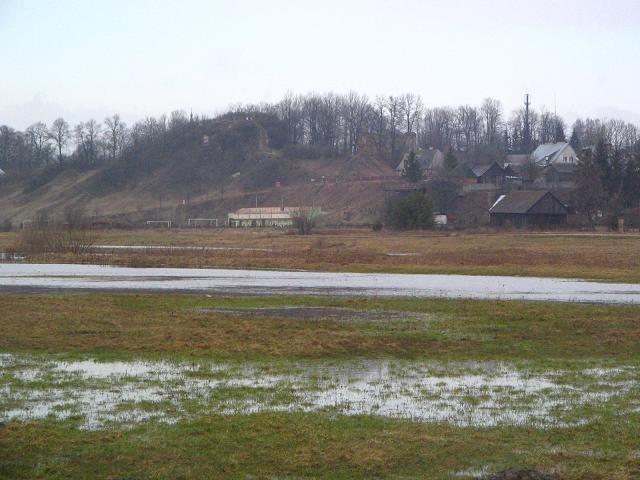
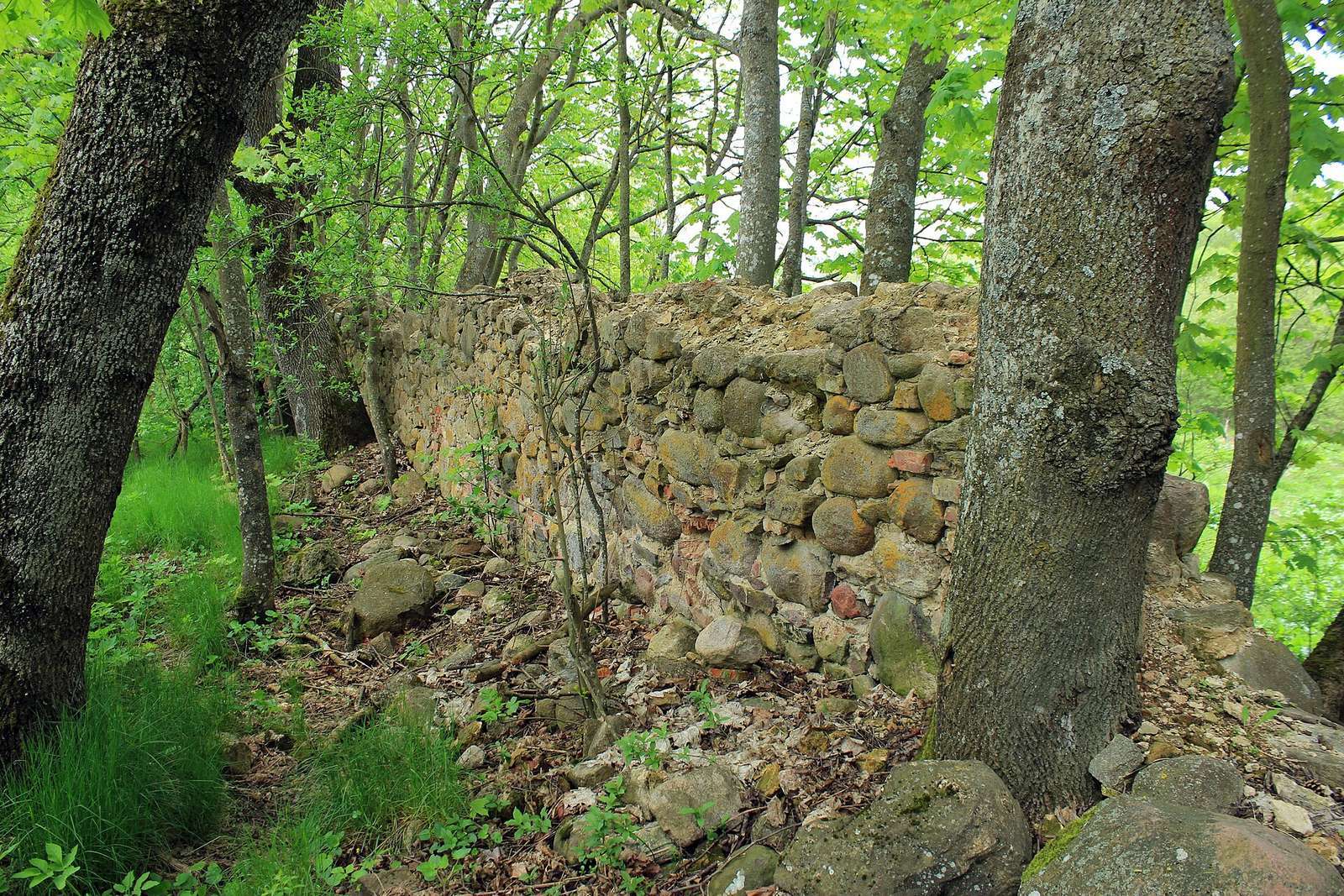
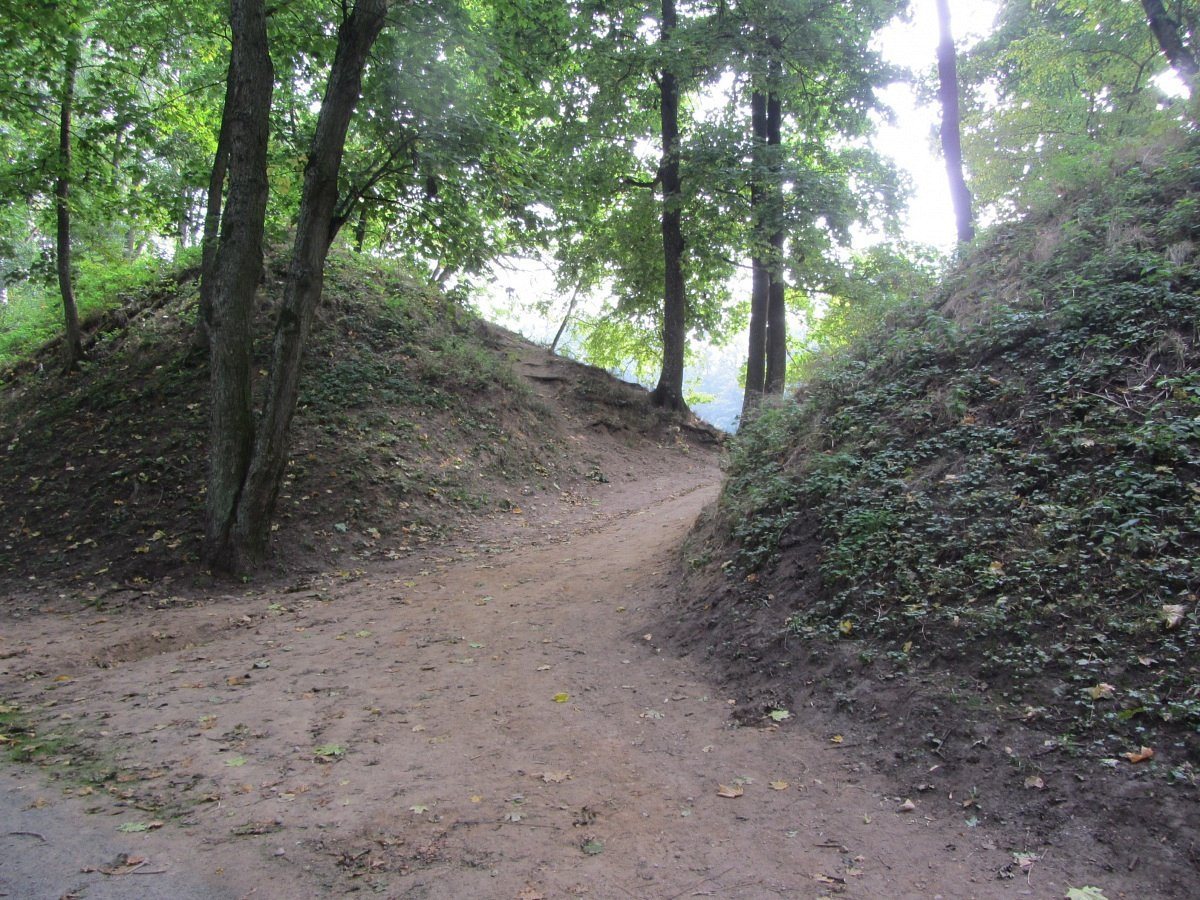
The castle’s earthwork defenses occupied the high right bank of the Pulva River. The river was dammed to create a water barrier around the site. Two substantial bastions and two defensive walls connecting fortifications guarded the approaches to the gate, while smaller bastions stood to the north and west. Earth ramparts survive.
Gateway and inner enclosure
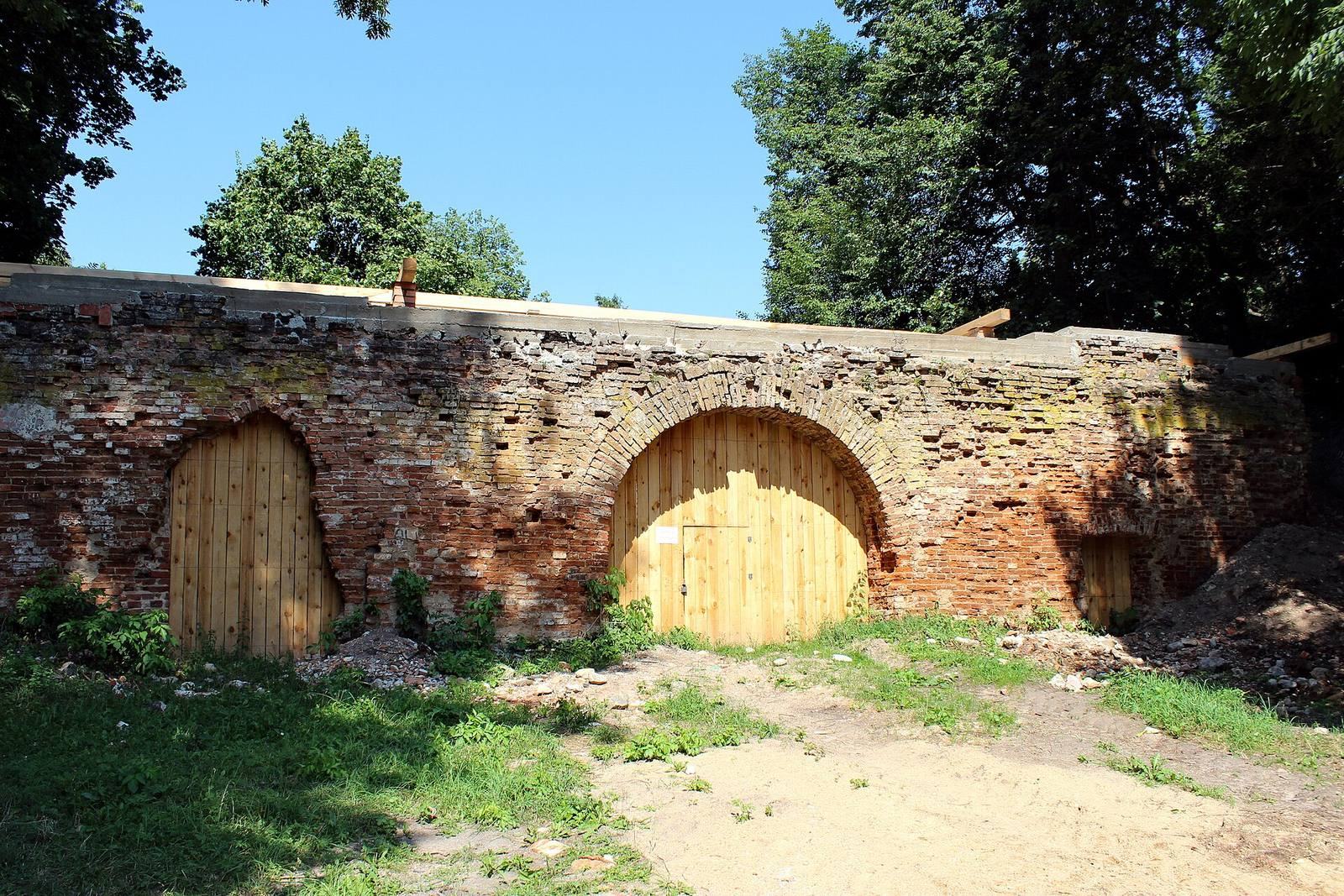
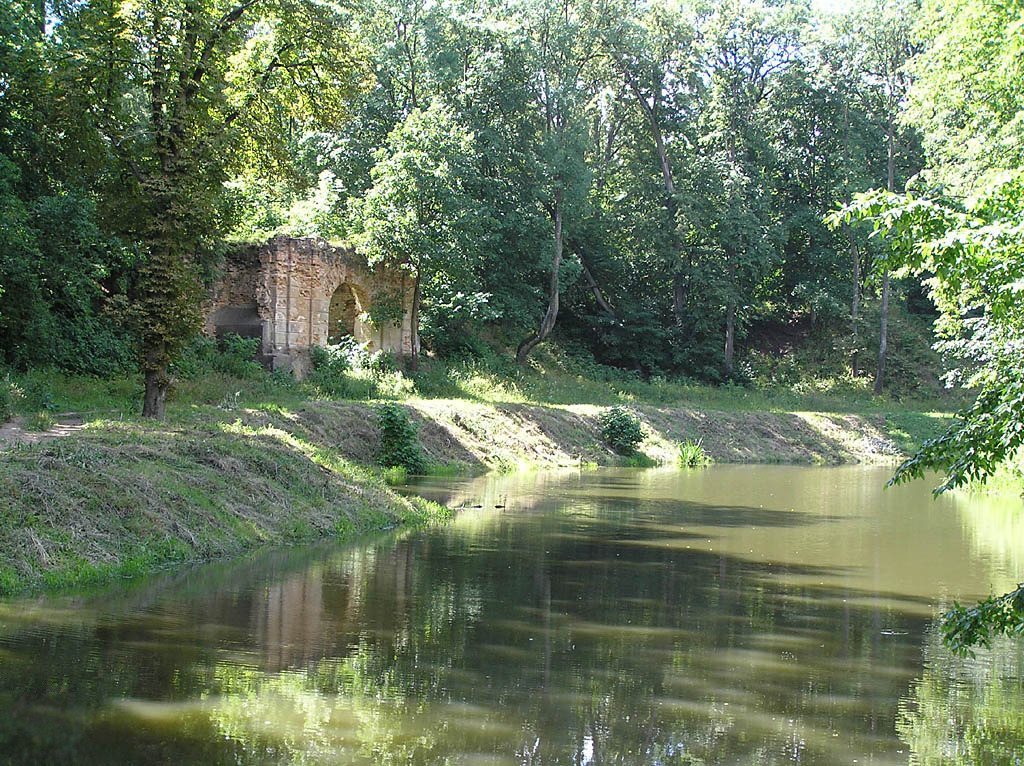
A broad pond lay beside the northeastern entrance. A drawbridge crossed the water to a two-storey brick gateway tower set into the earth rampart. The tower contained three gates, a guardhouse, an arsenal, and the mechanism that raised the bridge; the gateway now stands in ruins. Within the defenses, a large inner enclosure held a wooden palace and service buildings.