Villa Banfi: A Former Franciscan Convent and Private Residence
Site at a Glance
- Popularity
- Very Low
- Country
- Italy
- Primary era
- Medieval
- Eras represented
- Medieval
- Civilizations
- Duchy of Milan, Holy Roman Empire
- Site type
- Domestic
- Remains
- Elite Residence
On this page12 sections
History
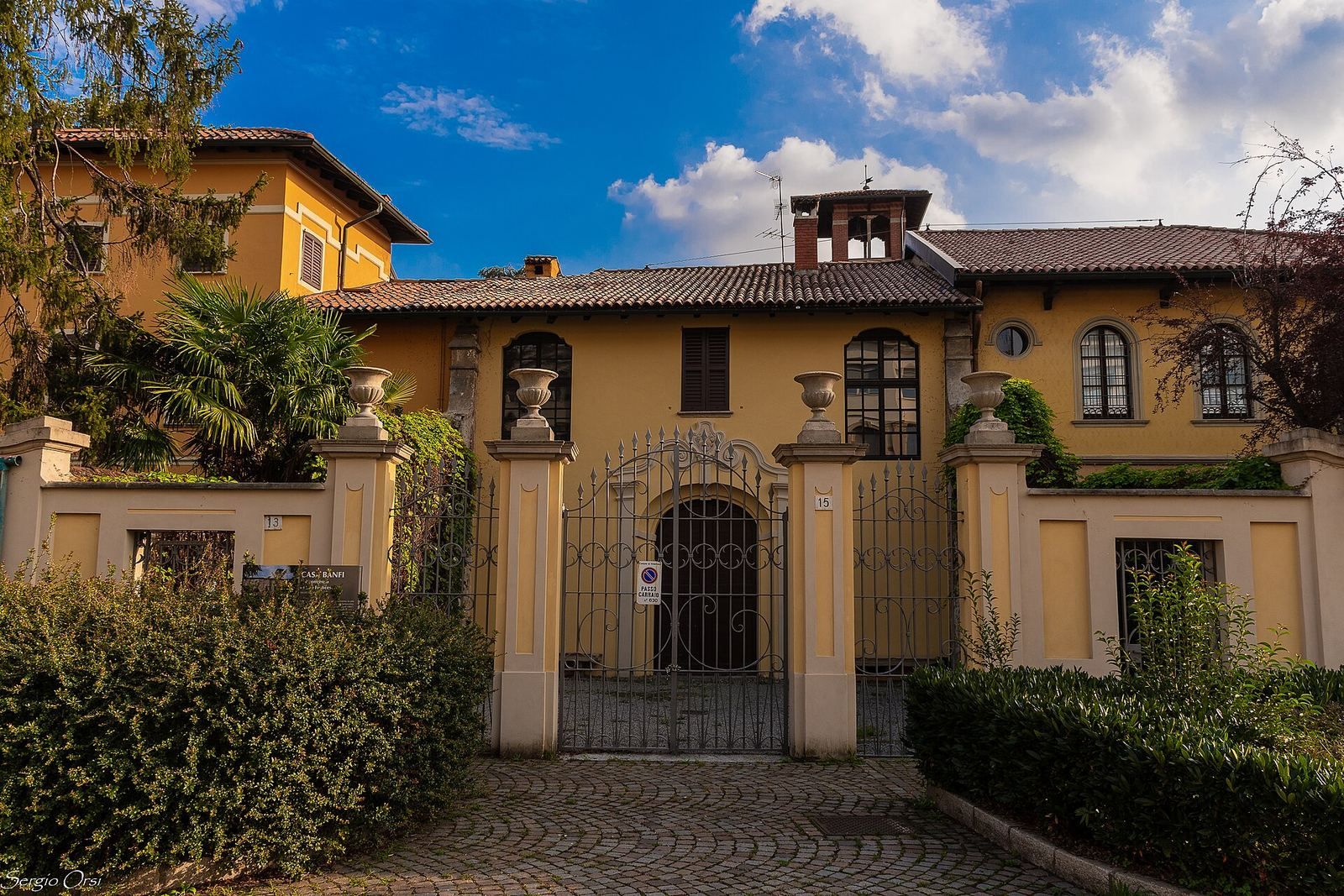
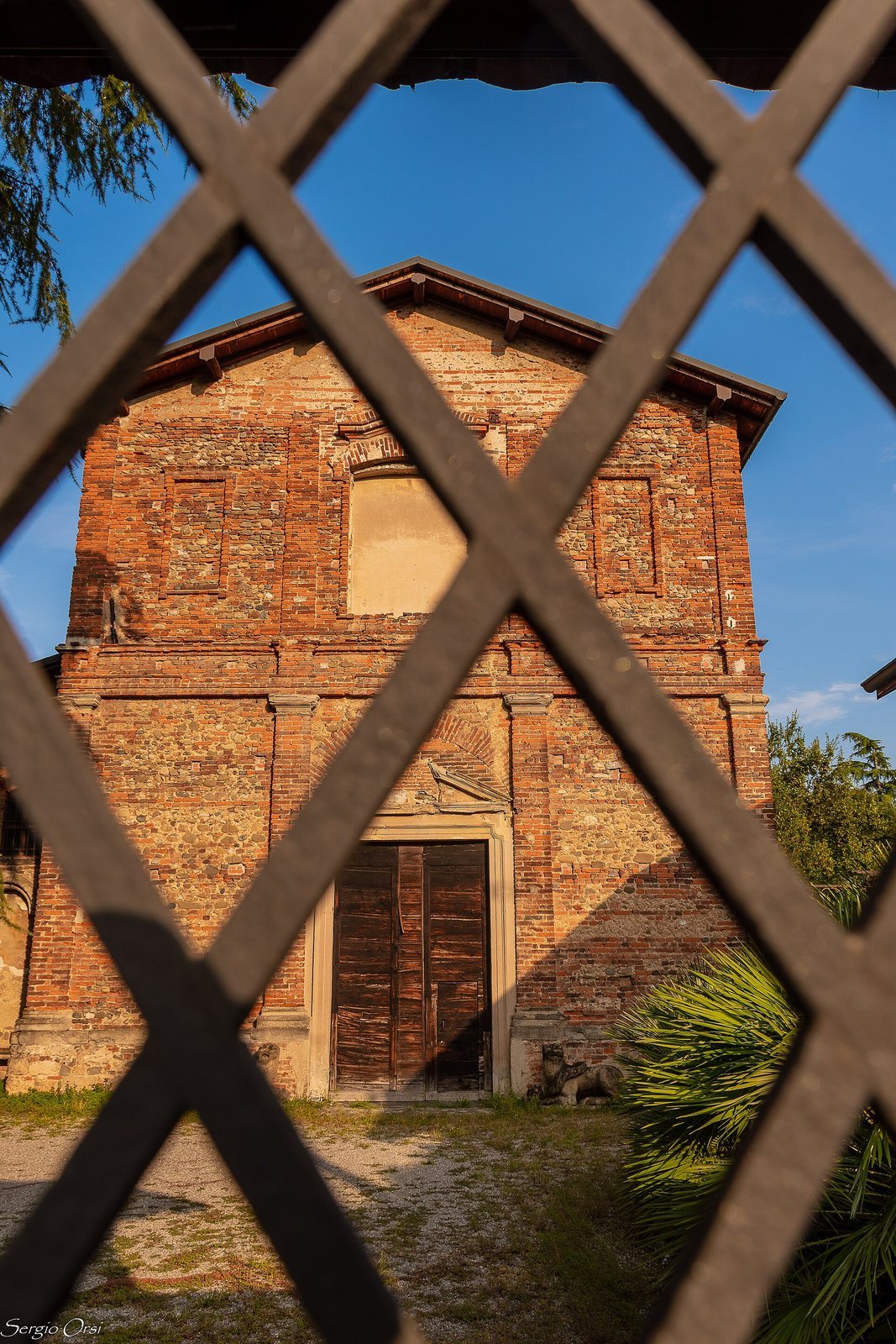
Villa Banfi is a former Franciscan convent and present private residence in Italy, founded in the thirteenth century by friars from Oreno. It became one of the earliest Franciscan establishments in Milanese territory. The friars came from a convent at Oreno, which was believed to have hosted its patron saint.
Franciscan foundation and local institutions
The convent stood outside Vimercate’s walls, near a residence associated with Ginesmerio dei Vimercati and recorded in 1052. The residence later became the Hospital of St John of the Borough, founded in 1140. A record dated 21 July 1295 describes the hospital’s friars selling a legacy to Lorenzo del Lambro, a clergyman attached to the Collegiate Church of Saint Stephen. It also names Andrea da Villa and Stefano da Lecco as hospital guardians and Zanebello as minister.
The convent’s friars maintained good relations with the hospital administration. On 19 November 1383, Friar Giovanni da Concesa gave the hospital the property he held there, including a bed and furnishings. The convent belonged to the Franciscan custody of Monza, an administrative district of the order, and housed friars who served as readers and masters, teaching roles. Bequests from prominent local families helped support the community.
Patronage and disputes
Among the convent’s benefactors was Francesco Sforza, ruler of the Duchy of Milan. He stayed there in 1450 and gave the friars a new chapel dedicated to his patron saint, John the Evangelist. From the sixteenth through the eighteenth century, the friars increasingly disputed with the canons of the Collegiate Church of Saint Stephen.
Suppression and later use
The Cisalpine Republic, a short-lived northern Italian republic established under French influence during the Napoleonic era, suppressed the convent in 1798. The friars remained in the area as priests. In 1799, Giuseppe Banfi, then Vimercate’s local magistrate, bought the premises at auction and converted them into a private residence.
During the Risorgimento, the nineteenth-century movement for Italian unification, the Savoy army used the premises for military purposes. After its victory over Austrian forces at the Battle of Magenta on 4 June 1859, the buildings may have provided quarters for officers and King Victor Emmanuel II, then king of Sardinia and later the first king of unified Italy. The original bell tower was destroyed by lightning and rebuilt in the early twentieth century.
Remains
The convent’s surviving structure dates in part to the fourteenth century. Its lower floor retains this early fabric, while the principal upper floor underwent extensive changes in the nineteenth and twentieth centuries. The surviving interiors include a reception hall and several rooms associated with the residence’s later use.
Building fabric and interiors
Surviving convent structure
The lower floor preserves the convent’s original fourteenth-century structure. On the upper floor, later alterations have substantially changed the principal level.
Reception rooms
The family reception hall contains a large fireplace and a two-light window, divided into two openings, from the former church. A large half-moon-shaped opening may have provided light to the church’s former nave. Other interiors include a smoking room and a room called the Manzonian room, a name associated with novelist Alessandro Manzoni. The latter holds a silver sperada, a traditional Lombard hair ornament, belonging to the Banfi family.
Frescoes
Madonna of Mercy
A large surviving fresco depicts the Madonna of Mercy, a devotional image of the Virgin sheltering people beneath her mantle. Saints and kneeling worshippers gather beneath it as angels hold the mantle open.
Corridor fresco
A corridor wall bears a fresco dated 1354, alongside a plaque commemorating Count Giorgio Giuliani. The painting is divided into two scenes: the Crucifixion with the Virgin and St John the Evangelist on the right, and St John of the Pilgrims with St Frances of Rome on the left. A twisted, multicolored column separates the scenes.
Bell tower paintings
Simple frescoes in the bell tower are attributed to around 1340. They show stars and a comet against a white background.