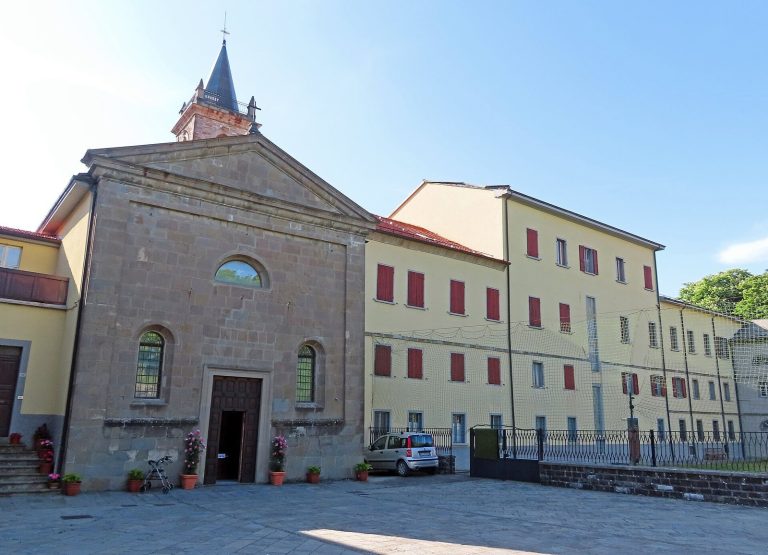
Castle of Corniglio: A Medieval Defensive Stronghold in Italy
Site at a Glance
- Popularity
- Low
- Country
- Italy
- Primary era
- Medieval
- Eras represented
- Medieval
- Civilizations
- Unclassified
- Site type
- Military
- Remains
- Castle
On this page9 sections
History
Diocesan stronghold and early conflicts
The Castle of Corniglio is a medieval stronghold in Italy that began in the thirteenth century as a defensive residence belonging to the Diocese of Parma. Its first formal mention came on 6 February 1240, when Guglielmo de Egidiis issued a judgment against Bishop Martino in a dispute with the Platoni of Val Taro.
During a conflict between Marquis Azzo VIII d’Este and Bishop Giovanni da Castell’Arquato in 1296–1297, Manuello da Vallisnera and other rebels seized the castle and handed it to the marquis. Parma’s troops besieged the stronghold, and its occupants eventually surrendered with the honors of war. In 1329, when the Holy Roman Emperor Ludovico IV, also known as Louis the Bavarian, entered Parma, Bishop Ugolino de’ Rossi took refuge at the castle.
In 1355, Ugolino transferred the fief, land held from a superior under obligations, to his relative Giacomo. The transfer compensated Giacomo in a dispute over an unpaid loan involving his relative Bertrando and the Chapter of Parma Cathedral, the body of clergy associated with the cathedral.
Rossi rule and changing control
The Rossi family repelled attacks by Iacopo Terzi in 1408 and Obietto Fieschi in 1482. In 1483, after Guido de’ Rossi’s final defeat in the War of the Rossi, ducal troops led by Ludovico Sforza, Duke of Milan, took the castle and the family’s other possessions. Sforza granted the fief to Pietro Francesco Visconti of Saliceto.
In 1499, Troilo I de’ Rossi, Marquis of San Secondo, attempted to recover the castle, which had belonged to his grandfather Pier Maria II. After passing through several hands, it was assigned to Galeazzo Pallavicino. In 1521, Filippo Maria de’ Rossi, Guido’s son, seized it and restored the fief to Rossi control.
Loss of military role and municipal use
When Filippo Maria died in 1529, the fief passed to his sons Camillo and Marsilio. In 1560, lightning caused an explosion in the powder magazine. The tower where Marsilio was sleeping collapsed, killing him. In 1568, Bishop Alessandro Sforza di Santa Fiora recovered the fief for the Diocese of Parma. Duke Ottavio Farnese confirmed the grant on the condition that the lands return to the Rossi when Sforza’s episcopal tenure ended. They passed back to the family five years later.
After Camillo’s death, his son Filippo Maria the Younger inherited the fief. He was imprisoned at Parma’s Rocchetta in 1593, and Duke Ranuccio I Farnese confiscated his possessions the following year, transferring them to ducal administration. The castle’s strategic military function ended in 1593.
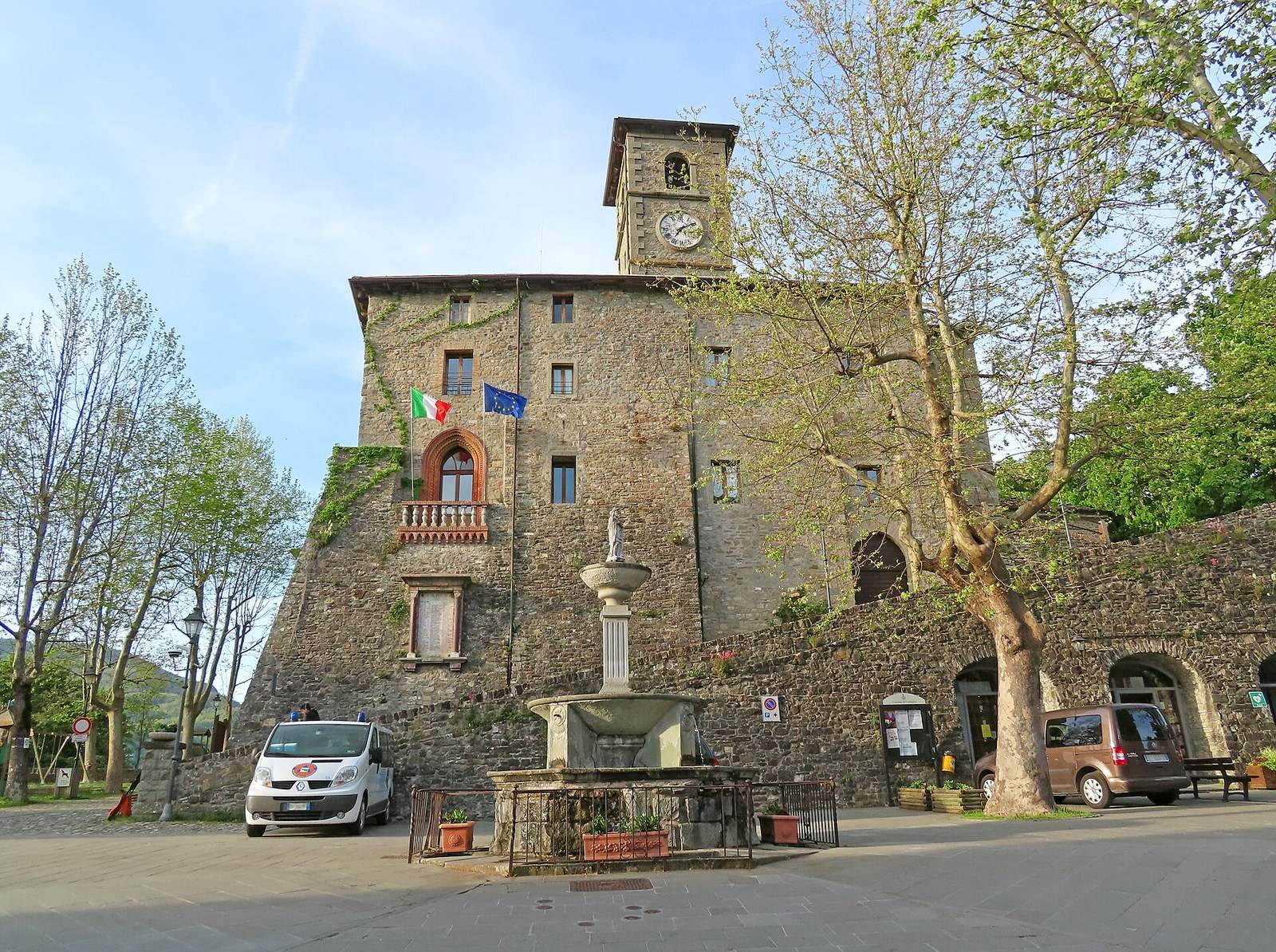
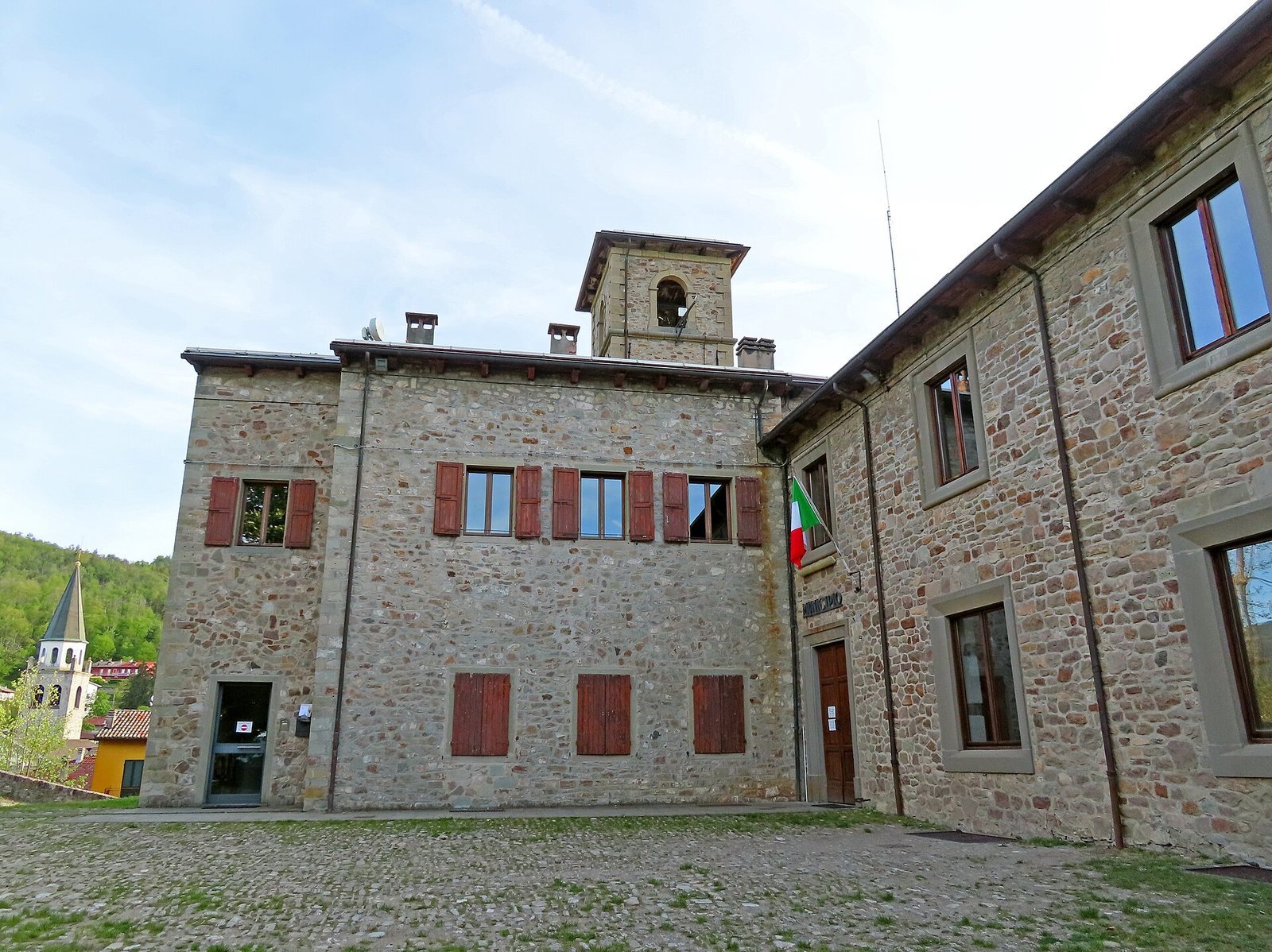
In 1820, Duchess Maria Luigia gave the castle to the municipality of Corniglio. It housed the local magistrate’s office, a prison, and administrative offices before becoming the municipal seat in 1860. It continues to accommodate municipal offices and other activities, and is designated Italian national heritage.
Remains
Setting and construction
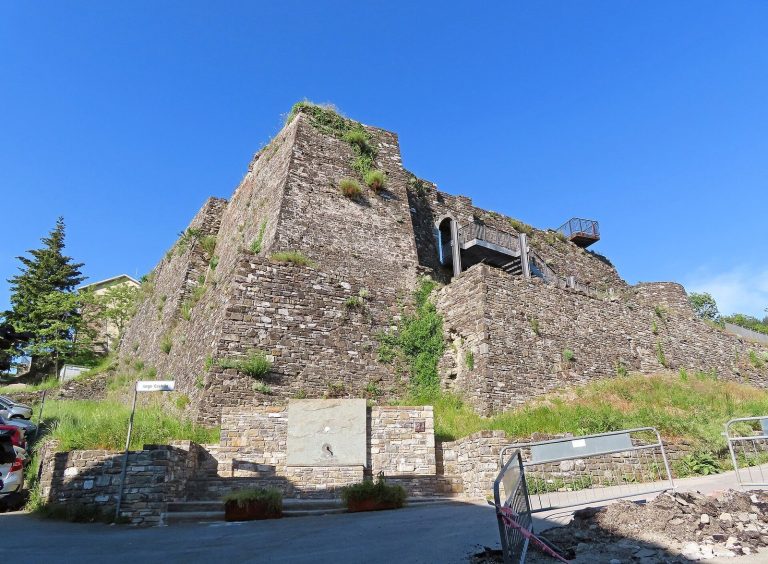
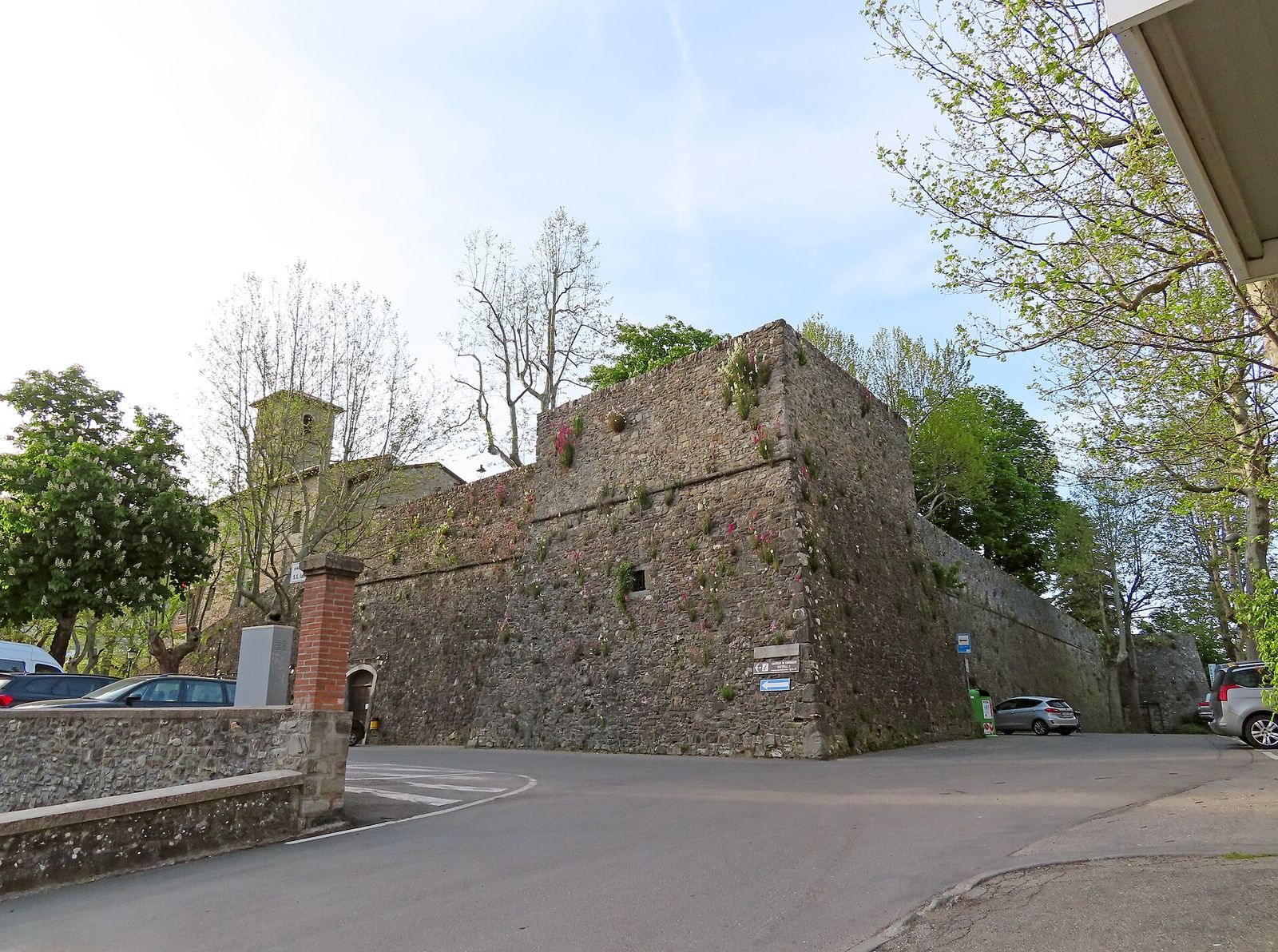
The castle stands at an elevation of 686 metres on a rocky spur between the Parma and Bratica valleys, a position that allowed it to control access to both. By 1240, it had a defensive arrangement that included a moat. Its stone construction includes rubble masonry laid with mortar. The restored building is in good condition.
Surviving features
Rossi-period fabric
The west wing, substantial buttresses along the perimeter walls, and two corner bastions are attributed to the Rossi period.
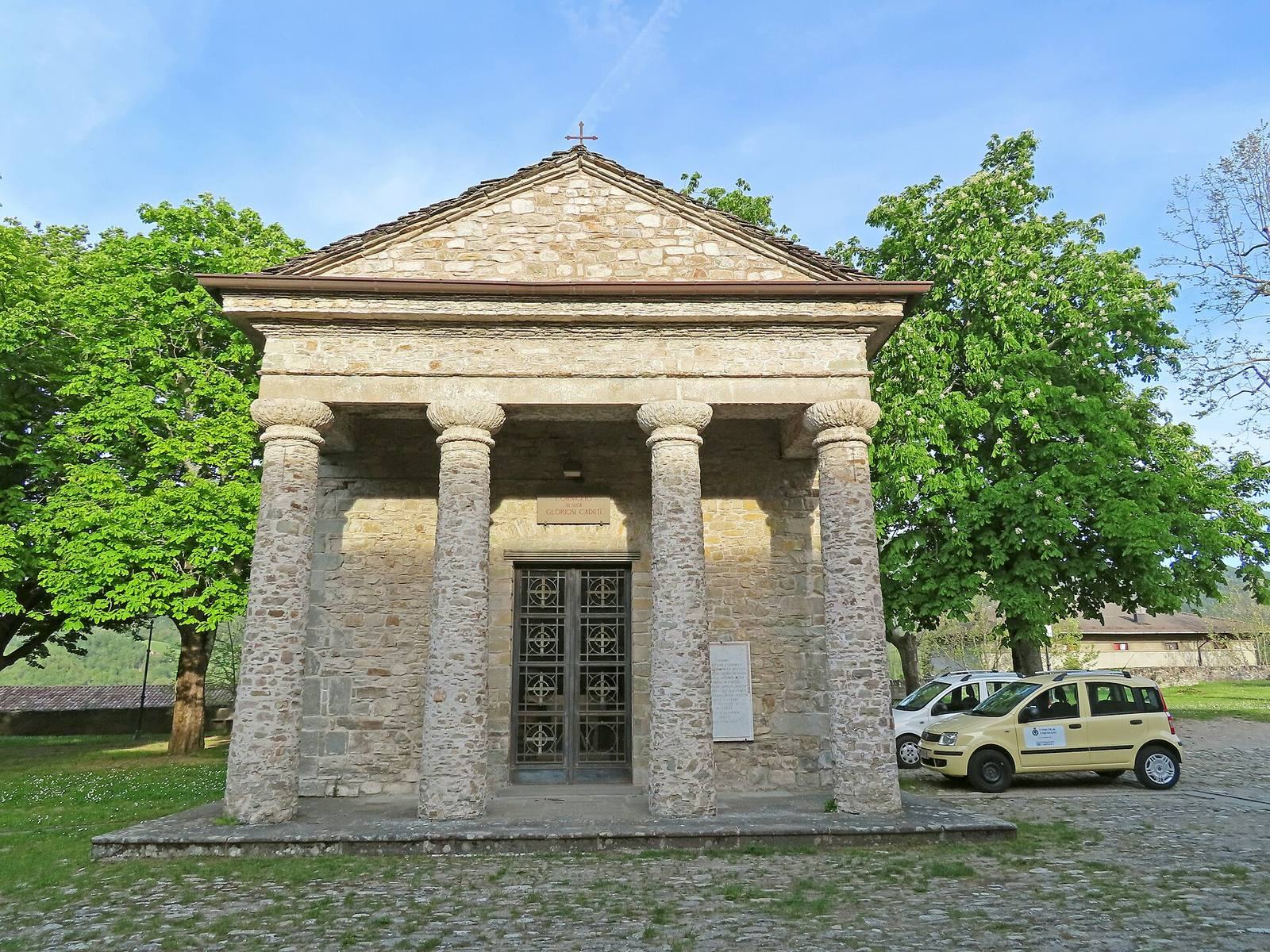
Courtyard shrine and clock turret
A small neoclassical shrine dedicated to Saints Lucio and Amanzio stands in the centre of the courtyard, on the site of an earlier oratory used by Benedictine monks. The clock turret belongs to later alterations.