Vauclair Castle: A Medieval Fortress in La Rochelle
Site at a Glance
- Popularity
- Medium
- Country
- France
- Primary era
- Medieval
- Eras represented
- Medieval
- Civilizations
- Duchy of Aquitaine, French
- Site type
- Military
- Remains
- Castle
On this page7 sections
History
Vauclair Castle was a medieval fortress in La Rochelle, France, initiated by Henry II of England toward the end of the twelfth century. Through his marriage to Eleanor of Aquitaine, daughter of William X, Henry was also duke of Aquitaine. The castle defended La Rochelle’s original harbor and old town.
Founding and ducal authority
La Rochelle’s first defensive enclosure was built in 1130 by William X, and a further enclosure followed between 1160 and 1170. Vauclair formed part of the earlier defenses. It also helped the duke assert control over Aunis, a historic province in western France, both in relation to neighboring lords and to the city’s inhabitants.
Royal guests and English rule
The castle accommodated its garrison as well as people of high standing. On 9 August 1220, Henry III of England asked La Rochelle’s mayor to receive his sister Jehanne and her guards. After they left, the commune received 50 and a half marks, a medieval unit used to reckon value, to cover the costs of their stay.
After the 1360 Treaty of Brétigny, La Rochelle came under English rule during the Hundred Years’ War, the prolonged conflict between the French and English crowns. English occupation of the castle made that change of allegiance visible. During the French siege of the city in 1372, the garrison prevented La Rochelle’s people from turning to the French side. The chronicler Jean Froissart described this constraint. Mayor Jean Chaudrier then used a stratagem to remove the English troops, allowing the city to escape English rule.
Demolition and later history
As a condition of La Rochelle’s return to the French Crown, Charles V confirmed and extended the city’s privileges and required the castle’s demolition, dated to around 1372–1375. Its stone was intended for the completion and defense of the new port and was also used in a new defensive wall at Le Gabut. Charles V reserved the four corner towers for royal prisons and promised that no other castle or fortress would be built in the city.
During the 1573 siege of La Rochelle, cannonballs brought down the last two towers still standing. The promise against new fortifications held until Fort Louis was built in 1622; its construction was one of the causes of the 1627 siege.
Amos Barbot proposed that Vauclair came from the Latin valde clarum, meaning “very bright” or “white.” Toponymists reject this derivation, noting that valde was not used in French place-name formation. They instead analyze the name as the medieval elements Val-, meaning “valley,” and clair.
Remains
Enclosure and defenses
The castle occupied more than a hectare at present-day Place de Verdun, formerly Castle Square, on the Lafond watercourse and overlooking it. Its military assembly area lay on the ground now occupied by Saint-Louis Cathedral. A defensive wall enclosed the complex, with four large corner towers joined by curtain walls, the stretches of wall between towers. Alternating raised sections and openings formed the tops of the walls, and deep moats surrounded the site. The castle was built from pale regional stone rich in calcium carbonate.
Excavated remains
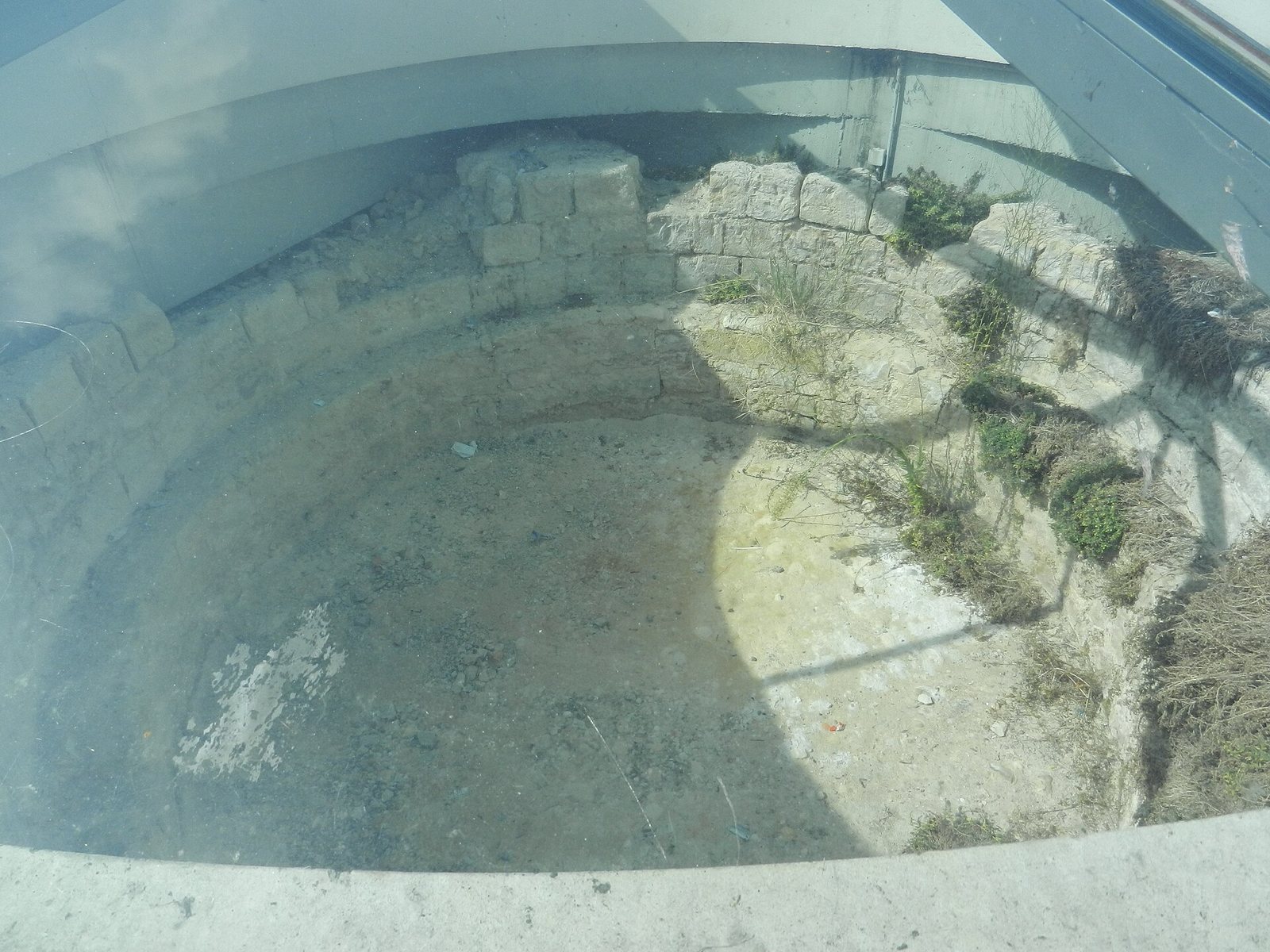
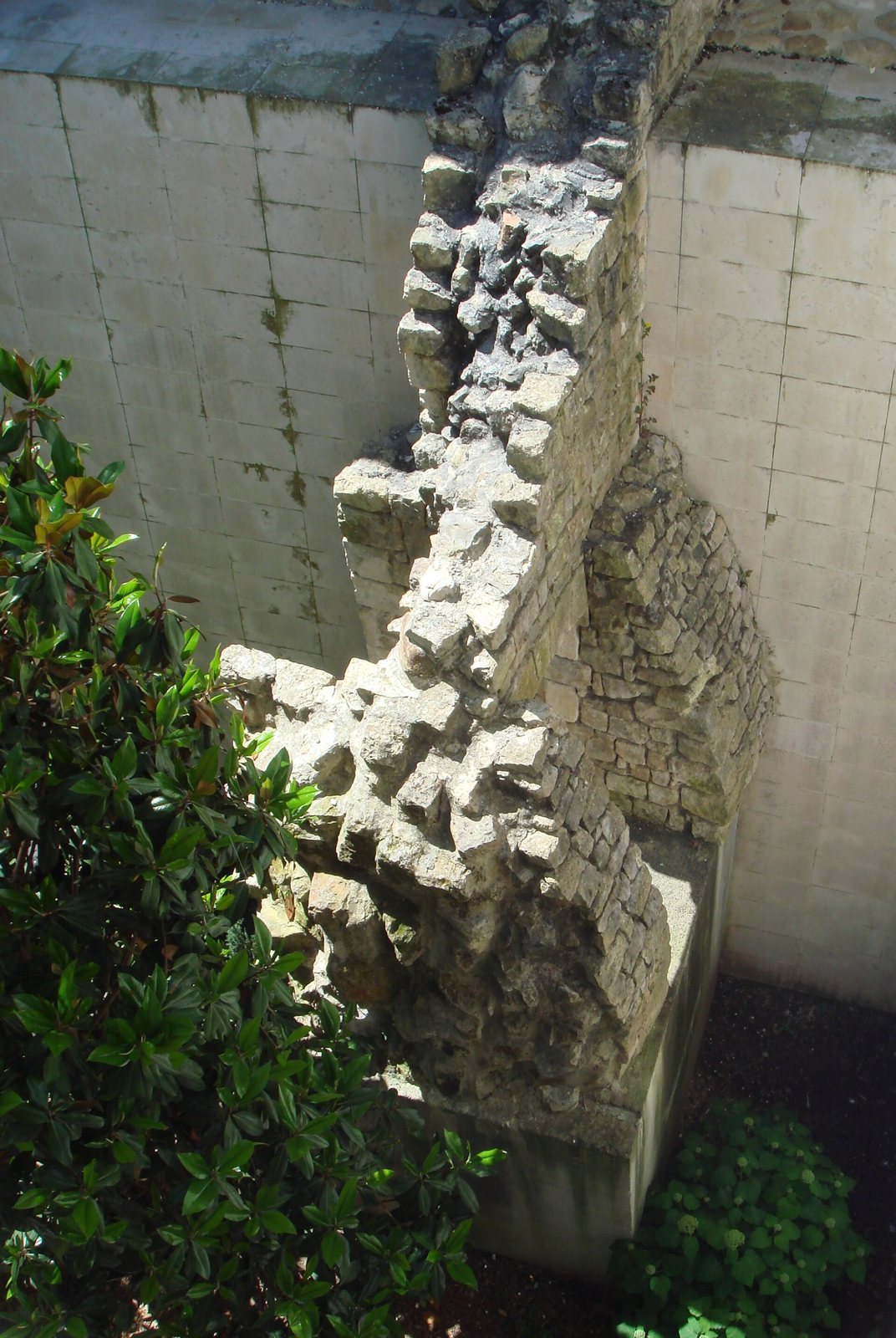
Foundations were uncovered beneath Place de Verdun during construction of an underground car park in 1995–1996. A fragment of one tower was later highlighted, and excavations at the castle also yielded tiles.