Laleu Castle: A Seventeenth-Century Noble Residence in France
Site at a Glance
- Country
- France
- Primary era
- Early Modern
- Eras represented
- Early Modern
- Civilizations
- French
- Site type
- Domestic
- Remains
- Elite Residence
On this page7 sections
History
Construction and the siege of La Rochelle
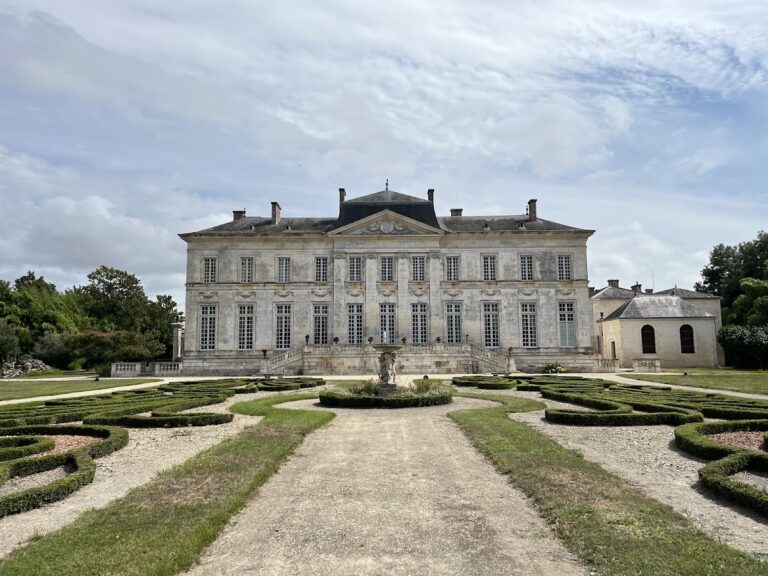
Laleu Castle is an early-seventeenth-century noble residence in Laleu, France. La Rochelle merchant and civic leader Paul Yvon, known as the lord of Laleu, built it between 1616 and 1628, when Laleu was a separate municipality.
During the 415-day siege of La Rochelle, Cardinal Richelieu, chief minister to Louis XIII and director of royal policy, led the royal effort against the city. Marshal François de Bassompierre established himself at the château. On 29 October 1628, Mayor Jean Guiton and other city leaders presented their act of submission to King Louis XIII there, bringing the siege to an end.
Later use
The château later served for several years as the Léonce Vieljeux retirement home. Vieljeux was a La Rochelle shipowner and mayor, remembered for his resistance to German occupation during the Second World War. La Rochelle’s municipal government sold the château in 2016.
Remains
Building and architectural details
Central pavilion and wings
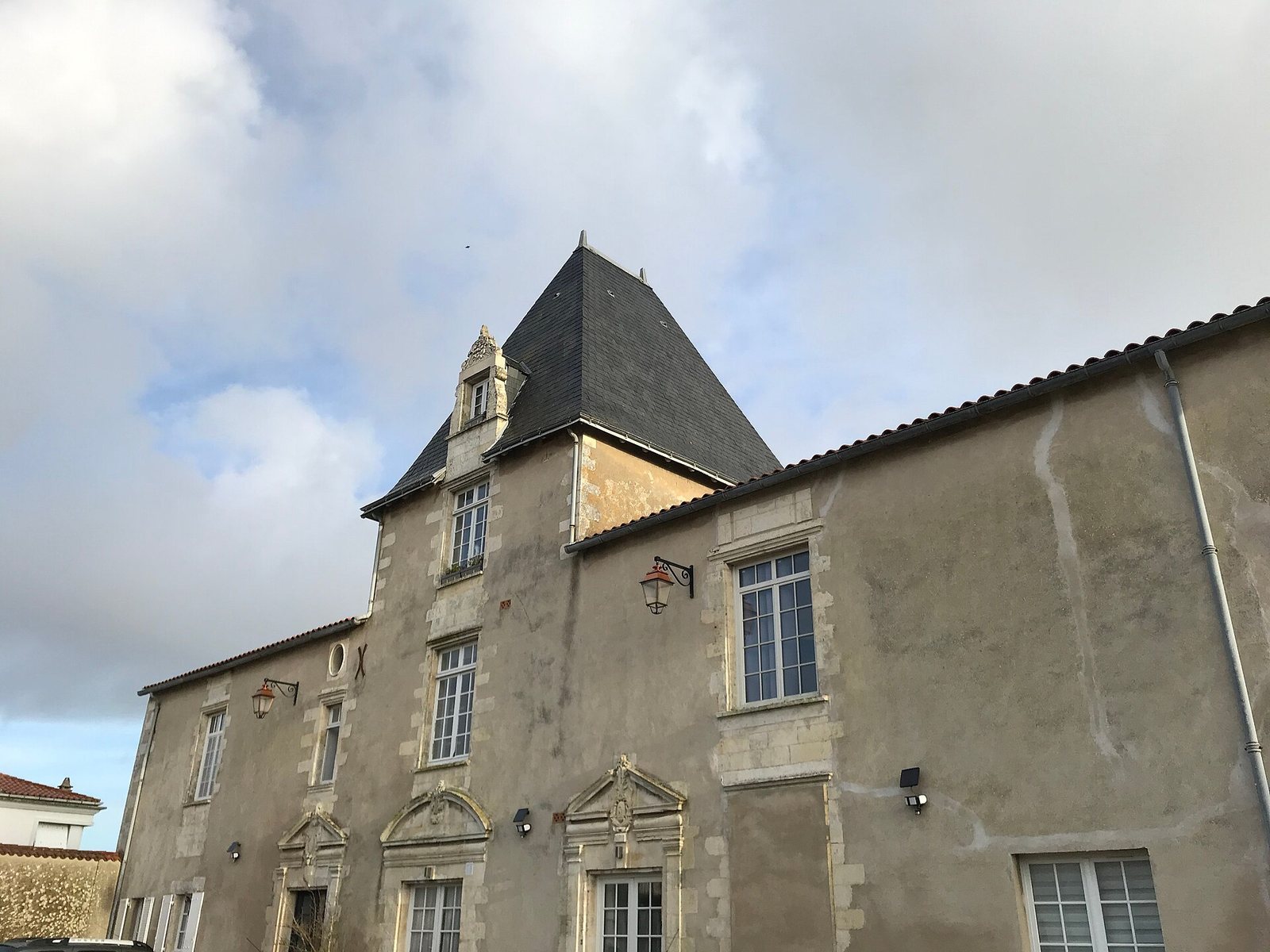
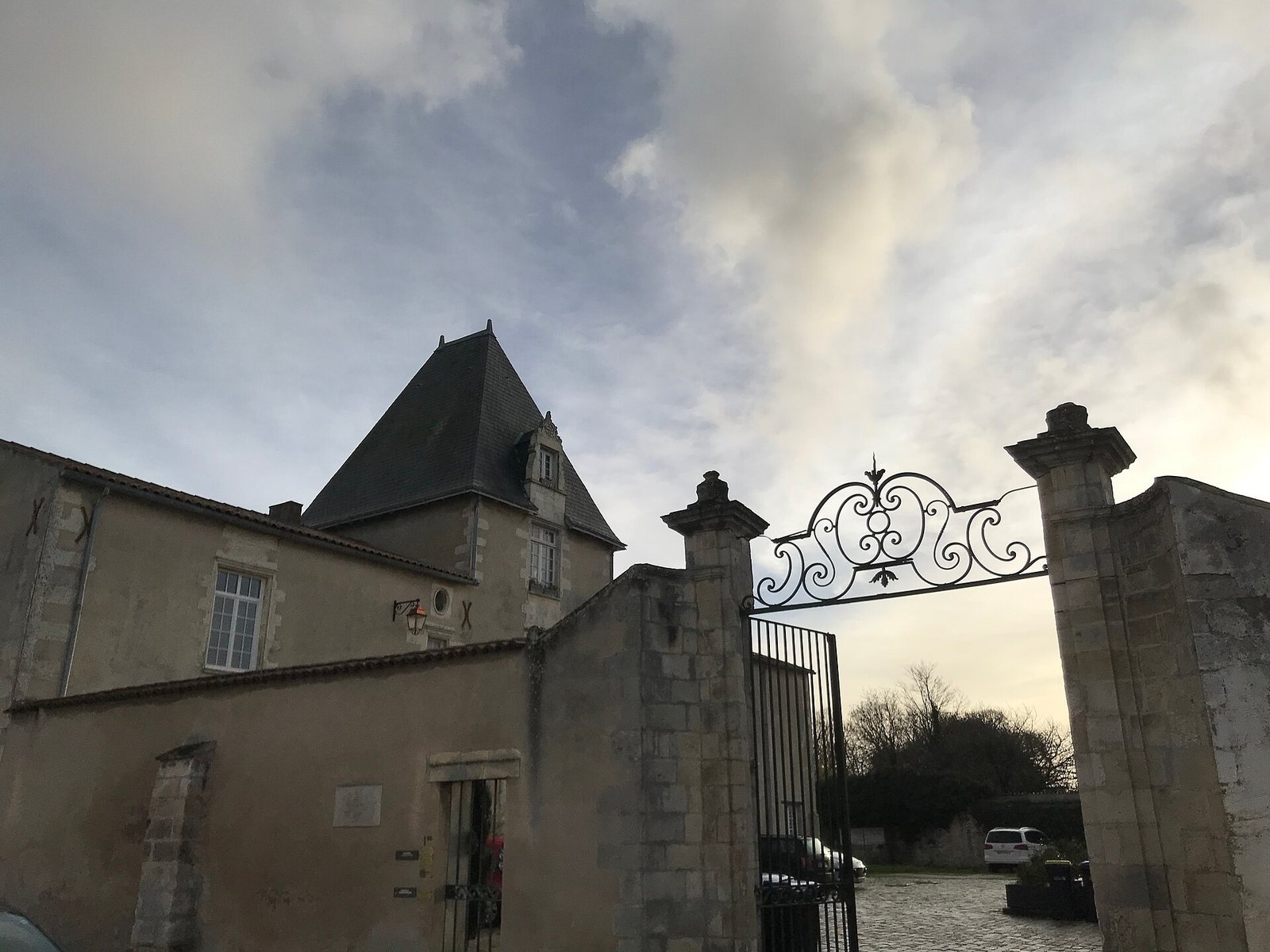
The château has a central pavilion, a distinct section of the building, flanked by two wings. A slate roof slopes on all four sides above the central section. The residence’s restrained design includes openings framed in cut and finished stone.
Decorative features and vaulted room
Three sculpted pediments, decorative features with sloping tops, are supported by ground-floor pilasters, shallow columns attached to a wall. Dormers, windowed projections from the roof, feature scrollwork and stylized leaf motifs. Inside, a vaulted room is associated with the presentation of the act of submission in 1628.