Van Wyck Homestead: A Dutch Colonial House and Revolutionary War Depot Headquarters
Site at a Glance
- Rating
- 4.6
- Popularity
- Very Low
- Country
- United States
- Primary era
- Early Modern
- External website
- Open
- Eras represented
- Early Modern
- Civilizations
- British
- Site type
- Domestic
- Remains
- House
On this page8 sections
History
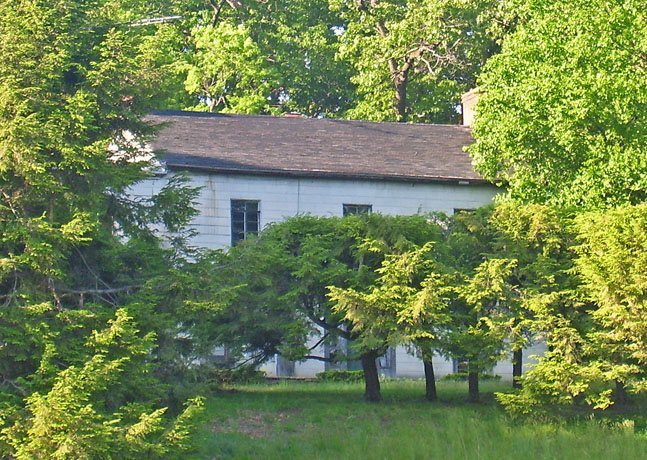
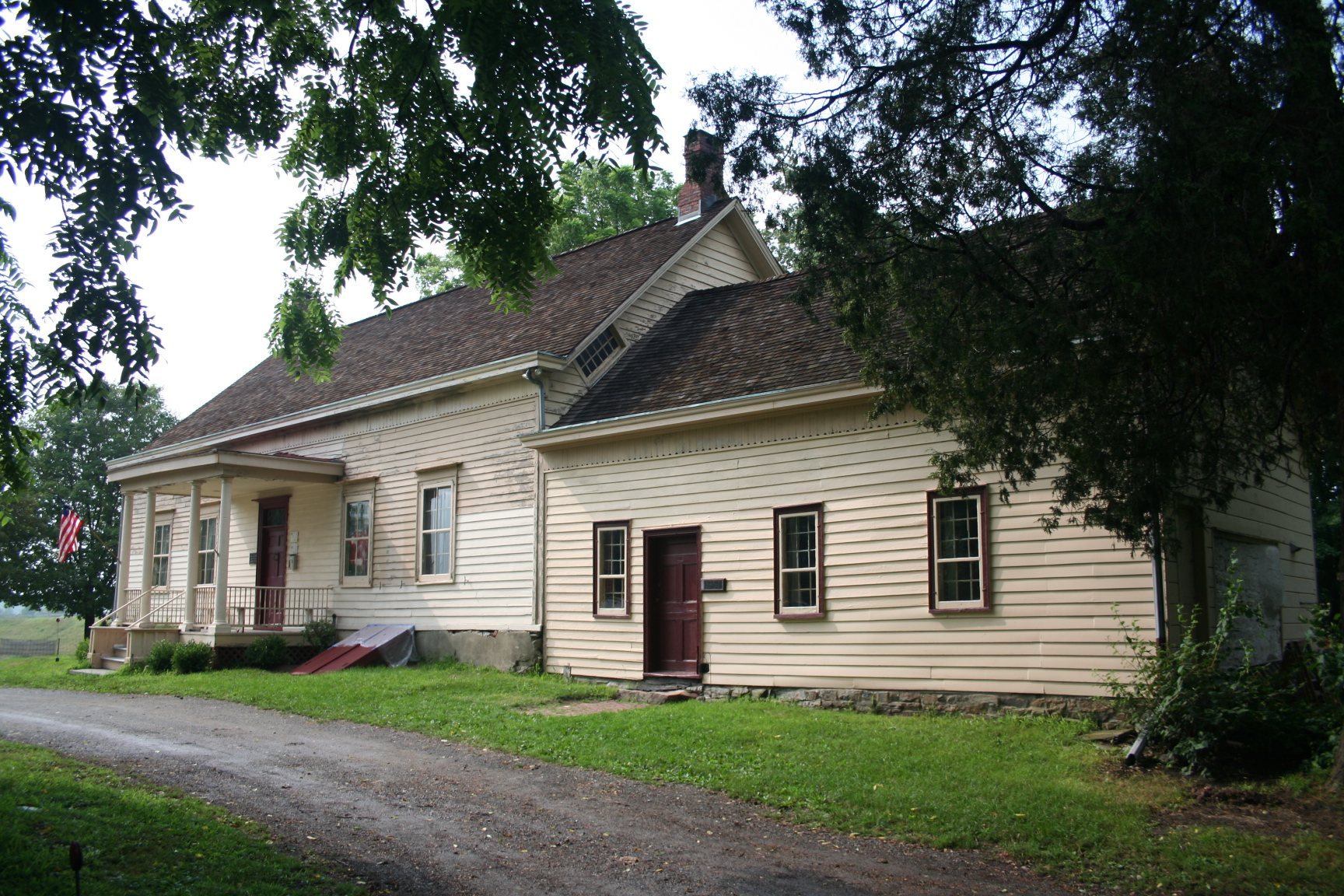
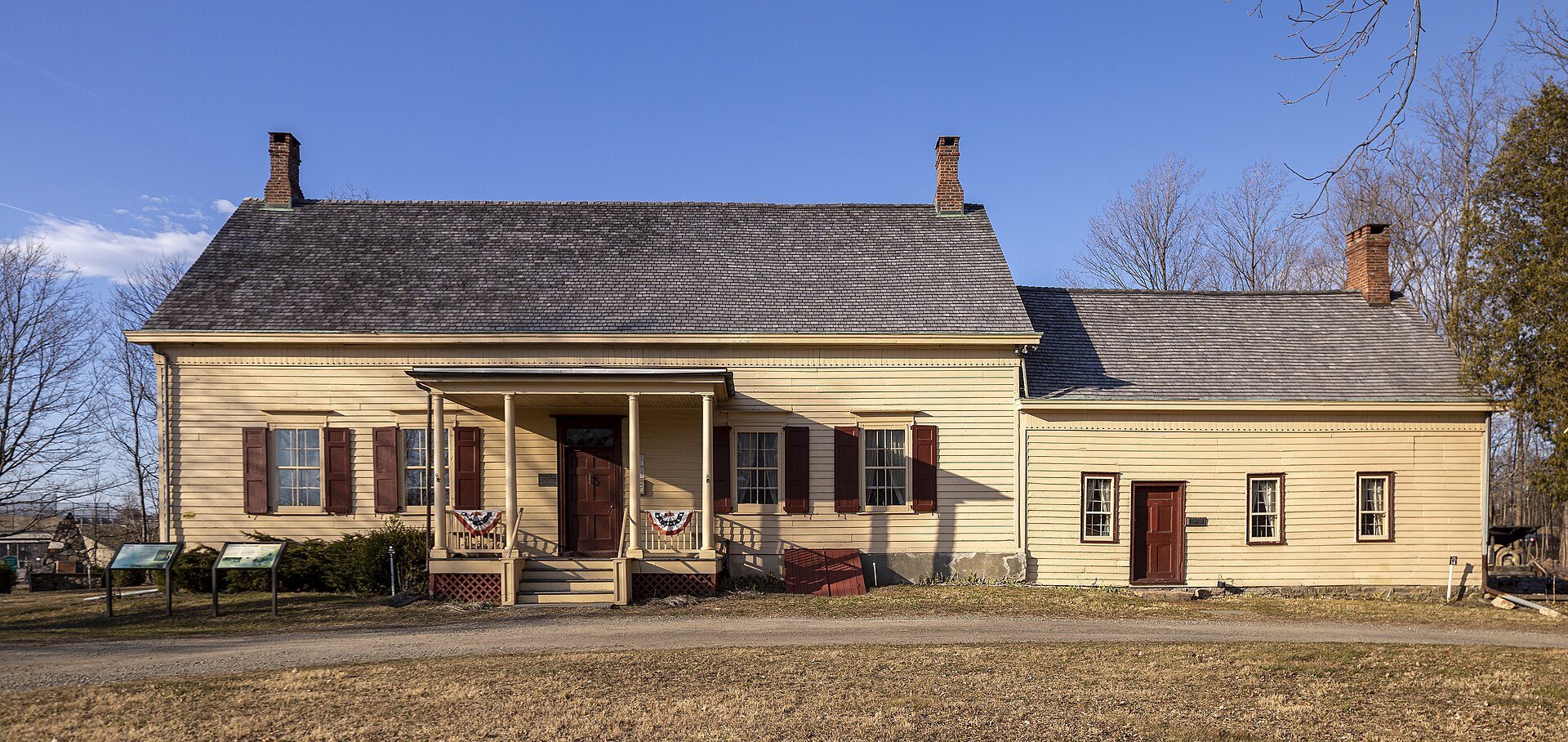
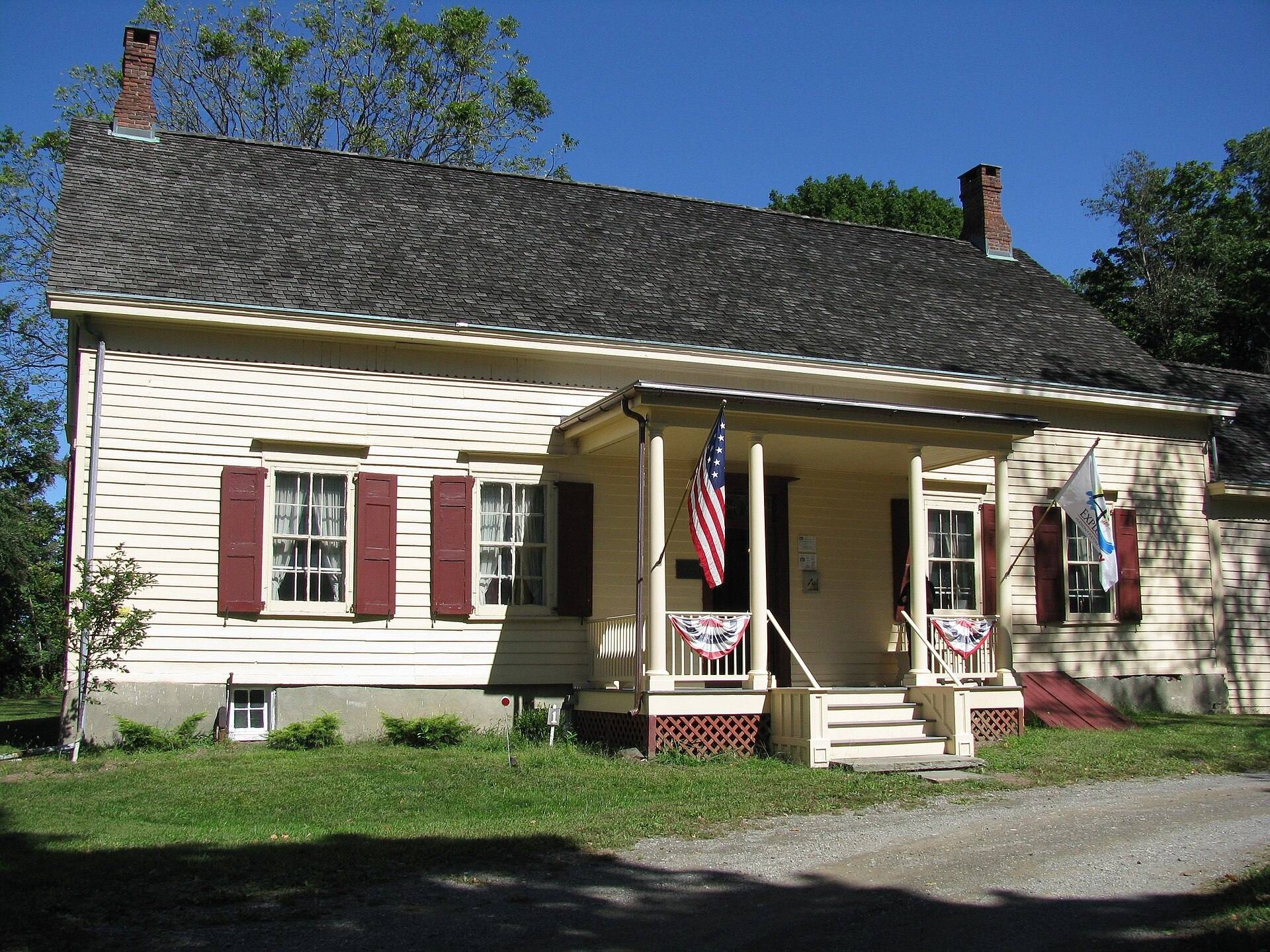
Van Wyck Homestead is an early eighteenth-century Dutch colonial house in Fishkill, New York, United States. Surveyor Cornelius Van Wyck built its original three-room section in 1732 on 959 acres purchased from Catheryna Rombout Brett. Brett’s father, Francis Rombouts, had been one of the grantees of a regional land patent issued by King James II of England. The house later became the headquarters of the Fishkill Supply Depot, a major Continental Army logistics center during the American Revolutionary War.
Colonial Origins and Expansion
Before 1757, the house was enlarged, with the first building becoming its east wing. The property belonged to Isaac Van Wyck during the Revolutionary War. Its position near the Hudson River, the north-south Albany Post Road, and east-west routes made it valuable for military supply and communications.
The Fishkill Supply Depot
George Washington ordered the establishment of the Fishkill Supply Depot in 1775. The Continental Army, the revolutionary military force organized by the thirteen American colonies during the war for independence from Britain, used the depot to provide artillery, food, clothing, and armaments for about 4,000 troops stationed in the region. These forces helped prevent British advances toward New York City and the Hudson Valley and supported Washington’s operations in the Hudson Highlands.
The depot covered approximately 70 acres around the house and included an encampment for more than 2,000 soldiers. Continental troops, militia members, and their families remained at the complex until April 1783. At different times, the site served as a headquarters or operational center for Israel Putnam, Alexander McDougall, Horatio Gates, Alexander Hamilton, and Lafayette. George Washington, Lafayette, Friedrich Wilhelm von Steuben, McDougall, Hamilton, and John Jay also visited the depot.
The house contained the Quartermaster Department, which managed clothing for the army. A quartermaster department handled provisions, clothing, equipment, and related logistics. The building also held the printing press of the New York Packet, moved there from British-occupied New York City, and army orders were printed on the premises. Publisher Samuel Loudon became postmaster for New York State, making Fishkill the state’s first official post office.
Courts-martial took place in the parlor. Although British forces kept the depot under surveillance, they never attacked it. Hundreds of people died there from wounds, hypothermia, dysentery, and smallpox, while the troops also endured periods of starvation. A large burial ground associated with Revolutionary War soldiers formed part of the complex.
Revolutionary Memory and Later Ownership
A mock trial of Enoch Crosby was held in the house. Crosby had infiltrated a Loyalist group and is regarded as the first secret agent of the United States. The episode became the basis for identifying the homestead as the likely setting of James Fenimore Cooper’s 1821 historical novel The Spy.
After the war, the property returned to the Van Wyck family and remained their home until Sidney Van Wyck died by suicide in 1882. The Hustis and Snook families later owned the house, which also operated as a tea room for a period. In the twentieth century, construction of Interstate 84 and its exit ramps threatened the building. The Snook family responded by donating the house and one acre to the Fishkill Historical Society, founded in 1962 to prevent its demolition. The society has continued to restore and operate the building as a museum.
Preservation and Archaeological Investigation
Van Wyck Homestead is the last surviving structure of the Fishkill Supply Depot. Much of the former depot was developed for the Dutchess Mall, which opened in 1974, and many archaeological artifacts were lost. The homestead was added to the National Register of Historic Places, the United States federal inventory of historically and archaeologically important properties, on April 13, 1972. The adjoining Fishkill Supply Depot Site was added on January 21, 1974.
Excavations during construction of a nearby gas station and the Dutchess Mall in the early 1970s recovered many artifacts, particularly military materiel. In 2007, ground-penetrating radar, a noninvasive method that uses radar pulses to detect buried features, identified hundreds of graves at the southern end of the property. Friends of the Fishkill Supply Depot and Senator Charles Schumer later supported efforts to protect the wider depot under the Battlefield Protection Act and to establish a national park there. A 2016 proposal for an “eighteenth-century colonial village” called Continental Commons was criticized as a threat to the archaeological site’s authenticity, and no restaurant plan connected with it had been approved.
Remains
The Homestead
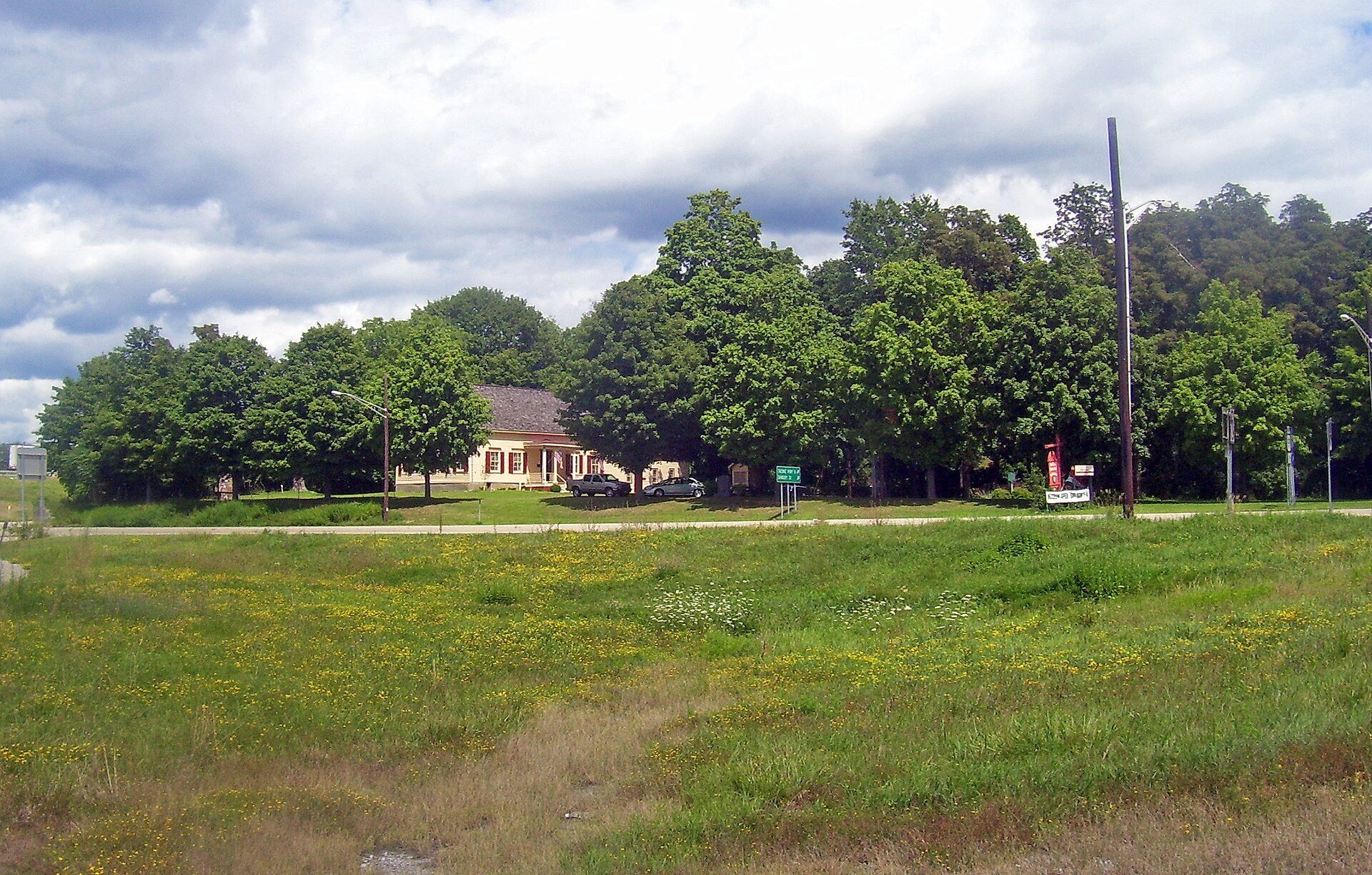
The house is a Dutch colonial building arranged around a central hall with two matching doors. Its original 1732 three-room structure survives as the east wing of the enlarged house. The building stands within the former depot area near the historic Albany Post Road, now associated with US 9, and routes running east and west toward roads later associated with NY 52 and Interstate 84.
A walnut tree once stood in front of the house until a storm brought it down in 1898. Soldiers had used the tree for corporal punishment, and an iron claw attached to it was recovered and is displayed inside the homestead.
Supply Depot Landscape
The Revolutionary War depot extended across approximately 70 acres surrounding the house. Its facilities included barracks, officers’ quarters, a hospital, a magazine for weapons and ammunition, a prison, parade grounds, blacksmith shops, stables, storehouses, and an artillery park where cannons were repaired. The homestead is the surviving building within this larger military complex.
Approximately 70 acres south of Interstate 84, divided by US 9, form the separately identified Fishkill Supply Depot Site. The associated archaeological area includes a Continental Army burial complex, with hundreds of graves identified by ground-penetrating radar near its southern end. Land east of the house remains undeveloped and unexcavated for future archaeological investigation. Finds from the wider area include numerous military objects, while mall construction and nearby infrastructure destroyed many other remains.