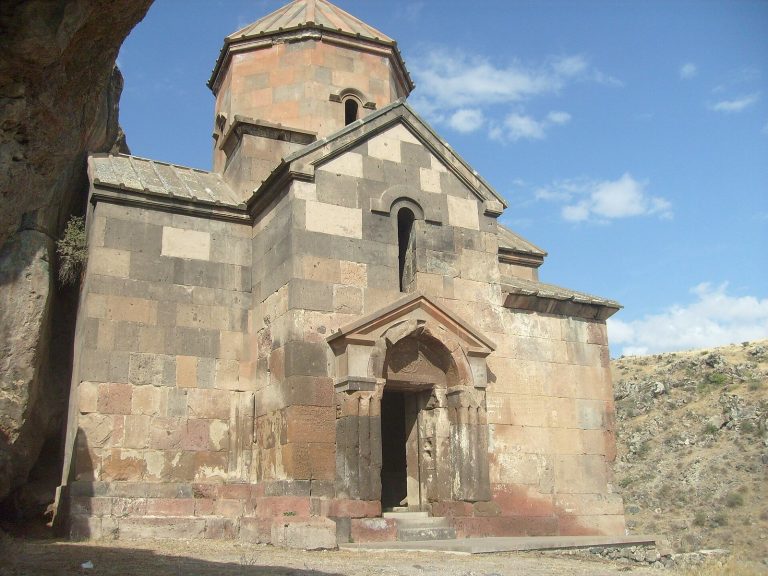
Vahramashen Church: An Eleventh-Century Armenian Church at Amberd
Site at a Glance
- Rating
- 4.8
- Popularity
- Very Low
- Country
- Armenia
- Primary era
- Medieval
- Eras represented
- Medieval
- Civilizations
- Armenian
- Site type
- Religious
- Remains
- Church
On this page5 sections
History
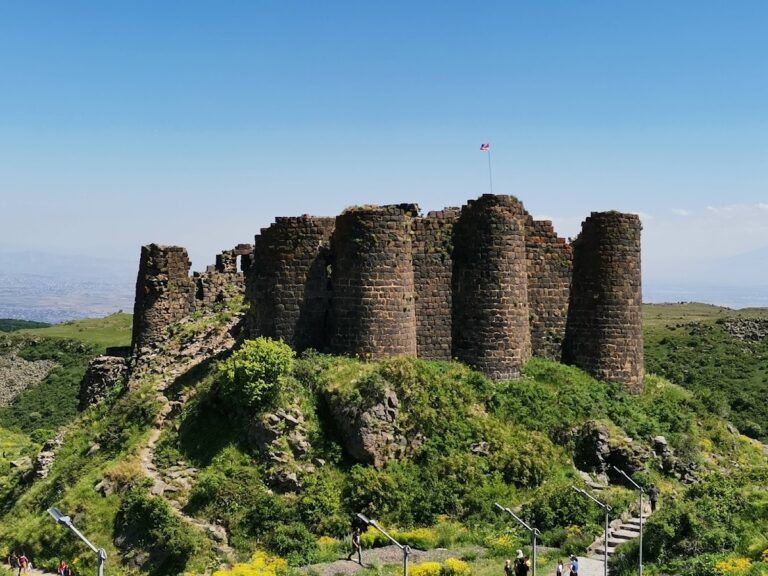
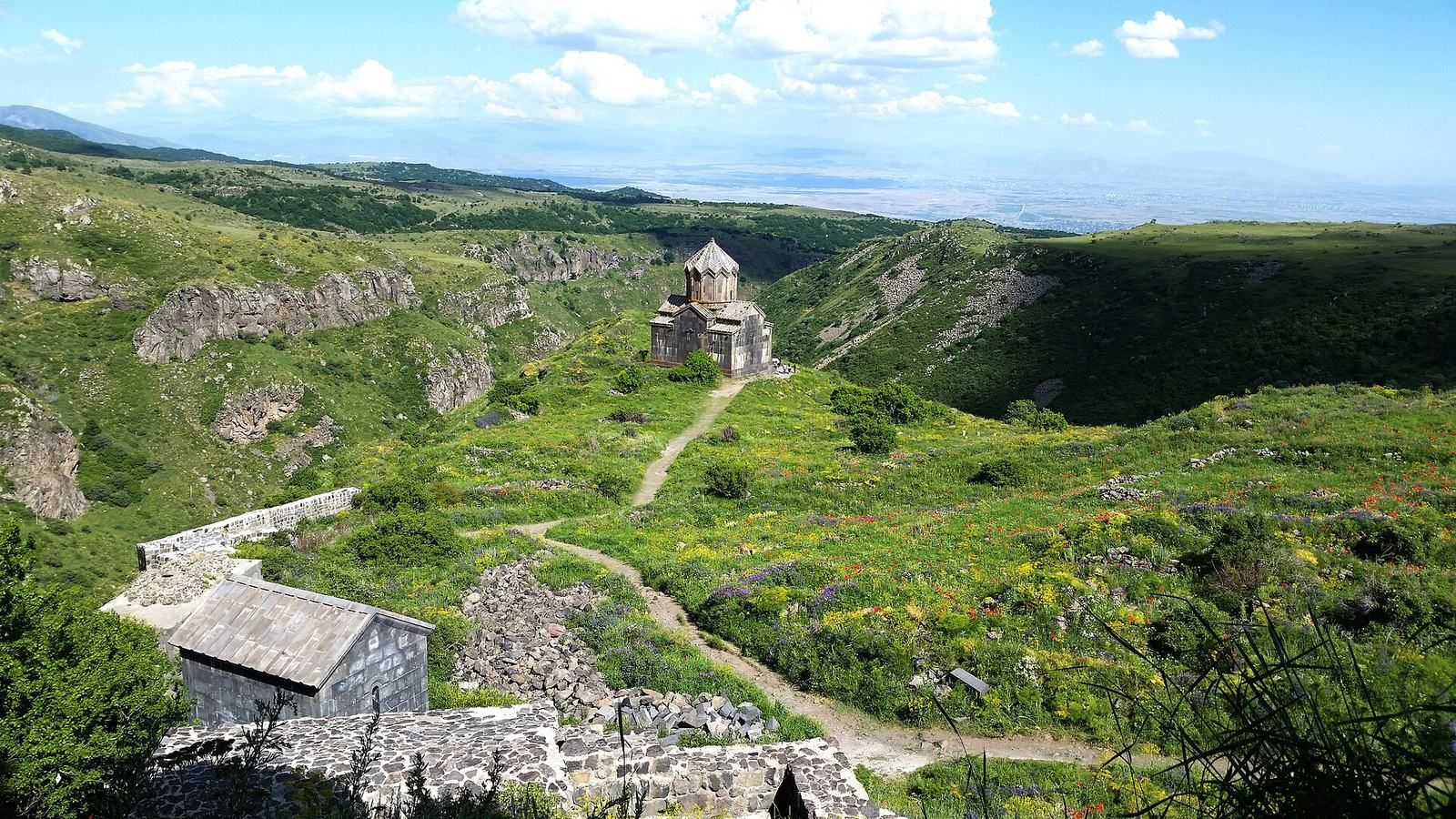
Vahramashen Church, also known as Amberd Church or the Church of the Holy Mother of God, is an eleventh-century Armenian church in Armenia, built by Prince Vahram Pahlavuni on the southern slopes of Mount Aragats within the Amberd fortress complex. It belongs to the Armenian Apostolic Church and is associated with the Diocese of Aragatsotn, the church jurisdiction serving the region.
Vahram Pahlavuni, a prince of the Armenian Pahlavuni noble family, commissioned the building. An inscription associated with the northern entrance states that construction was completed in 1026, placing the church firmly in the eleventh century. Another inscription by Vahram Pahlavuni sets out provisions concerning ecclesiastical taxes and other revenues. Although parts of its reading remain unresolved, the text indicates that agricultural produce, payments, and income connected with the church and nearby estates were subject to regulation.
The church was restored in 1936 and again in 1970. It is recognized as a cultural monument of Armenia and remains beside the ruins of Amberd Fortress, retaining both its religious association and its connection with the medieval fortress complex.
Remains
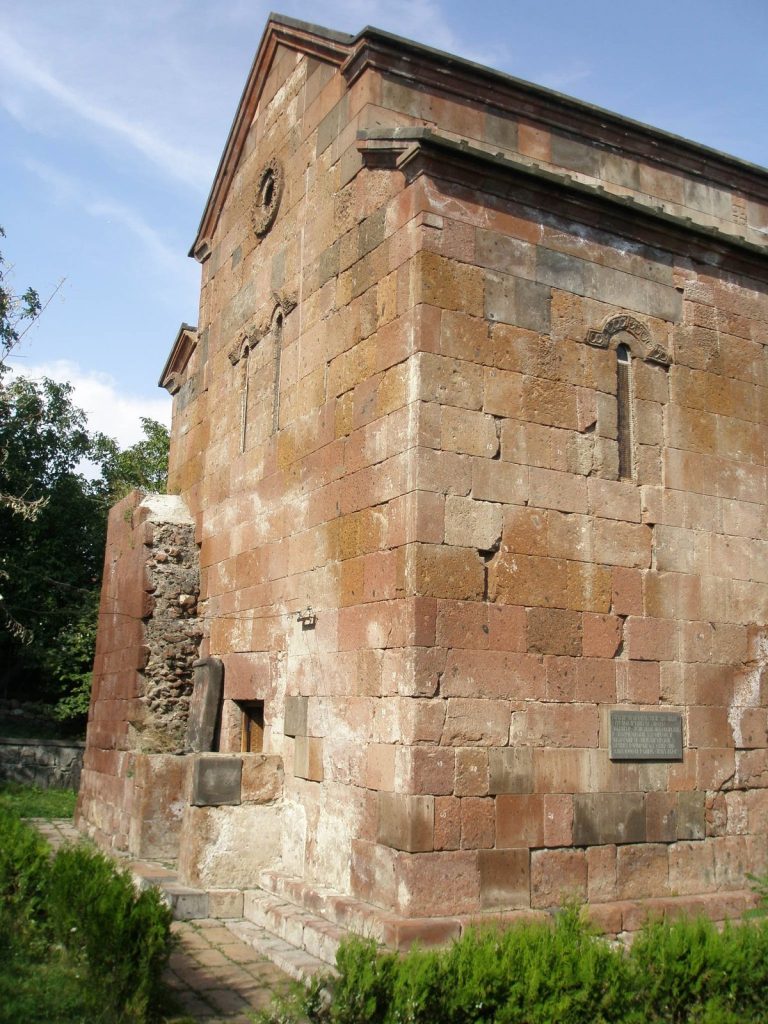
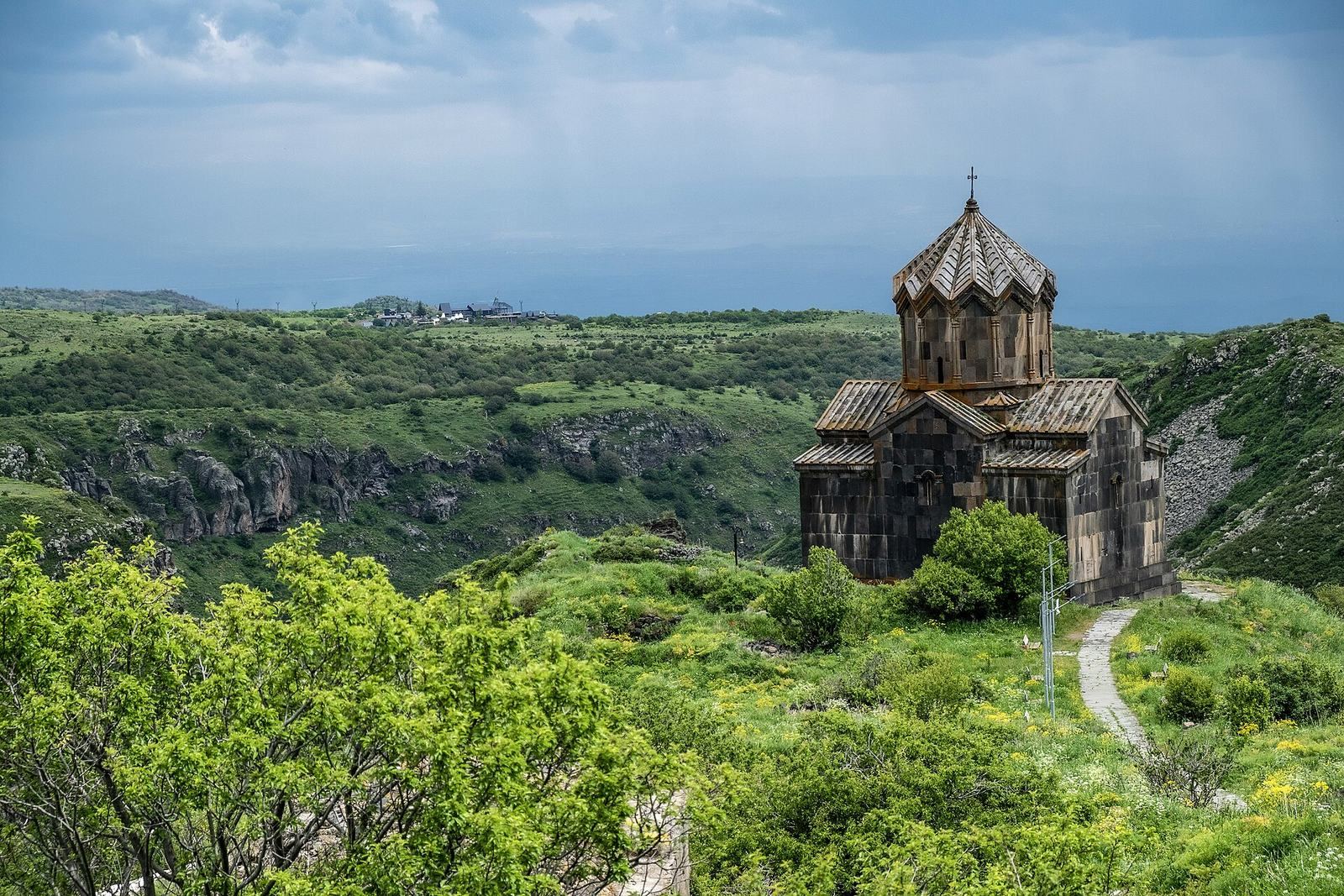
Built from local basalt, Vahramashen Church has a restrained exterior with carefully balanced proportions. Its outer shape is rectangular, while the interior forms a cross enclosed within that rectangle. Four small chambers fill the angles of the cross, and these chambers rise through two levels, an arrangement found among the early examples of this type. One arm ends in a semicircular apse, the rounded recess containing the altar.
Central structure and exterior
Dome and windows
Arches rising from the corners of the four corner chambers support a twelve-sided drum, the raised polygonal section beneath the dome. Above it is a conical, umbrella-shaped dome whose edges are decorated with pairs of narrow columns. Each exterior wall has one narrow window, while four further windows open at the base of the drum. The eastern facade contains a pair of vertical niches, whereas the other facades have a plain treatment.
Entrances and inscriptions
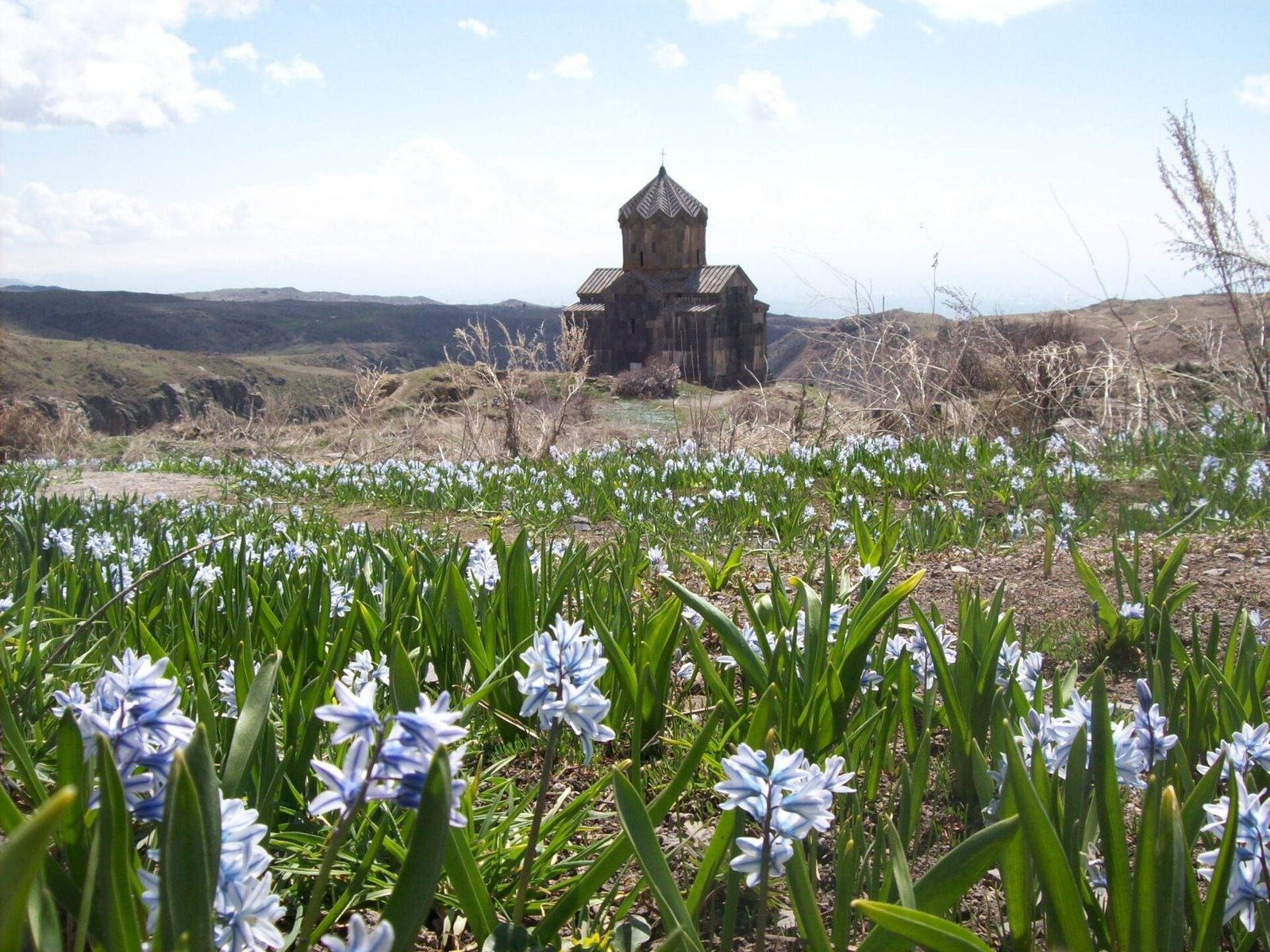
The southern facade has an arched entrance framed by bundled columns and a double arch. A second entrance opens through the northern wall. Inscriptions are preserved within the church, including the text recording completion in 1026 and the longer building and legal text connected with Vahram Pahlavuni. Clay storage jars were set into the roof fill in different parts of the structure, reducing the weight carried by the roofing. The church stands near the ruins of Amberd Fortress on the southern slopes of Mount Aragats.