Unitarian Church in Chilieni, Covasna: A Medieval Historic Monument in Romania


Site at a Glance
- Rating
- 4.4
- Popularity
- Very Low
- Country
- Romania
- Primary era
- Medieval
- Eras represented
- Medieval
- Civilizations
- Hungarian
- Site type
- Religious
- Remains
- Church
On this page6 sections
History
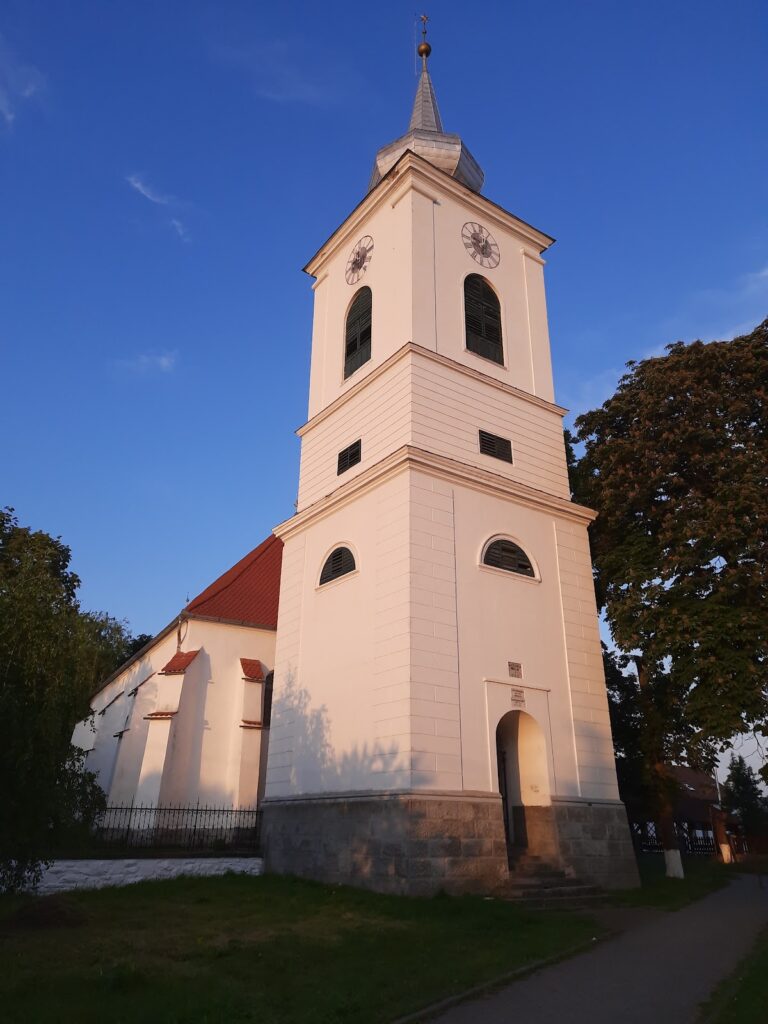
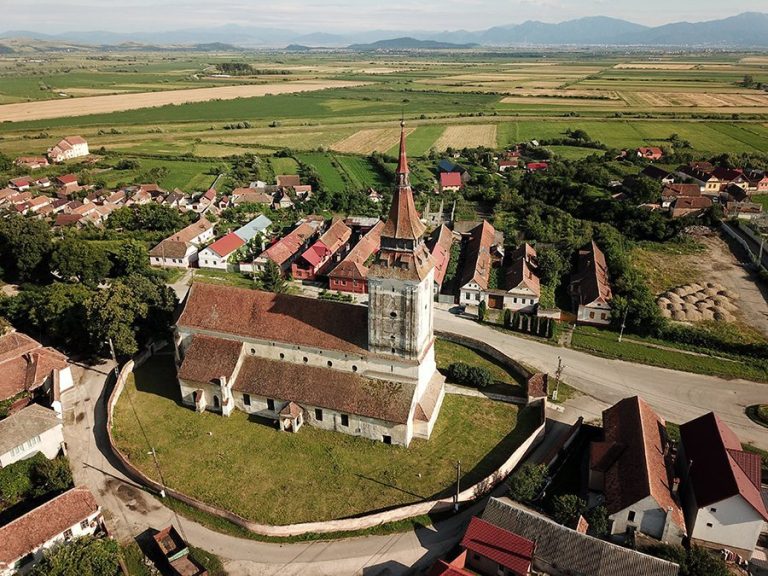
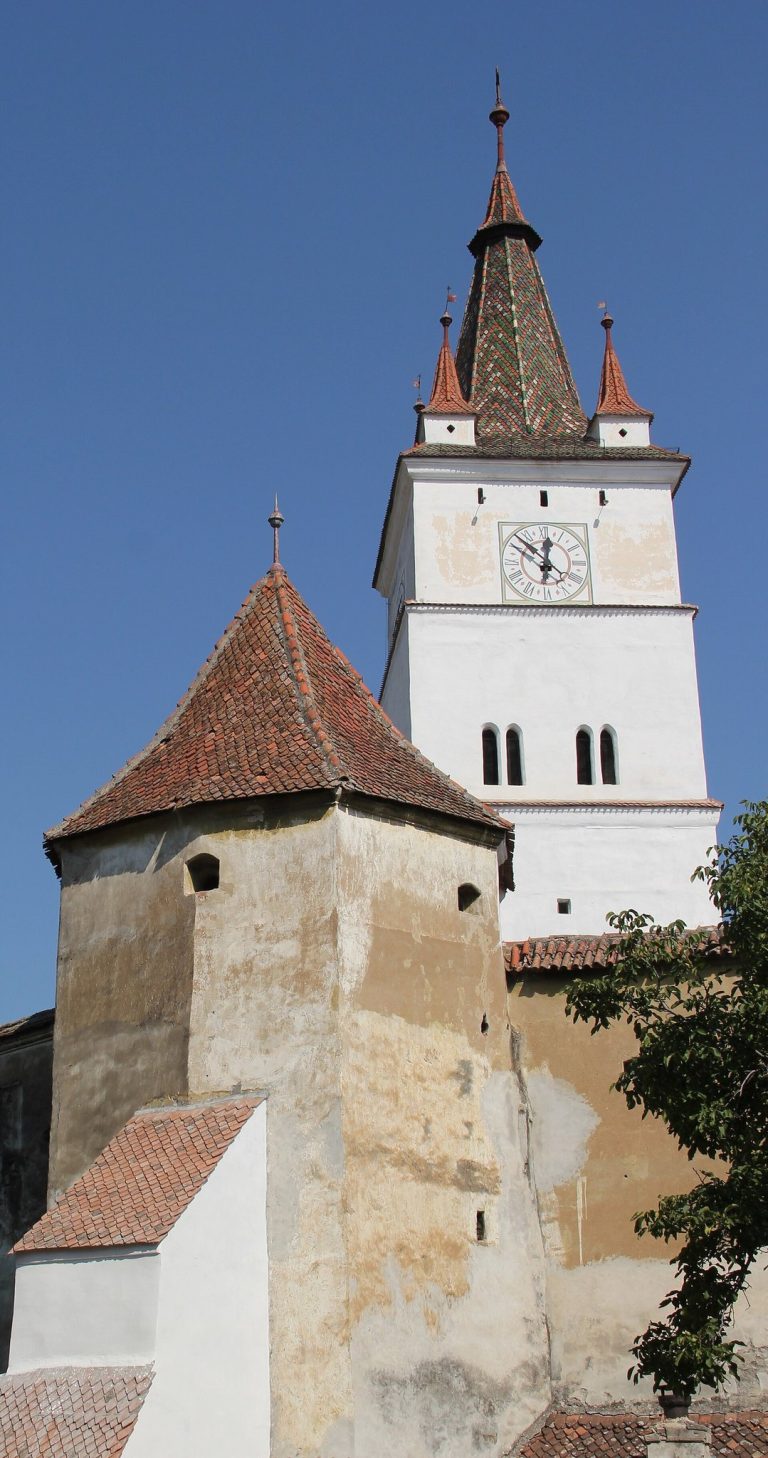
The Unitarian church in Chilieni, Covasna, is a historic church monument in Romania, in the village of Chilieni, part of the municipality of Sfântu Gheorghe. The settlement and its church were first recorded in 1334, when Johannes sacerdos de Kylien appeared in a papal register. The building originally served Roman Catholic worship and was dedicated to Saint Kilian, a Christian missionary and bishop traditionally associated with the conversion of parts of central Europe.
Confessional change
During the Protestant Reformation, a movement that reshaped Western Christianity, the church passed from Roman Catholic worship to the Reformed-Calvinist confession. Calvinism is a Protestant tradition associated with the teachings of John Calvin. In the final decades of the sixteenth century, the congregation adopted Unitarian worship, a Christian tradition that emphasizes the unity of God and rejects the doctrine of the Trinity.
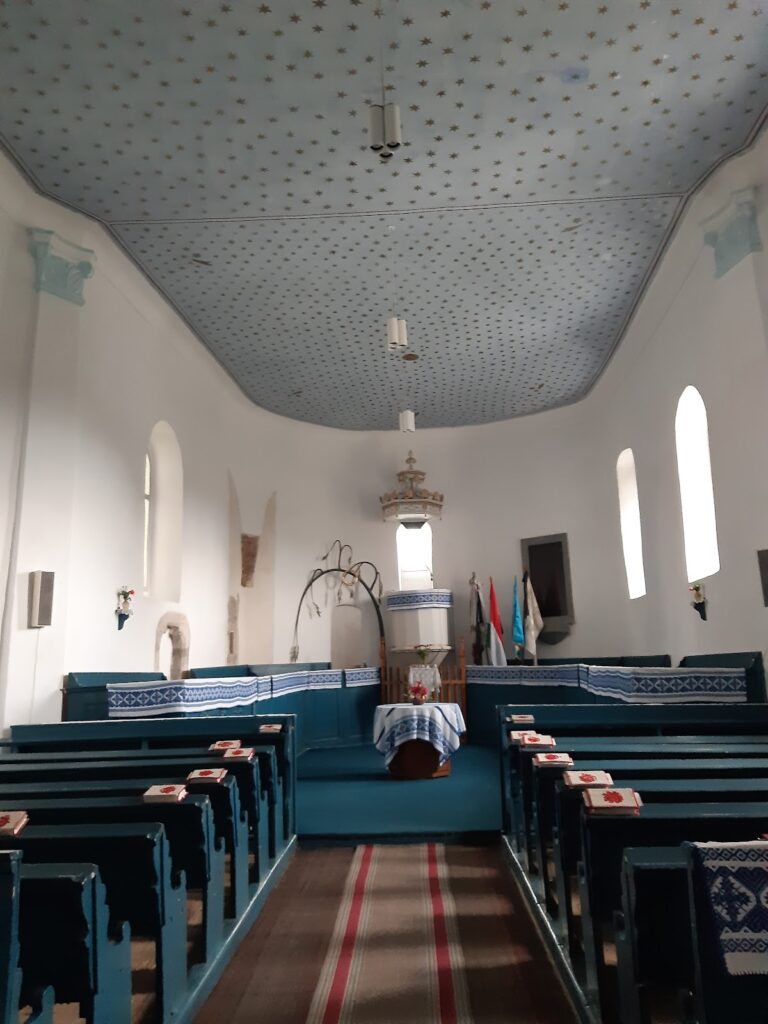
The changes in worship altered the treatment of the medieval interior. Wall paintings were covered with whitewash, while the medieval tabernacle, a receptacle for consecrated Eucharistic elements, was sealed within the masonry. In 2004 and 2005, the medieval frescoes were brought back to light. The church is included in Romania’s register of historic monuments under code CV-II-m-A-13193.
Remains
The surviving evidence combines medieval interior decoration with a medieval furnishing preserved within the church’s masonry. Together, these elements reflect the building’s earlier Roman Catholic use and the physical changes made during its later confessional history.
Medieval interior features
Wall paintings
Medieval frescoes survive on the church walls. A fresco is a painting made on plaster, traditionally while the plaster is still wet. The paintings were later concealed beneath whitewash and were brought back to light during work carried out in 2004 and 2005.
Sealed tabernacle
The church also retains its medieval tabernacle within the masonry. This receptacle was used to house consecrated Eucharistic elements before it was sealed during the period when the church changed from Roman Catholic worship to the Reformed-Calvinist and later Unitarian confessions.