Trebenna: An Ancient City in Lycia
Site at a Glance
- Popularity
- Medium
- Country
- Turkey
- Primary era
- Medieval
- Eras represented
- Classical, Medieval
- Civilizations
- Byzantine, Roman
- Site type
- City
On this page16 sections
History
Trebenna was an ancient city at Çağlarca, in Antalya, Türkiye, near the historical boundary between Lycia and Pamphylia. Its known history begins in the Roman period, and its regional and political affiliations changed over time.
Roman period
Third- and second-century BC evidence from the surrounding region concerns Typallia, south of Trebenna, which was then controlled by Termessos. Trebenna itself enters the known record later. Its earliest reference appears on the Stadiasmus Patarensis, a Roman monument listing roads and distances, dated to AD 45/46, during Emperor Claudius’s reign. Found at Patara, it recorded routes connecting that city with settlements in Lycia and named Trebenna among them.
In the early third century AD, funerary inscriptions place the settlement of Onobara within Trebenna’s territory. During the third century, Trebenna belonged to the Lycian League, a federation of cities in ancient Lycia. In AD 242, Emperor Gordian III granted the city the right to mint coins.
An inscription dated to AD 278/279 records Trebenna’s elevation to a Roman colony, a community with a distinct legal status within the Roman state. This change took place during the governorship of Terentius Marcianus, the Roman official responsible for administering the province of Lycia-Pamphylia.
Byzantine period and rediscovery
Under Byzantine rule, Trebenna became part of Pamphylia. Its surviving defenses and religious buildings reflect later phases of occupation.
Karol Lanckoroński visited Trebenna during a scientific expedition to Lycia in 1882, which examined ancient sites that were little known or studied. He published a brief description of the city in 1892.
Remains
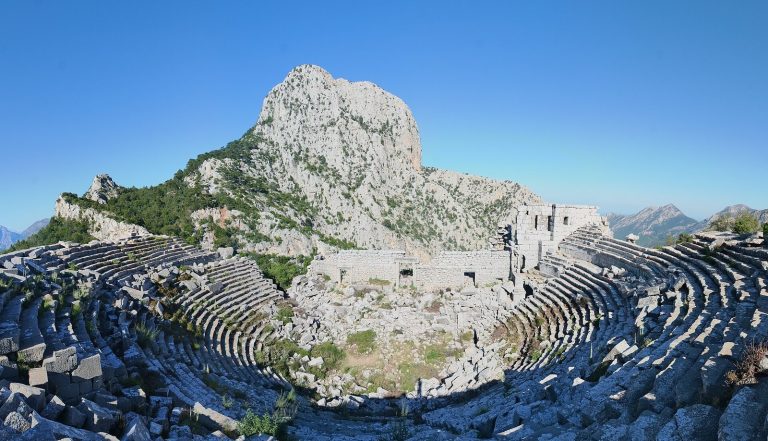
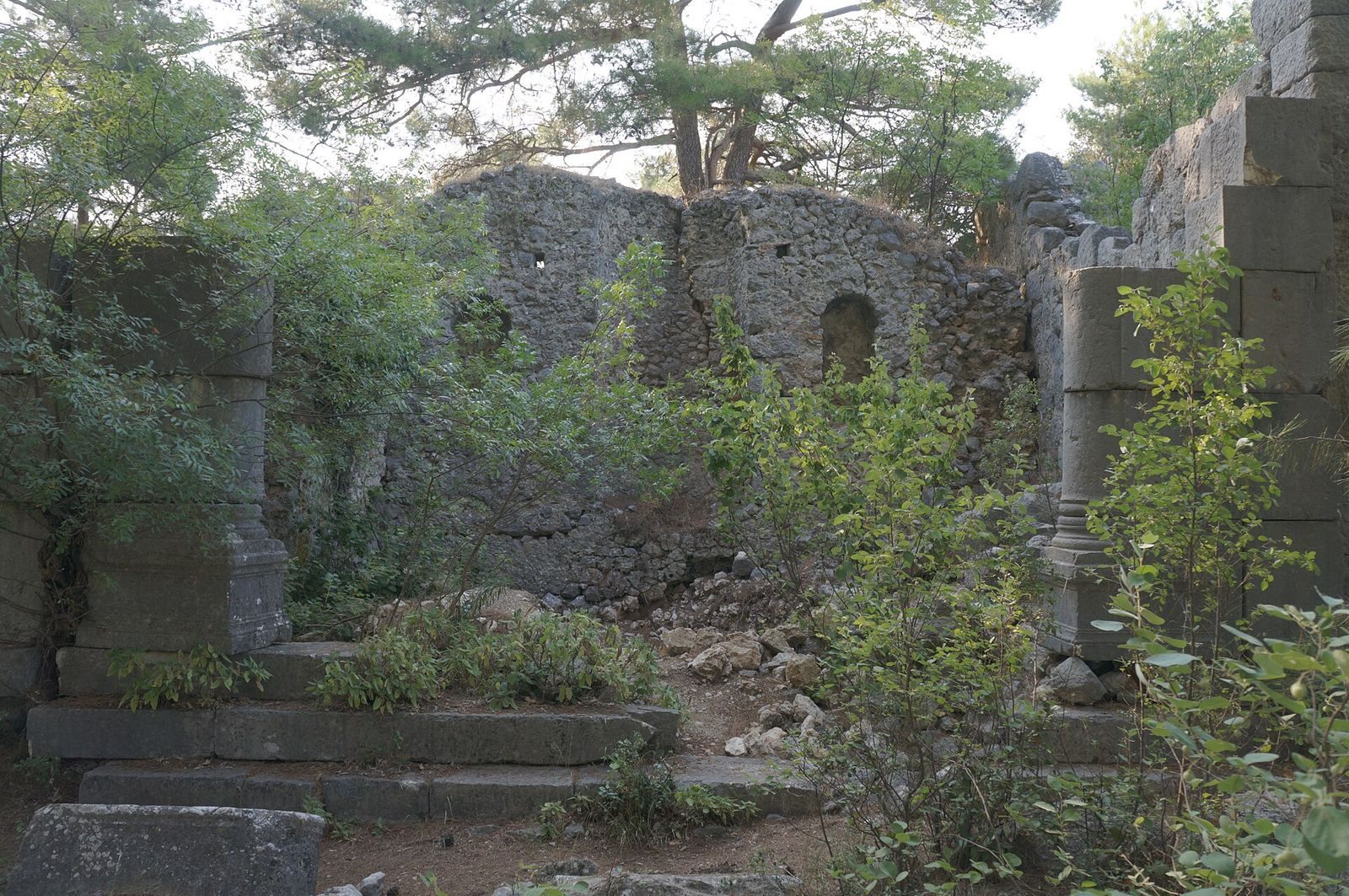
The remains extend across a broad area on a small hill and include Roman buildings and Byzantine structures. The site’s distinct areas include an acropolis, the city centre, a burial ground, and ground beyond the walls.
Settlement layout and defenses
Topography and urban areas
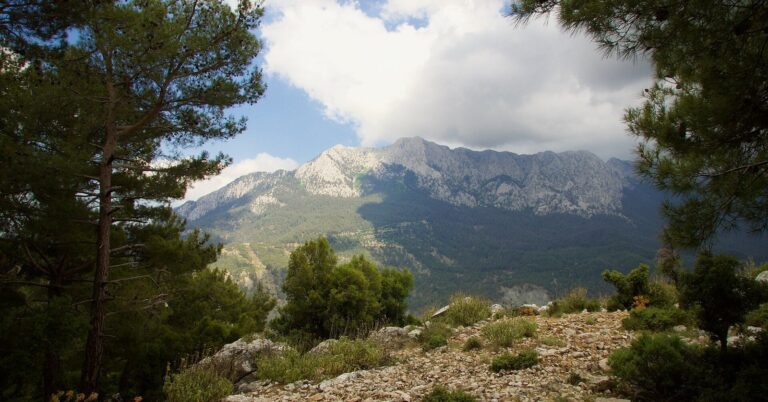
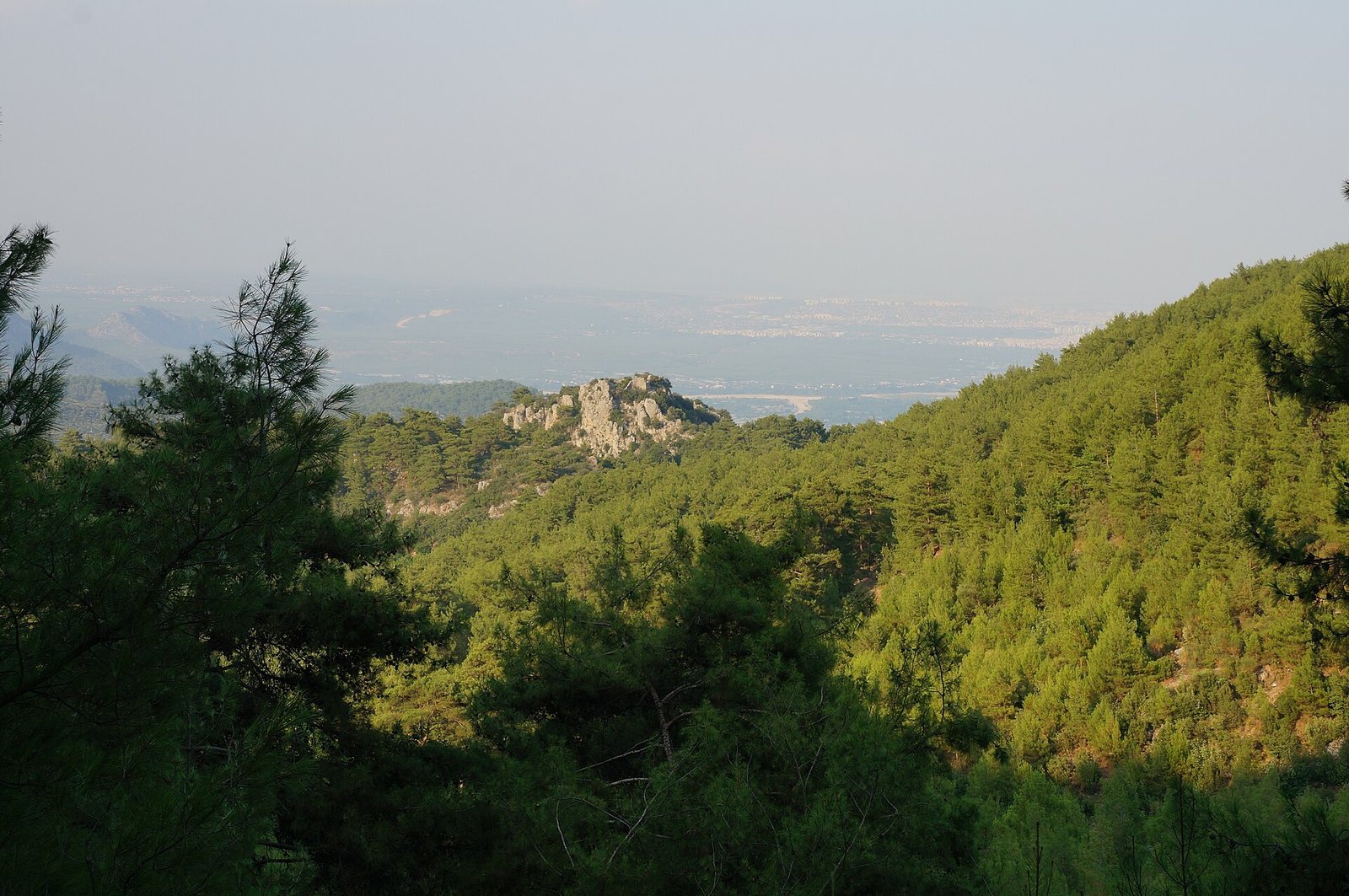
The hill is bounded to the south by the slopes of Sivridağ and to the north by the acropolis, the city’s elevated citadel. The ancient settlement spread across the space between them.
Walls and hilltop defenses
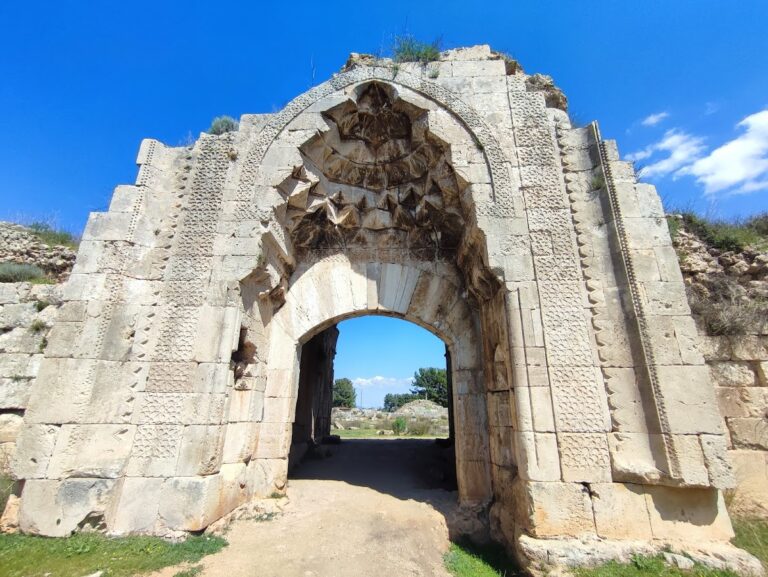
An early Byzantine wall encloses the city. Medieval fortifications occupy the hilltop on the northern spurs of Sivridağ, while the acropolis was added during the middle Byzantine period.
Buildings
Roman baths
The Roman baths covered 302 square metres, or 423 square metres including their walls. Their scale and quality were notable for a small city, and they were comparable to baths in major Lycian cities.
Early Byzantine basilica
Ruins of an early Byzantine basilica, a hall-shaped church, lie within the walled area.
Middle Byzantine church
A separate church near the acropolis is described as a single-room building and dates to the middle Byzantine period.
Inscriptions and finds
Inscriptions and sarcophagi
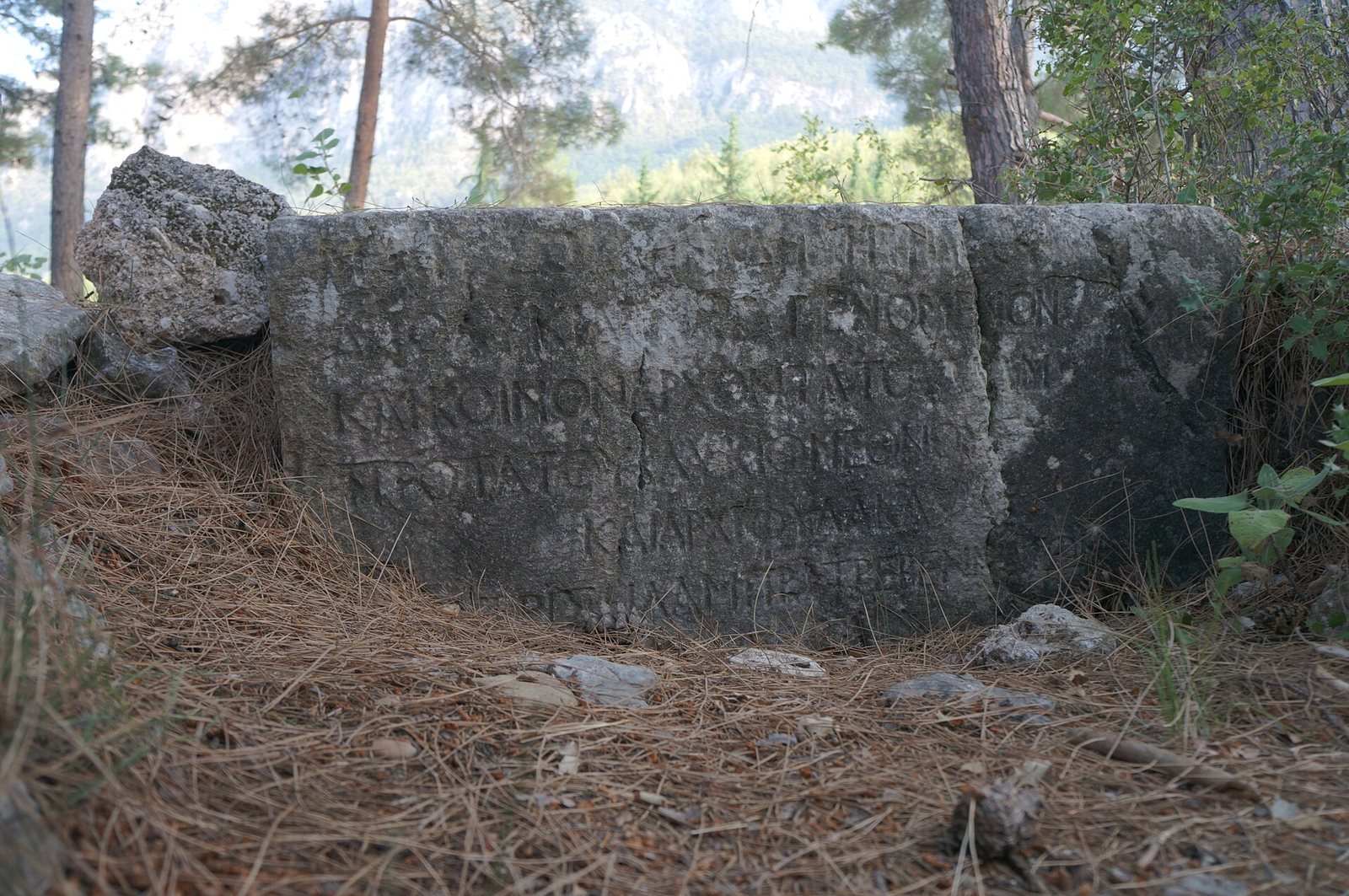
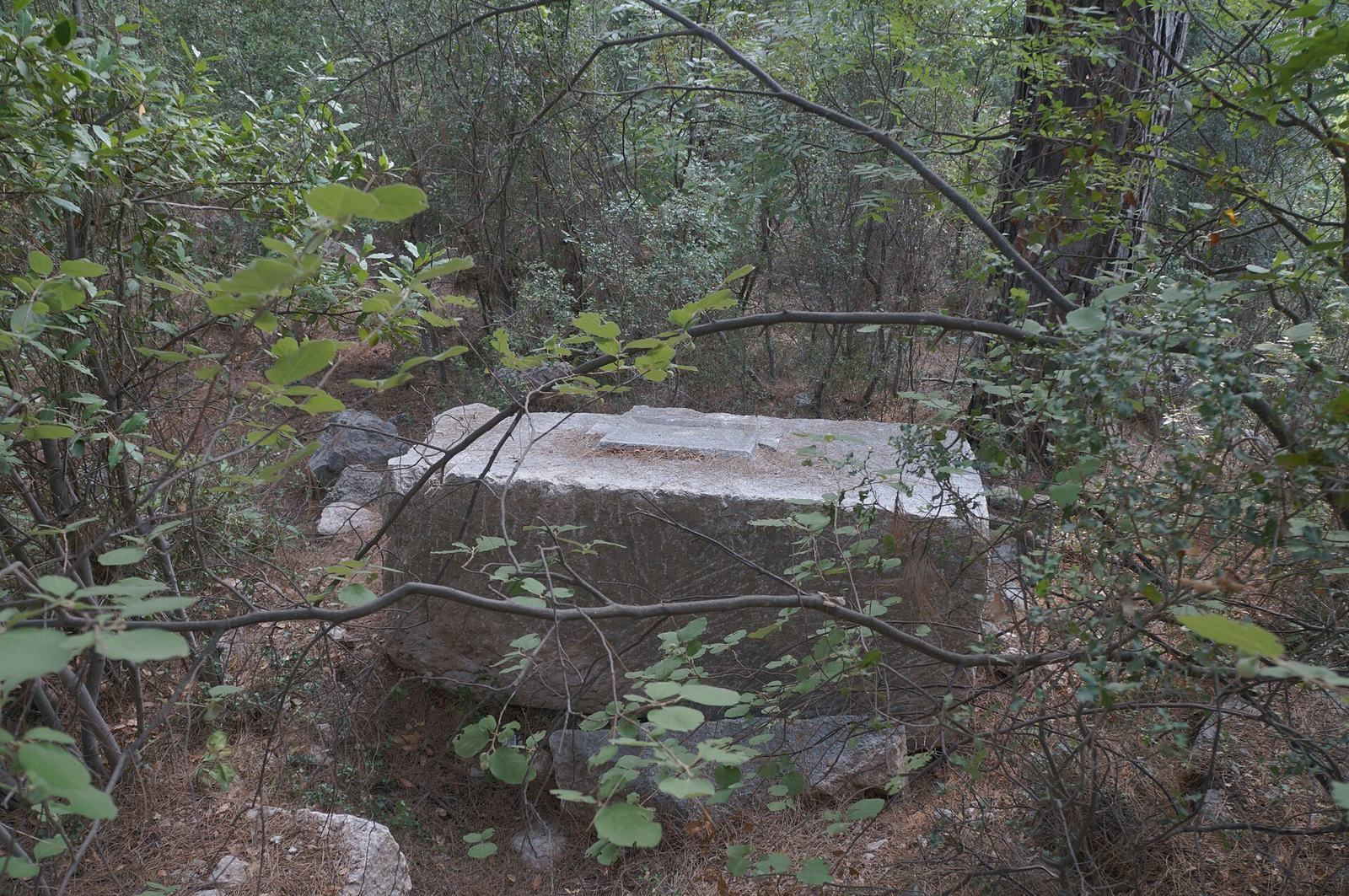
Greek inscriptions and sarcophagi have been found at Trebenna, including a vandalized sarcophagus. Fragments of inscriptions and sarcophagi survived at the site into the early twenty-first century.
Statue base for Hadrian
A base for a statue of Emperor Hadrian is dated to AD 129–138. Comparable statues were erected in cities Hadrian visited during his journey through the Asian provinces in AD 130–131.
Assembly building
A third-century building used for assemblies was dedicated to an emperor and to Solon, a local benefactor. The emperor’s name was erased from the inscription.
Coins
The coins excavated at Trebenna bear the image of Gordian III.