Thrumpton Hall: A Country House in the United Kingdom
Site at a Glance
- Rating
- 4.1
- Popularity
- Medium
- Country
- United Kingdom
- Primary era
- Early Modern
- Eras represented
- Medieval, Early Modern
- Civilizations
- English
- Site type
- Domestic
- Remains
- Elite Residence
On this page8 sections
History
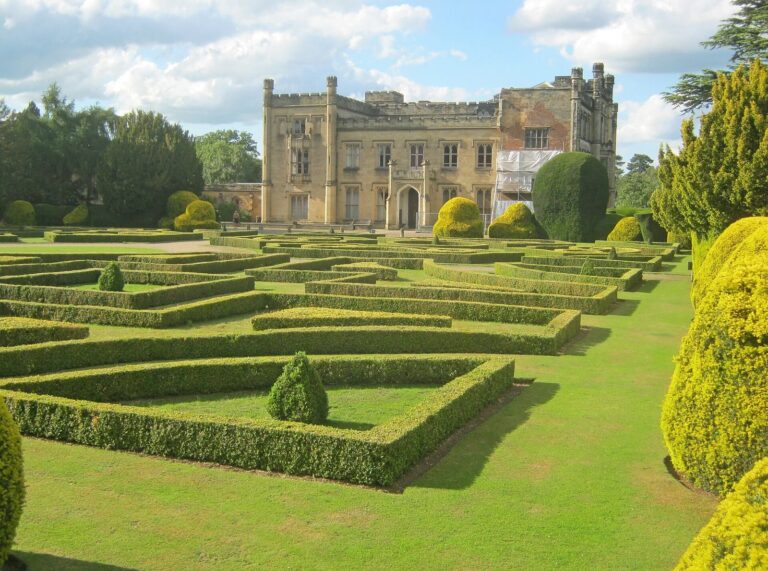
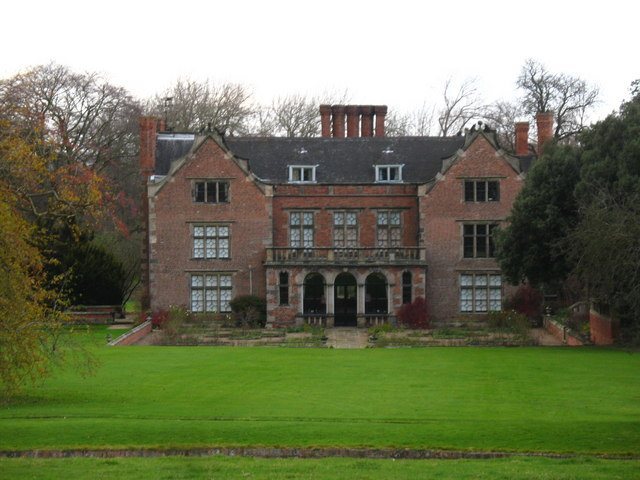
Thrumpton Hall is a country house in the village of Thrumpton, near Nottingham, in the United Kingdom. The Pigot family built its principal section in the early seventeenth century, and the main part was largely complete by 1617. The Hall is Grade I listed, England’s highest category of listed-building protection, reserved for buildings of exceptional interest.
The earlier house and the Pigots
Before the Pigots built the Hall’s principal section, the Roman Catholic Powdrell family lived in an earlier house at Thrumpton. The family was evicted after the Babington Plot, a late-sixteenth-century conspiracy against Queen Elizabeth I that aimed to put Mary, Queen of Scots, on the English throne.
In the 1660s, Gervase Pigot, son of the builder, altered and improved the Hall.
Emerton and Wescomb ownership
In 1685, the estate passed from Gervase Pigot’s son to John Emerton, who owned it until 1745. It then passed to John Wescomb Emerton, who held it until 1823, followed by John Emerton Wescomb, owner from 1823 to 1838. The Reverend William Wescomb subsequently owned Thrumpton.
John Wescomb Emerton commissioned changes in the late eighteenth century. Further alterations were made around 1830 for John Emerton Wescomb.
The Byron family
The Byron family owned Thrumpton for about a century. George Byron, 8th Baron Byron, married Lucy Wescomb in 1843. Her father, the Reverend William Wescomb, was the last man of his family to own the Hall. George Byron, 9th Baron Byron, held the estate from 1870 until 1917. As he had no children, it passed to his brother Frederick, 10th Baron Byron, who owned it from 1917 to 1949.
Frederick Byron had served as Vicar of Thrumpton in 1914 and was also Vicar of Langford in Essex. Inheriting the estate made him a “squarson,” a person who combines landownership with the work of a parish clergyman. Byron descendants lived at the Hall. Ada Lovelace, daughter of the poet Lord Byron and a mathematician and writer, visited relatives at Thrumpton from her mother’s home at Kirkby Mallory. These visits were connected with trips to Newstead Abbey after it had left Byron ownership.
Remains
Architecture and interiors
The house and principal rooms
The Hall incorporates a substantial part of an older house alongside its principal section, which is built of rose-coloured brick. Its rooms include a library, a medieval kitchen, a baronial hall, and a reception room twice as long as it is wide and high. The house also contains a priest hole, a concealed space used to hide a Catholic priest during periods of persecution.
Staircase and collections
A cantilevered staircase of Jacobean design is carved from wood from the estate. Its carved decoration includes the coats of arms of the Pigot family and the earlier Powdrell owners. The Hall also contains portraits, furniture, needlework and relics associated with George Gordon Byron, the poet known as Lord Byron.