Temple of Mercury at Baalbek: A Roman Religious Site in Lebanon
Site at a Glance
- Rating
- 4
- Popularity
- Very Low
- Country
- Lebanon
- Eras represented
- Classical
- Civilizations
- Roman
- Site type
- Religious
- Remains
- Temple
History
The Temple of Mercury was situated near Baalbek, a town in the northern Bekaa valley of present-day Lebanon. In antiquity, Baalbek was known as Heliopolis and was a prominent religious center within the Roman Empire. The temple was part of a larger sanctuary complex famous for its grand temples dedicated to Jupiter, Bacchus, and Venus. Unlike these major structures, the Temple of Mercury was smaller and more isolated, located on Sheikh Abdallah Hill just outside the main sanctuary area.
The temple is primarily known from Roman imperial coins issued during the reign of Emperor Philip the Arab, who ruled from 244 to 249 CE. These coins depict the temple, confirming its existence and religious significance during the mid-3rd century CE. This period reflects the temple’s active use within the Roman religious landscape of Baalbek.
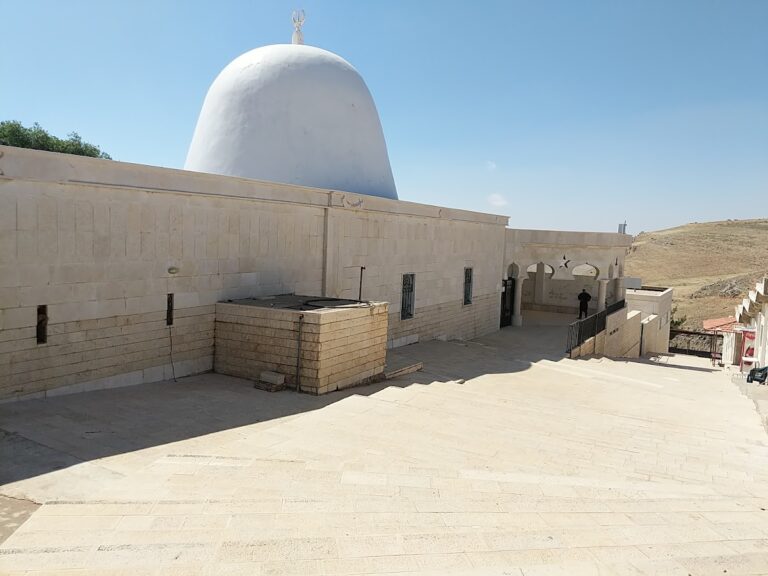
Over time, the temple fell out of use and was partially dismantled. Stones from the structure were repurposed for construction in a nearby Muslim shrine, indicating a shift in religious and cultural practices in the region.
Remains
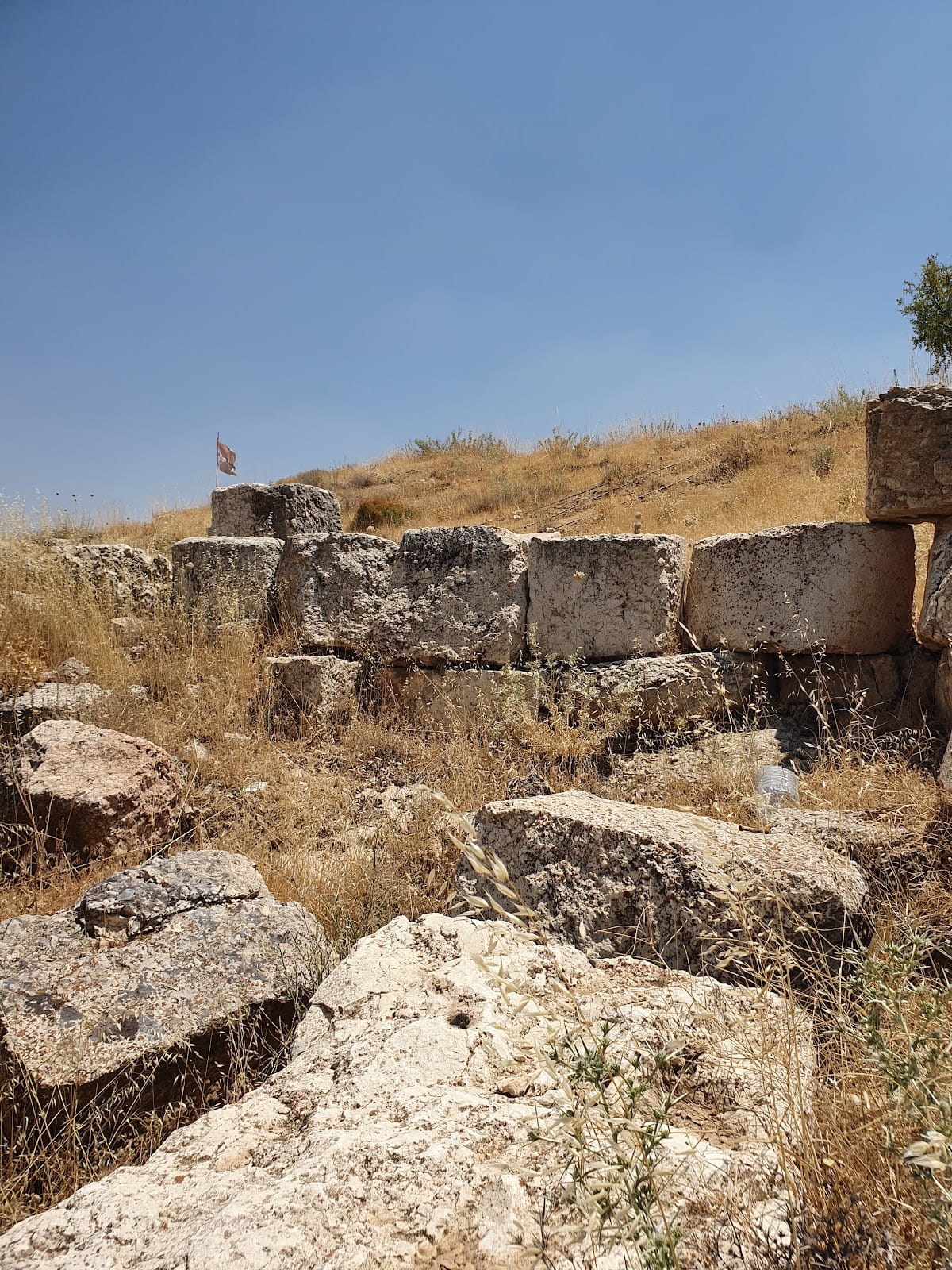
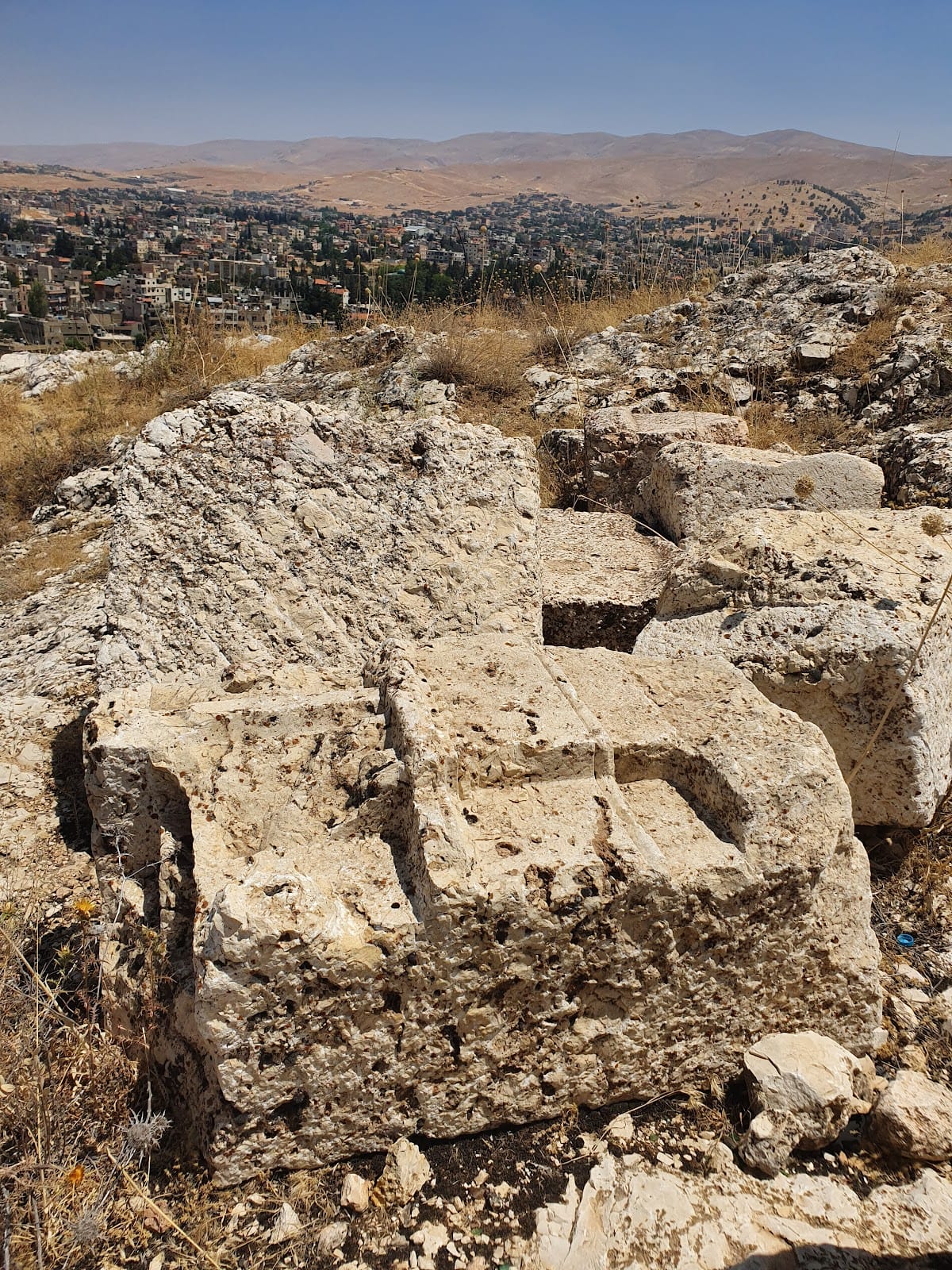
Only limited physical remains of the Temple of Mercury survive today. The most visible feature is a flight of stairs located on Sheikh Abdallah Hill, southwest of Baalbek’s main sanctuary complex. These stairs mark the approach to the temple’s former location, which is believed to have stood on the hill’s summit just beyond the current remains.
The temple’s exact layout and size remain unknown due to the lack of surviving structural evidence.