Hosn Niha Site: Roman Temples and a Medieval Fortification in Lebanon
Site at a Glance
- Rating
- 4.7
- Popularity
- Very Low
- Country
- Lebanon
- Primary era
- Classical
- Eras represented
- Classical, Medieval
- Civilizations
- Byzantine, Roman
- Site type
- Religious
- Remains
- Sanctuary
On this page16 sections
History
Hosn Niha Site is a Roman archaeological complex near Niha in Lebanon, close to the Bekaa Valley. The Roman sanctuary developed between the first and third centuries AD, when the area formed part of Pagus Augustus, a Roman settlement or administrative district named for Augustus, Rome’s first emperor. The complex served a cult or local tribal community during the Greco-Roman period and later became a small defensive fortification.
The Roman sanctuary
The site extends for about 550 meters along the lower slopes, while its temples stand at elevations of approximately 1,350 to 1,400 meters. Four Roman temples belonged to the wider complex. Two stood at the edge of modern Niha, and two others were located about 2 kilometers higher at Hosn Niha. The smaller temple has been associated with the deity Hadarams. The larger temple was linked with Atargatis, a Syrian goddess described here in connection with beauty and wine, represented in human form under the protection of the virgin queen Oshima.
The sanctuary included rooms for cult activities, communal sleeping rooms, and spaces used for sacrifices and rituals. Altars decorated with bull-head and garland motifs support the interpretation that animal sacrifice formed part of religious practice. The larger room, with the largest altars, has been understood as the space of a male deity, while a smaller adjoining room may have belonged to that deity’s companion.
Medieval transformation and abandonment
Architectural evidence shows that the high sanctuary was later adapted into a small defensive stronghold. The Arabic word hosn means “fort,” and the name Hosn Niha reflects this medieval use. The Roman settlement was eventually abandoned after the Arab conquest of the region. Pottery places the end of occupation by about the seventh century AD.
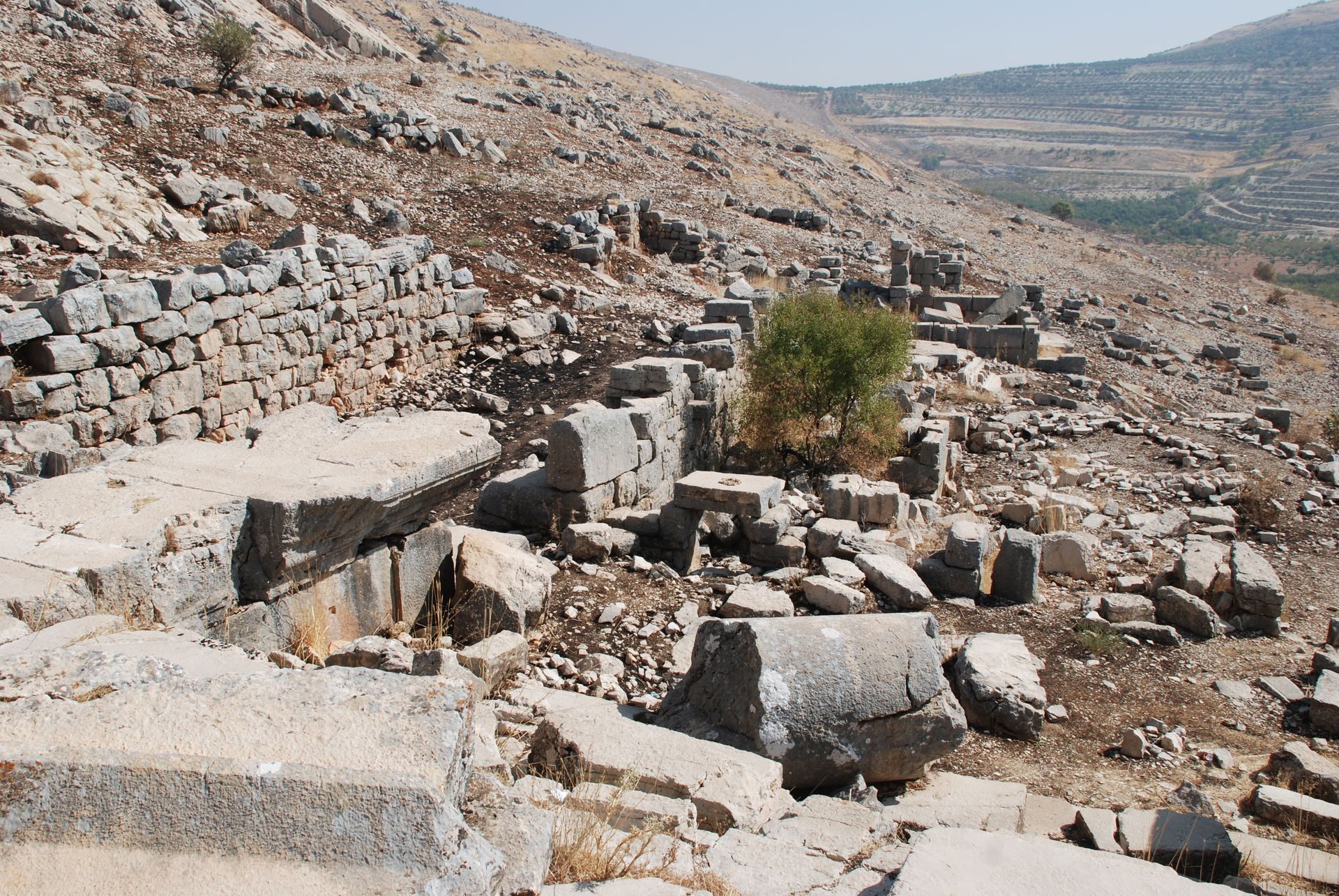
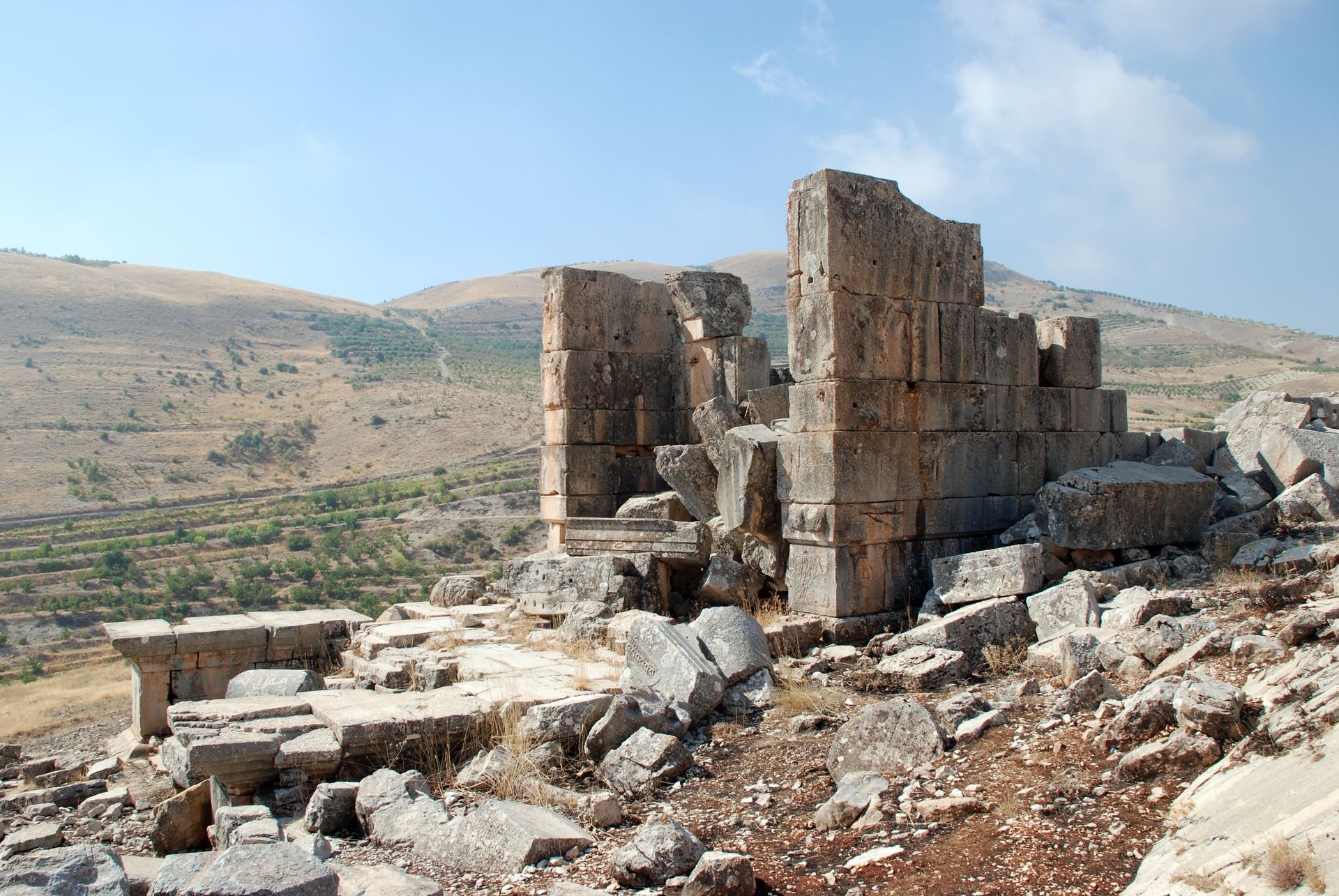
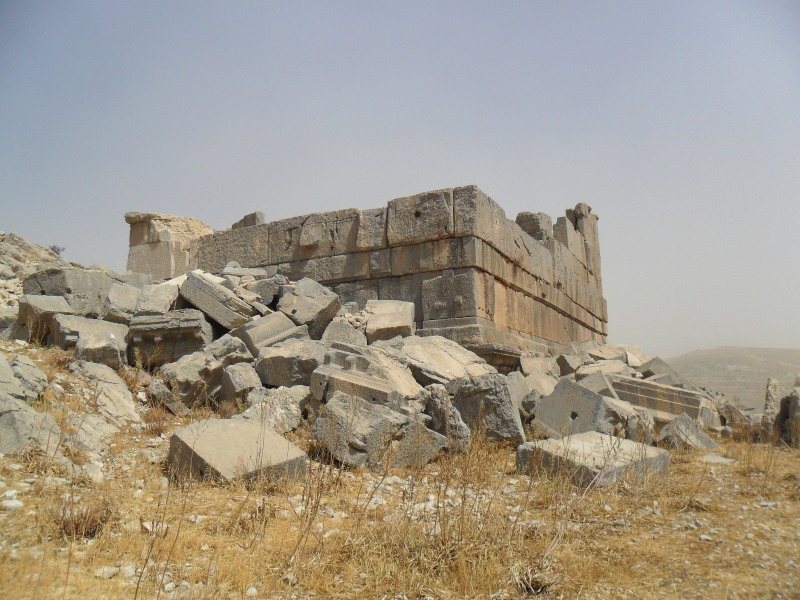
Much of the site and its buildings were damaged or destroyed during the Lebanese Civil War. The two temples at Hosn Niha remain ruins and have not been restored. During the 2024 Israeli invasion of Lebanon, UNESCO granted enhanced protection to the temple as part of a group of 34 Lebanese cultural sites.
Investigation and archaeological interpretation
The earliest written references to Hosn Niha come from nineteenth-century European travelers. Later investigations by the anthropologist Jean Yasmine examined the tombs and sanctuary architecture, mapped the internal layout, surveyed the surrounding landscape and surviving buildings, and identified residences in the village. These investigations also revealed additional tombs and the remains of a building called La Grande Residence.
Hosn Niha has drawn scholarly attention because of the number and variety of its tombs. Their differing forms have been interpreted as possible evidence of social ranking within the community. Pottery fragments dated by Yasmine to the first century AD have also contributed to interpretations of the inhabitants and the Greco-Roman occupation. The discoveries at La Grande Residence, which included numerous valuable pottery artifacts, have informed hypotheses about the values and beliefs of the people who lived at the site.
Remains
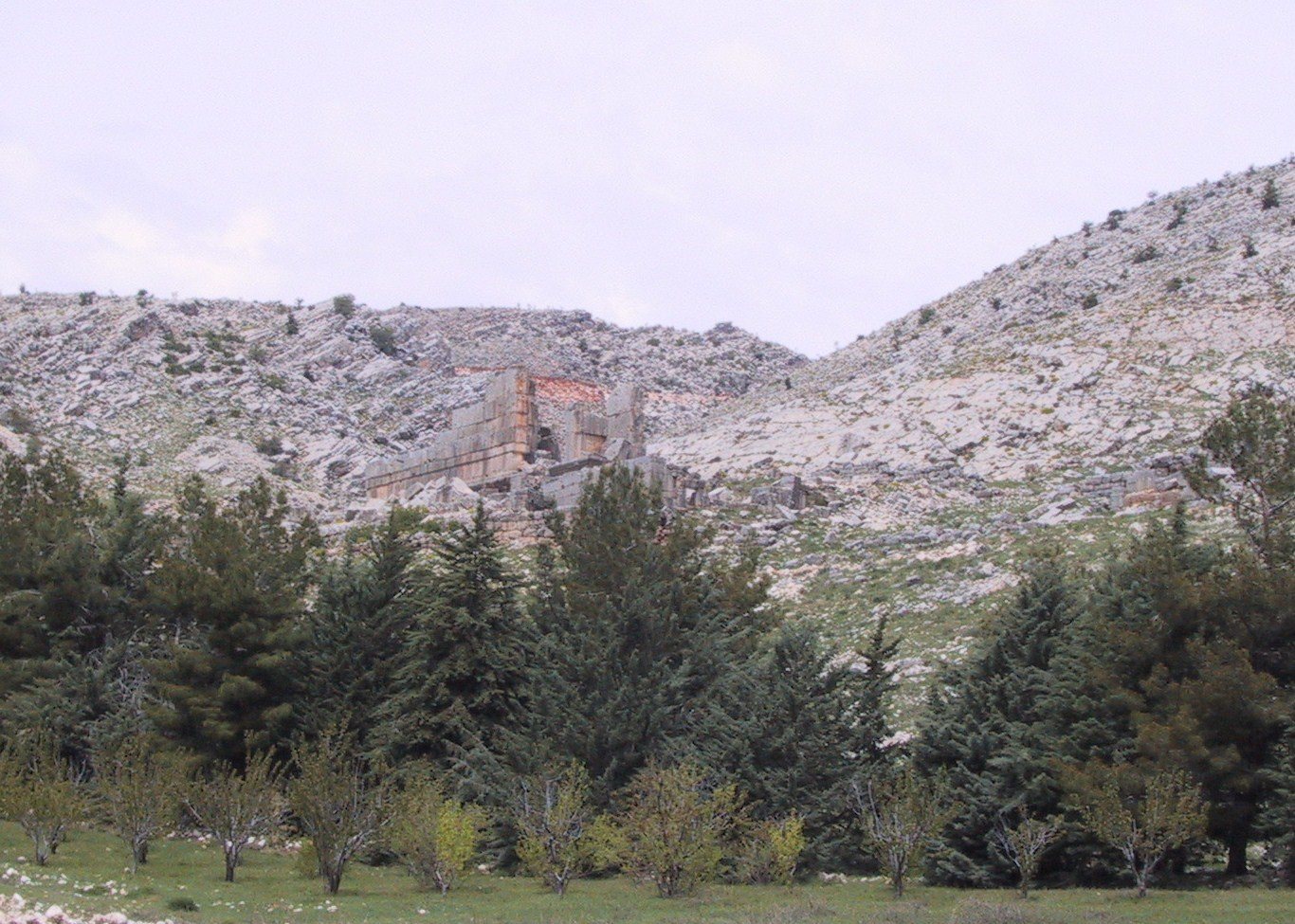
Hosn Niha lies at the foot of a steep slope near the Bekaa Valley, surrounded by agricultural fields that remain in use. The slope shelters the village while receiving substantial sunlight. A river once supplied the inhabitants with water, and a spring was found near the sanctuary. The high position was exposed to severe winter cold and heavy snowfall, conditions that may have obstructed ancient trade routes leading to and from the sanctuary. An ancient route followed the valley eastward toward Niha.
Sanctuaries and later church
Upper Great Temple
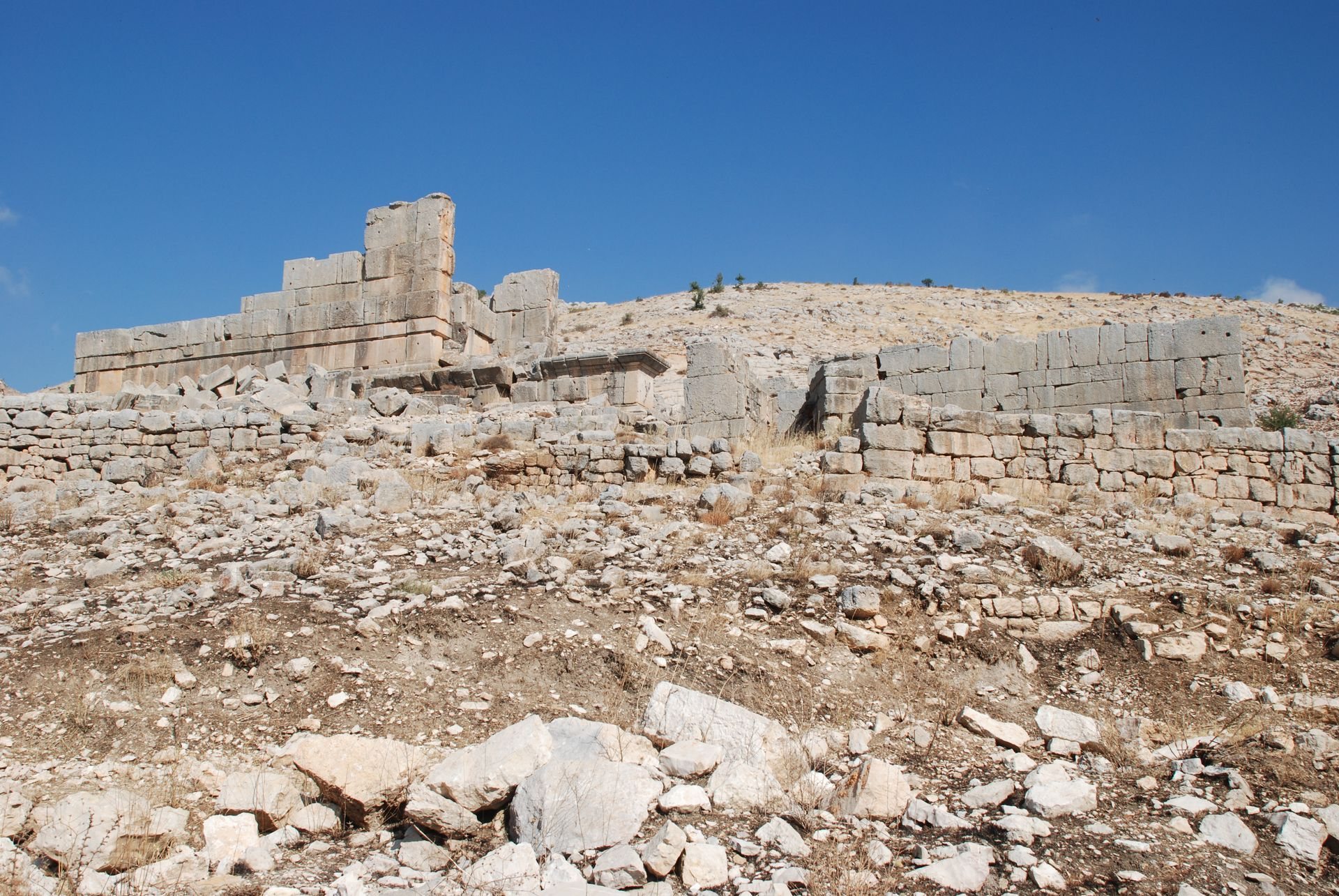
The Upper Great Temple, also called the fortress temple, stands on an east-facing podium. Its plan consists of a four-column portico, a cella or main enclosed temple room, and an elevated adytum, a restricted sacred chamber. Most of the walls survive, although the columns have fallen. An altar once stood in front of the temple.
Byzantine basilica
The altar area was destroyed when a Byzantine basilica was built over it. The basilica followed a three-nave plan, with three long interior divisions, and ended in a semicircular apse at the east. The lower parts of its walls remain visible.
Lower Small Temple
The Lower Small Temple faces south. A stairway, now largely destroyed, led to a two-column portico and then into a small cella. A small terminal niche inside the cella once held a statue of a deity.
Double sanctuary
The double sanctuary contains communal sleeping rooms and additional spaces for sacrifices and other rituals. Several altars carry bull-head and garland designs. Its largest room contains the largest altars and has been interpreted as the room of a male deity. A smaller attached room may have been intended for the deity’s companion or partner.
Burial areas
Rock-cut and communal tombs
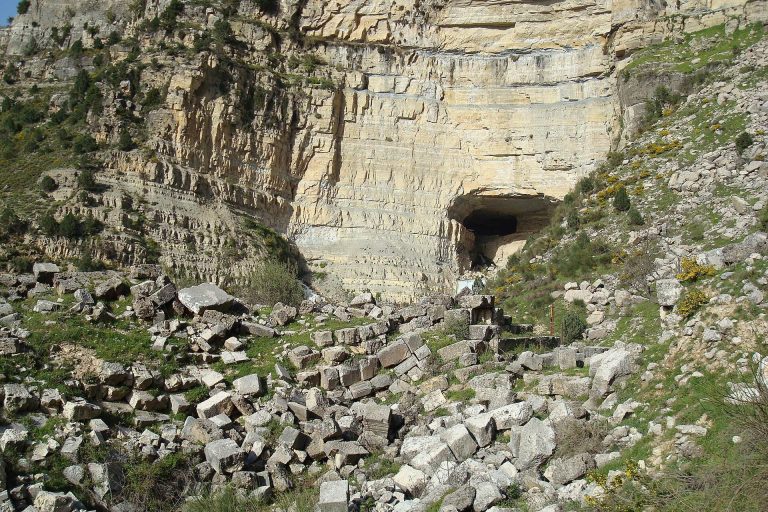
Rock-cut tombs are the most common burial form identified at Hosn Niha. Many have built-in entrances that allowed offerings to be presented to the dead. The burial remains include communal and individual tombs, as well as stone sarcophagi. Valuable objects were removed by looters before the site became an active archaeological area.
Cist tombs
Cist tombs, formed from stone slabs or stone-lined chambers, occur in closely arranged groups. Their layout has been interpreted as possible evidence that members of the same family were buried together. A nearby cemetery and additional groups of tombs form part of the wider funerary landscape.
Settlement remains
La Grande Residence
The remains of La Grande Residence were identified among the buildings within the site. Numerous pottery artifacts were recovered there, adding material evidence for the domestic life and beliefs of the people associated with Hosn Niha.
Village and quarry area
A smaller sanctuary and two large quarries stood nearer the village of Niha. The wider site also contains pottery fragments and other ancient building remains. Disturbances caused by external forces brought some pottery fragments to the surface, where they contributed to the study of the Roman occupation.