Temple of Al-Lat: A Palmyrene Sanctuary in Syria
Site at a Glance
- Popularity
- Medium
- Country
- Syria
- Primary era
- Classical
- Eras represented
- Classical
- Civilizations
- Roman
- Site type
- Religious
- Remains
- Temple
On this page5 sections
History
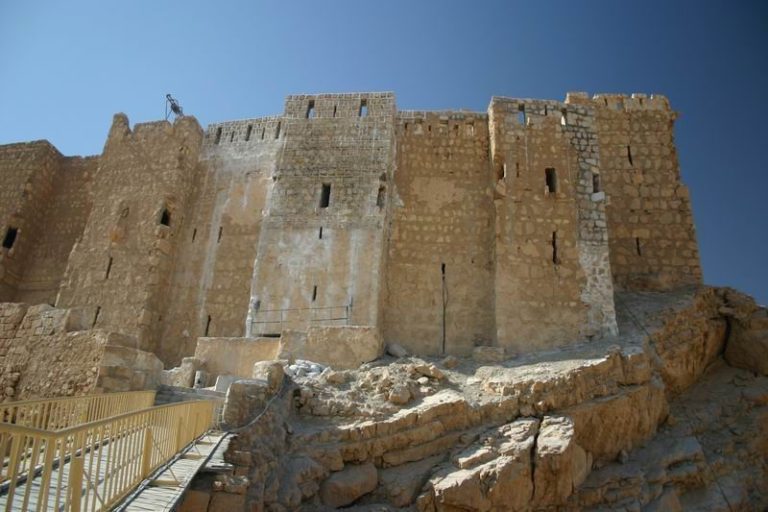
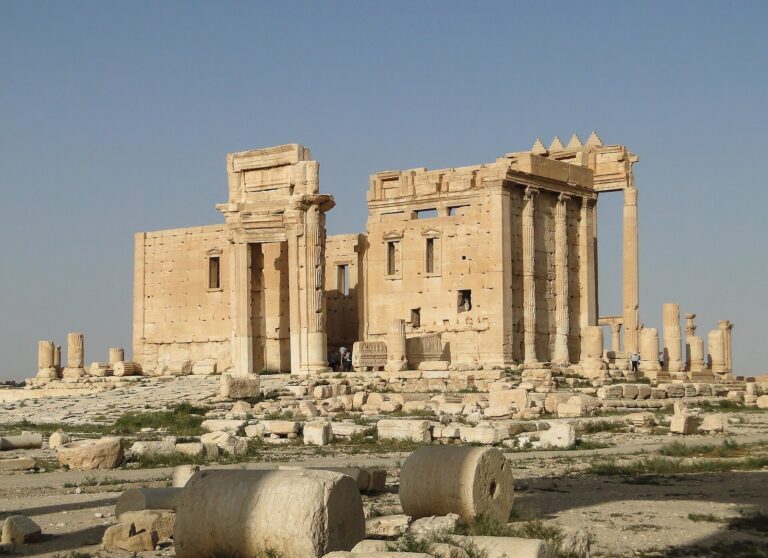
The Temple of Al-Lat was a Palmyrene sanctuary in Palmyra, Syria, built in AD 123 and dedicated to the Arabian goddess Al-Lat. Taimarsu, a citizen of Palmyra, dedicated the sanctuary sometime between AD 123 and 164. In the religious understanding of the period, Al-Lat was identified with Athena, the Greek goddess associated with wisdom and warfare.
Closure under Roman rule
Between 25 May 385 and 19 March 388, a Roman campaign against pagan worship led by Maternus Cynegius, the senior imperial official in the East, closed the temple. The campaign destroyed its altar and decapitated the cult statue, crushing the center of its face. Votive coins indicate that the sanctuary was still in use when it was destroyed. Unlike other temples in Palmyra, it was not converted into a church and was left to decay.
The temple forms part of the UNESCO-listed Site of Palmyra, inscribed in 1980 under criteria i, ii, and iv. The site has been listed as endangered since 2013.
Remains
Stone structure
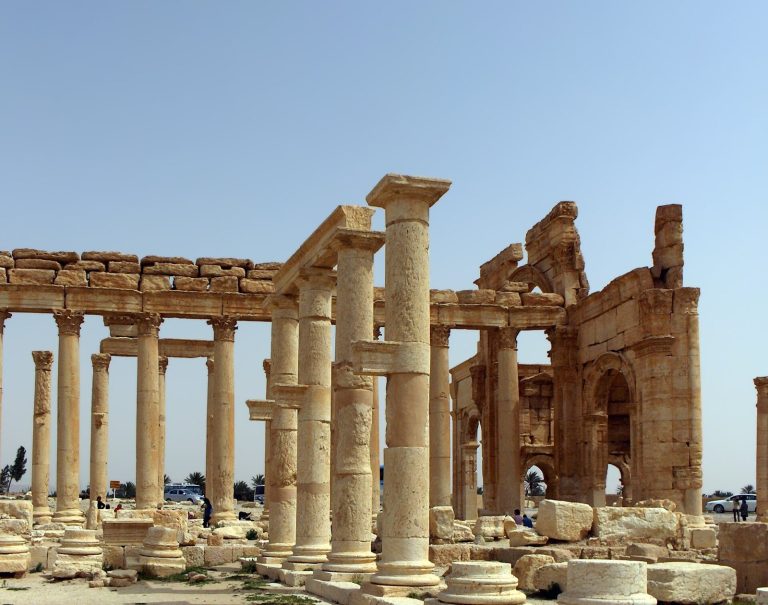
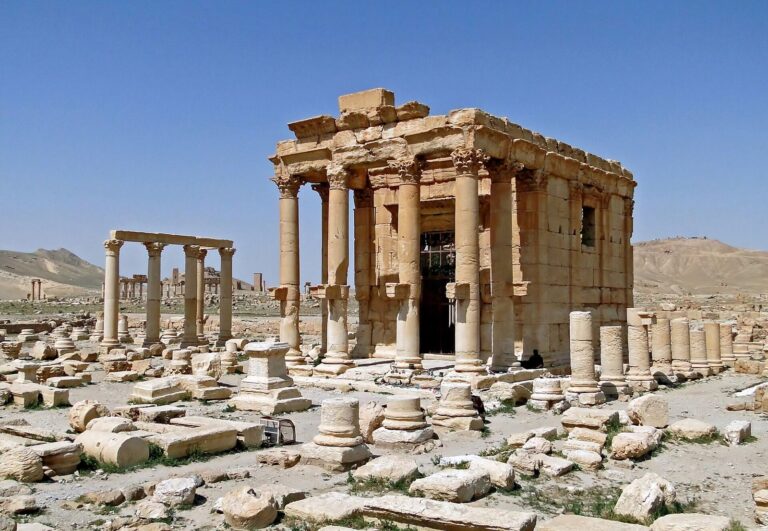
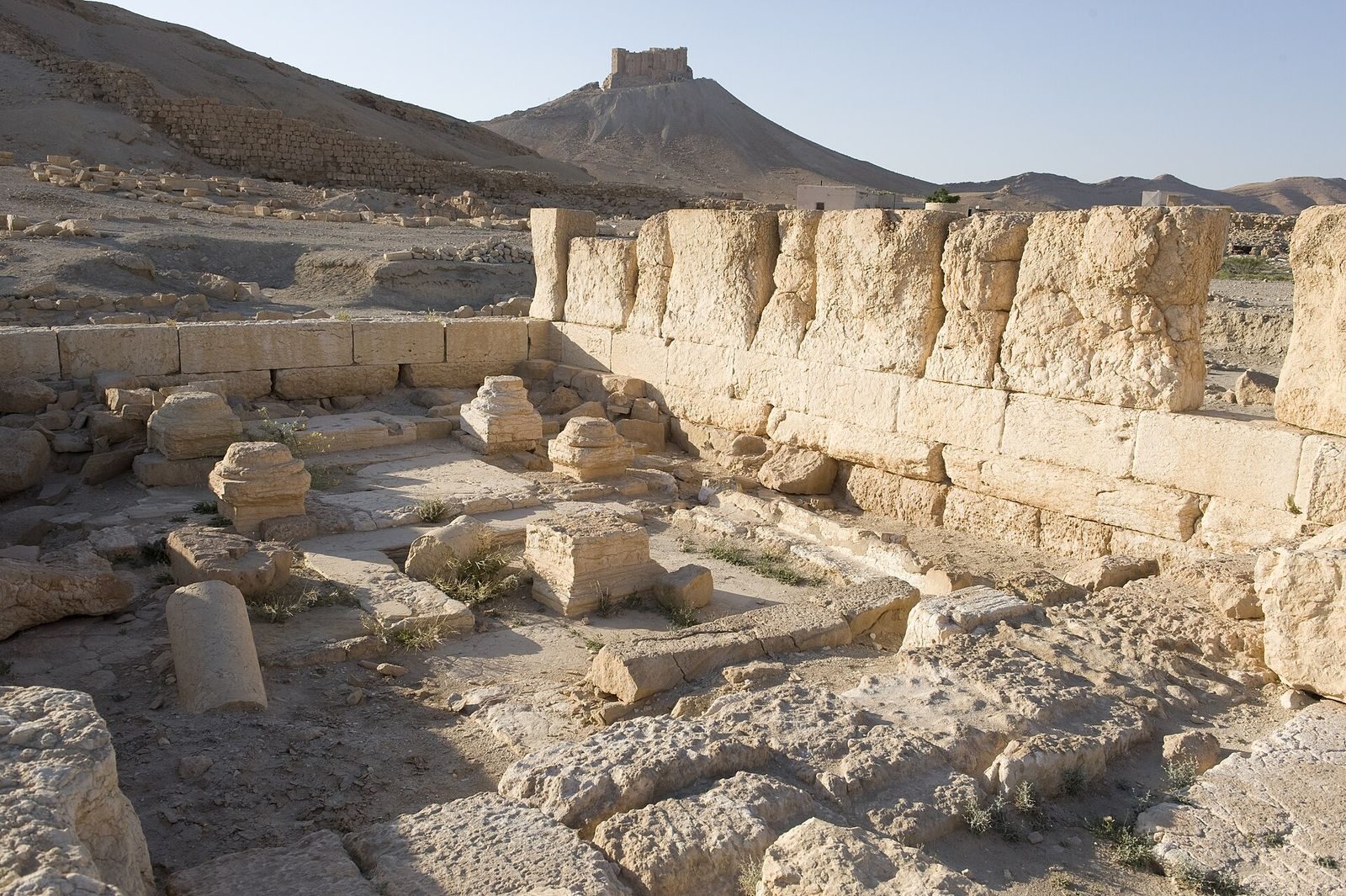
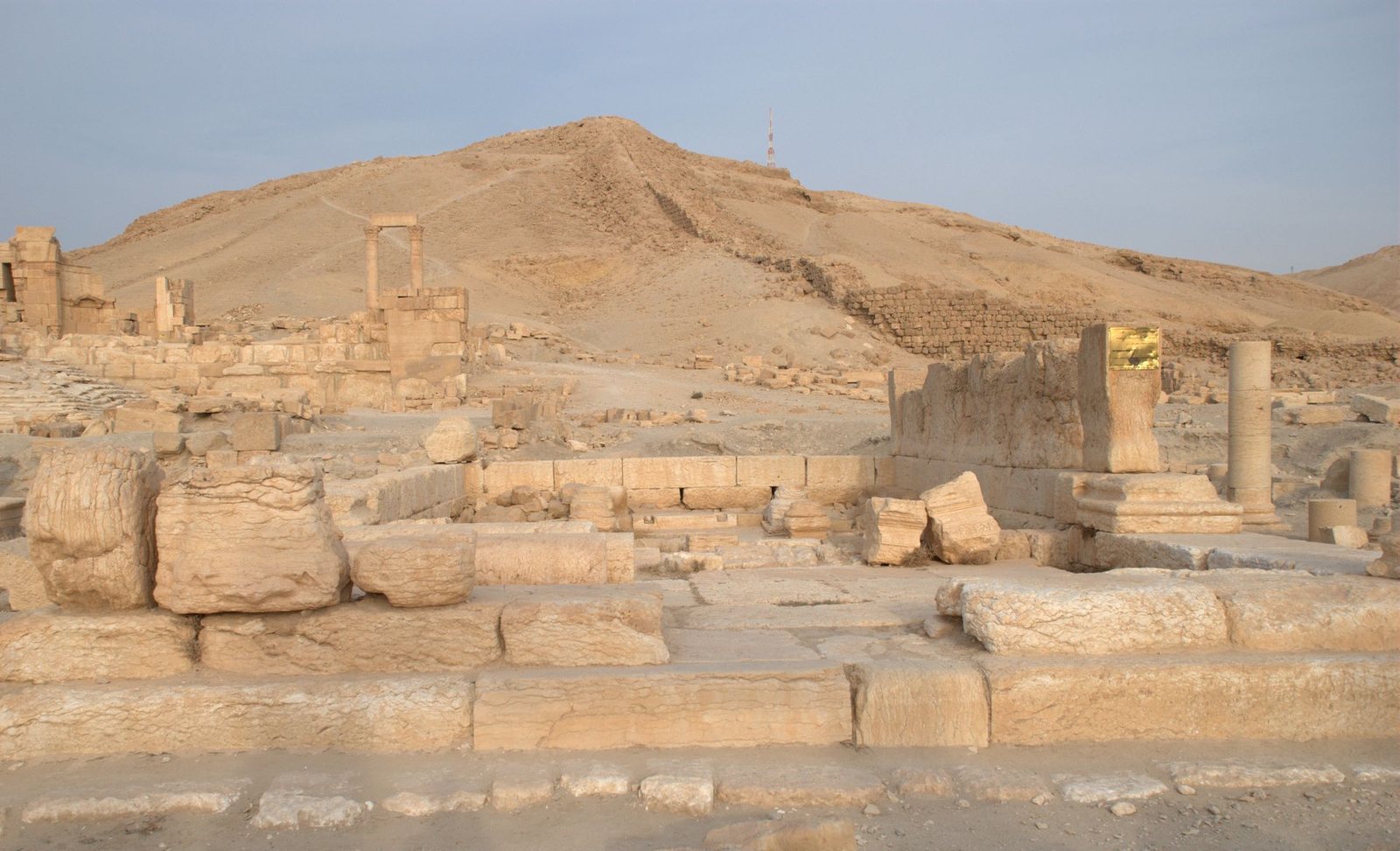
Built of stone, the temple survives in the form of a podium, a few columns, and a doorframe.
Sculpture and offerings
The temple’s cult statue was made to resemble statues of Athena in Athens. A monumental lion relief, known as the Lion of Al-Lat, was excavated within the temple compound; it originally projected from the compound wall. Votive offerings included Roman bronze coins dated to about AD 364–375 and 376–386.