Takarazuka Kofun: A Late Kofun-Period Burial Mound in Japan
Site at a Glance
- Rating
- 3.4
- Popularity
- Very Low
- Country
- Japan
- Primary era
- Medieval
- External website
- Open
- Eras represented
- Medieval
- Civilizations
- Yamato
- Site type
- Burial
- Remains
- Burial Mound
On this page10 sections
History
Takarazuka Kofun is a late Kofun-period burial mound in Izumo, Japan, built during the late sixth to early seventh century. The Kofun period was an era, conventionally dated from about the third to the seventh century, when large burial mounds were constructed for members of the elite. Takarazuka stands on the southern bank of the Kando River and belongs to a group of late-period tombs associated with influential local individuals.
Late Kofun-period burial
Takarazuka Kofun is also known as Ippo-zuka. Its date is estimated from the form of the surviving stone chamber, which represents a late phase of mound-burial construction in the region. The mound formed part of a local group that included Myorenji-yama Kofun and Hanare-yama Kofun. It was regarded as secondary in status to the major tombs on the river’s northern bank, including Imaichi Dainenji Kofun and Kamienya Tsukiyama Kofun.
Early record and protection
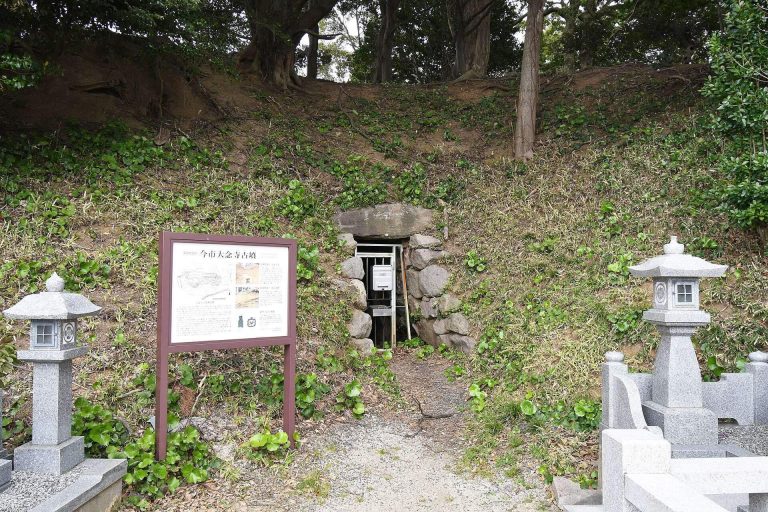
The site was mentioned in the 1717 geographical work Unyo-shi. That record referred to Takarazuka and described a stone chamber containing a stone pagoda, indicating that the chamber may already have been open by that time. The burial chamber had been open since antiquity, and a small number of iron arrowheads are known among the grave goods.
The tumulus area became a National Historic Site of Japan on November 26, 1931. This designation identifies it as a nationally protected archaeological, historical, or cultural site because of its importance.
Remains
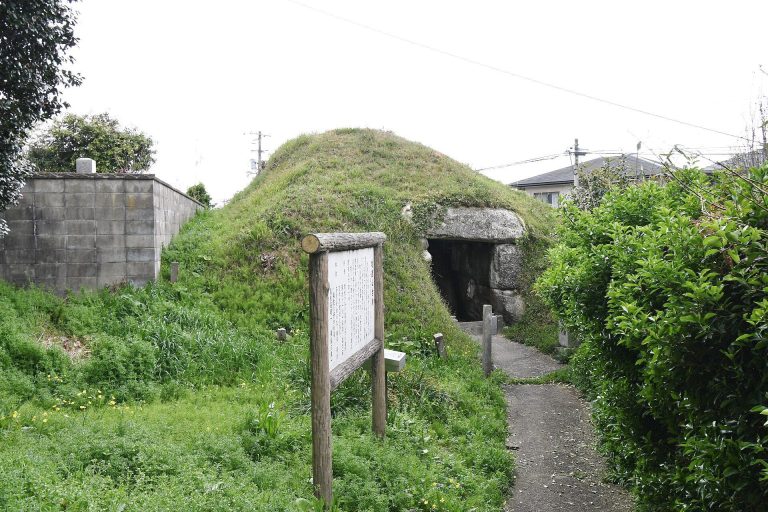
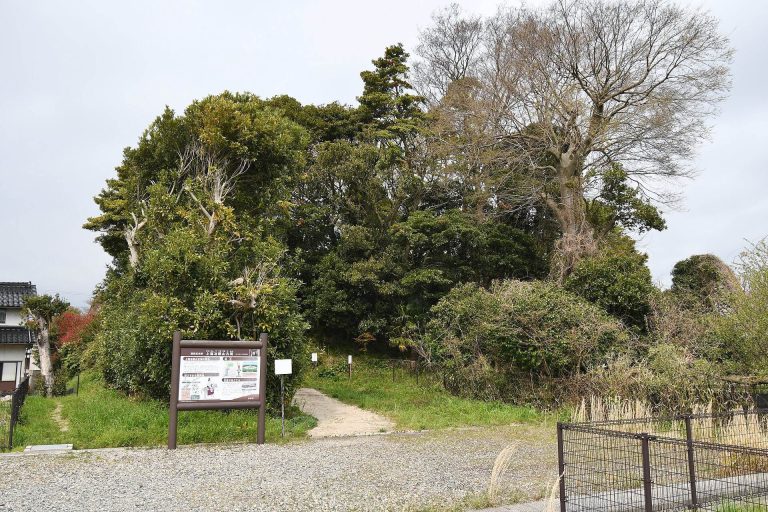
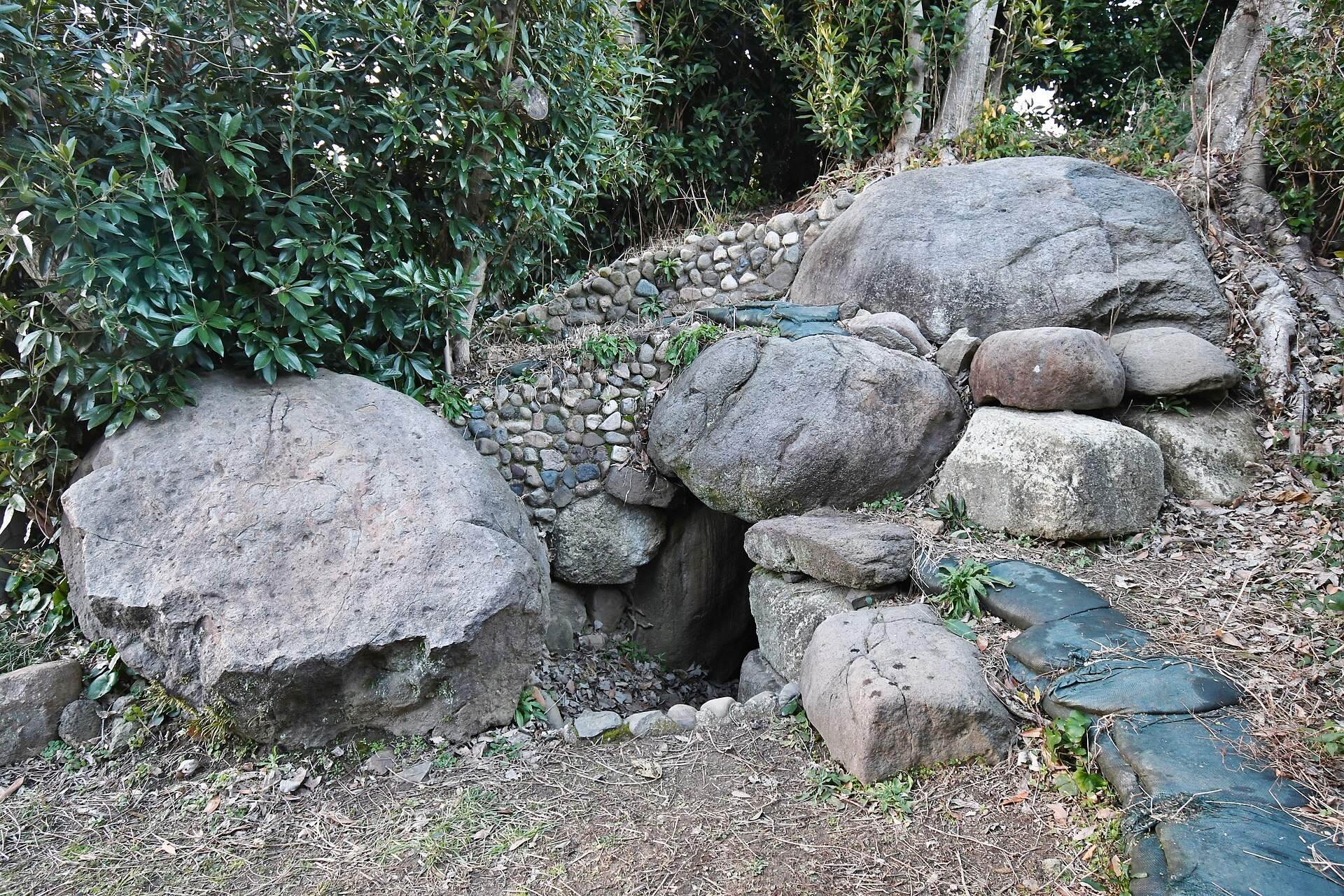
Takarazuka Kofun occupies an old natural levee on the southern side of the Kando River. Paddy fields now surround the mound east of Izumonishi High School. Repeated flood deposits have raised the surrounding ground, while much of the mound itself has been levelled. As a result, the original shape and dimensions of the tumulus are uncertain, although the exposed ceiling stone of the burial chamber rises above the present ground surface.
Stone chamber
Burial chamber and entrance passage
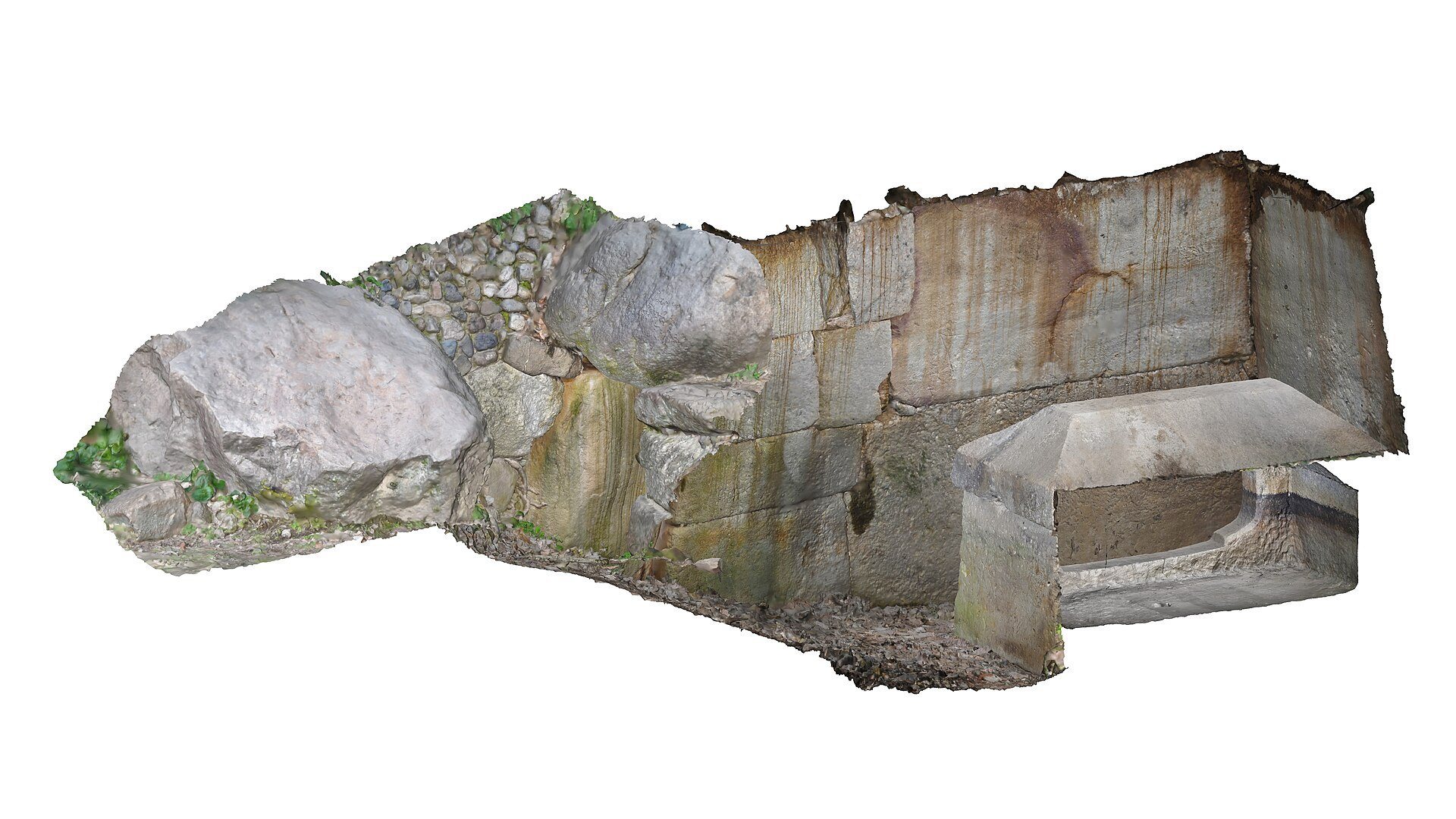
The burial facility is a horizontal stone chamber, meaning that a passage leads into it from outside rather than descending through a vertical shaft. Its entrance arrangement is single-sided, with the passage adjoining one side of the chamber and opening toward the south. More than 7 meters of the structure survive. The burial chamber measures approximately 3.6 meters long, 2.0 meters wide, and 2.5 meters high. The passage is partly buried, and its full form is unclear because its ceiling stones have collapsed.
Stone construction
The chamber was built mainly from carefully cut tuff, a relatively soft volcanic stone that can be shaped into regular blocks. Natural stones form the ceiling stones, lintel, and entrance side stones, while a single massive slab makes up the rear wall. The eastern wall has two courses of stone. The rear part of the western wall has two courses, and its front part has four. Gravel covers the floor. Two ceiling stones form the roof, and the passage uses roughly split stones.
Burial equipment
Tuff sarcophagus
A house-shaped sarcophagus made from tuff stands inside the chamber against the rear and eastern walls. It has a side opening on its western side. The single-piece lid rests over a body assembled from two stones. The sarcophagus measures approximately 2.3 meters long, 1.2 meters wide, and 1.5 meters high.
Haniwa and iron objects
Fragments of cylindrical haniwa have been found near the mound. Haniwa were clay objects placed around or on burial mounds, commonly in cylindrical or figurative forms. Iron arrowheads also belong to the known grave goods associated with the chamber.