Stromburg: A Hilltop Castle in Germany


Site at a Glance
- Rating
- 4.1
- Popularity
- Low
- Country
- Germany
- Primary era
- Medieval
- Eras represented
- Medieval, Modern
- Civilizations
- Holy Roman Empire
- Site type
- Military
- Remains
- Castle
On this page7 sections
History
Origins and medieval development
Stromburg is a hilltop spur castle in Germany, above the town of Stromberg in Rhineland-Palatinate. Probably built in the eleventh century, it was associated with the counts and helped protect the settlement that developed in the Guldenbach valley.
The castle was first mentioned in 1056, when Count Bertolf styled himself after Stromburg. This reference probably concerned the “old Stromburg” on Pfarrköpfchen rather than the present castle. In 1116, Adalbert I, Archbishop of Mainz, destroyed Stromburg, after which it was rebuilt. The first secure reference to the present castle dates from 1287. The settlement of Stromberg, which grew under the castle’s protection, was first mentioned in 1344.
War, destruction, and later use
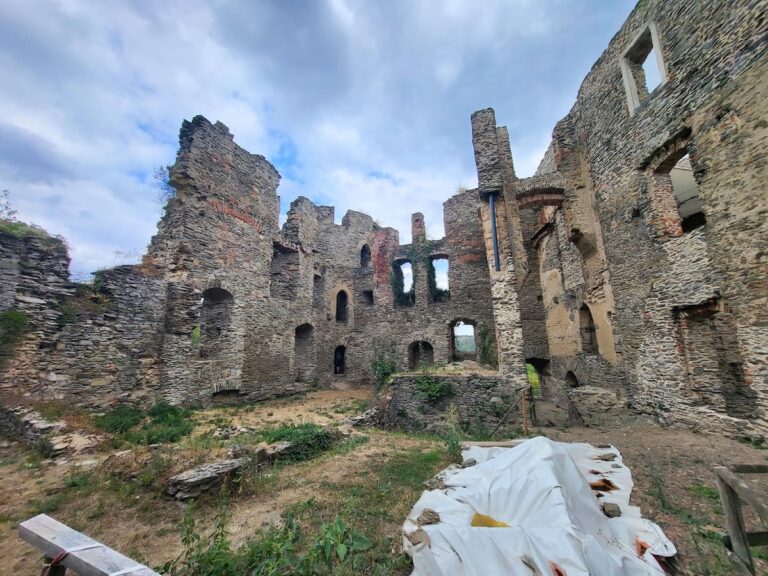
Stromburg was captured several times during the Thirty Years’ War, the major European conflict of 1618 to 1648 that combined religious, dynastic, and political struggles. The castle was finally destroyed on 3 March 1689 during the War of the Palatine Succession, also called the Nine Years’ War, a conflict fought from 1688 to 1697 that caused extensive destruction in the Palatinate and nearby regions.
The castle was also the home of Hans Michael Elias von Obentraut, a cavalry commander of the Thirty Years’ War. Parts of the ruin were restored between 1977 and 1981 and adapted for restaurant use, with new construction becoming a major part of the complex’s present appearance. A later redevelopment brought a gourmet restaurant under chef Johann Lafer from 1994, first called Le Val d’Or and renamed Johanns Küche in 2019. Since July 2022, Das Kilger has operated under chef Anthony Sarpong, alongside the Turmstube restaurant and the Stromburg Hotel. Stromburg is designated a cultural monument.
Remains
Fortifications on the mountain spur
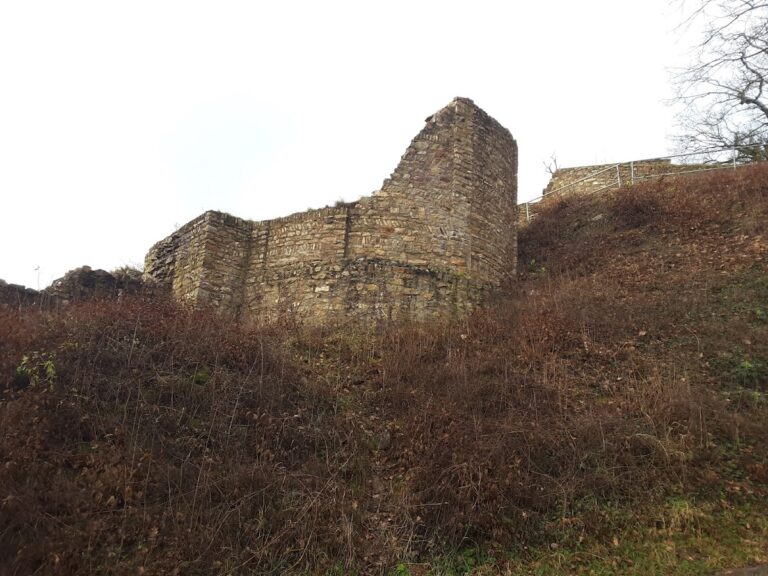
Stromburg occupies a long mountain spur at about 280 metres above sea level, on the edge of the Soonwald above Stromberg in the Hunsrück. The surviving complex retains substantial parts of its defensive layout, including the principal enclosing walls and several major fortified structures.
Shield wall and keep
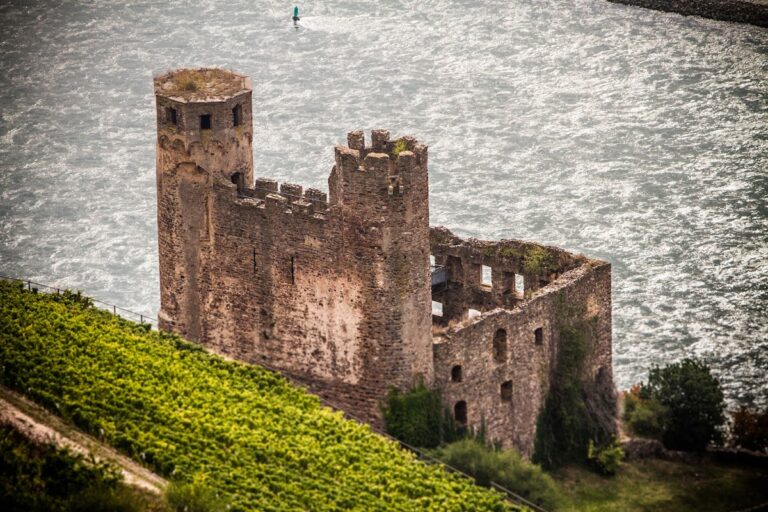
A substantial section of the shield wall survives. This particularly strong part of the enclosing wall protected the castle’s most vulnerable side. The keep, the principal fortified tower and a defensive refuge, also remains as part of the ruin.
Gate tower and outer defenses
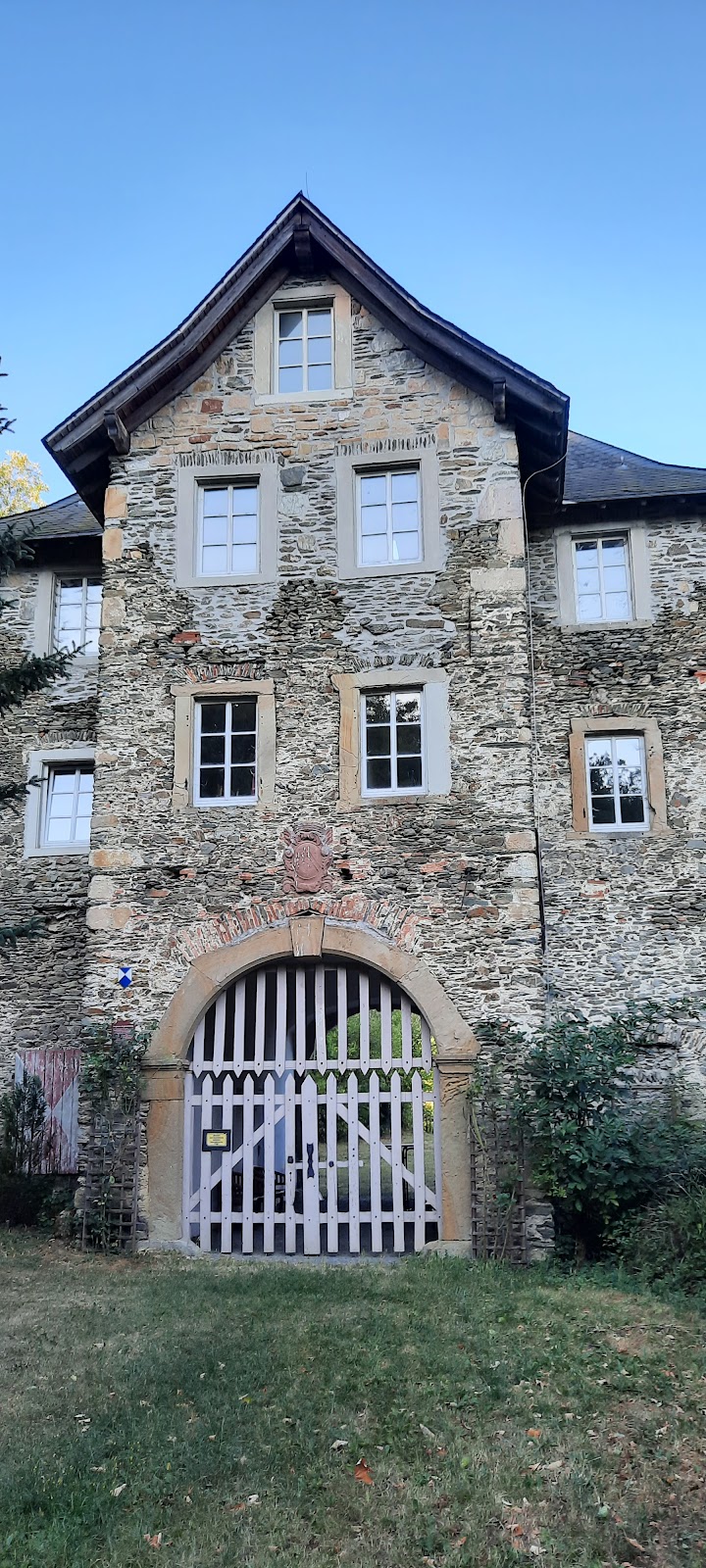
A powerful gate tower and sections of the ring wall survive with the castle. Parts of the zwinger, an outer defensive area between fortifications, can also be seen. During the twentieth-century redevelopment, modern structures were added to the ruins for the restaurants and hotel, and these additions now strongly influence the appearance of the complex.
Nearby sites