Ascension of Christ Church, Novo Selo, Štip: A Medieval Orthodox Church

Site at a Glance
- Rating
- 4.8
- Popularity
- Very Low
- Country
- North Macedonia
- Primary era
- Medieval
- External website
- Open
- Eras represented
- Medieval, Early Modern
- Civilizations
- Ottoman, Serbian
- Site type
- Religious
- Remains
- Church
On this page6 sections
History
Medieval foundation
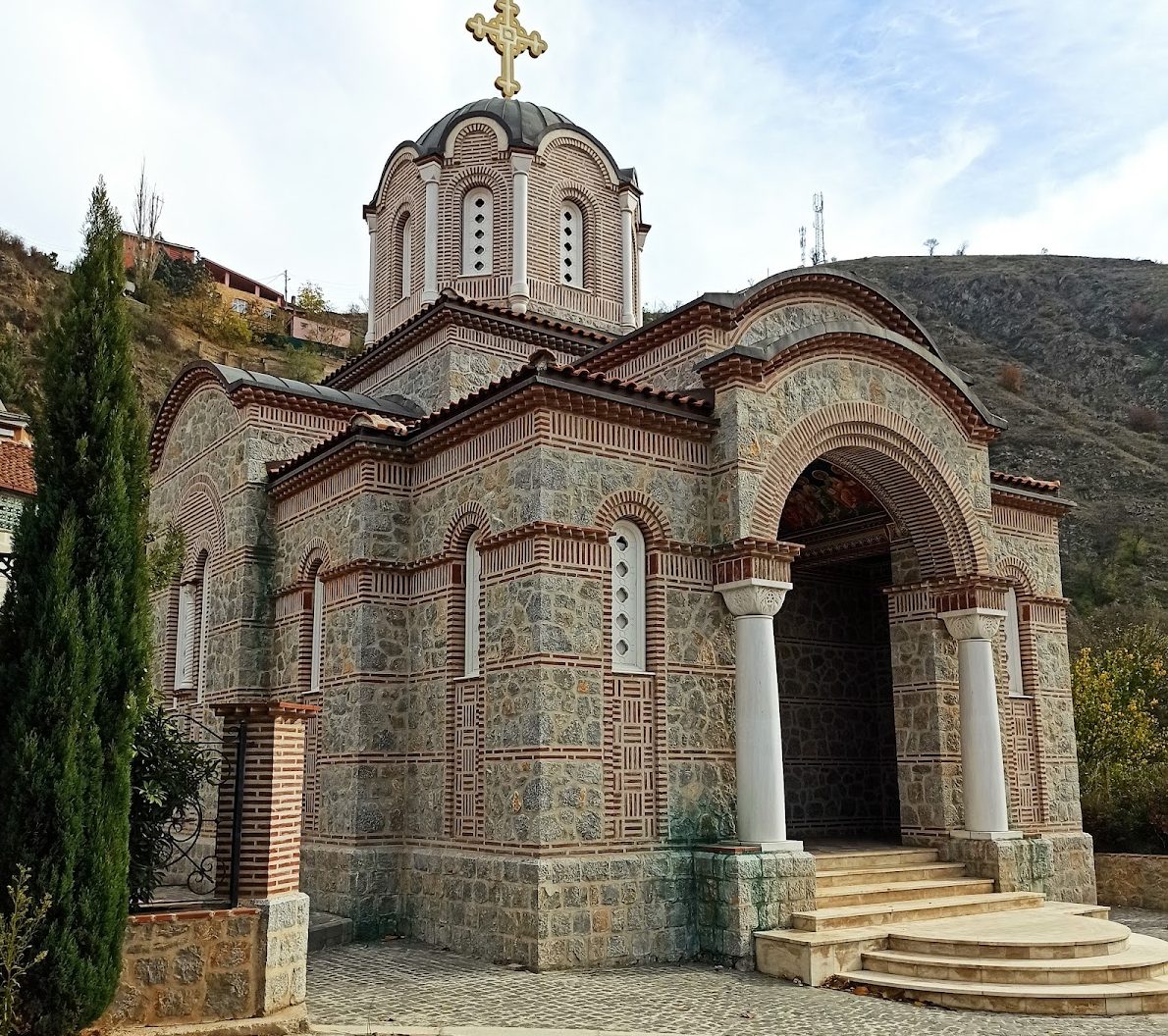
The Ascension of Christ Church in North Macedonia is a medieval Eastern Orthodox church dedicated to the Ascension of Jesus Christ. It is generally dated to 1369, when it was built by Duke Dimitrija. The church is also known as Holy Ascension and Holy Savior.
The 1601 fresco campaign
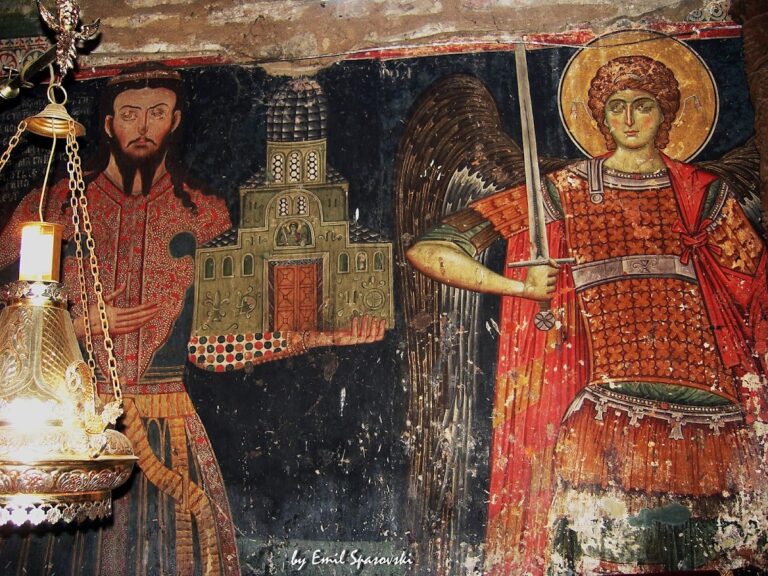
The church underwent a second fresco-painting campaign in 1601. A Greek inscription dates the work from 13 May to 6 July of that year and identifies the painter Jovan, who worked in the tradition of the Linotopi School, a regional Orthodox painting tradition associated with the area of Linotopi and active especially in the late medieval and early modern periods.
A ktitor inscription, meaning an inscription naming a church’s founder or donor, mentions Bishop Rufim, the priest Dojko, and Pavle Mutavdžija, who is identified as the founder. The church belongs to the Macedonian Orthodox Church–Ohrid Archbishopric, within the Bregalnica Diocese and the Štip deanery. It is registered as a cultural heritage site and monument of culture of North Macedonia.
Remains
Church and setting
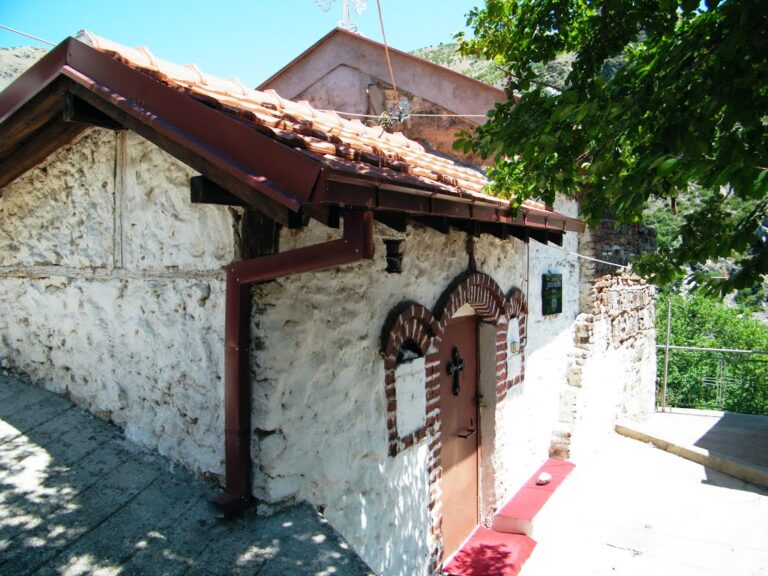
Ascension of Christ Church is a single-nave temple, with one principal longitudinal worship space rather than several parallel naves. It stands on the left bank of the Otinja River, in the eastern part of the suburban settlement of Novo Selo, about 1 kilometre from the centre of Štip. The building’s surviving form reflects its role as a compact Orthodox church.
Frescoes and inscriptions
The church preserves the history of its painted decoration through the 1601 repainting campaign. The Greek inscription gives the precise dates of the work and names Jovan as its painter, while the ktitor inscription records Bishop Rufim, the priest Dojko, and Pavle Mutavdžija in connection with the church’s foundation or decoration.
Nearby sites