Staverns Fortress: A Norwegian Coastal Artillery Fortification
Site at a Glance
- Rating
- 4.6
- Popularity
- Medium
- Country
- Norway
- Primary era
- Early Modern
- Eras represented
- Early Modern
- Civilizations
- Denmark–Norway
- Site type
- Military
- Remains
- Fort
On this page6 sections
History
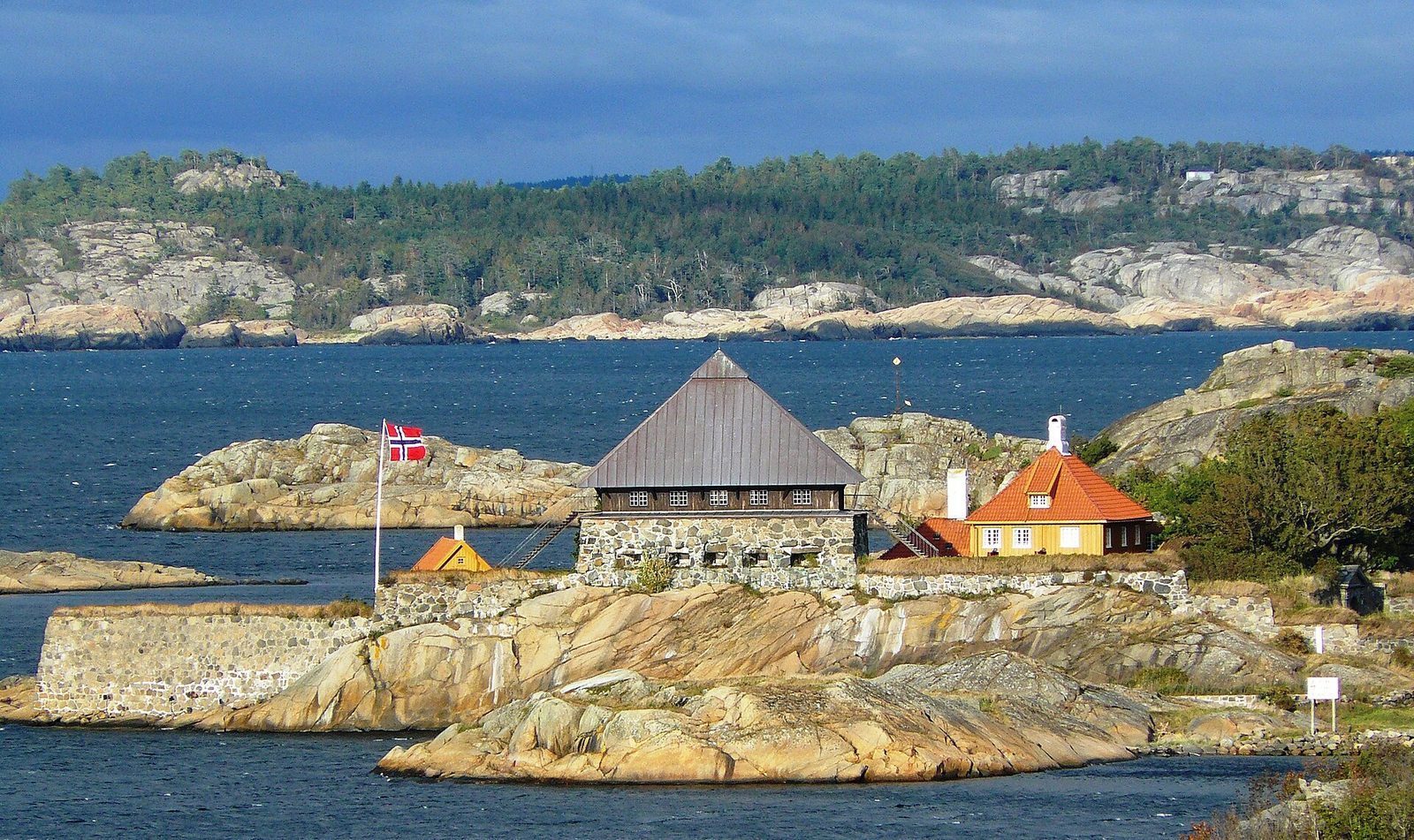
Staverns Fortress is a coastal artillery fortification on Citadelløya at Stavern, Norway, begun in 1677 under Ulrik Frederik Gyldenløve, a Danish-Norwegian nobleman and governor-general of Norway. It formed part of the wider development of Norwegian defenses and later became part of the Fredriksvern naval base.
Founding and wartime role
The first fort was built on Karlsøy during the Scanian War (1675–1679), whose Norwegian campaign was known as the Gyldenløve War. The island later became known as Citadelløya or Stavernsøya. The fortress was expanded between 1687 and 1689.
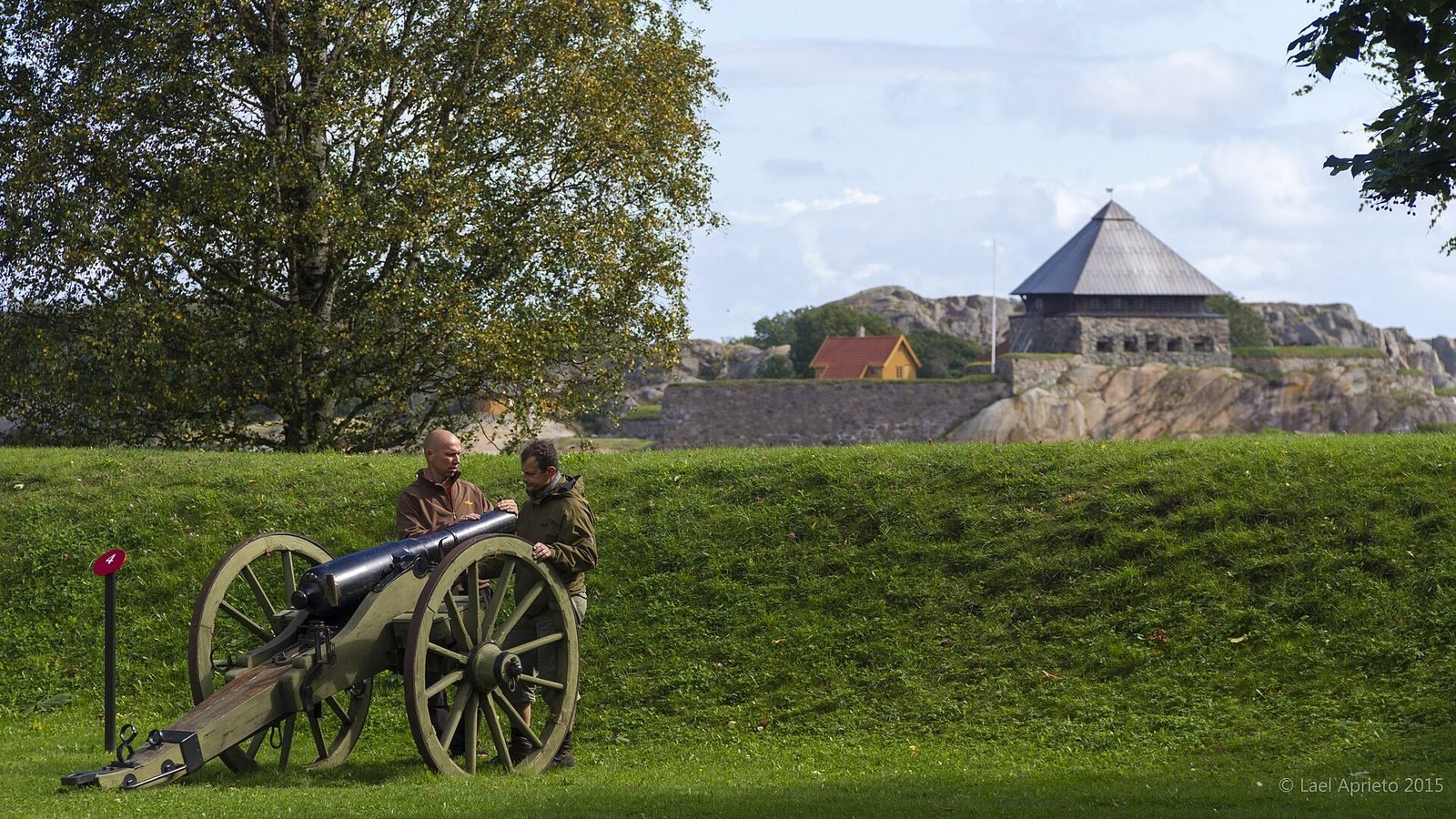
During the final Norwegian phase of the Great Northern War, from 1709 to 1720, the fortress served as an important base for naval officer Peter Wessel Tordenskiold and his fleet. The wider conflict, fought from 1700 to 1721, pitted Sweden against a coalition that included Denmark–Norway. The fortress also served as the home port of the Danish–Norwegian Kattegat squadron, a naval formation, and supported maritime trade from Denmark. It was a major center for supplying equipment and forwarding cannons from Norwegian ironworks.
Naval base and decline
Fredriksvern, a naval establishment, and its shipyard, Fredriksvern Verft, served as headquarters for the Norwegian Fleet from 1750 to 1758. The older fortification became part of the base and was called Citadellet, meaning the Citadel.
The fortress was controlled by Denmark–Norway and Sweden at different times and remained in use from 1677 to 2002. During the nineteenth century, Fredriksvern lost military importance, and Citadellet fell into decline after losing its military role. The buildings were restored during the twentieth century.
Remains
The coastal fortification occupied a hill on Citadelløya and was built using granite and brick. Its defenses combined fortified buildings, artillery positions, and upright-stake barriers.
Defensive works
The initial defenses included a fortified building, an artillery position, and barriers made from upright stakes. The expansion of 1687–1689 added three cannon positions and another fortified building.
Powder Tower
Krutttårnet, the Powder Tower, is the fortress’s oldest building and has distinctive architecture. It served as a store for gunpowder.