Palais Collalto: A Baroque Palace in Vienna
Site at a Glance
- Rating
- 4.9
- Popularity
- Low
- Country
- Austria
- Primary era
- Early Modern
- Eras represented
- Early Modern, Modern
- Civilizations
- Austrian Empire, Habsburg, Habsburg Austria, Holy Roman Empire
- Site type
- Domestic
- Remains
- Elite Residence
On this page10 sections
History
From houses to a school for nobles
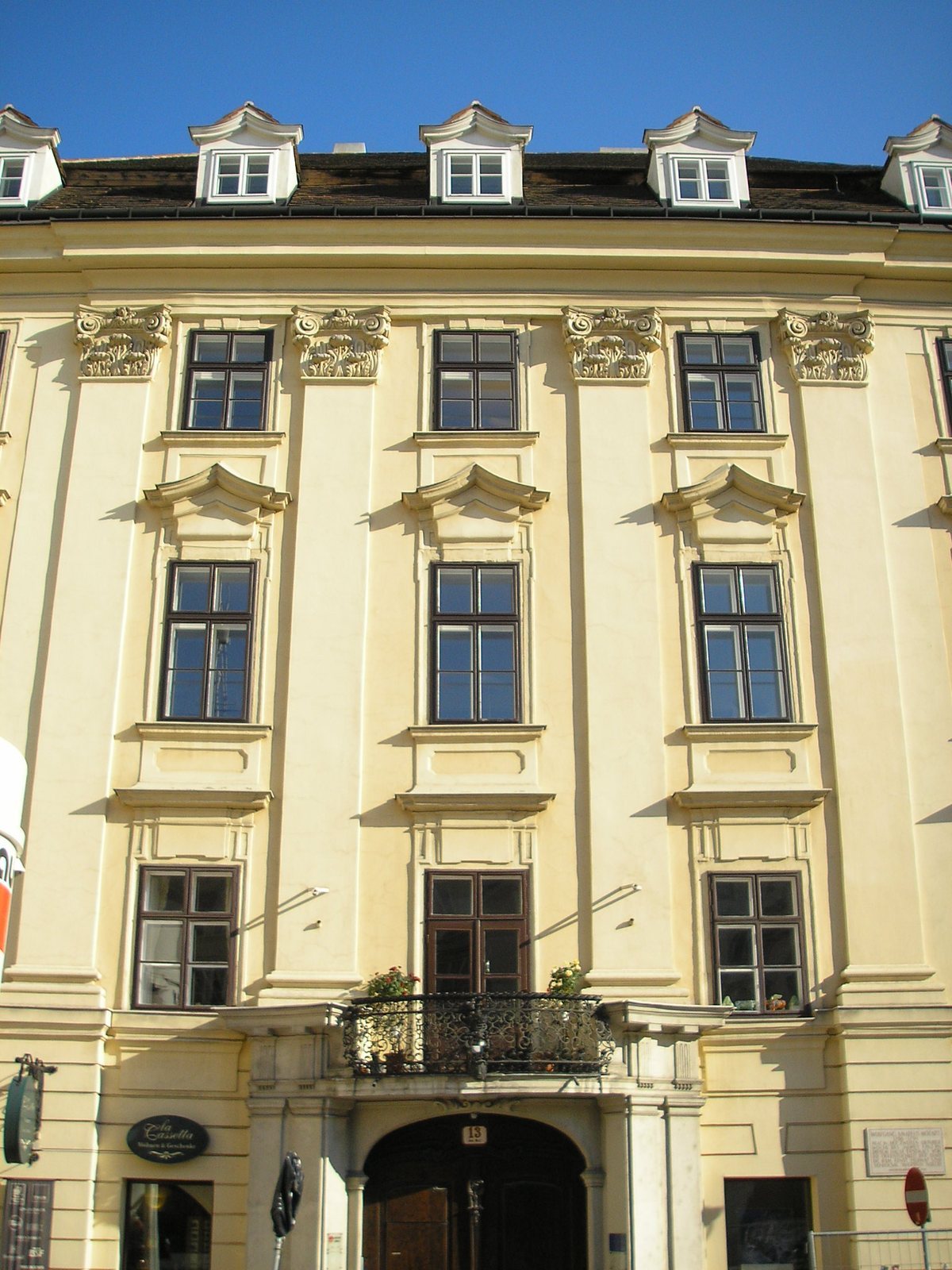
Palais Collalto is a Baroque palace in Vienna, Austria, whose history includes Wolfgang Amadeus Mozart’s first public concert. The property near Judenplatz first contained a Jewish garden and later the house of Dr. Schran. In the sixteenth century, Ferdinand I, a Habsburg ruler and Holy Roman Emperor, bought Schran’s house for 26,000 gulden to establish a school for the nobility.
In 1560, responsibility for the school passed to the Jesuits, members of the Catholic Society of Jesus. They moved their boarders into the house, which was raised, remodeled, and enlarged. In 1611, the Estates, political bodies representing privileged groups, acquired the property and gave it to Imre Thurzo, then Palatine of Hungary, a senior royal official.
The Collalto palace and later occupants
The Venetian Collalto family acquired the property in 1671. Count Franz Anton Collalto then began extensive alterations, and a Baroque palace was built around that time.
In the second week of October 1762, six-year-old Mozart gave his first public concert at the palace with his sister. They performed for Count Thomas Vinciguerra Collalto and his guests. French commander François Joseph Lefebvre, Duke of Danzig, lived in the building in 1809. In 1842, tobacconist Johann Karl Sothen operated a shop there.
Renovation and ownership
A comprehensive renovation took place in 2001. The palace is now owned by a foundation left by Karl Wlaschek in 2015.
Remains
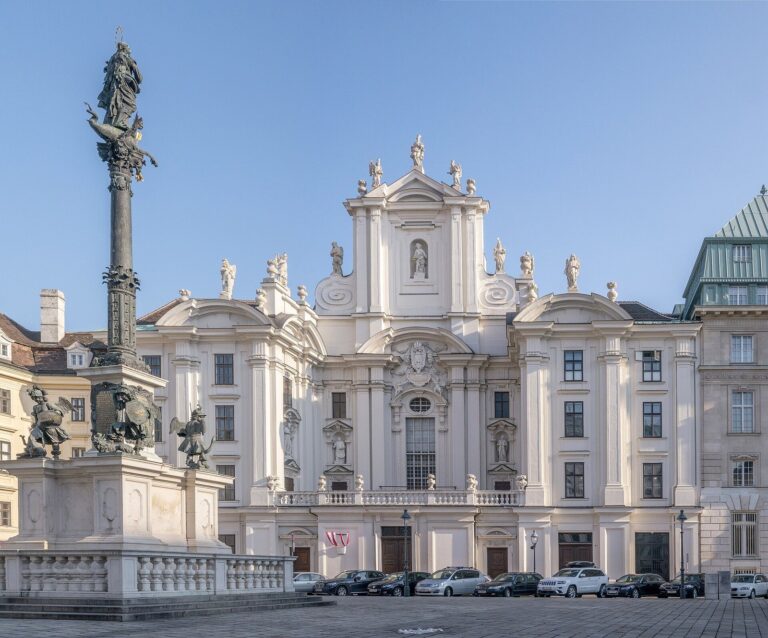
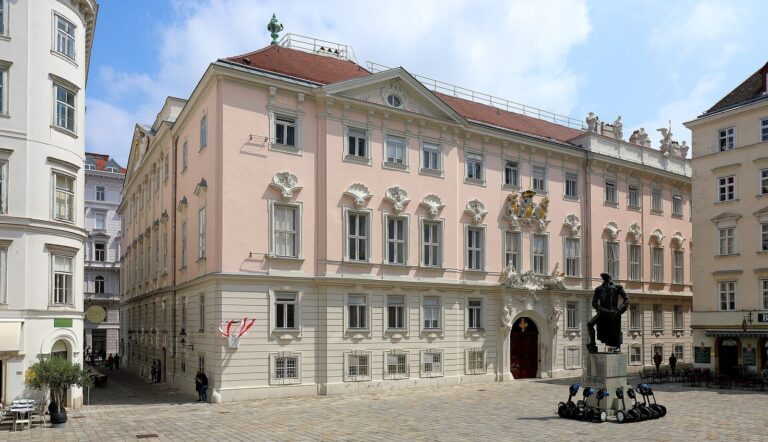
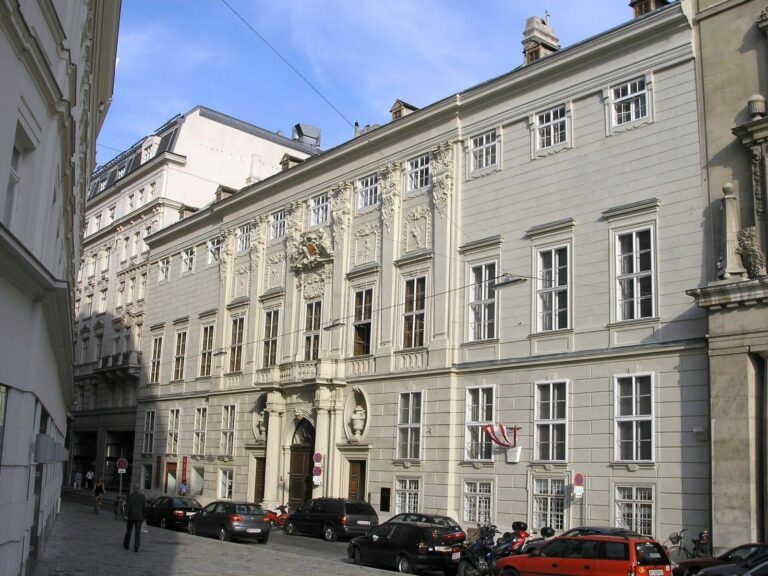
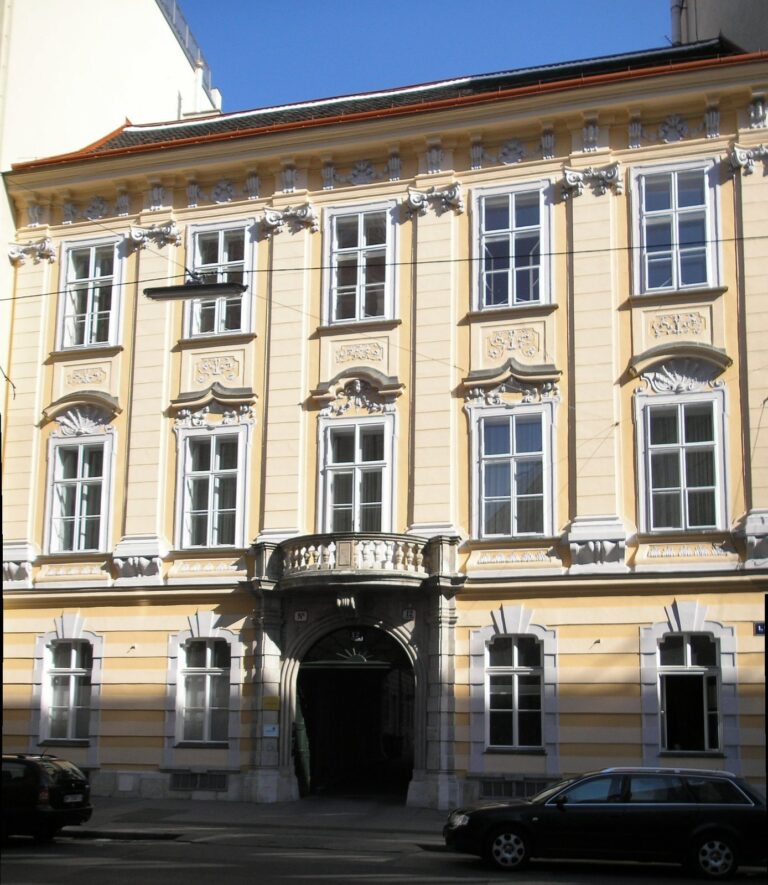
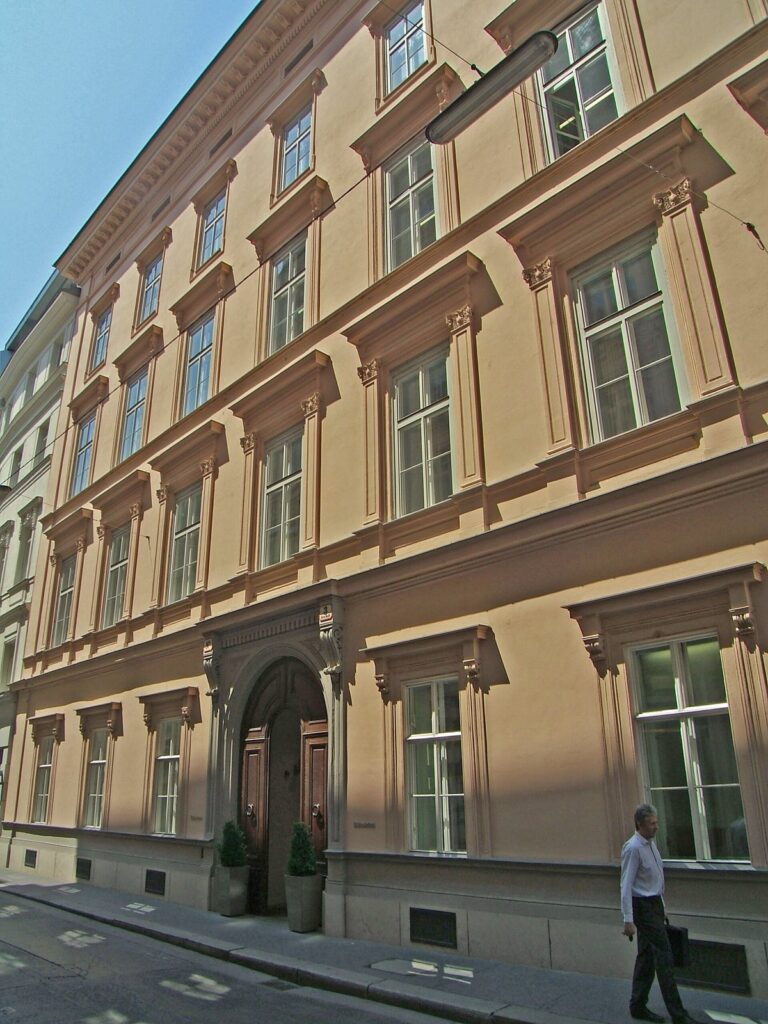
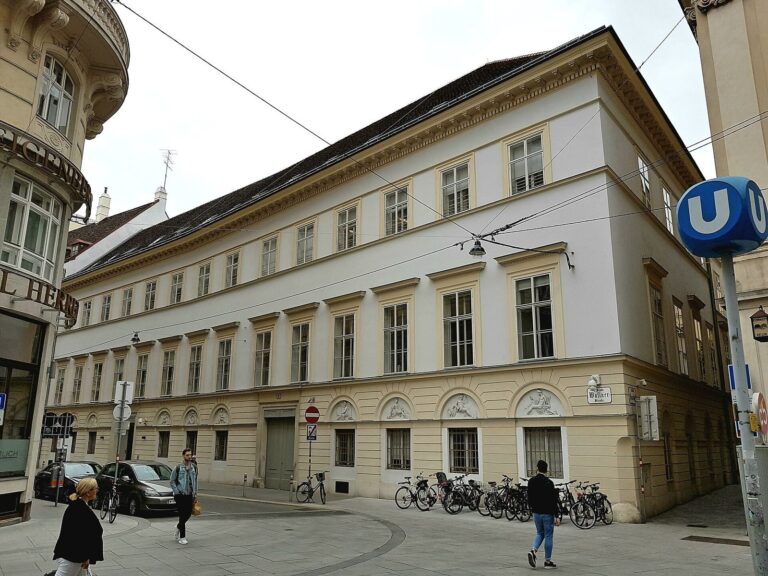
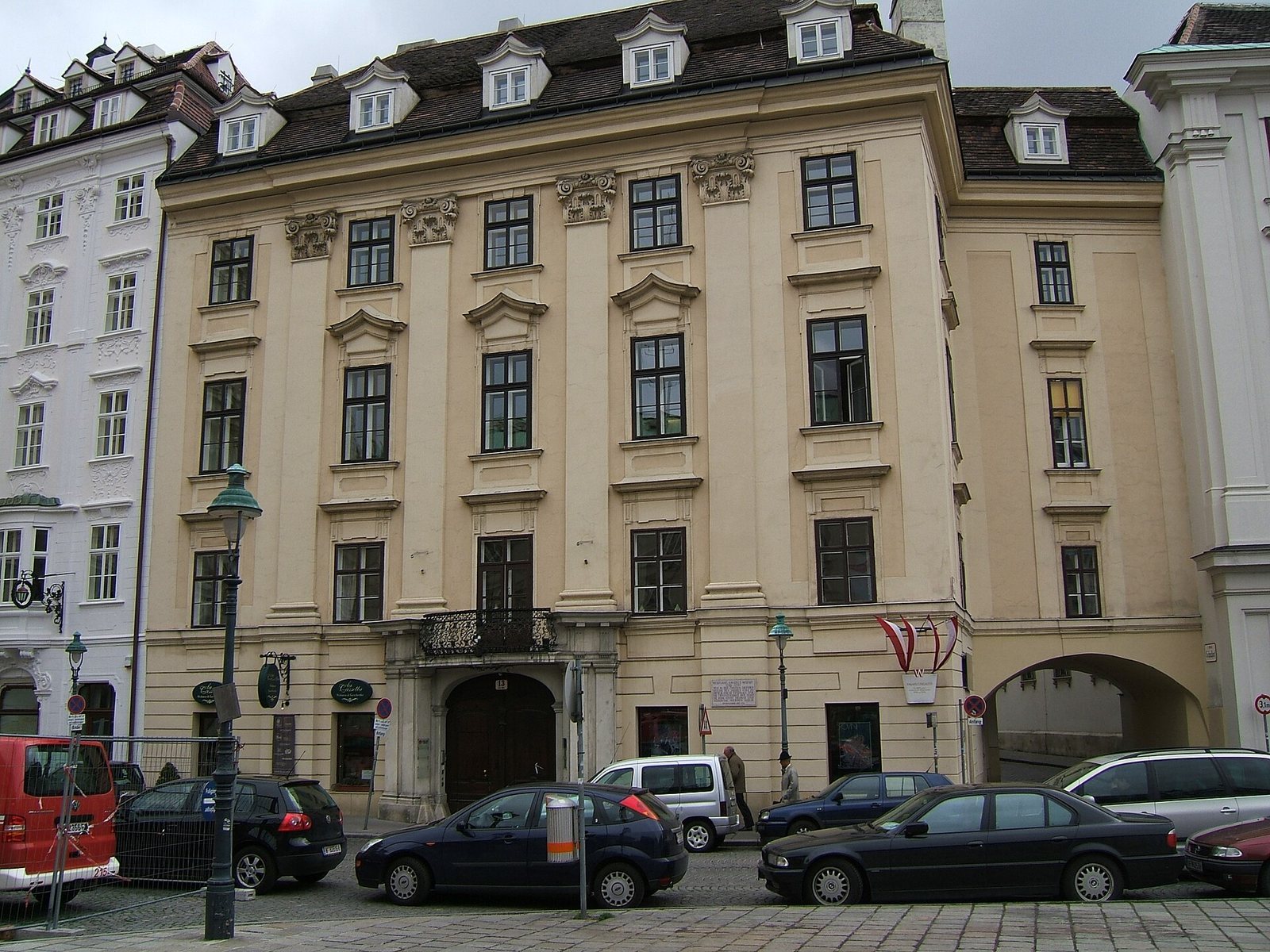
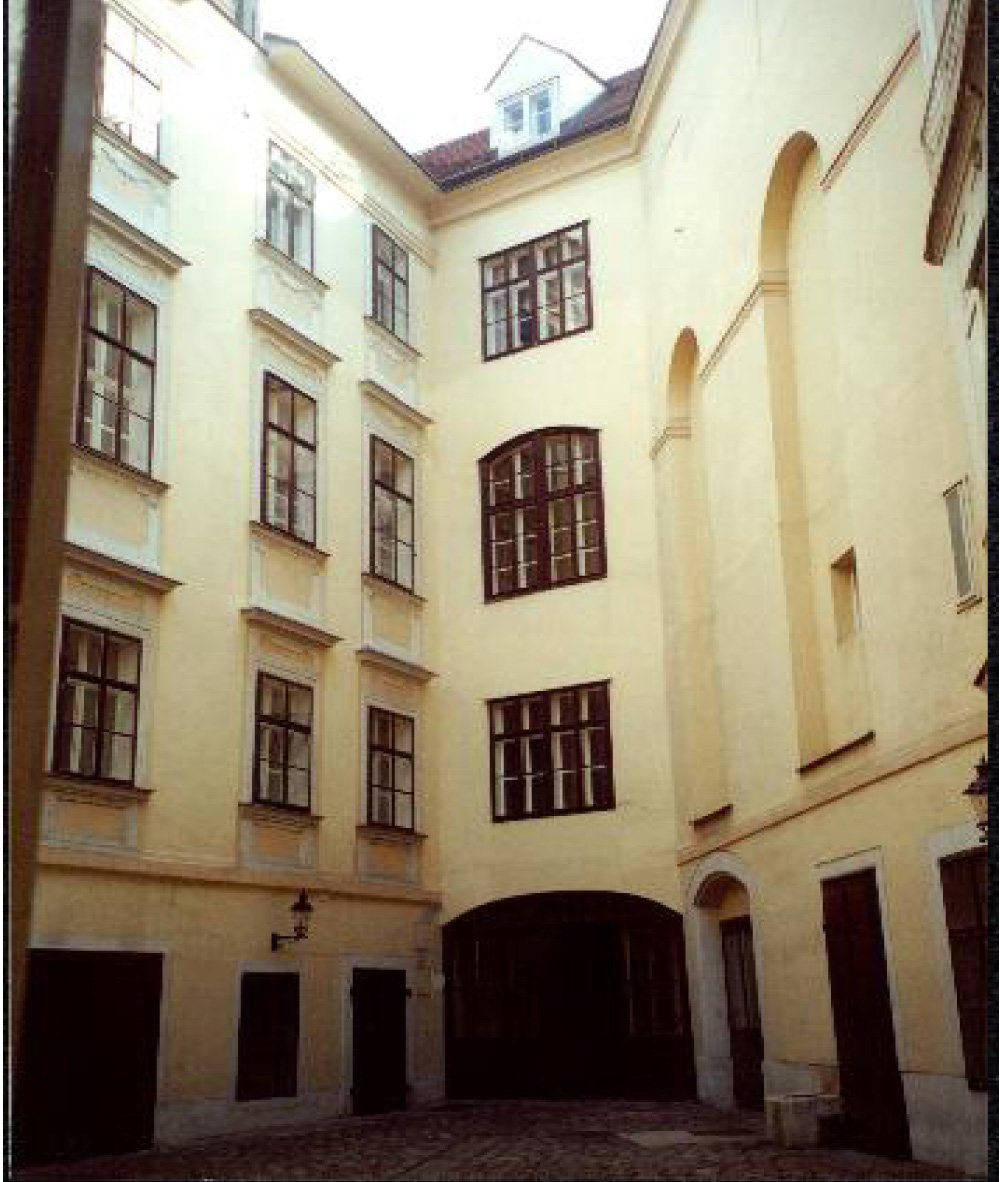
The palace’s layout reflects its development from several small houses. Its features include a passage linking Am Hof with Schulhof, a Baroque main facade, and a courtyard wing with a Neoclassical facade.
Principal features
Passage and staircase
A long passage connects Am Hof square with Schulhof by way of the raised terrace of the neighboring Church of the Nine Choirs of Angels. A staircase opens off the passage’s left side and rises through three storeys. Its steps are made of Kaiserstein, a building stone.
Main facade
The main facade was renewed in the Baroque style between 1715 and 1725. It had previously been topped by a triangular pediment, which was removed during the renewal.
Courtyard wing
A three-storey wing added in 1804 faces Schulhof across the courtyard. Its facade is Neoclassical.
Mozart memorial plaque
A plaque at the palace commemorates Mozart’s 1762 concert. The Mozart community of Vienna unveiled it on 22 June 1956.