Staraya Ladoga Mound 5-III: The Mound Known as Oleg’s Grave
Site at a Glance
- Popularity
- Medium
- Country
- Russia
- Primary era
- Medieval
- Eras represented
- Medieval
- Civilizations
- Unclassified
- Site type
- Burial
- Remains
- Burial Mound
On this page7 sections
History
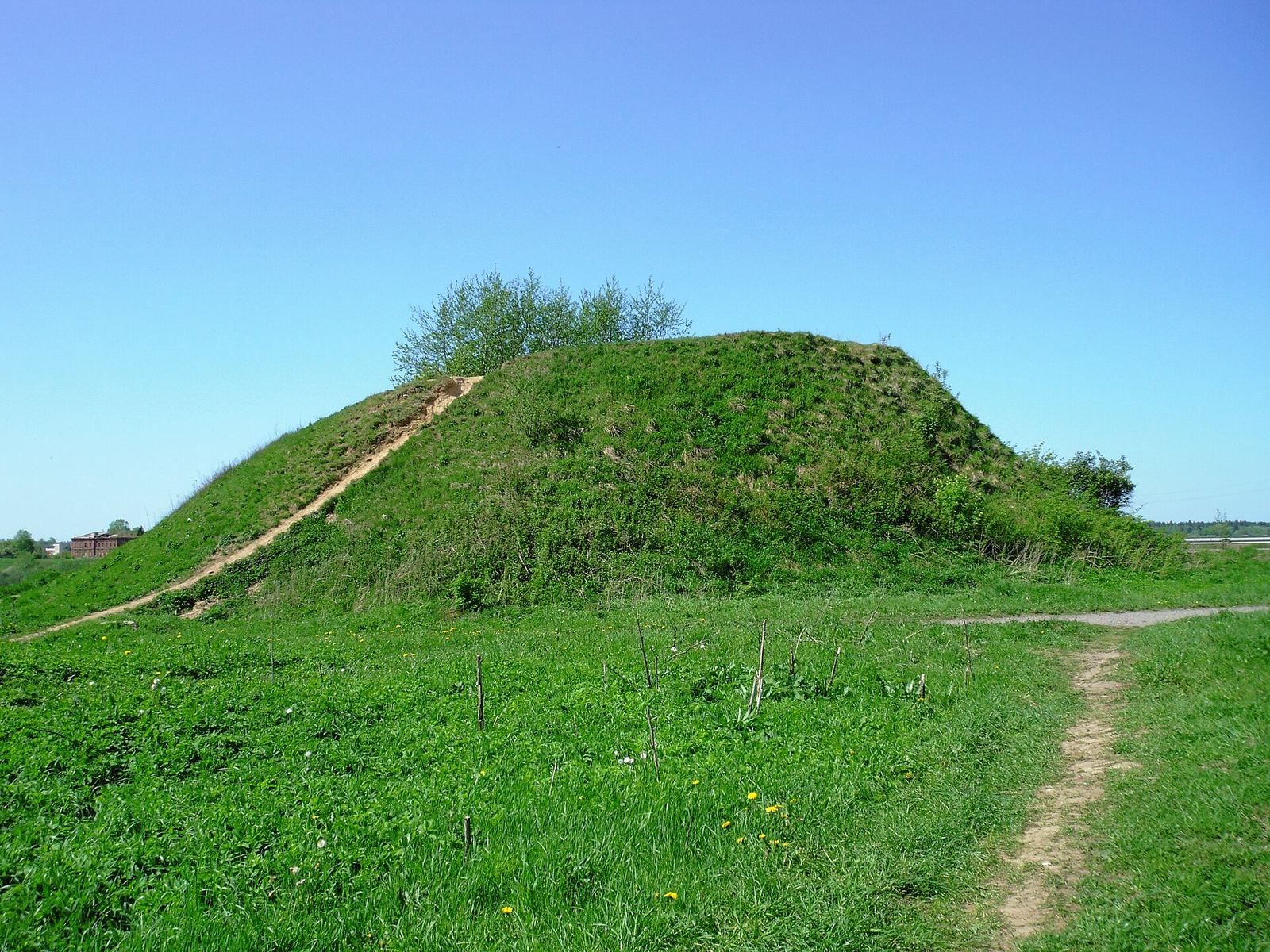
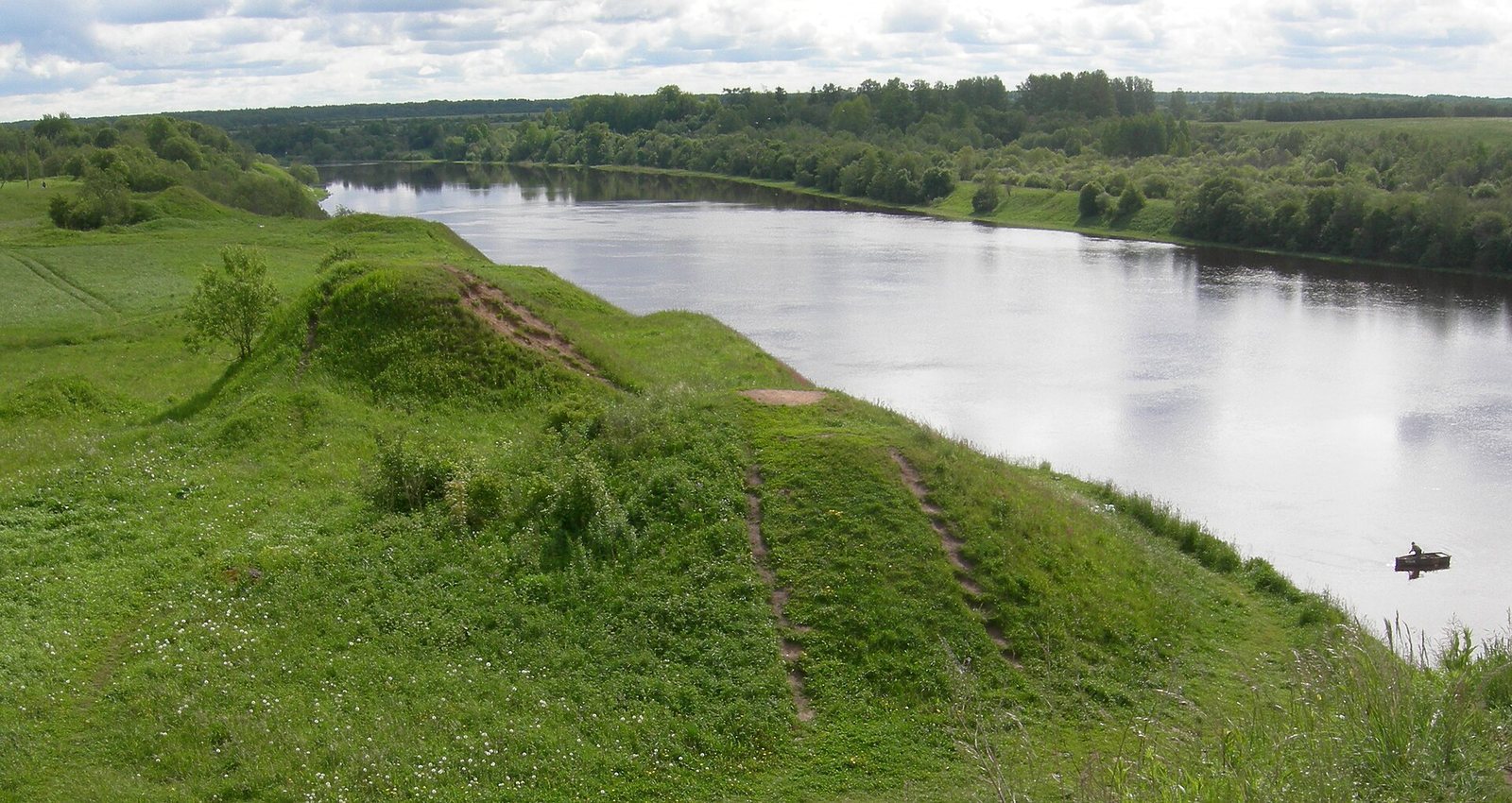
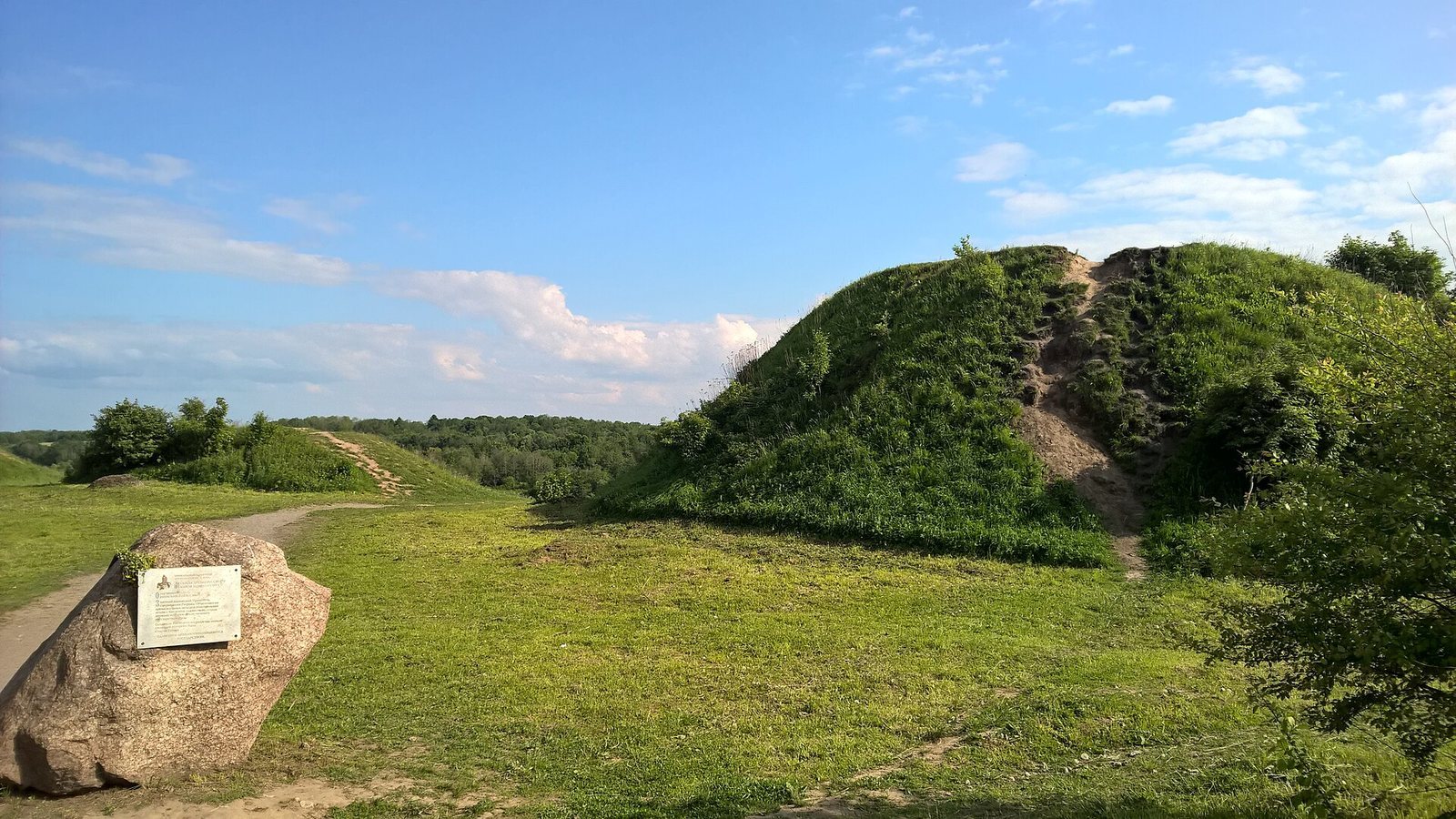
Staraya Ladoga mound 5-III, known as Oleg’s Grave, is an early medieval mound in the Sopki locality beside Staraya Ladoga, Russia. V. P. Petrenko assigned it an eighth-century date on the basis of its archaeological finds. Its association with Oleg, an early Rus prince, remains a later and disputed tradition.
Medieval accounts of Oleg
The First Novgorod Chronicle, a medieval East Slavic historical narrative whose compilation reflects the years 1093–1095, places Oleg’s death in 922 and describes his journey to Novgorod and then Ladoga. It also relates an alternative story in which a snake bites Oleg as he travels overseas, and gives Ladoga as his burial place.
A second version of the Primary Chronicle, compiled by Abbot Sylvester in 1116, instead dates Oleg’s death to 912 and places his burial on Shchekovitsa, a hill in Kyiv. Later chronicles vary between these accounts without identifying a specific burial site.
Medal design and nineteenth-century identification
A project prepared in 1783–1784 for a medal series illustrating early Russian history was one of 235 designs associated with Empress Catherine II. Project 39 gives Oleg’s death as 912, places his burial at Shchekovitsa, and includes the words “Glory does not fade.” The medal, struck from a die by Mint medalist Timofey Ivanov, shows four burial mounds. Their resemblance to mound groups in the northern Volkhov region may relate to Catherine’s 1785 journey along the rivers and canals of the Ilmen basin.
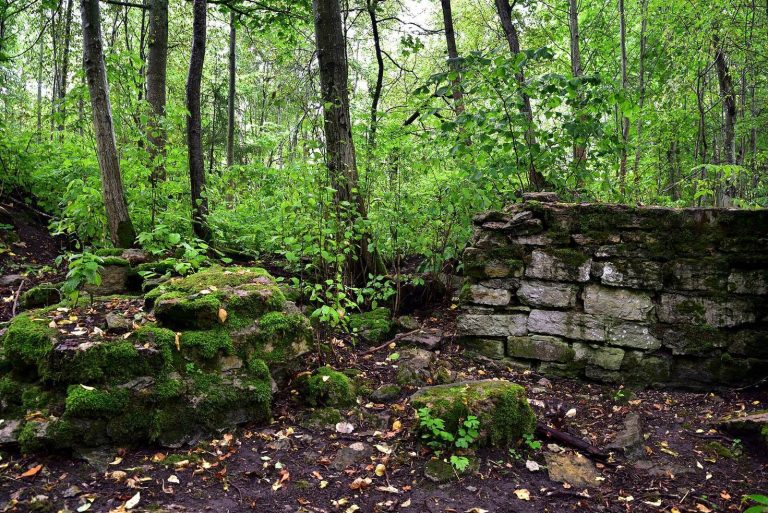
In 1885, archaeologist Nikolai E. Brandenburg first connected the Oleg burial tradition with the Volkhov mounds. He proposed mound 21-I as a possible grave, noting what appeared to be stone-slab masonry on its collapsed side. He excavated that mound in 1886 and, by 1896, had proposed mound 5-III as another possible burial place for Oleg.
Twentieth-century interpretations and folklore
In 1950, S. N. Orlov associated mound 5-III with a popular tradition that Oleg was buried there. Petrenko later argued that the name Oleg’s Grave became attached to the mound between the 1920s and 1940s through a merging of traditions. G. S. Lebedev rejected the identification as Oleg’s grave and proposed that the mound served as a place for public and religious activity.
A 1985 decision of the Leningrad City Executive Committee designated the mound a cultural heritage site of federal significance in Russia. Local stories recorded in 1994 say that the mound grew as people added handfuls of earth, and that Rurik was buried there. Rurik was a semi-legendary Scandinavian ruler traditionally regarded as founder of the medieval Rus ruling dynasty; the story of his burial at the mound may have literary roots. Other versions place his grave in Novgorod. One separate tale says that Swedes were turned back at the mounds before they reached the area.
Remains
Mound and burial
The mound rises about 10 metres. In V. P. Petrenko’s classification of the northern Volkhov mounds, it bears the number 5-III. It is also known as the Khodakovsky Mound and, in archaeological writing, the Hollow Mound. G. S. Lebedev dated a cremation burial investigated within it to the ninth century.
Finds from the 1820 excavation
In 1820, Polish antiquarian Zorian Dołęga-Chodakowski excavated about one-third of the mound’s volume. Finds included several burned bones, charcoal, and a piece of iron resembling a lock bolt. He also recovered a two-pronged spearhead, described at the time as an “arrow.” Its narrow projecting tang was used to attach it to a shaft, and the spearhead dates from the eighth to the early ninth century.