St Thomas Fort: A Portuguese Coastal Fort in India
Site at a Glance
- Popularity
- Medium
- Country
- India
- Primary era
- Early Modern
- Eras represented
- Early Modern
- Civilizations
- Portuguese
- Site type
- Military
- Remains
- Fort
On this page4 sections
History
Trade and Portuguese Fortification
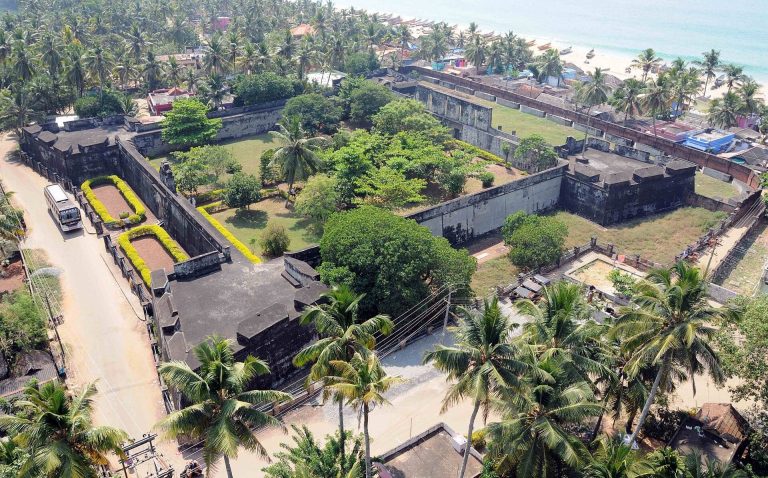
St Thomas Fort is a ruined Portuguese coastal fort at Tangasseri, in Kollam, Kerala, India. Built in 1518 in the Portuguese Colonial style, it was intended to protect trade and assert Portuguese sovereignty. Tangasseri had links with Chinese trade from the first millennium AD and later came to be called the “gold village.” At Quilon, Captain Rodriguez received the queen’s permission to oversee the trading factory and commerce.
The Portuguese established a trading port at Tangasseri in 1505. In 1518, under Afonso de Albuquerque, they built the fort to defend this developing trade. Albuquerque was a Portuguese military commander and colonial administrator active in the Indian Ocean.
Dutch and British Control
In 1661, the town and fort passed to the Dutch. They made Tangasseri the capital of Dutch Malabar, their colonial territory along India’s southwestern coast, and held the fort for several years. The British East India Company, a trading company that also wielded territorial and military power in India, took possession in 1795. In 1823, the British government leased the fort to Travancore, a kingdom in southern India, for twenty years. The Archaeological Survey of India, India’s national agency for archaeological research and monument protection, manages the fort today.
Remains
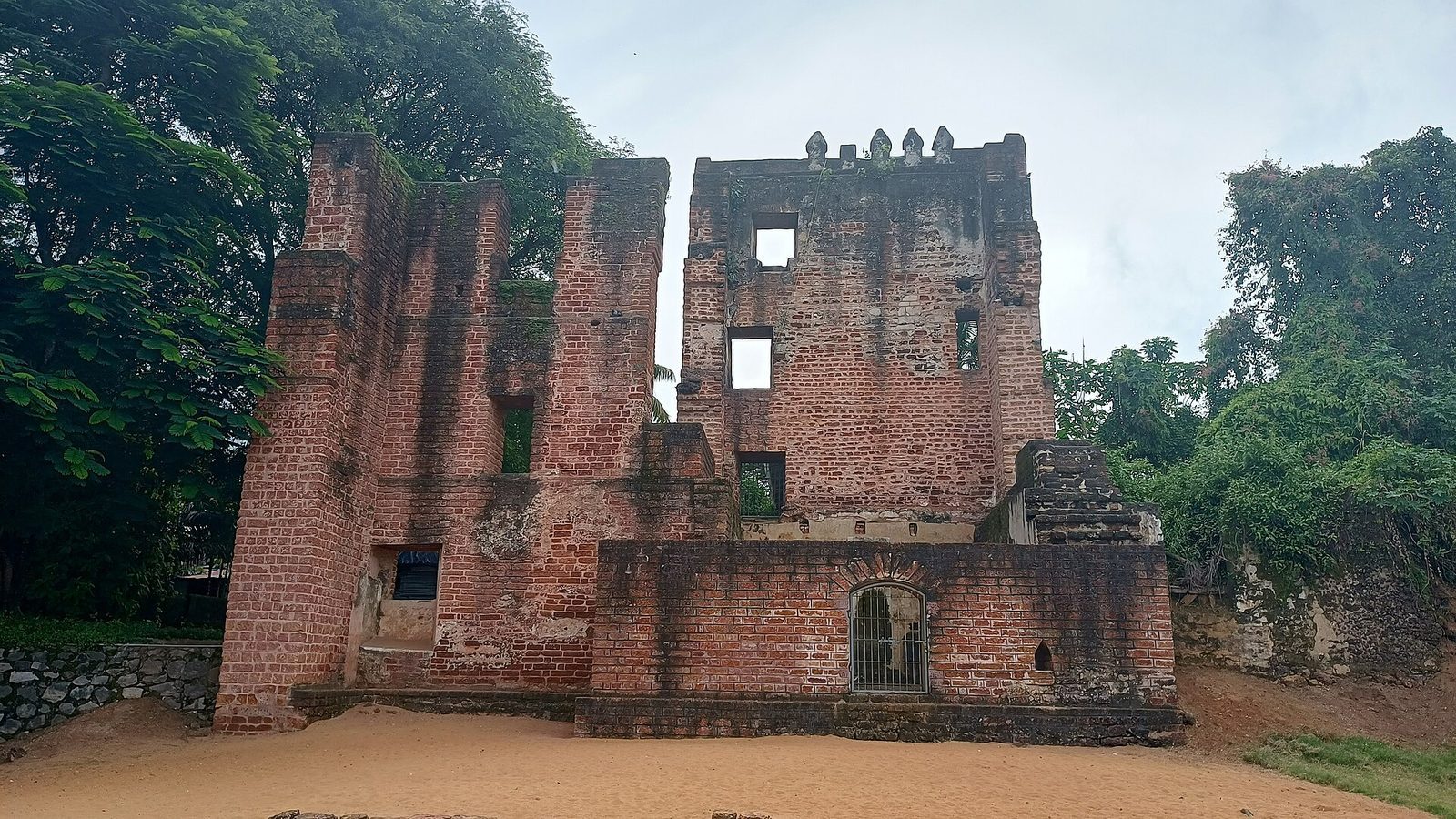
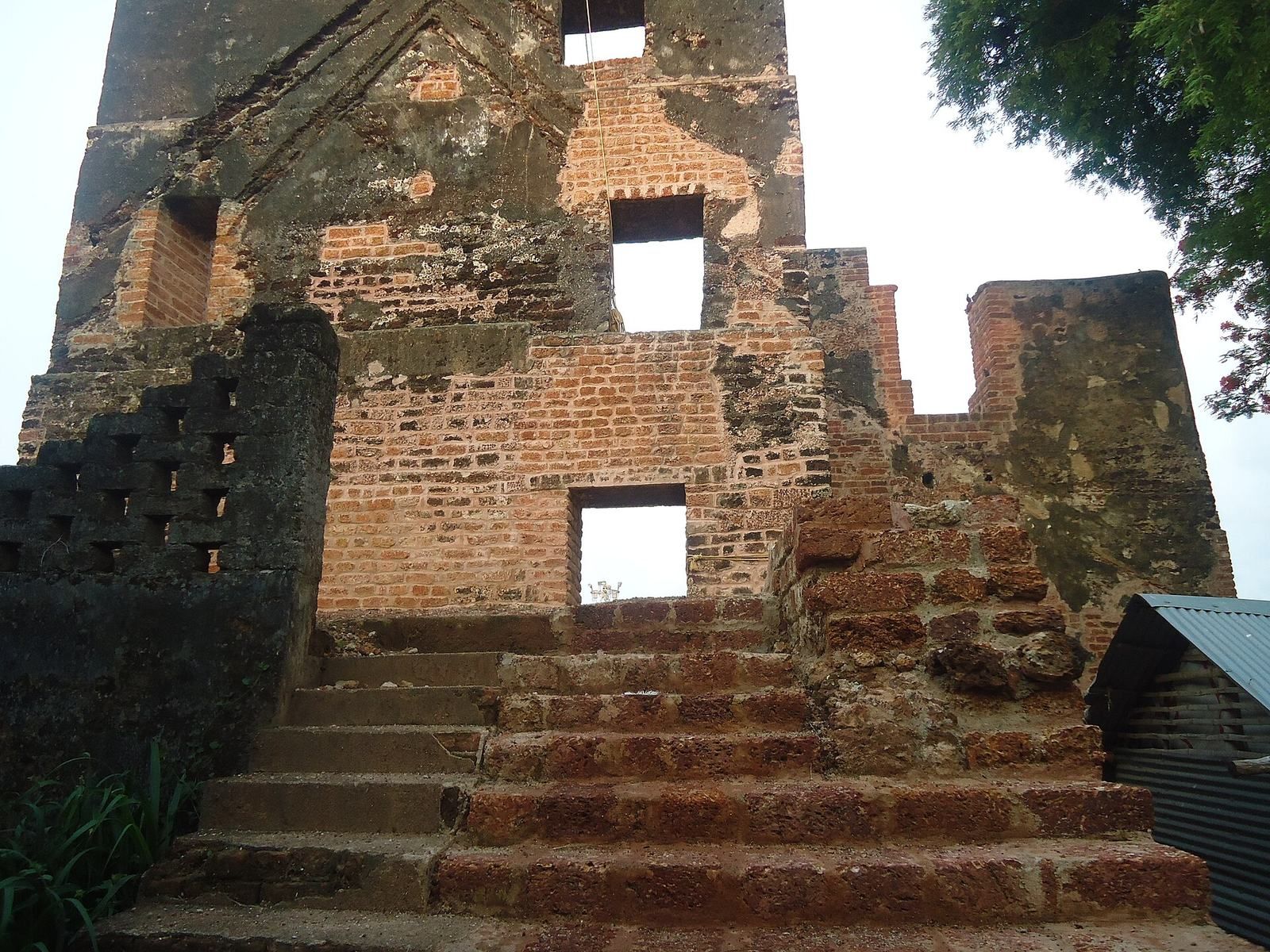
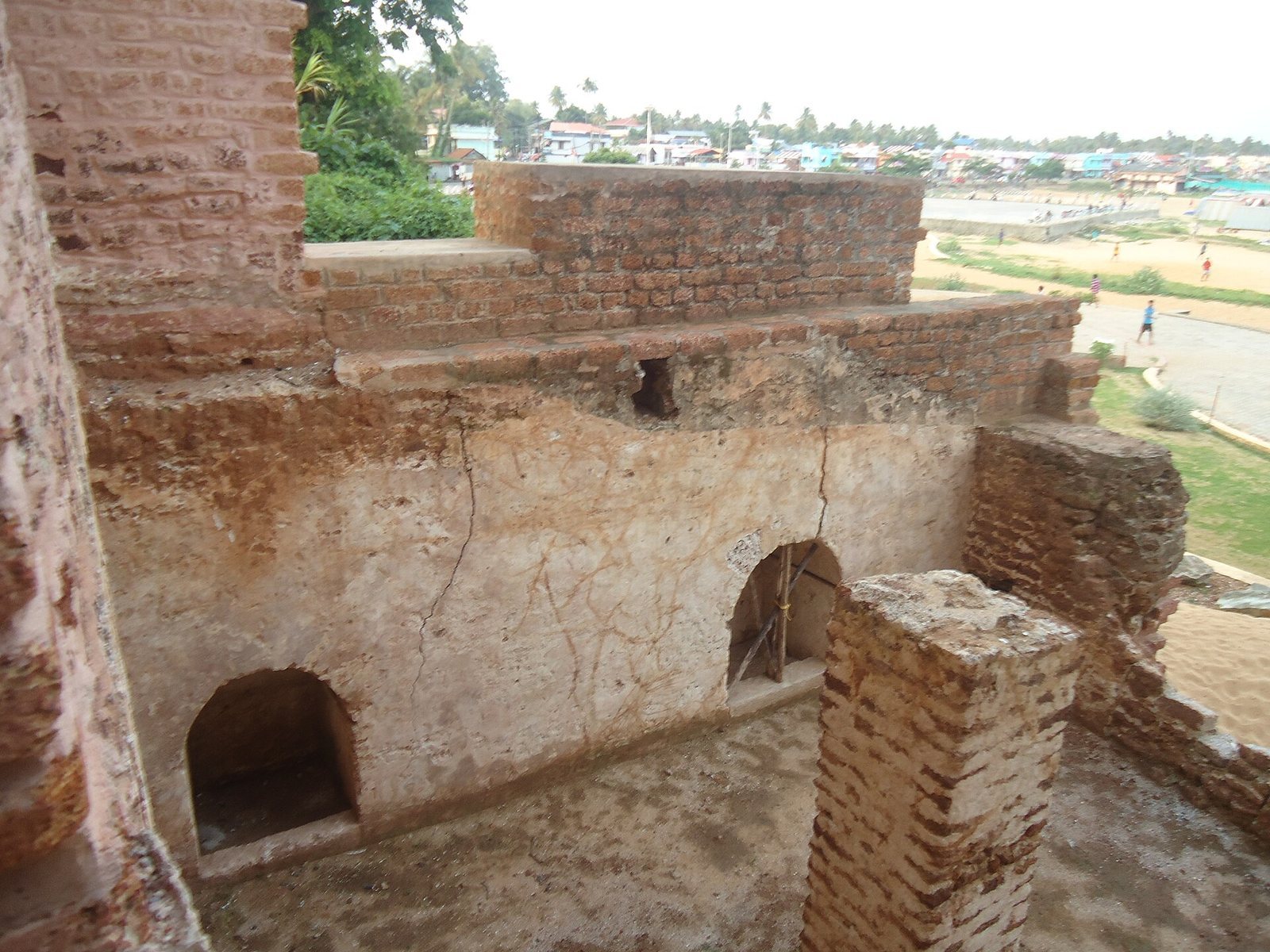
Built of sandstone joined with lime mortar, the fort originally stood about 20 feet (6.1 metres) high. Only a small part remains, facing the beach.