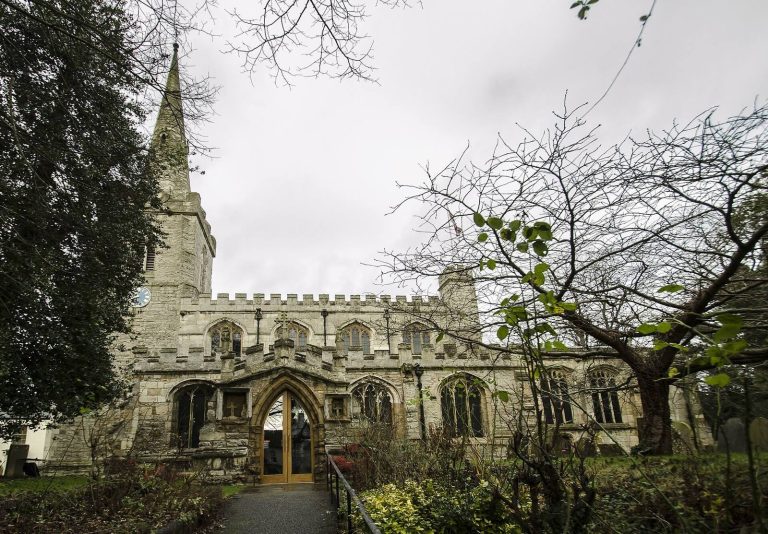
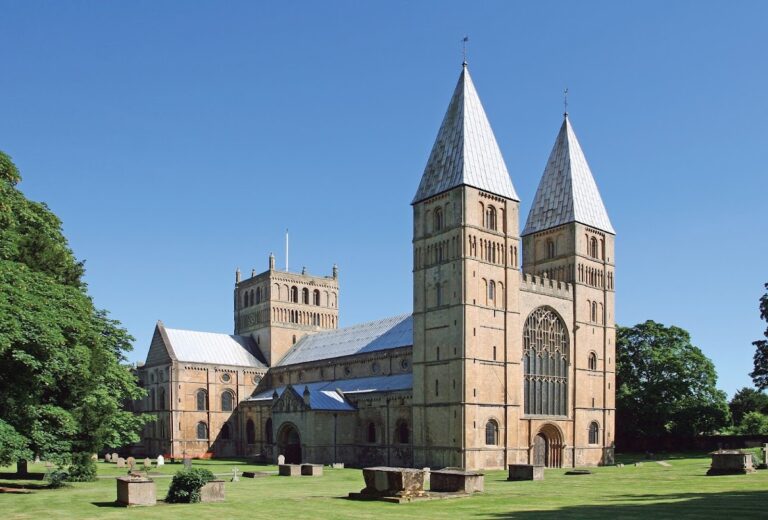
St John the Baptist’s Church, Collingham: A Grade I Listed Parish Church
Site at a Glance
- Rating
- 5
- Popularity
- Very Low
- Country
- United Kingdom
- Primary era
- Medieval
- External website
- Open
- Eras represented
- Medieval, Modern
- Civilizations
- British, English
- Site type
- Religious
- Remains
- Church
On this page7 sections
History
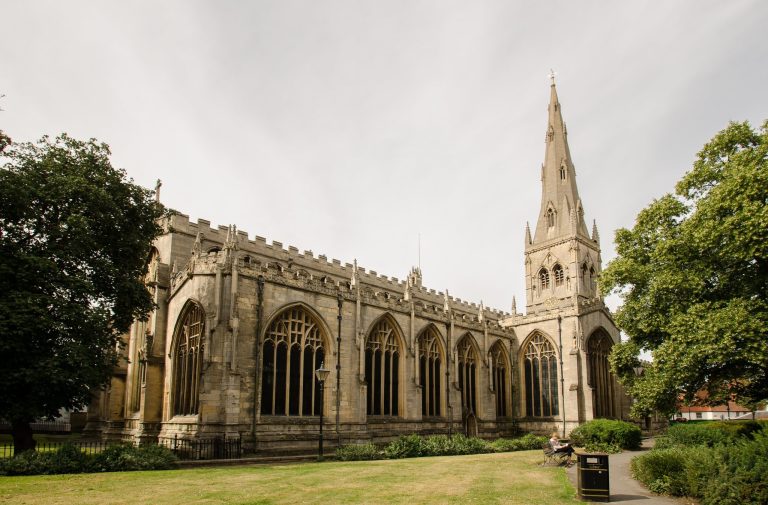
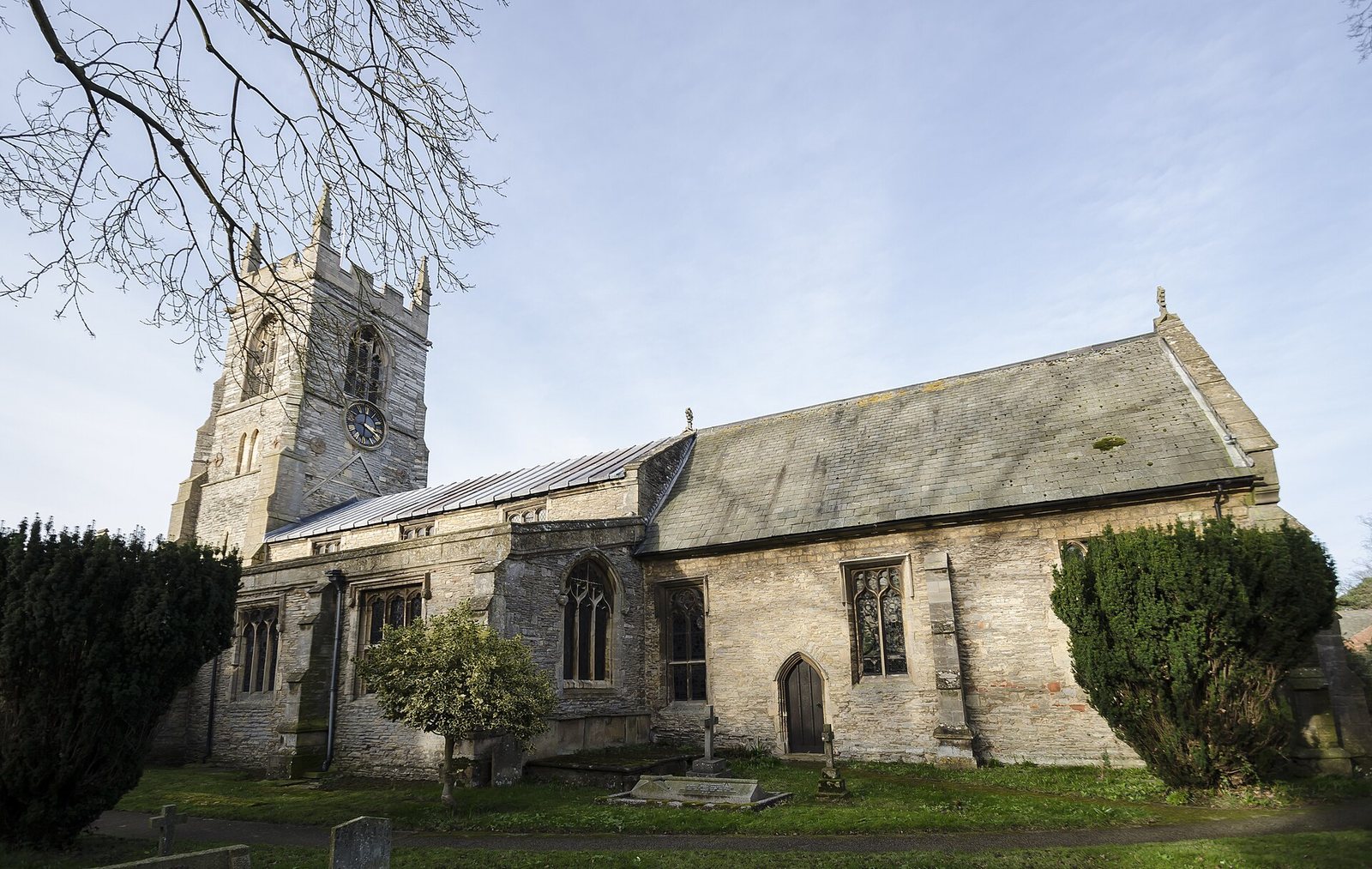
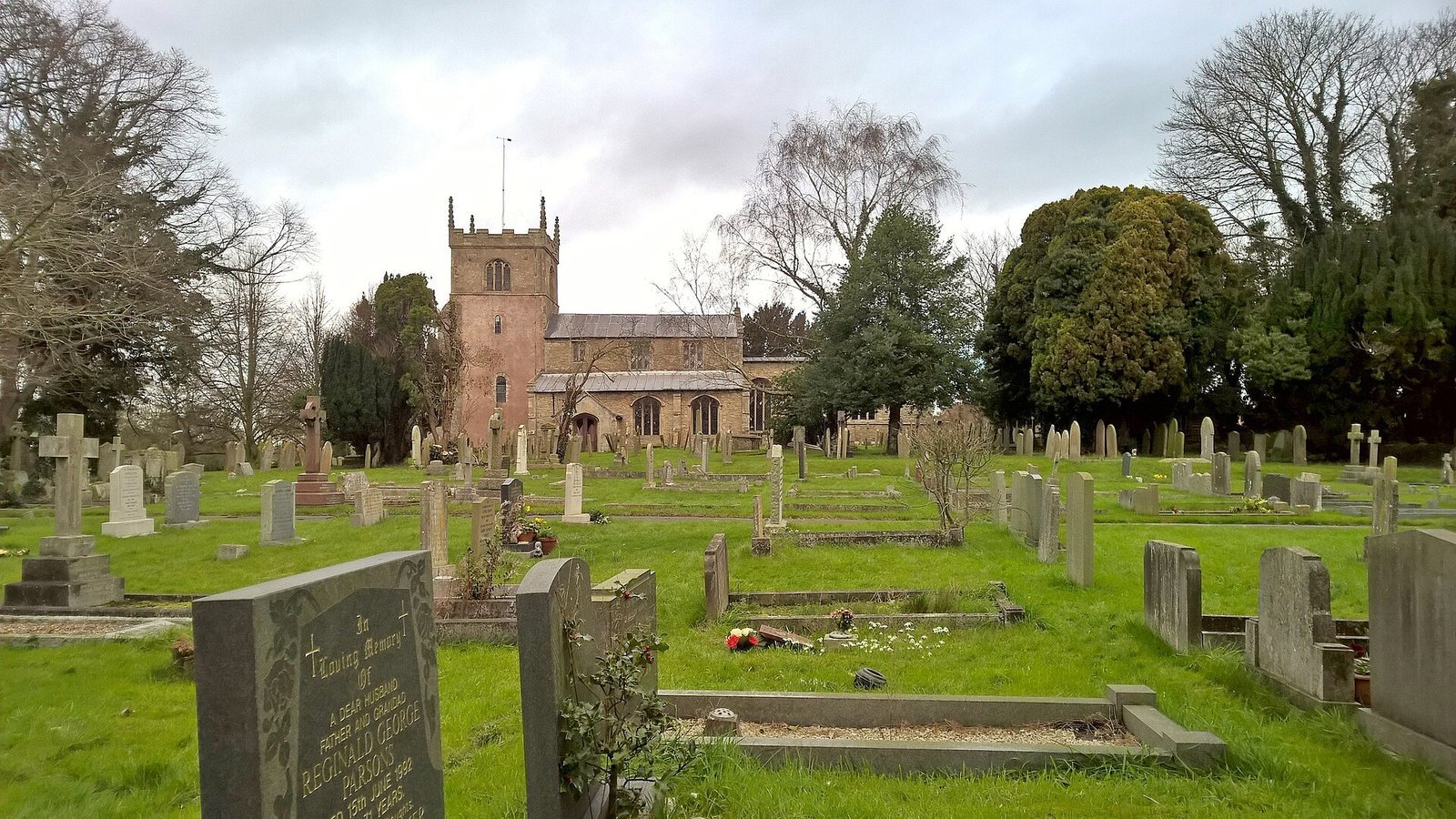
St John the Baptist’s Church is a Church of England parish church in Collingham, United Kingdom, dating from the twelfth century. Dedicated to St John the Baptist, it belongs to the Diocese of Southwell and Nottingham, within the Archdeaconry of Newark and the Deanery of Newark and Southwell. The church is a Grade I listed building, the highest level of statutory protection for buildings of exceptional architectural or historic interest in England.
Nineteenth-century restoration
Rector Joseph Mayor began restoration work in 1846. The nave received open benches made of Memel timber, and further benches were added during the later restoration to match those installed in this earlier phase.
J. H. Hakewill directed a more extensive restoration in 1862 and 1863. The gallery was removed, the arches were restored, and the chancel walls were raised. A new timber roof was provided, the walls were stuccoed, and the windows were reglazed with cathedral glass, a translucent coloured or textured glass. New stone dressings and furnishings were also installed, while memorial tablets were restored. Zinc tablets displaying the Ten Commandments were fixed to the walls, and open benches were added to the nave.
Later changes
The organ was enlarged by Forster and Andrews in 1863. It was replaced in 1883 by a new instrument made by Wordsworth and Maskell. The tower was restored in 1886, followed by another restoration of the church in 1890.
St John the Baptist’s Church forms part of a group of parishes that includes churches at Langford, Holme, Girton, Harby, North and South Clifton, Collingham, South Scarle, Besthorpe, Thorney, and Winthorpe.
Remains
The church retains a twelfth-century building whose visible fabric includes a restored tower, restored arches, a raised chancel, and a timber roof supplied during the 1862–1863 restoration. The walls are stuccoed, and the windows contain cathedral glass with new stone dressings associated with the same work.
Interior furnishings and fittings
Nave furnishings
The nave contains open Memel-timber benches, including the benches installed in 1846 and the matching additions made in 1862–1863. The later restoration also provided a pine pulpit and lectern and an oak altar rail. Restored memorial tablets and zinc tablets displaying the Ten Commandments remain among the church’s interior fittings.
Bells and organ
The tower has a five-bell peal cast by Thomas Mears in 1841. The church’s organ is the instrument made by Wordsworth and Maskell in 1883, which replaced the earlier organ enlarged by Forster and Andrews in 1863.