Sretensky Monastery, Nerekhta: The History of Its Vladimir Icon Church
Site at a Glance
- Popularity
- Low
- Country
- Russia
- Primary era
- Early Modern
- Eras represented
- Early Modern, Modern
- Civilizations
- Russian
- Site type
- Religious
- Remains
- Church
On this page13 sections
History
Foundation and construction
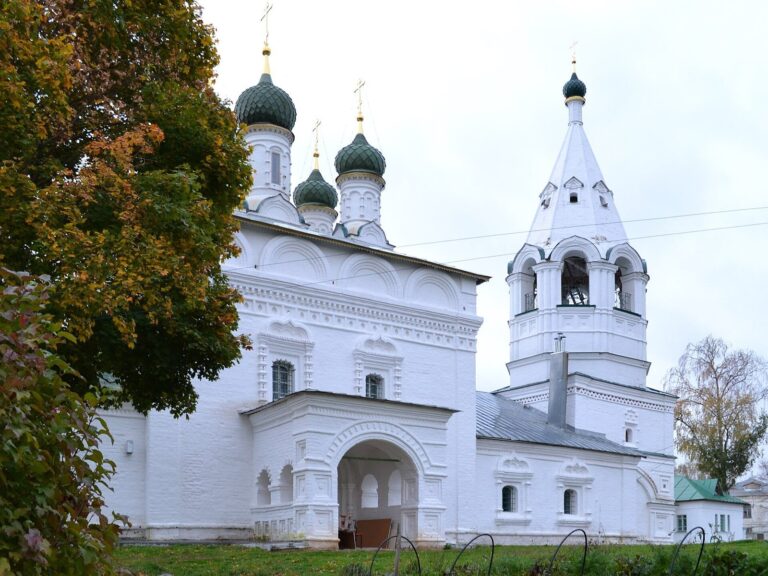
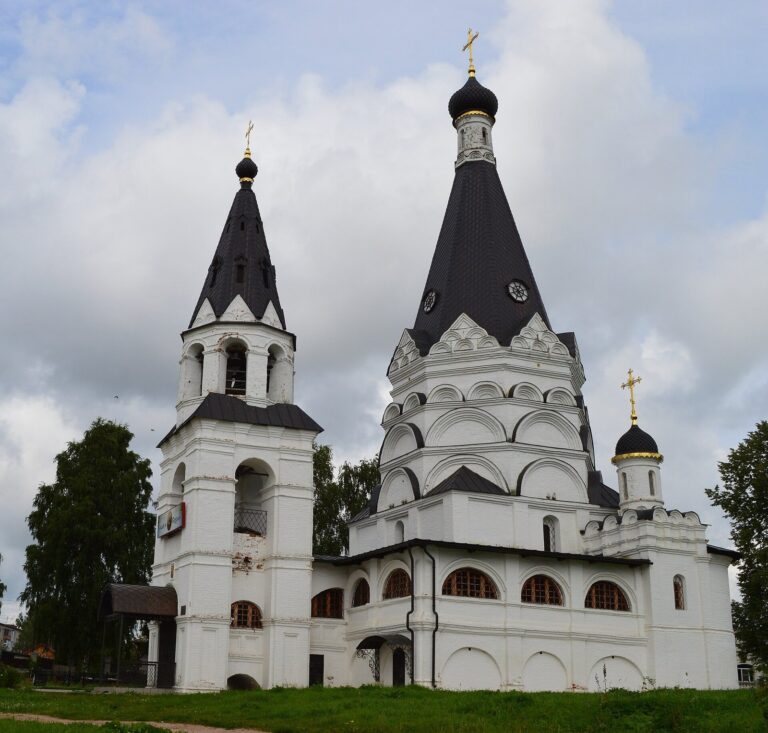
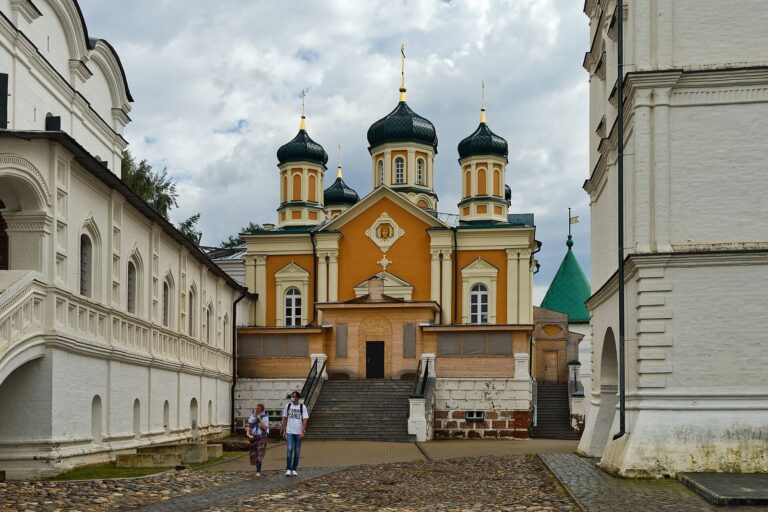
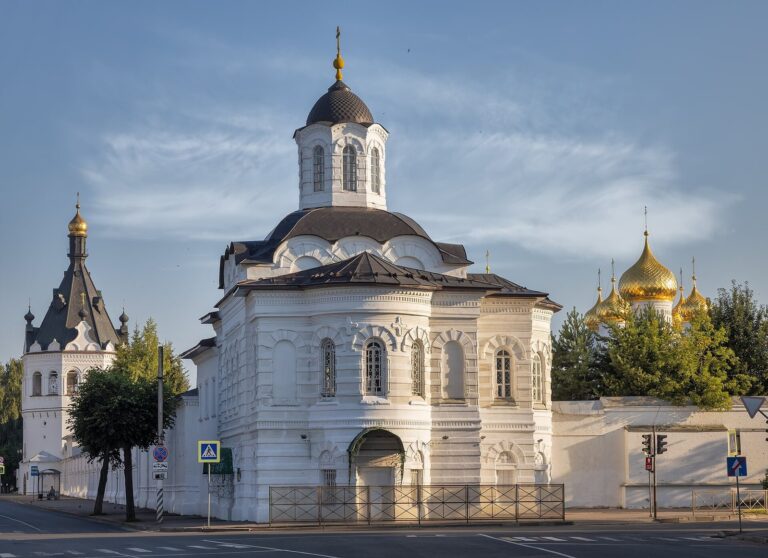
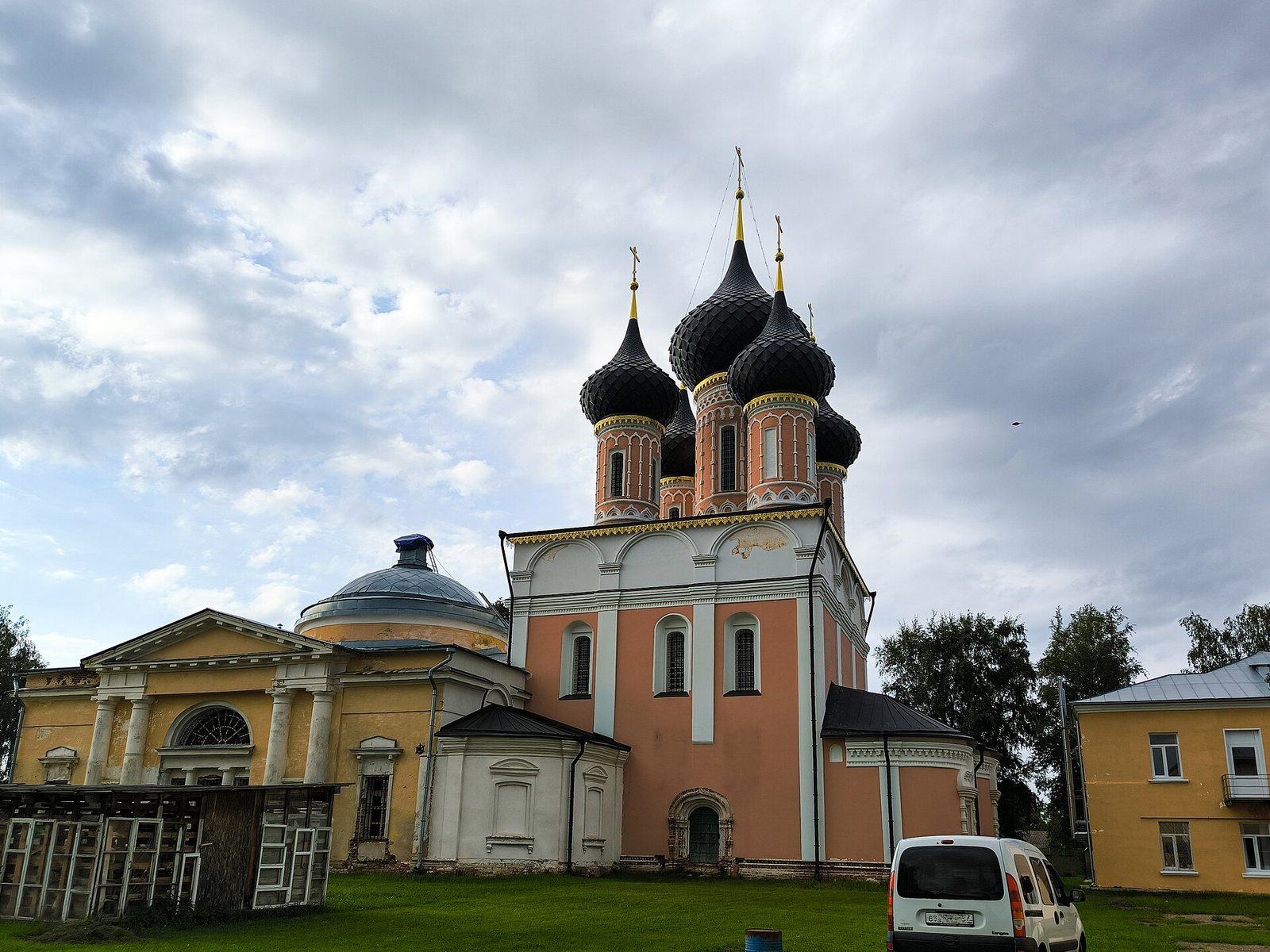
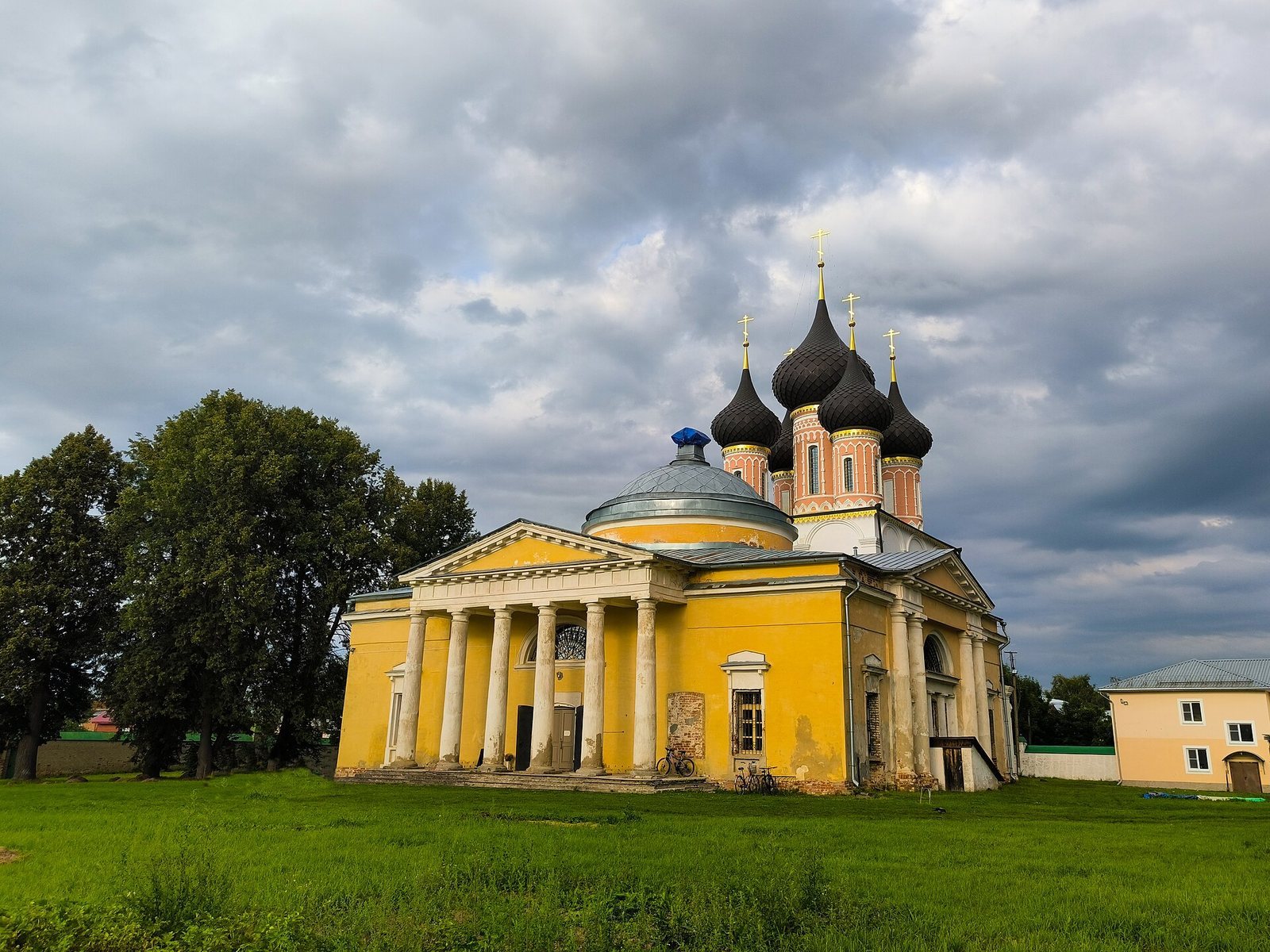
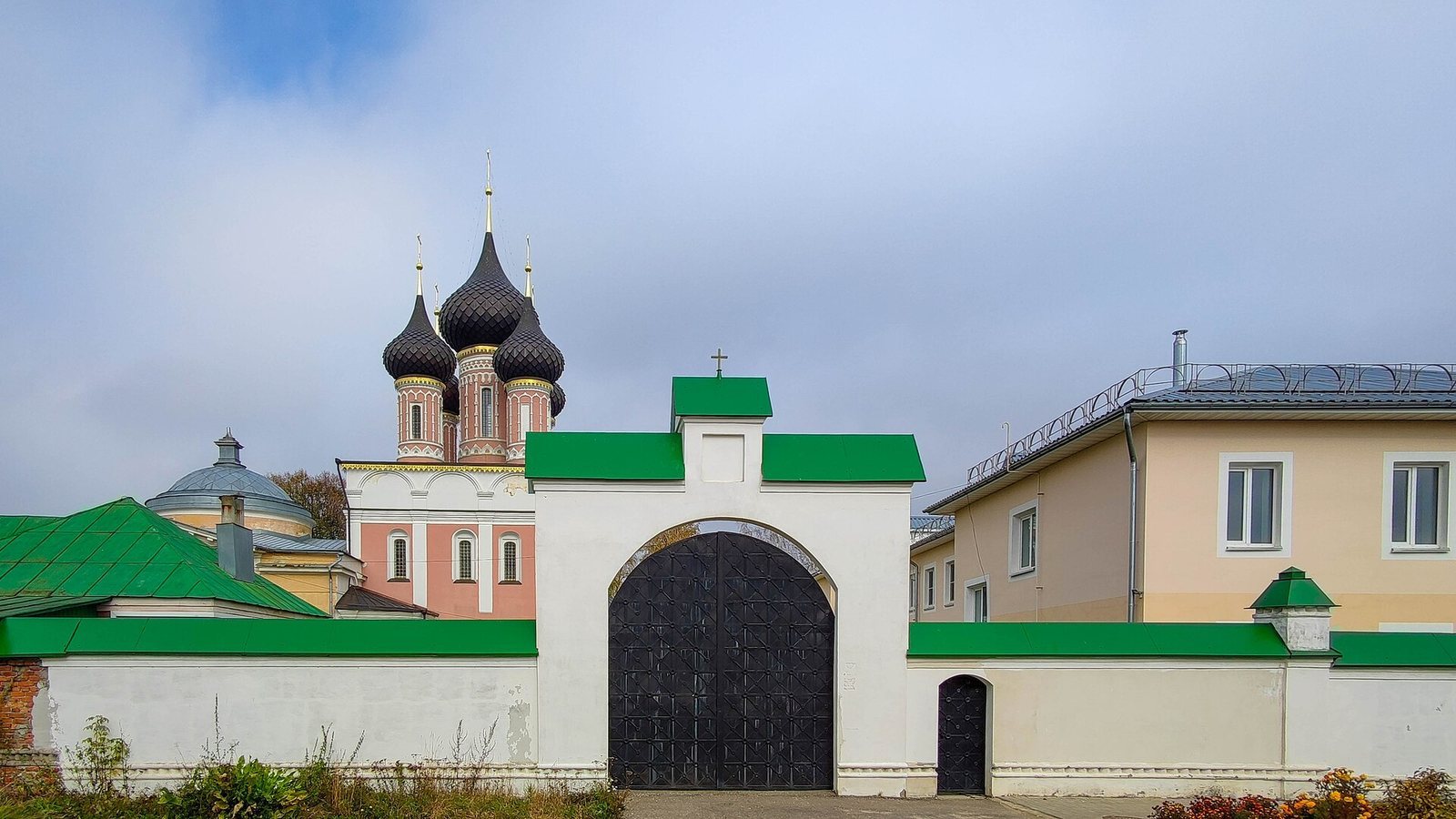
The Vladimir Icon of the Mother of God Church, named for an Orthodox devotional image of Mary, stands on the former site of the Sretensky monastic community in Nerekhta, Russia. The church was completed in 1685. The name Sretensky refers to the Presentation of the Lord, a Christian feast commemorating the infant Jesus being presented at the Temple.
The community was established there in 1634, when a wonderworking image of the Vladimir Mother of God was brought from Yaroslavl. Ioann Averkiev, a man from that city, led efforts to build the church. Tsar Fyodor Alekseevich, who ruled Russia from 1676 to 1682, visited Nerekhta in 1678 to venerate the icon and provided substantial funds from the royal treasury. In 1685, Peter Alekseevich, who became tsar in 1682 and later ruled as Peter I, ordered a further 250 rubles to finish the work.
Parish church and later changes
After the monastery closed in 1764, the Vladimir church became a parish church. A heated side church was added in 1833 with money from donors. Its southern altar was dedicated to the Presentation of the Lord, while the northern altar was dedicated to Archangel Michael.
Closure and return to use
The church closed in the 1930s. Its bell tower was destroyed, and the wonderworking Nerekhta icon disappeared. It was found in 1983 and restored, then kept first in a museum and later in Nerekhta’s Holy Cross Exaltation and Transfiguration churches. In 2004 the church complex was transferred to the Kostroma Diocese, and the icon was returned. The church is active and belongs to the Russian Orthodox Church, the Kostroma Diocese and the Nerekhta deanery, an administrative grouping of parishes.
Kostroma restoration artists working under A. Malafeev restored the church’s wall paintings between 1995 and 2006. The church is a federally significant cultural heritage property of the peoples of the Russian Federation.
Remains
The church complex
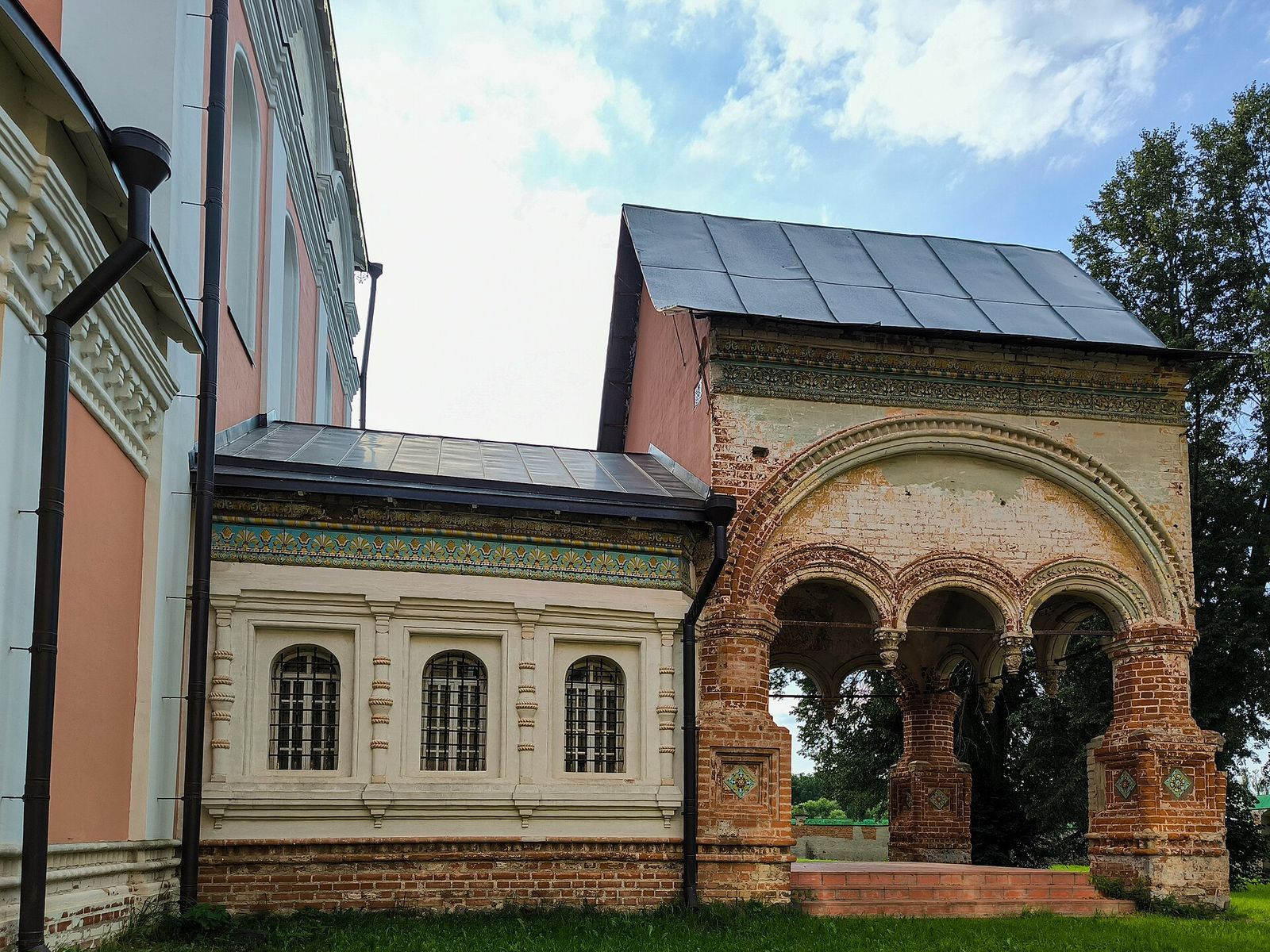
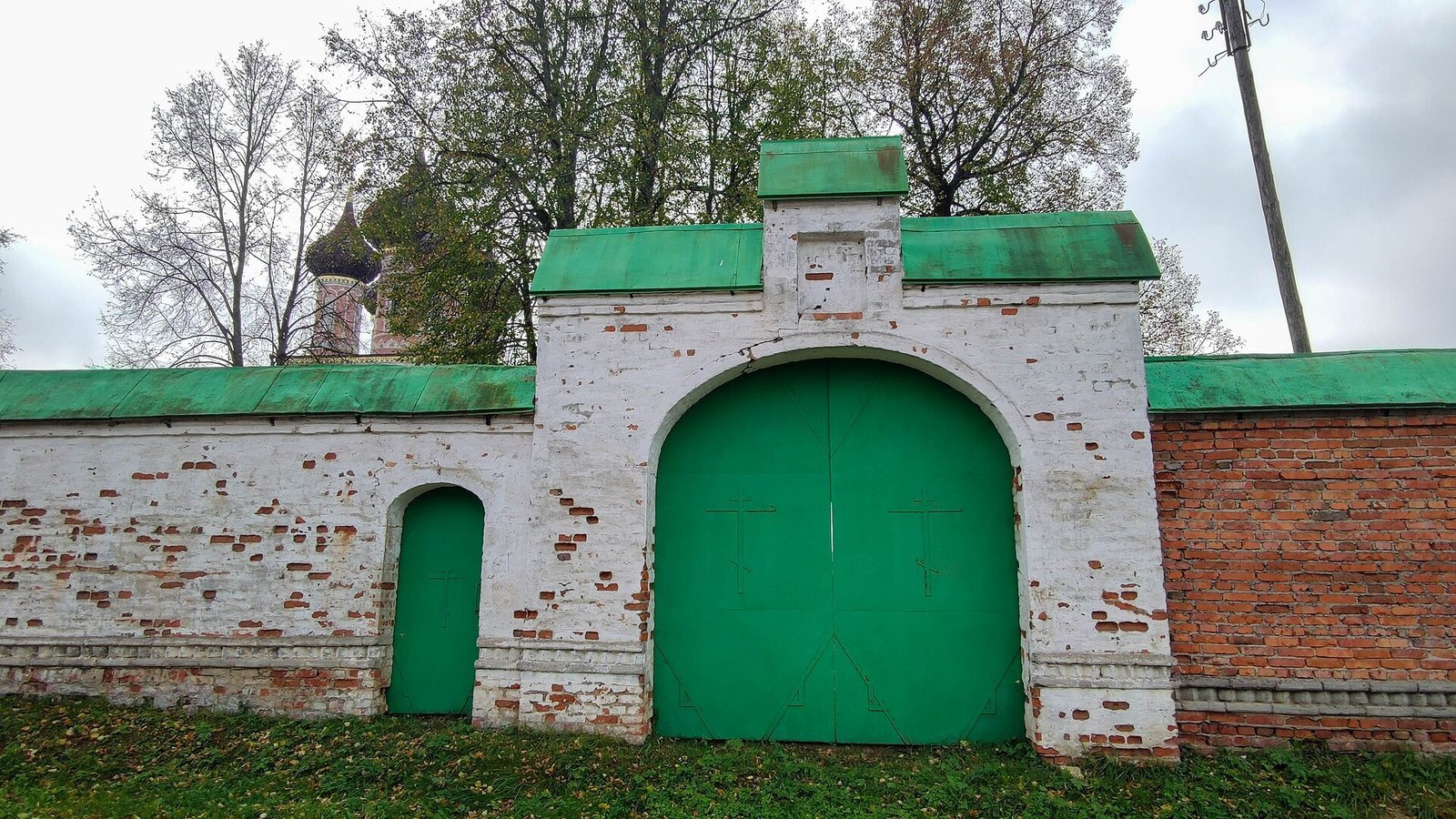
A stone fence encloses the church complex. Its cold church, generally unheated, is dedicated to the Vladimir icon; the warm church is heated for use in colder seasons. The warm church contains two altars, one on the south side for the Presentation of the Lord and one on the north side for Archangel Michael.
Wall paintings
Painted tiers and icon cycles
The church’s surviving glue-based wall paintings date to 1775. Walls and pillars are covered in five tiers of dense, carpet-like decoration. Small frames do not divide the tiers; instead, painted architectural screens mark out individual scenes. A sixth, lower tier fills areas without wall-mounted or pillar-mounted icons. Patterns vary across the painted bands, borders and round framed scenes.
The imagery combines several sources. Some compositions take subjects from European engravings, including illustrations in the Piscator Bible, an illustrated Bible edition, without copying the engravings’ style. Scenes about the Vladimir Mother of God draw on Russian icon traditions, adapting miniature images to a larger scale. A cycle about the wonderworking Nerekhta icons follows a local account written by Ioann Averkiev in 1635 and copied into a manuscript compilation made in 1767 by the Nerekhta merchant Andrei Nestorovich Tretyakov.
Artists and styles
The paintings are attributed either to the Yaroslavl artist Mikhail Alekseevich Soplyakov and his associates, or to the brothers Afanasy and Ivan Shustov with a group of artisans. The Shustovs’ team had also painted Nerekhta’s Epiphany, or St. Nicholas, Church in 1767. Two distinct artistic approaches can be seen in the church paintings, though the ensemble holds together through a shared decorative and color scheme, including consistent treatment of architectural motifs.
One approach emphasizes drawing, energetic lines and a measured rhythm of contrasting blue, red, white and deep green. Faces are built up over brown underpainting in dark ochre and red, with short white highlights. The other favors scenes with many figures, architectural details and carefully worked landscapes, making extensive use of engraved Bible illustrations. Its figures are compact and restrained in movement; bright blue contrasts with ochre, orange replaces red, and faces are modeled in two ochre shades, with outlines but no highlights in the lighter areas.
Crucifixion composition
In one Crucifixion scene, a small Christ appears off center among saints arranged in rows on tiers of clouds. God the Father looks down from above as the Holy Spirit descends. A lower grouping resembles a Deesis, a composition of Christ with figures who intercede before him, and incorporates a sacrificial altar, with the Crucifixion placed above. The building behind Christ is rendered in detail, including forms drawn from classical architecture.
Refectory paintings
Dome painting
The refectory, a communal dining room, has a dome with an oil painting rather than glue-based paint. Its circular composition, “New Testament Trinity with the Host of Heavenly Powers,” depicts the Father, Son and Holy Spirit, with angels arranged in a ring. A molded cornice with projecting decorative blocks, called modillions, frames the painting. N. I. Bazhenov of Bolshie Soli painted it in 1914 in an academic style, using a muted palette and half-tones.
Fragments above the passage
Fragments of glue-based painting from the 1770s survive above the passage between the refectory and the church.