Southern Saru Castle: Principal Fortress of the Saru Pair
Site at a Glance
- Popularity
- Medium
- Country
- Iran
- Primary era
- Medieval
- Eras represented
- Medieval
- Civilizations
- Nizari Ismaili State
- Site type
- Military
- Remains
- Castle
On this page4 sections
History
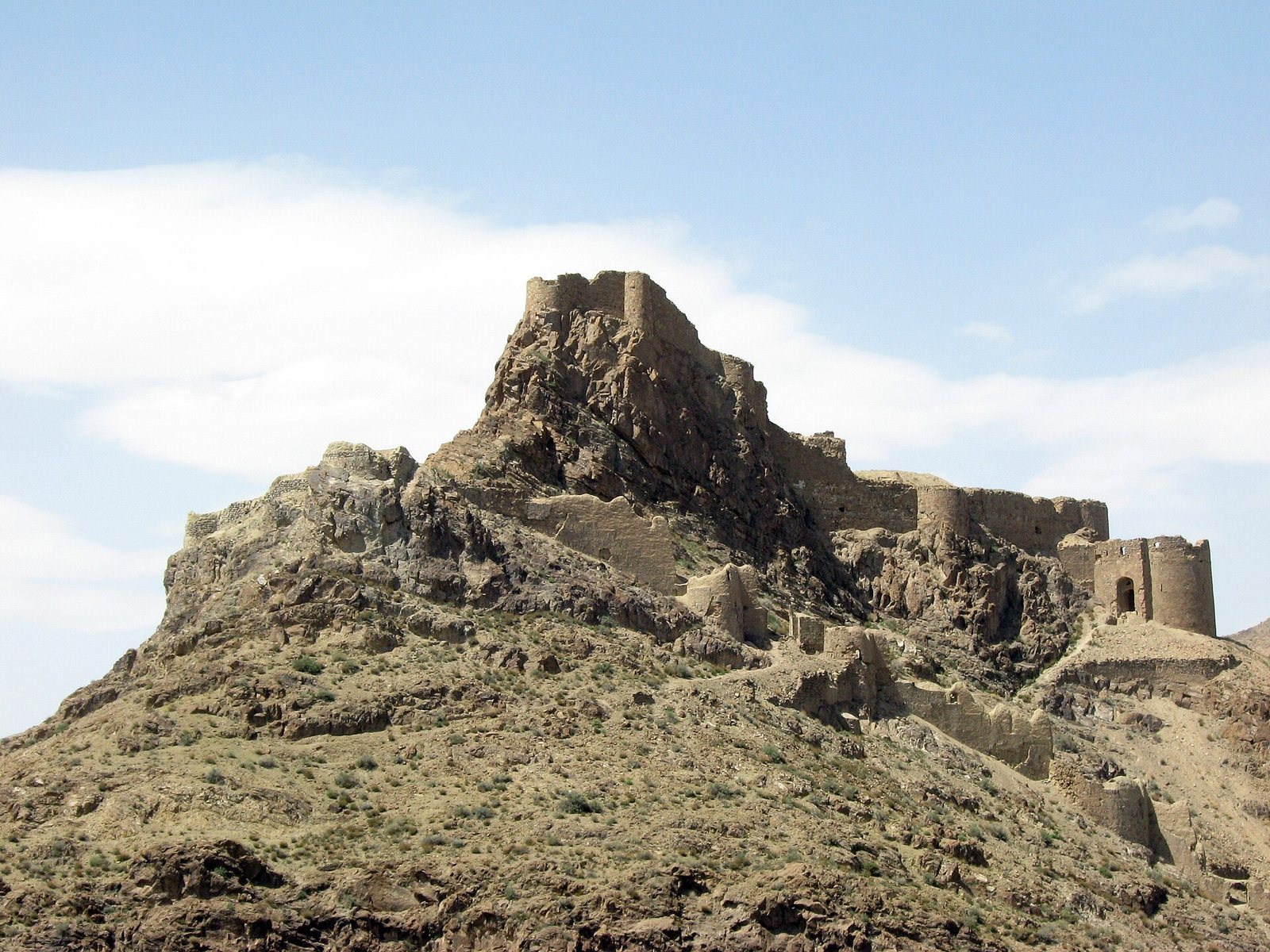
Southern Saru Castle, also called Greater Saru, is the principal fortress of a pair near Semnan in Iran’s historical Qumis region. Its construction date is uncertain. Tradition attributes the site to the legendary Kayanian dynasty, while a pre-Islamic origin in the Sasanian period, when the Sasanians ruled Iran from the third to the seventh century, is also possible.
The fortifications are thought to have been used by the Arsacids, the ruling house of the Parthian Empire, the Dabuyids of Tabaristan, and the Buyids, an Iranian dynasty. Nizari Ismailis, a branch of Ismaili Shia Islam, built the present castle over an earlier fortification and may have strengthened its defenses.
Saru is also rendered as Soru, though the name’s origin is uncertain. A legend tells of a concealed path or tunnel linking the Saru fortifications with Gerdkuh, another castle about 80 kilometres away in Qumis. Southern Saru Castle was designated an Iranian national monument in 2001.
Remains
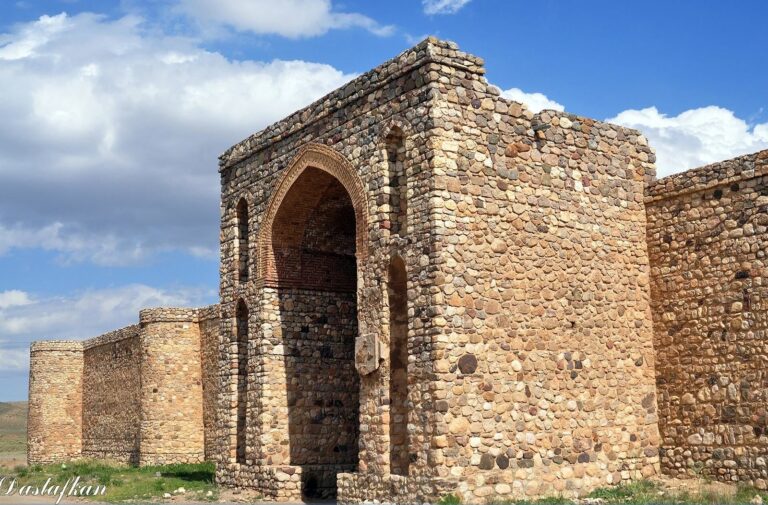
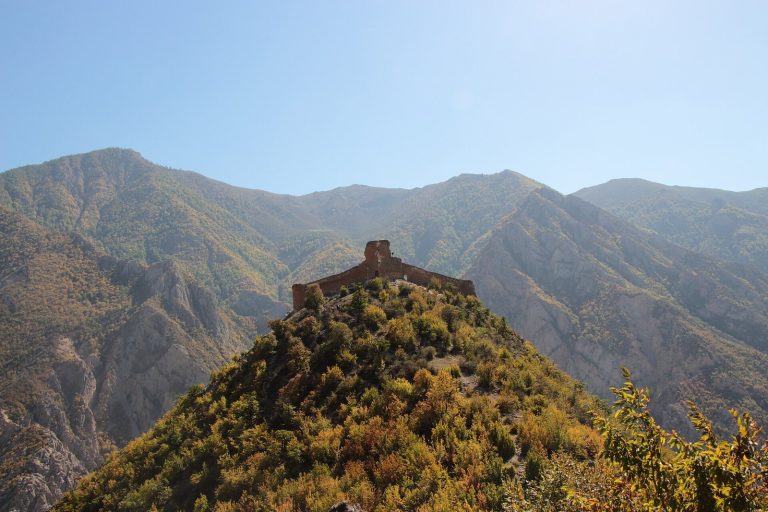
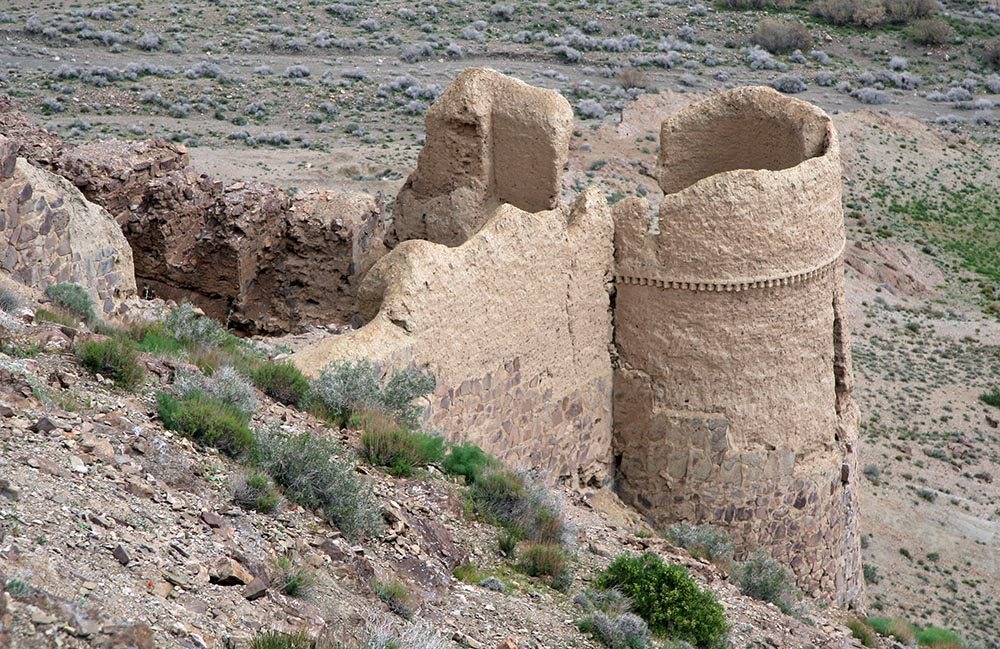
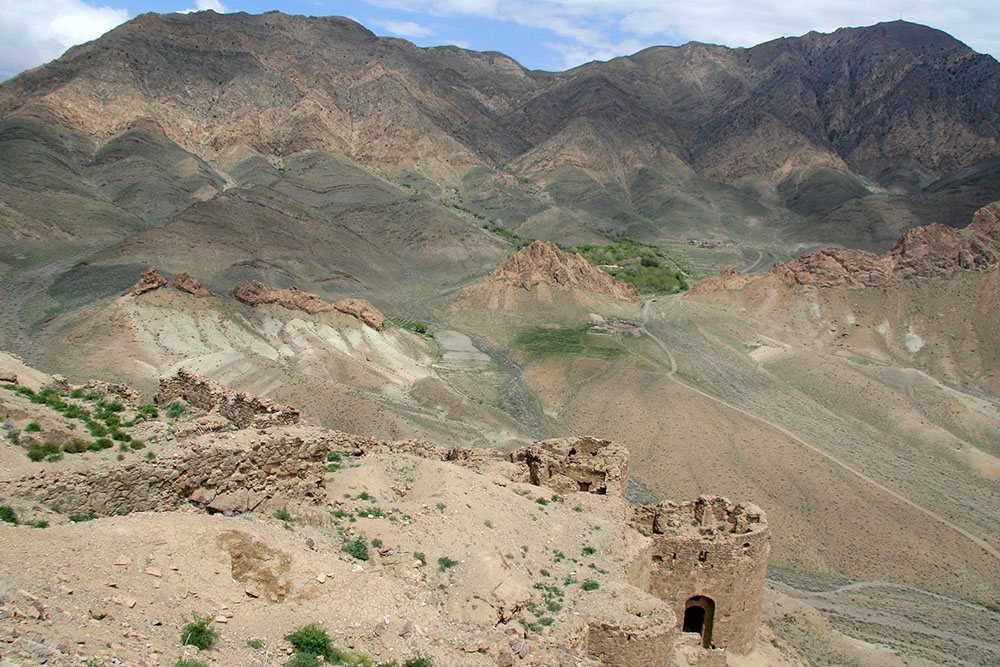
The two castles stand on mountains on opposite sides of the Kalāteh Sārū valley, also known as Mazra’eh-ye Sārū. Lesser Saru lies about one kilometre from Greater Saru, which stands roughly 100 metres higher. Construction materials include stone, tile, and saruj, a traditional waterproof mortar. The castles’ architectural classification includes Ismaili, Sasanian, and Seljuk traditions, the last associated with a medieval Turkic dynasty.
Greater Saru
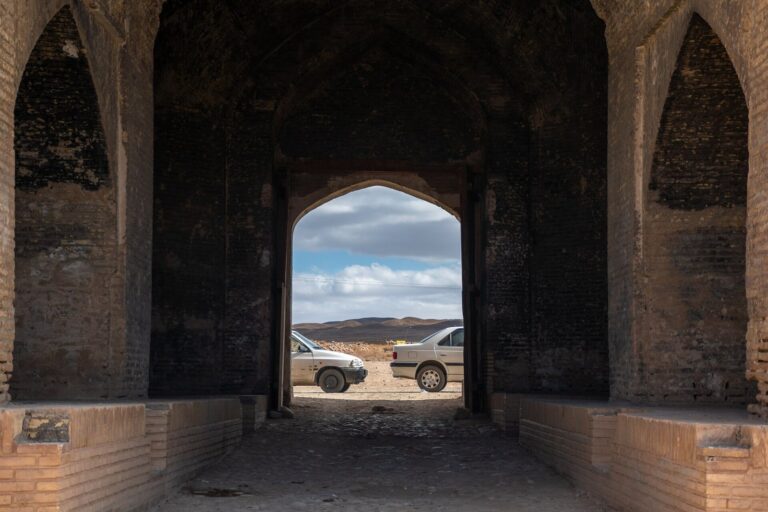
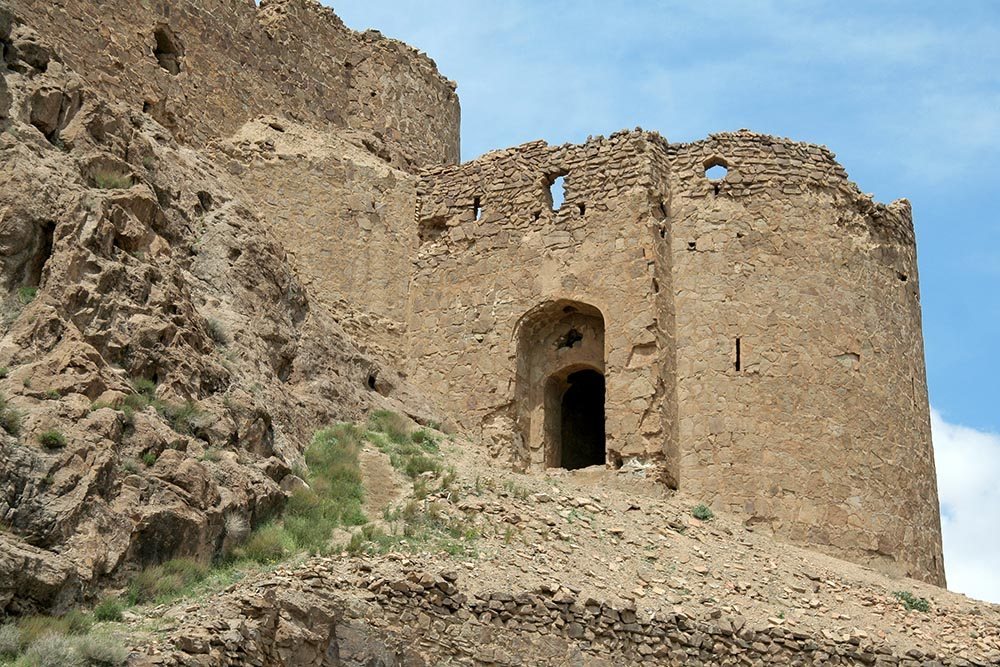
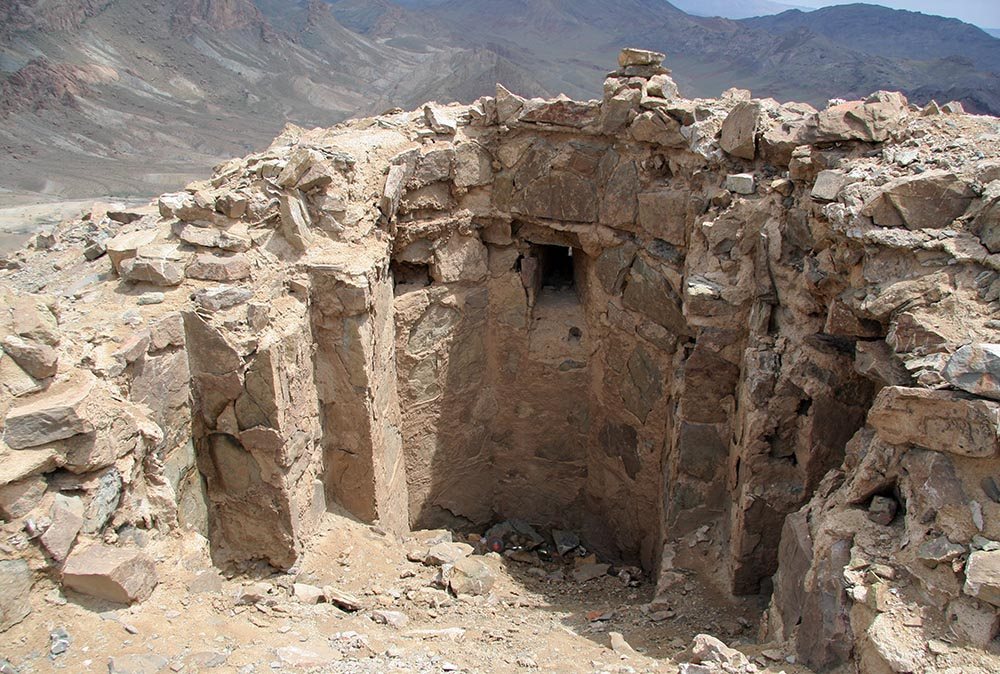
Greater Saru remains relatively intact, with substantial sections preserved. Its defenses include three outer walls and a main entrance that changes direction twice. The fortress also has a developed water-catchment area.
Lesser Saru
Lesser Saru is mostly ruined. It guarded natural springs, from which water was pumped to Greater Saru. Its water installations included cisterns and a qanat, an underground channel for conveying water from a spring or groundwater source.