Knock Castle on the Isle of Skye: A Clan Stronghold
Site at a Glance
- Popularity
- High
- Country
- United Kingdom
- Primary era
- Medieval
- Eras represented
- Medieval, Early Modern
- Civilizations
- Kingdom of Scotland
- Site type
- Military
- Remains
- Castle
On this page7 sections
History
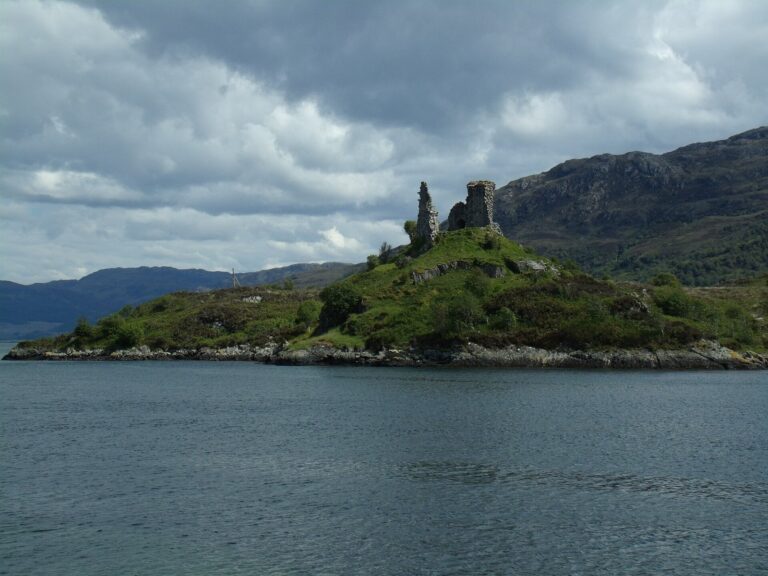
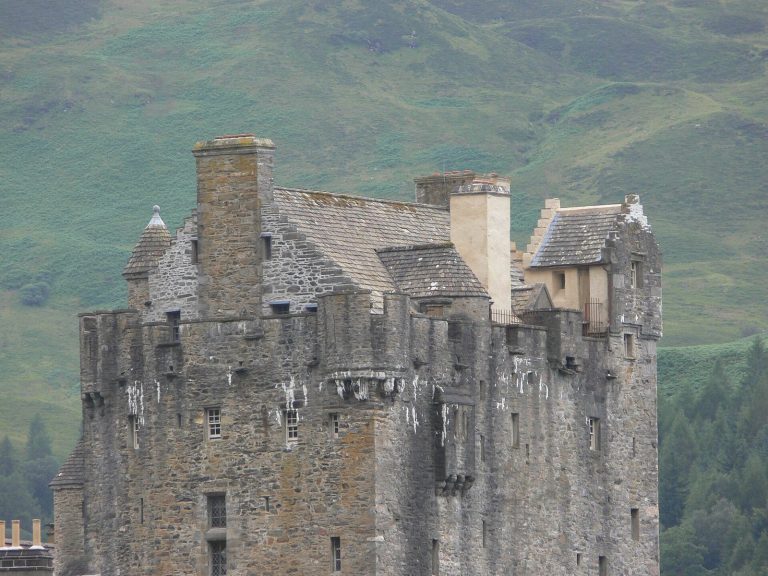
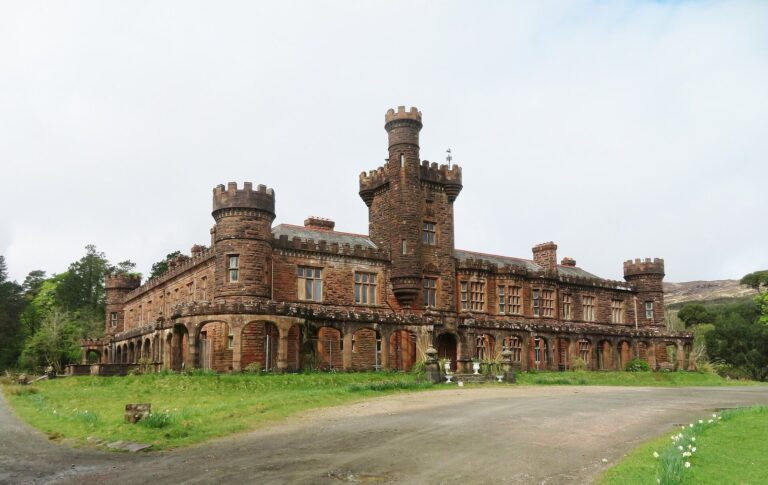
Knock Castle, also called Castle Camus, is a fifteenth-century stronghold on Sleat, on the Isle of Skye in Scotland, United Kingdom. Clan MacLeod, a kinship-based Scottish social and political group, built it; it later became a stronghold of Clan MacDonald. The castle may have been built over the foundations of Horavaig, an Iron Age dun, or fortified settlement.
Clan control and conflict
After disputes over inheritance, Donald MacDonald captured Knock Castle and Dun Sgathaich in the late fifteenth century. Control of the castle then shifted between the MacLeods and MacDonalds several times.
Around 1513, Alasdair Crotach MacLeod, a chief of Clan MacLeod, attempted to take the castle back for his clan. He failed because of Mary MacDonald’s conduct. A Scottish ballad recounts the episode.
Later history and tradition
The MacDonalds enlarged the castle and extensively remodelled it in 1596. It was still inhabited in 1632, but had been abandoned by 1689. The structure then decayed, and much of its stone was reused in nearby buildings.
Local folklore associated a gruagach, a female spirit believed to signal the occupying family’s fortunes, with the castle. She was said to appear happy before good news and to weep before bad news. A glaistig, a folkloric being associated with cattle, was said to care for the family’s livestock. Knock Castle is a Scheduled Monument, a legally protected archaeological or historic site in Scotland.
Remains
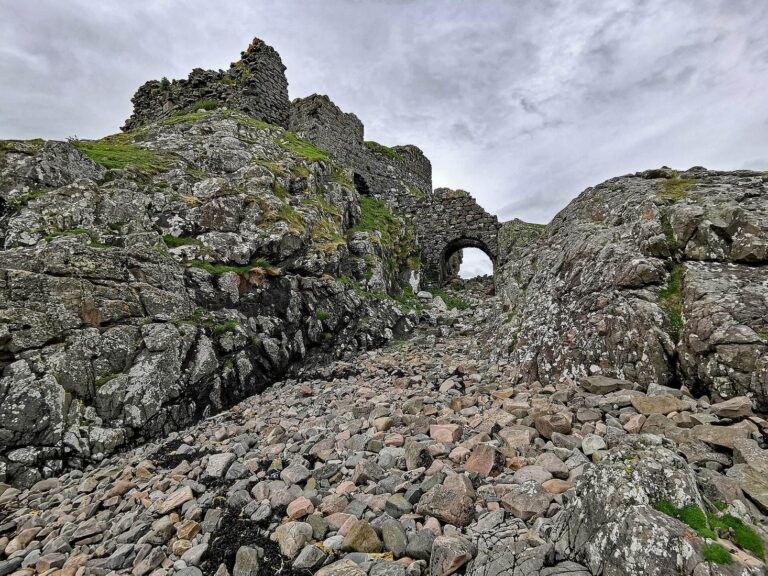
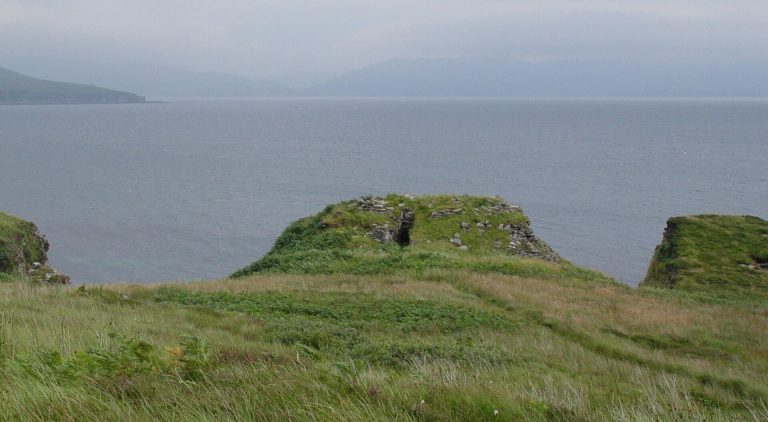
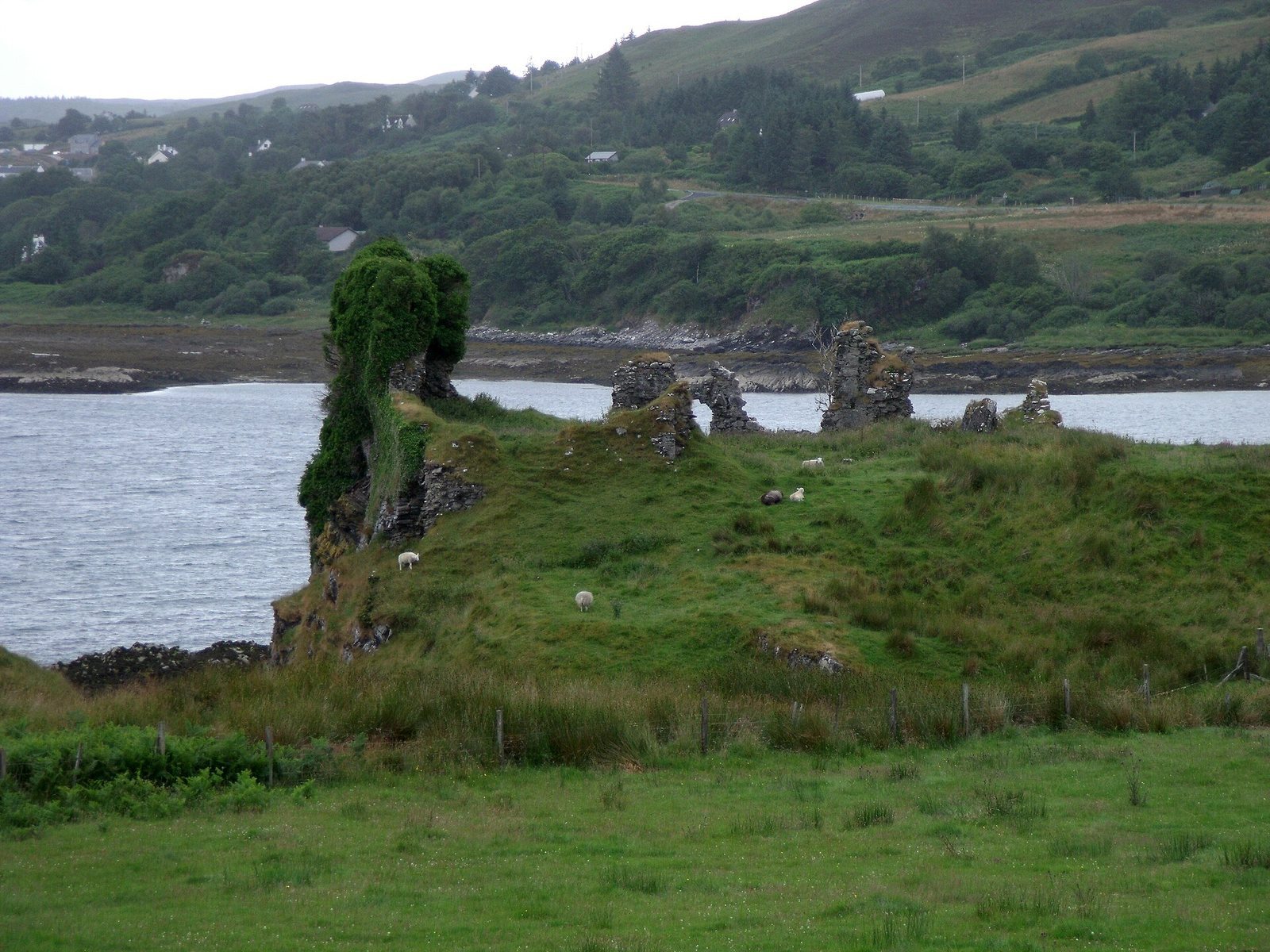
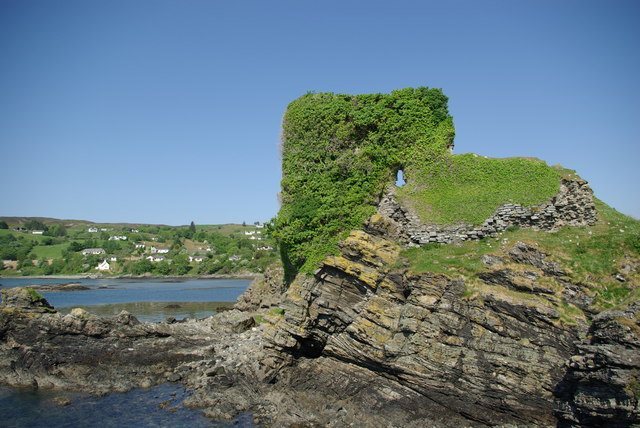
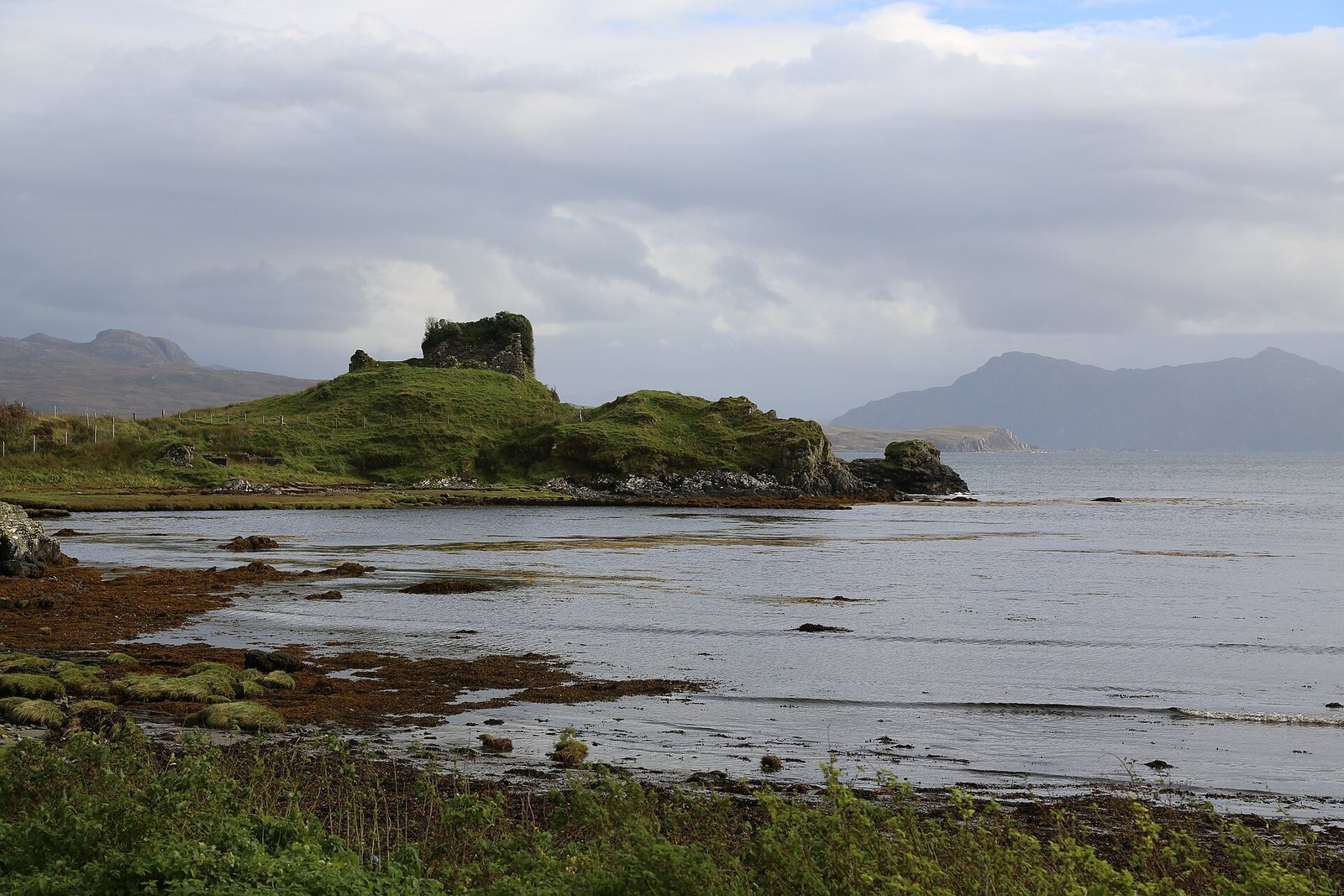
The ruins lie on the east coast of Sleat, on the eastern side of Knock Bay, about 8 km north of Armadale and south of Cnoc Uaine. A very steep cliff borders the castle on three sides.
Surviving features
Keep and castle fabric
The remains include a fifteenth-century keep, sections of walls and windows, and traces of later buildings. The ruins are heavily decayed, and the masonry may be unstable.
Possible forge
Beyond the farm building are remains that appear to be a blacksmith’s forge.