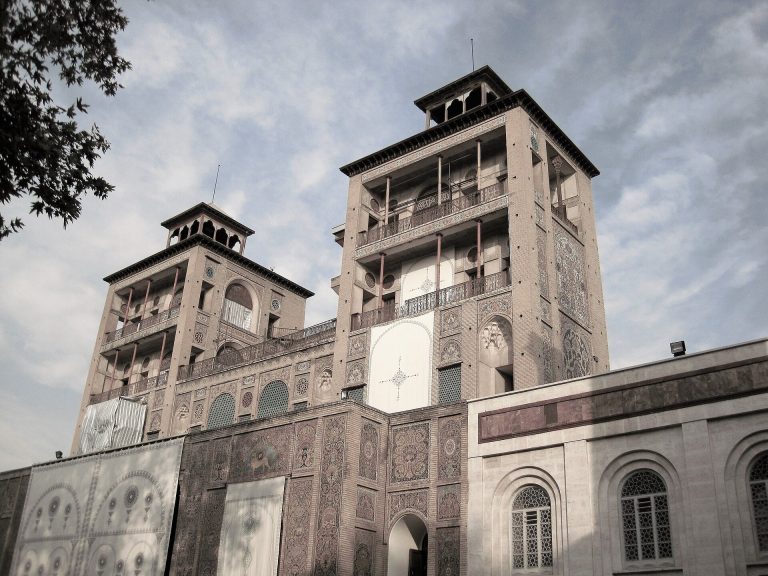
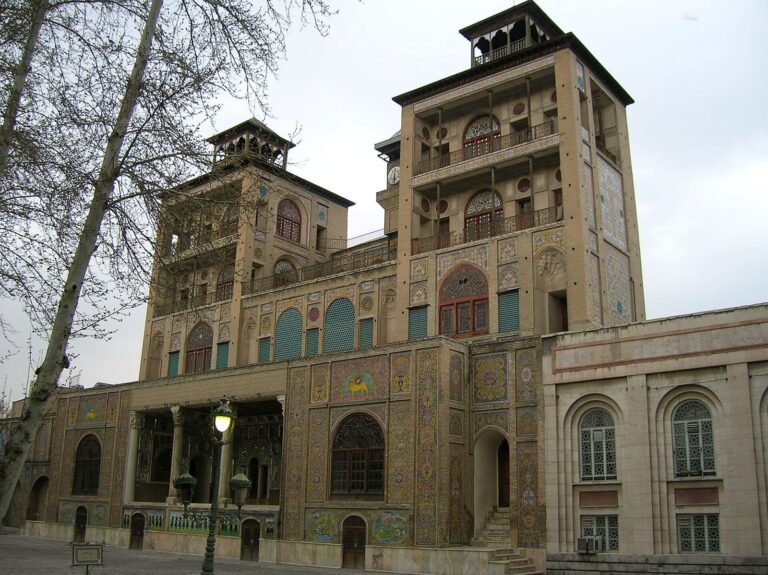
Soleymaniyeh Palace: A Qajar Royal Residence in Iran
Site at a Glance
- Popularity
- High
- Country
- Iran
- Primary era
- Modern
- Eras represented
- Early Modern, Modern
- Civilizations
- Qajar, Safavid
- Site type
- Domestic
- Remains
- Palace
On this page6 sections
History
Soleymaniyeh Palace is a Qajar royal residence in Iran, commissioned by Fath-Ali Shah, the dynasty’s second ruler, and designed by Hajji Mohammad Hossein Isfahani. The Qajars ruled Iran from 1789 to 1925. The palace, built in the Qajar architectural style, was inaugurated in 1811 to 1812.
The palace’s name is most likely connected to the birth of Soleiman Mirza, Fath-Ali Shah’s thirty-fourth son. A less widely accepted explanation links it to a military victory. The French visitor Gaspard Drouville recounted that Mohammad-Ali Mirza Dowlatshah, angered that his brother Abbas Mirza had been designated heir to the throne, defeated Suleiman Pasha, the Ottoman governor of Iraq. In this account, he sent captured wealth to the capital, and Fath-Ali Shah used it to build the palace and commemorate the victory.
The palace has served as a museum since 2011. It was added to Iran’s National Heritage List in 1949.
Remains
Palace grounds and architecture
Palace building
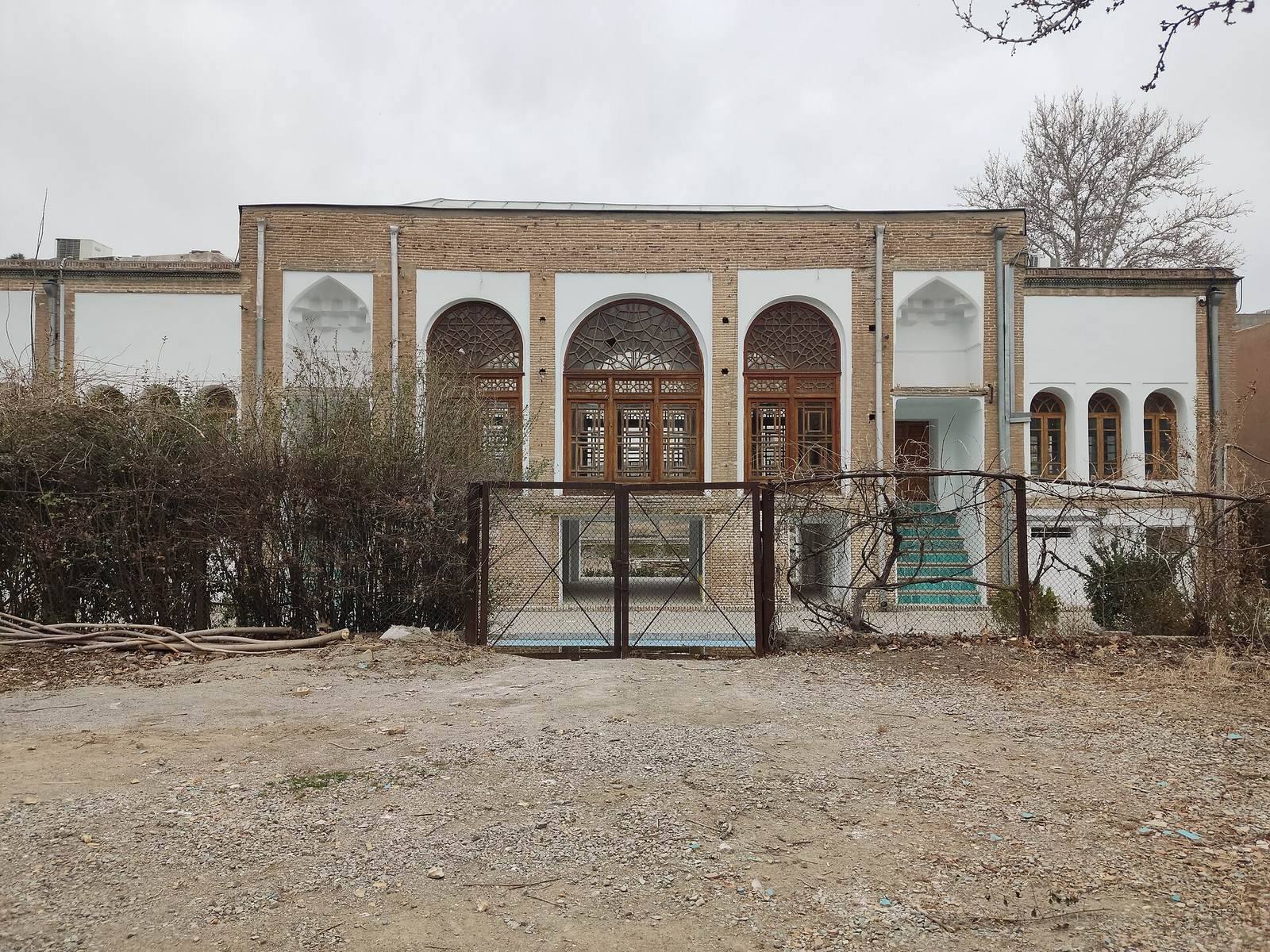
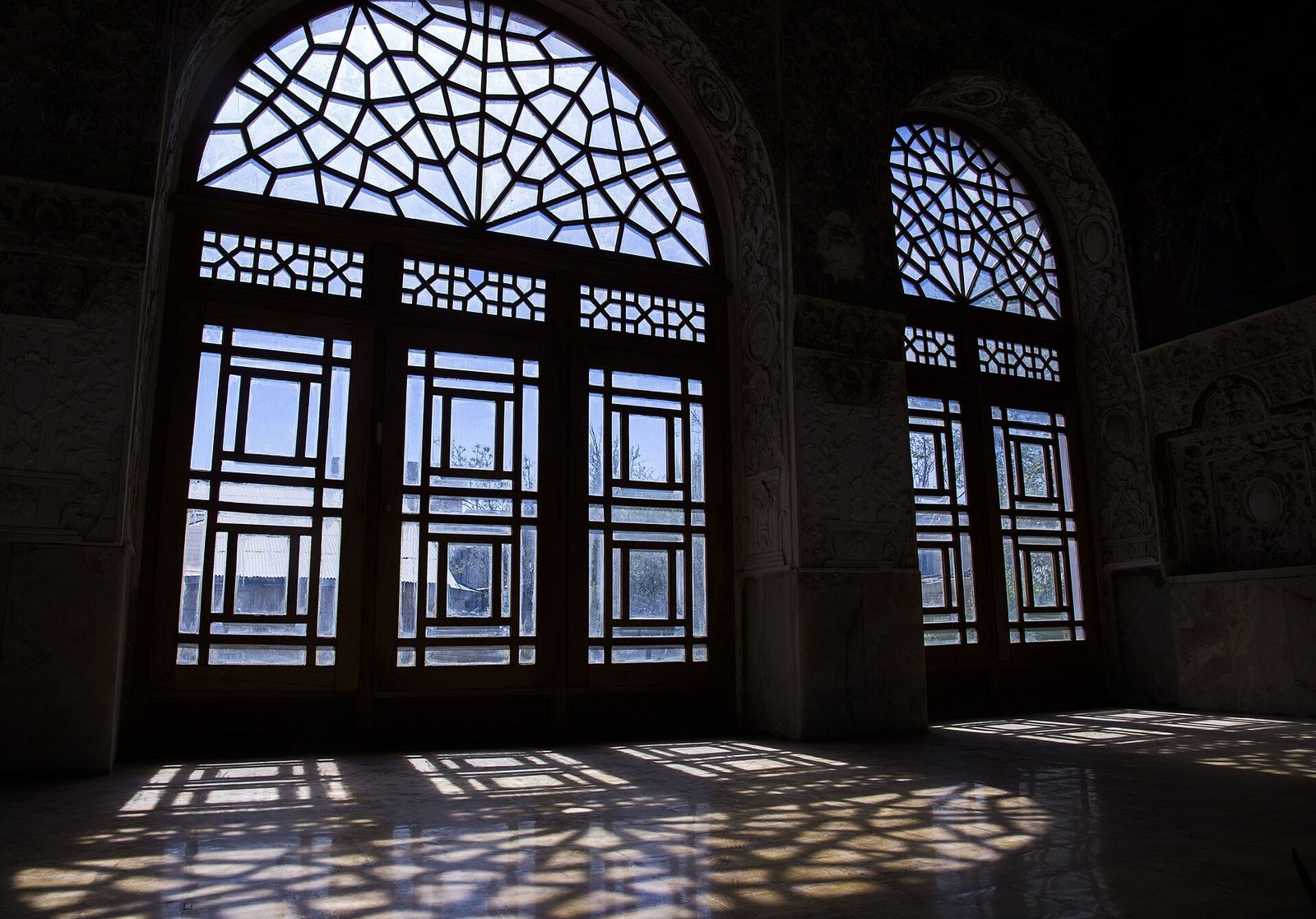
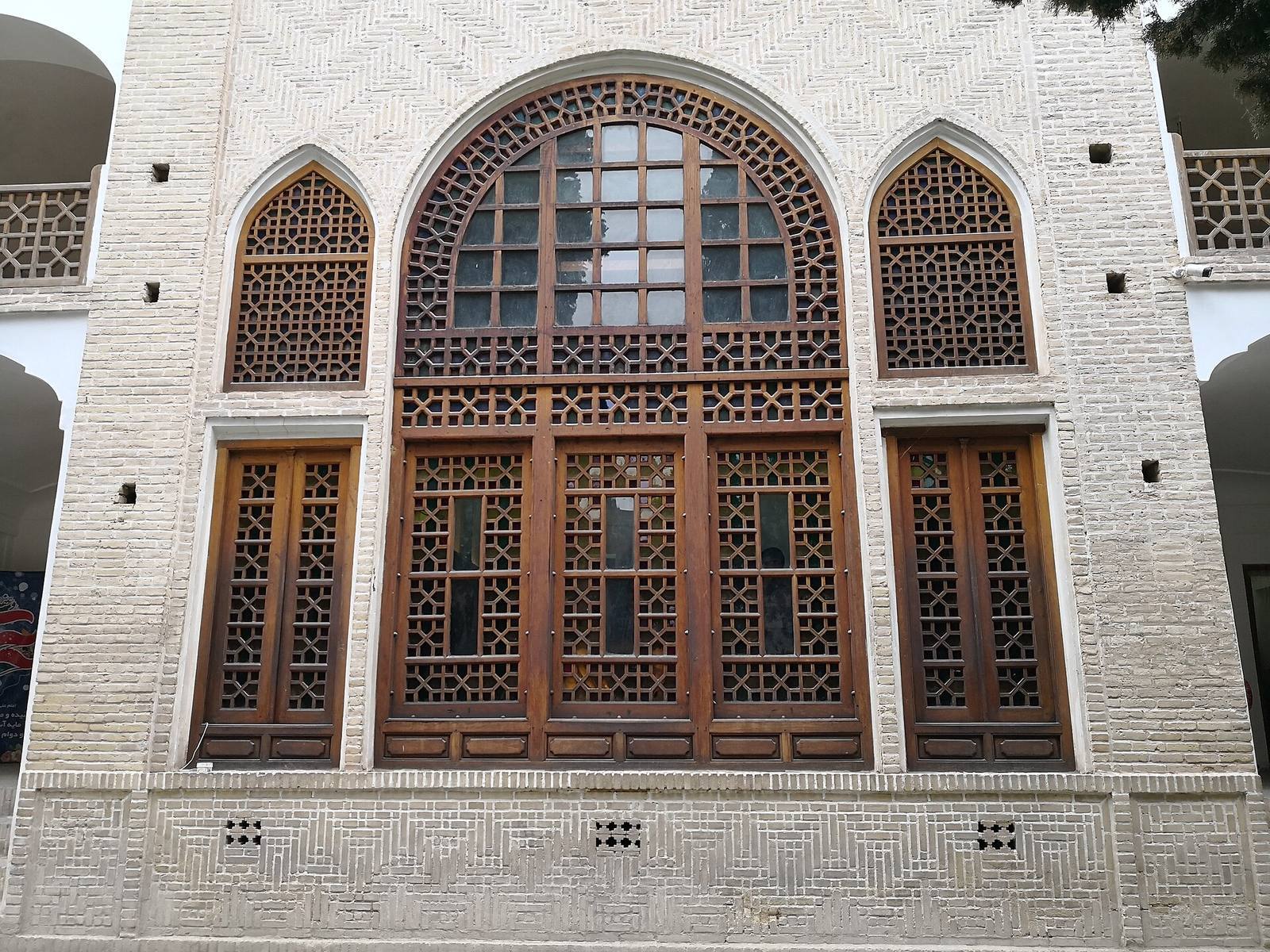
The two-story palace stands within a large garden near the Karaj River. Its Qajar-style construction includes tile and plaster.
Paintings
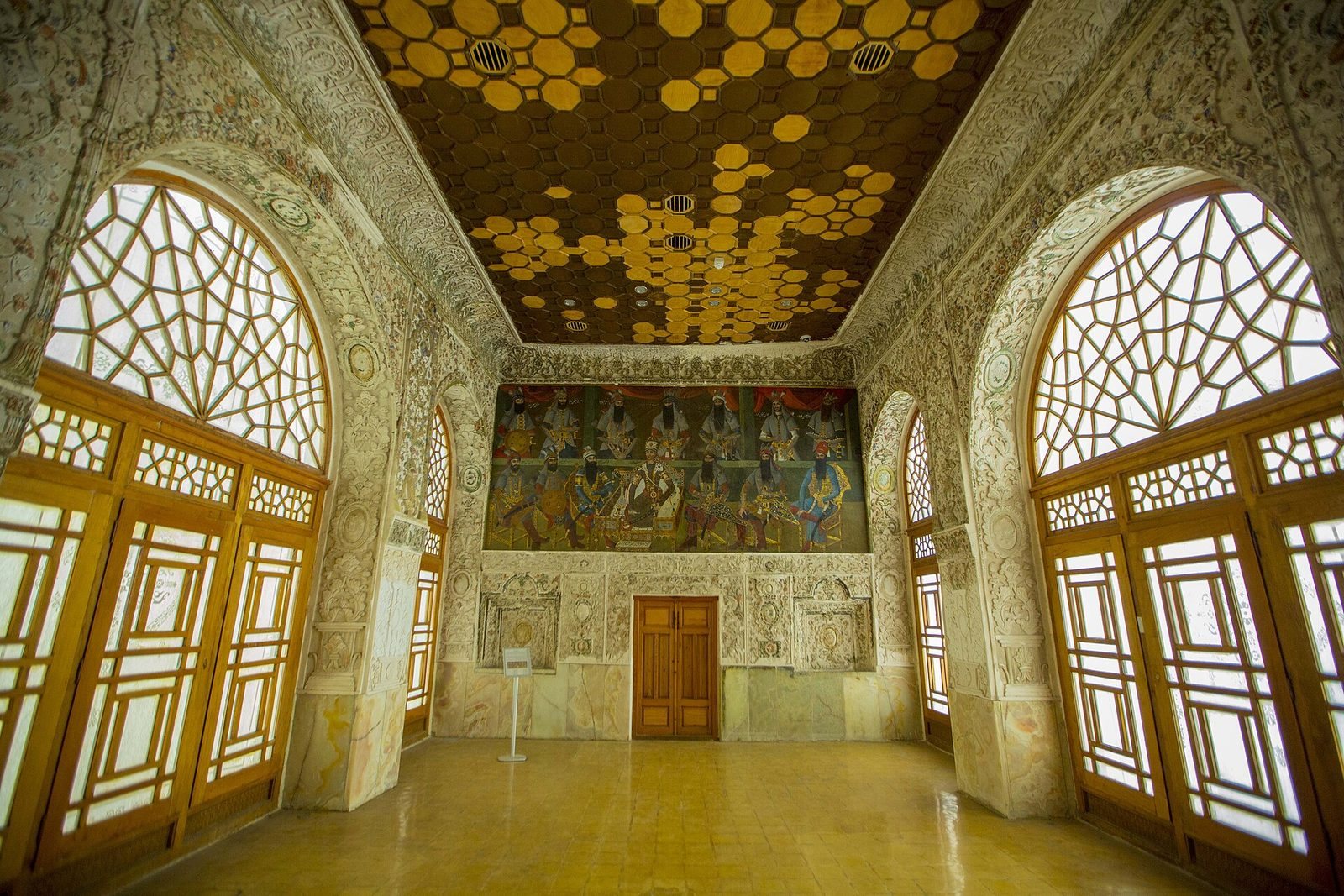
Two paintings by Abdallah Khan are identified at the palace. One depicts the brothers of Agha Mohammad Khan Qajar, founder of the Qajar dynasty, while the other shows Fath-Ali Shah with his courtiers. The palace is also noted for paintings of the shah and his sons. One portrays Soleiman Mirza as a child beside the throne.
Safavid tower
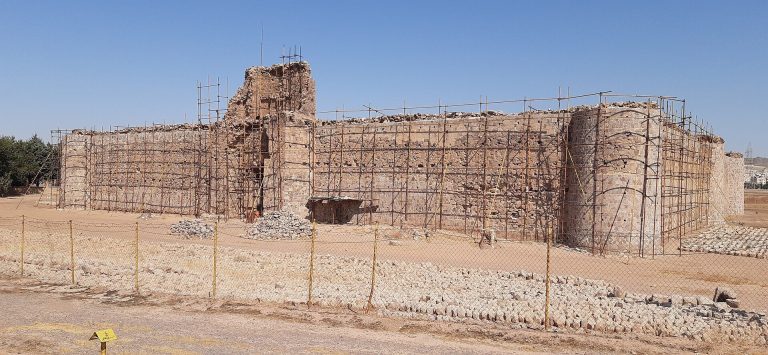
Near the palace are the ruins of the first floor of a five-story tower from the Safavid period. The Safavids were an earlier Iranian ruling dynasty, in power from 1501 to 1736.