Sōji-ji Temple: A Kannon Temple in Osaka, Japan


Site at a Glance
- Rating
- 4.2
- Popularity
- Medium
- Country
- Japan
- Primary era
- Early Modern
- External website
- Open
- Eras represented
- Medieval, Early Modern
- Civilizations
- Toyotomi regime
- Site type
- Religious
- Remains
- Temple
On this page11 sections
History
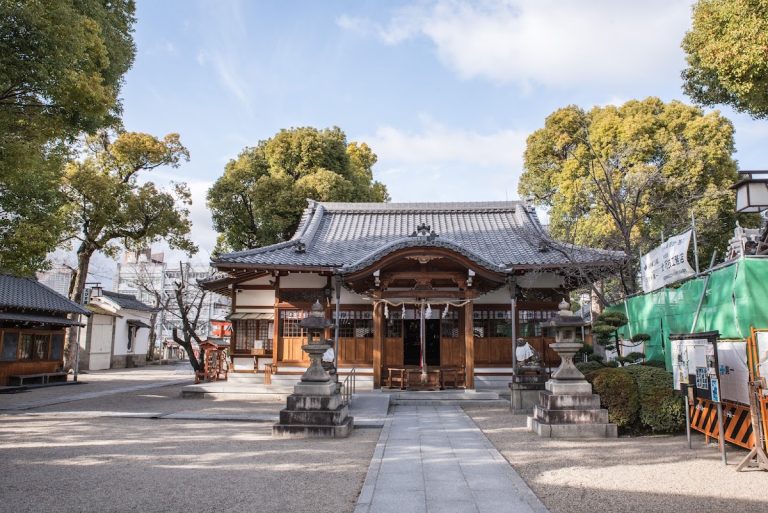
Sōji-ji is a Kōyasan Shingon-shū Buddhist temple in Ibaraki, Osaka, Japan, formally known as Fudaraku-san Sōji-ji. The temple follows a form of Shingon Buddhism centered on ritual practice, sacred images, and esoteric teachings. Its principal image is Senjū Kannon, the thousand-armed form of the bodhisattva of compassion, and Sōji-ji is the 22nd temple on the Saigoku Kannon Pilgrimage, a circuit of thirty-three temples in western Japan associated with Kannon worship.
Foundation tradition
The temple’s origin is linked to a legend about a turtle and the miraculous power of Kannon. Fujiwara no Takafusa, an aristocrat of the Fujiwara clan, was traveling down the Yodo River to take up an appointment in Dazaifu when he saw fishermen capture a large turtle. Because it was Kannon’s festival day, he bought the animal and released it.
That night, Takafusa’s son Fujiwara no Yamakage was thrown into the river as a result of his stepmother’s plot. Takafusa prayed to Kannon, and the turtle he had freed appeared carrying Yamakage on its back. Takafusa vowed to commission an image of Kannon, but he died before fulfilling the promise. Yamakage then had a Senjū Kannon image made and enshrined it. The story survives in the temple’s illustrated origin scrolls and is also told in the Konjaku Monogatari and Genpei Jōsuiki.
The historical details of the foundation remain uncertain. Temple tradition places the beginning of construction around 879 and the completion of the precinct in 890, said to be the third anniversary of Yamakage’s death. Neither these dates nor the events of the legend have documentary confirmation.
Heian-period prosperity
Sōji-ji prospered during the Heian period, an era shaped by imperial court culture. A granddaughter of Yamakage became the wife of Emperor Ichijō, and the temple is said to have received imperial support from Emperor Shirakawa and Emperor Toba. It was treated as an imperial prayer temple by Emperors Ichijō, Go-Ichijō, Shirakawa, and Toba.
Destruction and rebuilding
The temple declined after its grounds were burned during the Tenshō era, from 1573 to 1593, by forces of Oda Nobunaga, the military leader who helped unify much of Japan. Toyotomi Hideyori, the son and successor of Toyotomi Hideyoshi, rebuilt the Main Hall, and the temple grounds were restored in 1603.
Yamakage and the culinary tradition
Fujiwara no Yamakage is venerated at Sōji-ji as the founder of the Shijō-ryū culinary knife tradition and is also associated with the beginnings of Japanese culinary knife traditions. Each year on 18 April, a formal ceremony takes place before his sacred memorial. A chef prepares a fish with a knife and ceremonial chopsticks while avoiding direct contact with it.
The temple’s connection with cooks also derives from the tradition that Yamakage offered food to the Buddhist image-makers for 1,000 days while the principal image was being created. Sōji-ji has an altar where used knives may be deposited and where prayers may be offered for improvement as a cook.
Remains
Sōji-ji’s surviving complex combines temple buildings, sacred images, illustrated and calligraphic scrolls, and archaeological remains from its earlier history. The principal buildings are collectively identified as the Sōji-ji structures, while excavations on the eastern slope have revealed facilities connected with the production of roof tiles.
Temple buildings
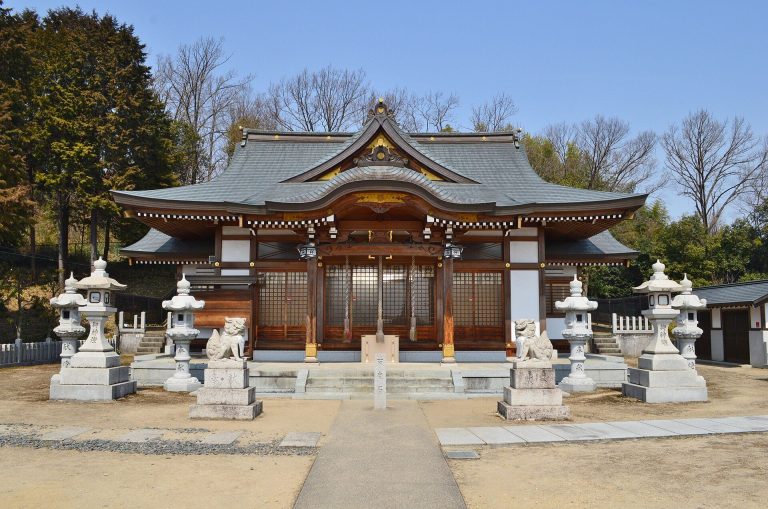
Nine buildings are collectively designated as the Sōji-ji structures: the Main Hall, Yakushi Hall, Niōmon Gate, Nyorai Kōjin-dō, Treasury, Guardian Shrine, East Gate, Monks’ Quarters, and Bell Tower. The designation also includes ridgepole tablets and a palace-shaped Buddhist altar. The Main Hall, Yakushi Hall, Niōmon Gate, and other structures are designated collectively as Ibaraki City Tangible Cultural Properties.
Principal image and attendants
The principal image is a concealed wooden standing statue of Senjū Kannon. A concealed sacred image, or hibutsu, is normally kept from public view. The statue represents an eleven-headed, thousand-armed Kannon and measures 75.4 centimeters in height. In keeping with temple tradition, the figure rides on the back of a turtle. A dragon king and the Rain-Treasure Child serve as attendants.
Illustrated origin scrolls
The temple houses the Sōjiji Engi Emaki, an Edo-period illustrated scroll recounting the temple’s origin. It contains nine sections of text and eight sections of illustrations. The first seven sections describe the beginnings of Sōji-ji, the eighth covers its foundation and later prosperity through aristocratic support, and the ninth portrays its deterioration and appeals for donations. The author of the text is unknown. The illustrations are attributed to Kaihō Yūsetsu because they bear his signature and seal.
A second Sōjiji Engi Emaki, dated 1727, is also preserved at the temple. It follows the same arrangement of nine textual sections and eight illustrated sections, depicting the creation of the principal Eleven-Headed Thousand-Armed Kannon and the temple’s origins. Its text and images largely follow Yūsetsu’s scroll. The illustrator is unknown, although the brushwork suggests an artist of the Tosa school. Nine artists compiled the text, each contributing one section, while the colophon names princes and nobles who supplied passages.
Calligraphic origin scroll
The Muromachi-period Kannon Engi is a black-ink calligraphic scroll on paper. It consists of fourteen sheets bound together. Although its title means “The Origin of Kannon,” its narrative closely follows the foundation legend presented in Yūsetsu’s Sōjiji Engi Emaki.
Roof-tile kilns
Excavations on the eastern slope of the temple grounds uncovered two Muromachi-period flat kilns with ridge-style construction. They were used mainly to fire roof tiles. Kiln 1 has its firebox facing east, while the firebox of kiln 2 faces north; both kilns share a forecourt.