Skanör Church: A Medieval Parish Church in Sweden
Site at a Glance
- Popularity
- Medium
- Country
- Sweden
- Primary era
- Medieval
- Eras represented
- Medieval, Early Modern, Modern
- Civilizations
- Danish, Swedish
- Site type
- Religious
- Remains
- Church
On this page9 sections
History
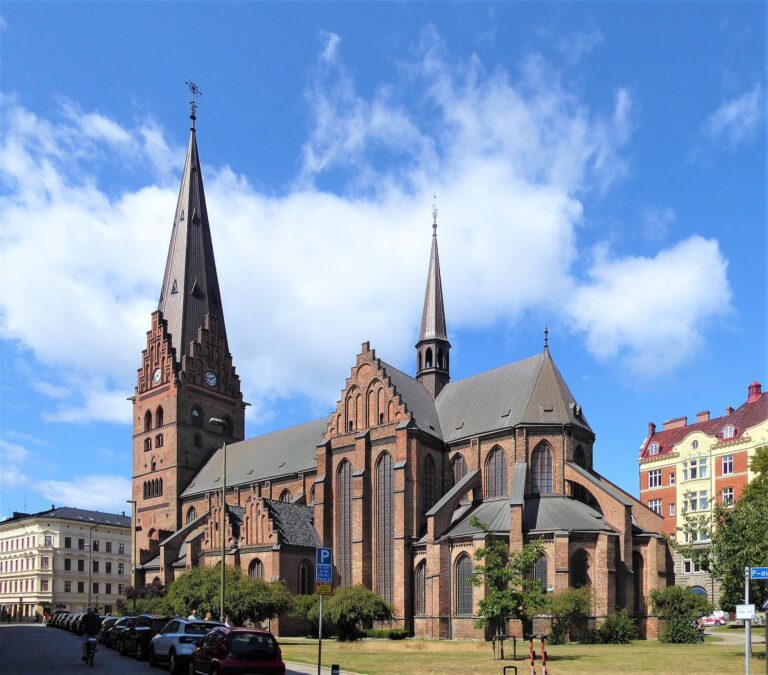
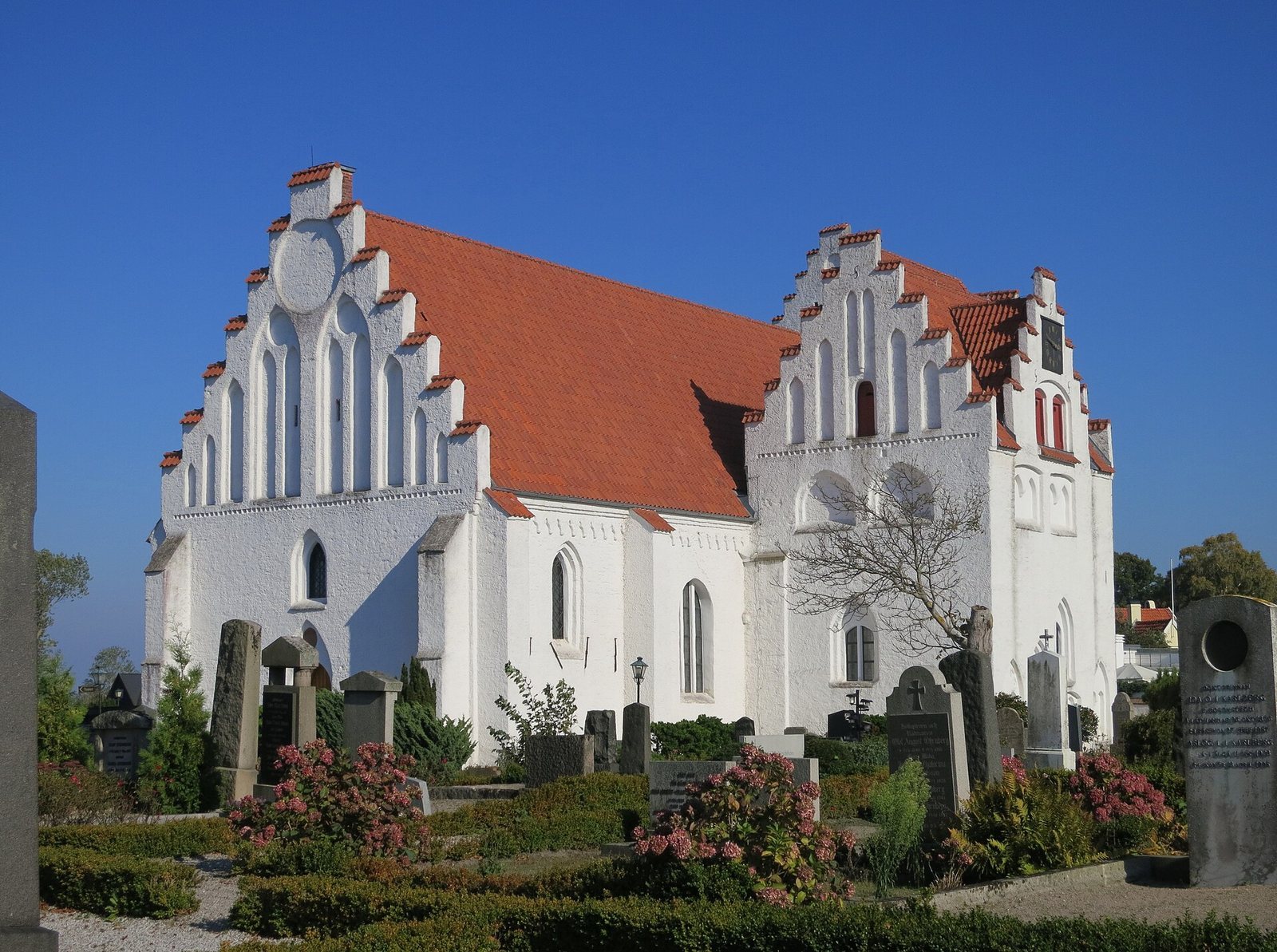
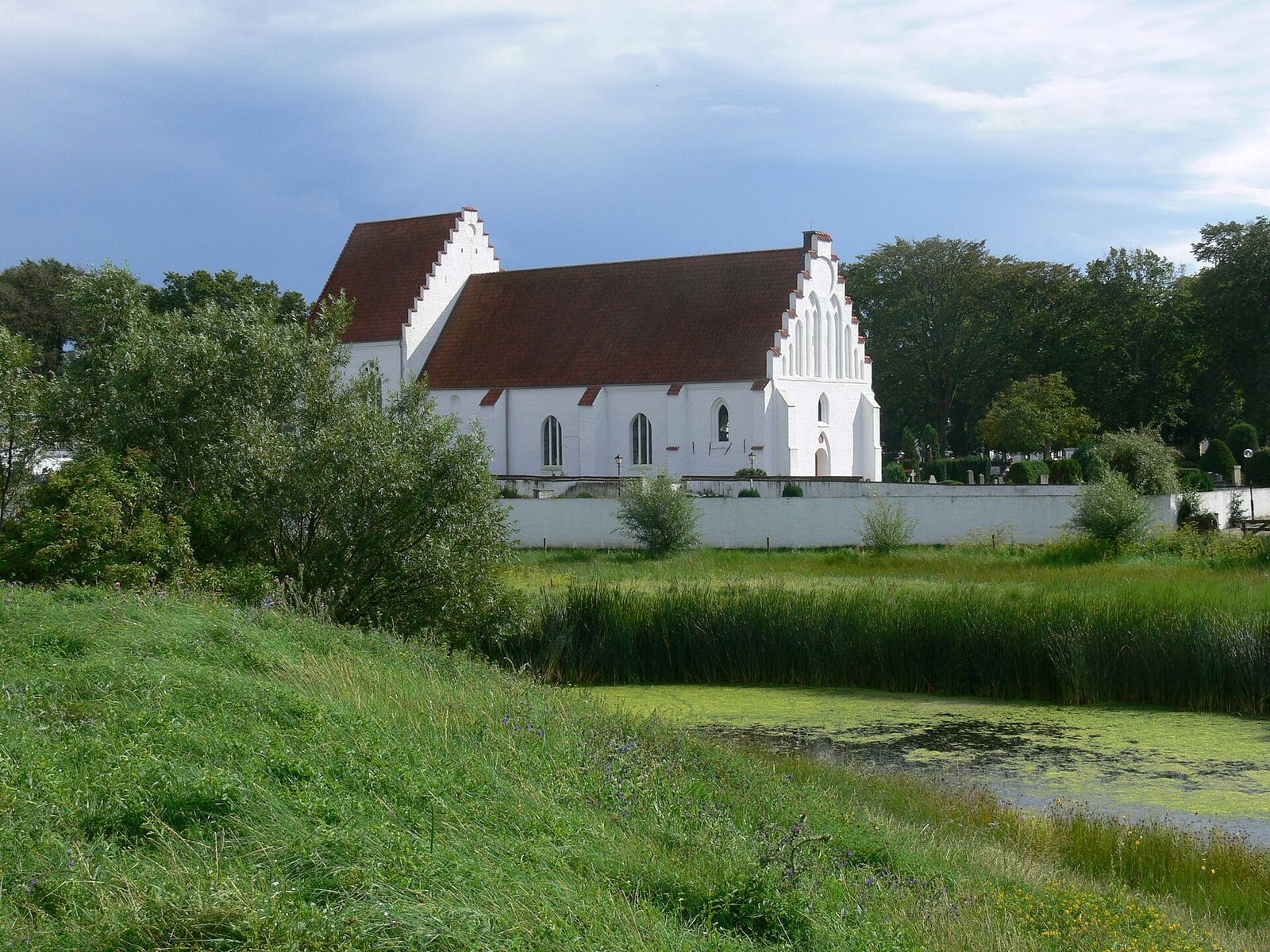
Skanör Church is a medieval church in Skanör, Sweden. Its oldest surviving section is a Romanesque nave, the main body of the church in an early European architectural style, dating to the first half of the thirteenth century. The church is dedicated to St Olof, also known as Olaf the Holy, the Norwegian king Olaf II Haraldsson who was later venerated as a saint. It belongs to the Church of Sweden’s Lutheran tradition and is part of Skanör-Falsterbo Parish in the Diocese of Lund, formerly called Skanör Parish.
Early church and the trading town
A church may have stood here from the twelfth century. Excavations beside the present church’s north wall uncovered remains of an earlier building, possibly from that period. Skanör Church first appears in written records during the tenure of Anders Sunesen, Archbishop of Lund in the early thirteenth century.
Rich herring grounds north of the Falsterbo peninsula helped Skanör become a trading centre from the twelfth to the sixteenth century. By the fourteenth century, the town had grown wealthy through the herring trade and the annual Scanian Market, a regional trading event. Its expanding trade with towns in the Hanseatic League, a network of northern European merchant towns, helped spur a major enlargement of the church in the early fourteenth century.
Expansion and later changes
In the fourteenth-century expansion, the nave was lengthened westward by two bays, doubling its size. Builders added a tower on the south side and changed the western façade. In the early fifteenth century, the earlier choir was replaced by the present one, and a crypt, a chamber beneath a church, was constructed below it. More extensive rebuilding was planned but never took place. A shift in the herring trade toward nearby Falsterbo may have contributed to the decision.
The church underwent a major renovation in 1889–1892, paid for from church funds and a bequest from John Nelson (Rosenström), an emigrant merchant who had settled in New Orleans. Grave slabs were moved from the church floor to the exterior walls and, in the 1970s, transferred to the crypt.
Remains
Medieval fabric
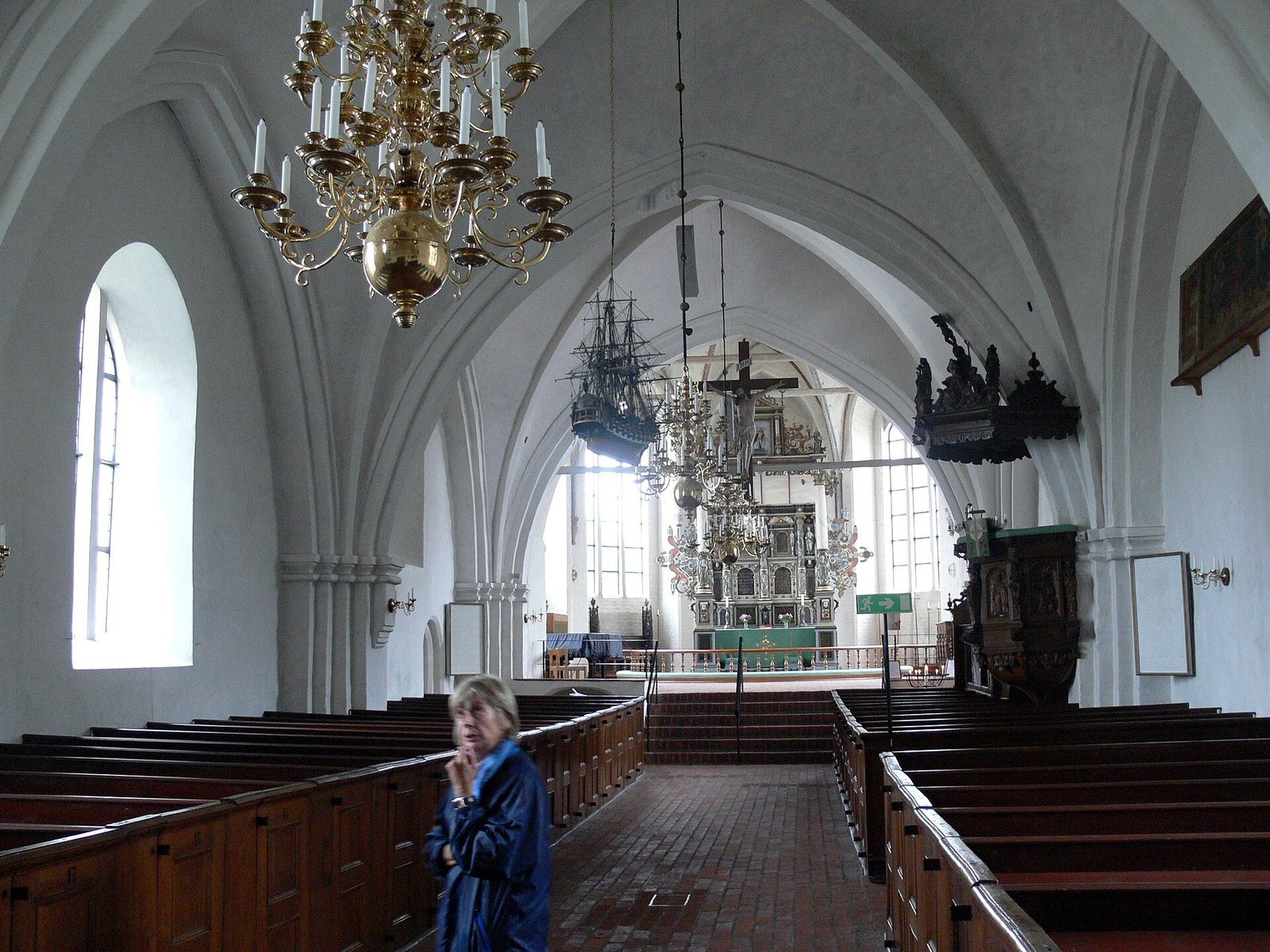
The church is organized around its vaulted Romanesque nave and a large choir, with a tower on the south side and the crypt beneath the choir. The nave was vaulted from its original construction rather than given a flat wooden ceiling. Crow-stepped gables, with a stepped outline along the roof edge, mark the western façade. The choir has tall Gothic windows and high vaults, features associated with pointed forms and elevated ceilings. Skanör is one of four medieval churches in Scania, Sweden’s southernmost region, with a crypt. The others are Lund Cathedral, Västra Ingelstad Church, and Dalby Church.
Furnishings and bell
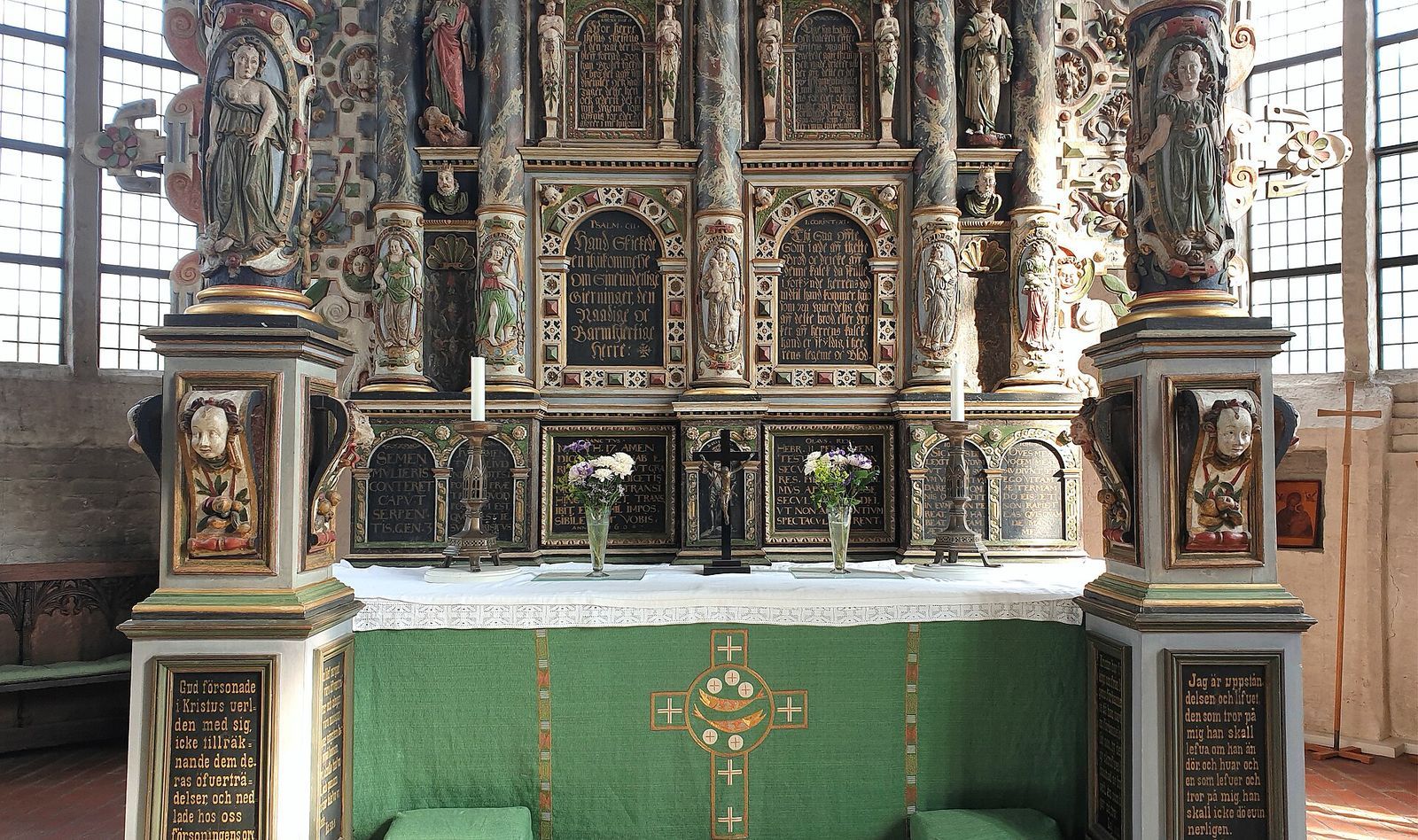
The main altar is a large Renaissance work, probably made in Malmö. The medieval baptismal font has a disputed date, while a medieval triumphal cross, a crucifix traditionally placed between nave and choir, marks that division. The church also has a medieval bell cast by Gherhard Crammar, a master bell-maker from Lübeck.
Later alterations and organs
Renovation and grave slabs
The 1889–1892 renovation included a cement floor, a painted stairway to the pulpit, and a varnished pulpit. Workers installed a stove and three windows beside the gallery, fitted new doors at the west and south entrances, and enclosed the space beneath the gallery. Grave slabs that had been placed against the exterior walls were later moved into the crypt in the 1970s.
Organs
Andreas Malmlöf of Malmö built a ten-stop organ in 1769, with each stop selecting a set of pipes. Anders Victor Lundahl of Stockholm made an organ in 1891 using tubular-pneumatic action and registration: air pressure carried through tubes operated the pipes and controlled the stops. It was the first Swedish organ of this type, and Nelson’s bequest paid for it. Its zinc pipes were oiled inside and lacquered outside; its keys and couplers, which link keyboard manuals, had a light touch. Olof Hammarberg of Gothenburg built a fifteen-stop organ in 1913 and the present organ in 1969. The current instrument has mechanical action, connecting its keys directly to the mechanism, and a new façade.