Saint Walburga’s Basilica: Arnhem’s Oldest Surviving Church
Site at a Glance
- Popularity
- Medium
- Country
- Netherlands
- Primary era
- Medieval
- Eras represented
- Medieval, Modern
- Civilizations
- Dutch, Holy Roman Empire
- Site type
- Religious
- Remains
- Church
On this page11 sections
History
Foundation and medieval role
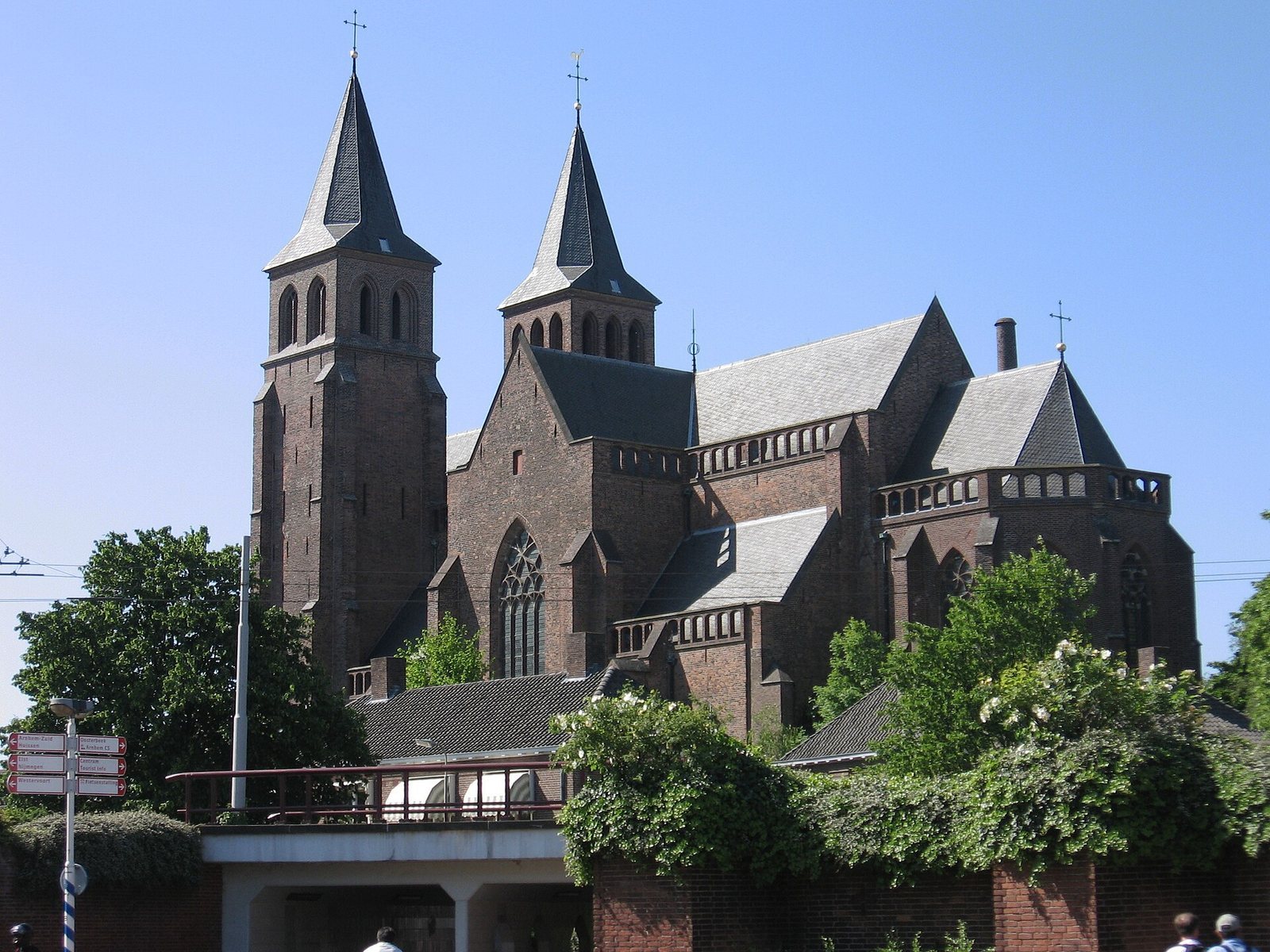
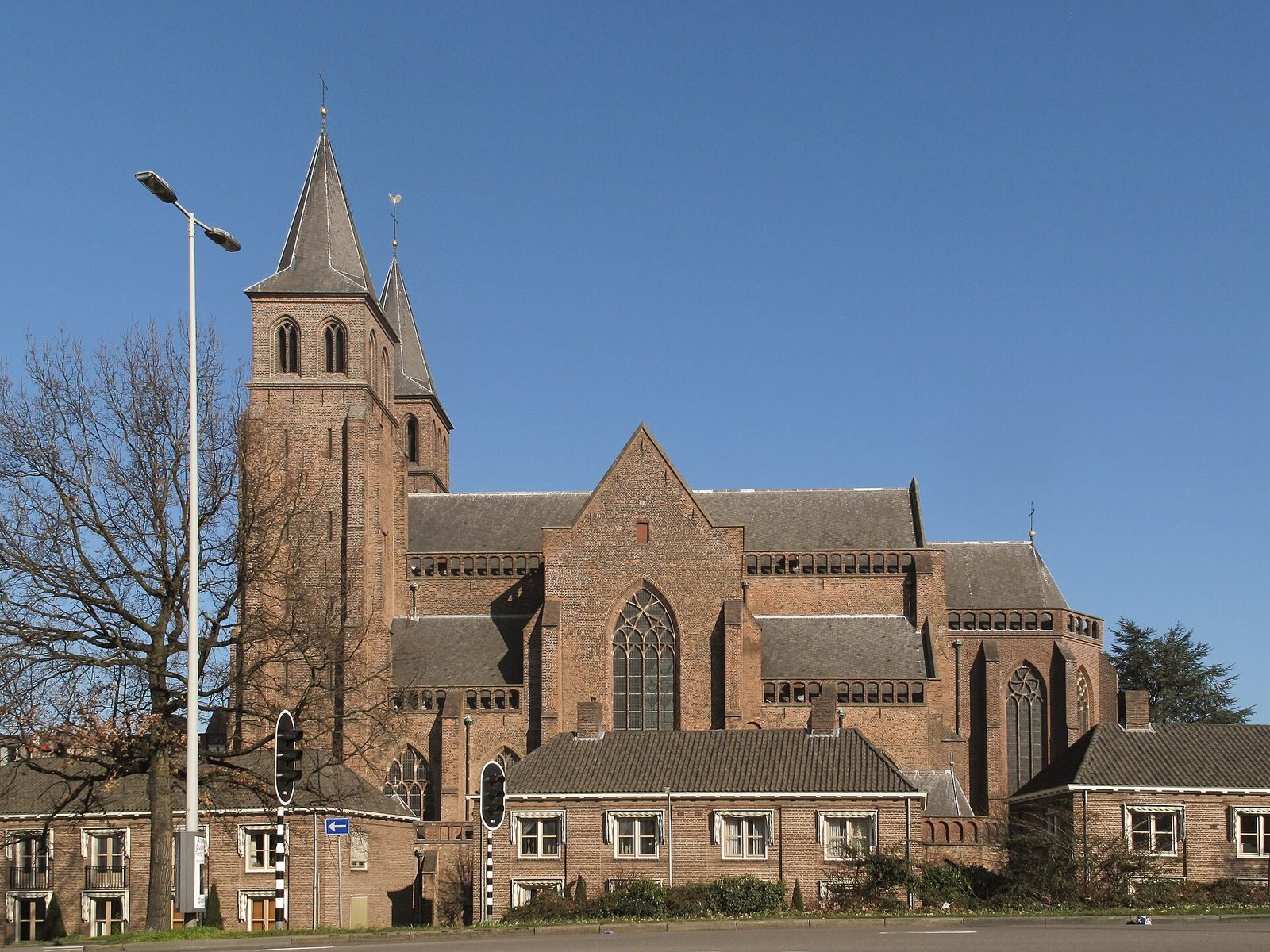
Saint Walburga’s Basilica, known locally as the Sint-Walburgisbasiliek, is Arnhem’s oldest surviving church building in the Netherlands. The collegiate chapter, a body of clergy associated with a church, moved from Tiel to Arnhem in 1315 and founded the church, which was in use by about 1375. Built in the medieval Gothic style, it was dedicated to Saint Walburga, an eighth-century Christian missionary and abbess. The church stood on the Count’s Court, also the residence of Reinald I, a medieval ruler of Guelders. It belonged to the Catholic Church and the Archdiocese of Utrecht.
Reformation and Catholic return
After Catholic worship was prohibited following the Reformation, the building served other purposes, including as a prison and an arsenal. In 1808, Louis Napoleon, Holland’s first king, returned it to Catholic worship.
Nineteenth-century changes
A restoration carried out from 1851 to 1854 altered the church’s interior and structure. The work weakened the building, and its north tower collapsed; the tower was rebuilt in 1855. In 1886, further restoration addressed the north facade and the windows along the south aisle.
War and postwar rebuilding
During the Battle of Arnhem in September 1944, bombing and fire gutted the church and brought down its roof. It was rebuilt and enlarged after the war. Work from 1947 to 1951 aimed to restore its original fourteenth-century form.
Closure and later use
Pope Paul VI raised the church to the Catholic Church’s honorific rank of minor basilica in 1964; this rank does not make a church a cathedral. Worship ended on 12 May 2013, and Eucharistic services ceased. The basilica title consequently no longer applied formally. The closure came amid a wider decline in Catholic practice in the Netherlands, particularly in the Archdiocese of Utrecht. The church later hosted concerts, exhibitions, conferences, and other cultural events. In 2018, private investor Theo de Rijk bought the building, and its two towers were converted into residences operated as a luxury hotel. The church is designated a national monument in the Netherlands.
Remains
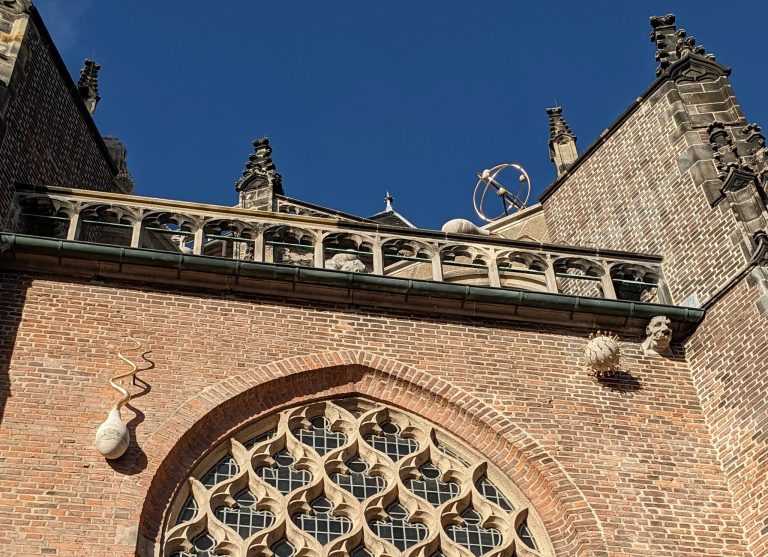
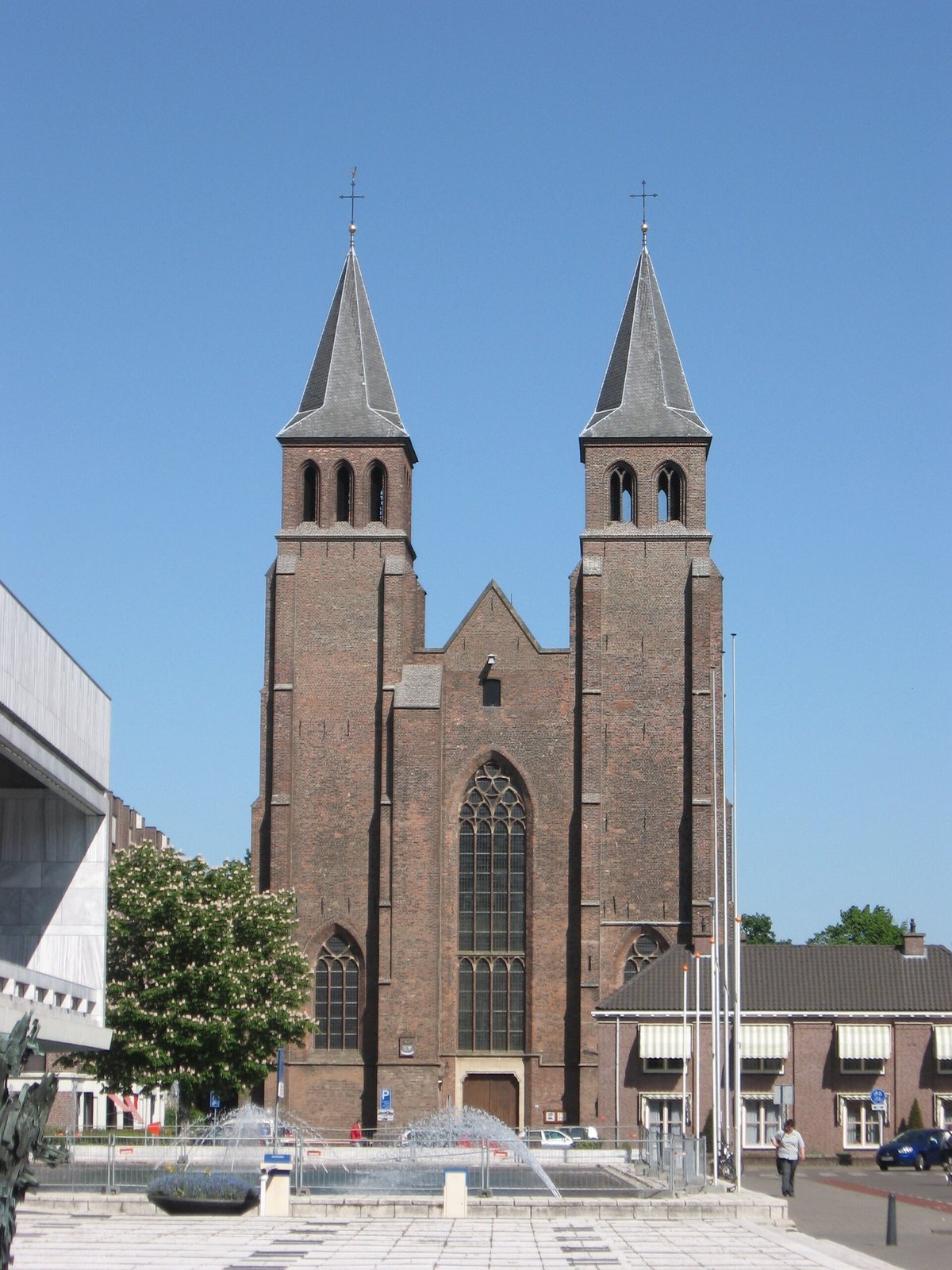
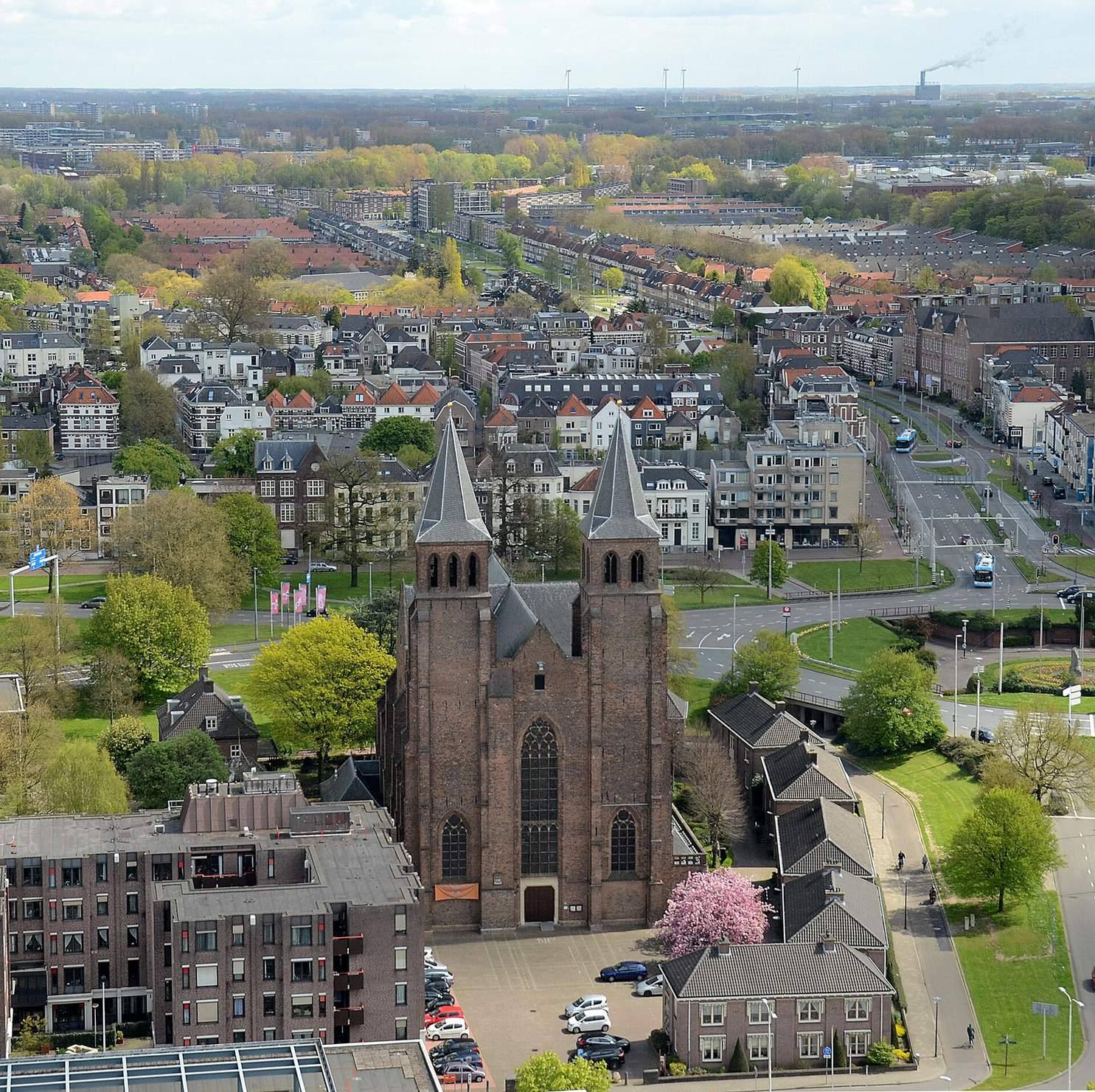
The church’s simple Gothic design is defined by a western front with two towers, an arrangement shared by relatively few Gothic churches in the Netherlands. Its surviving interior and furnishings include features altered or installed during successive restorations.
Architectural and liturgical features
Church fabric
The church originally served only the chapter’s clergy and had no separate choir for them. A dedicated choir was added during a nineteenth-century restoration. The ceiling vaults, arched structures, were reconstructed in wood and stucco, and square supports were cut into round pillars.
Organ
The church’s current Gradussen organ dates from 1875 and came from Arnhem’s Kleine Eusebiuskerk, which stopped holding worship services in 1985 and was demolished in 1990. The instrument has two manuals (keyboards), 24 registers (controls that select groups of pipes), and an independent pedal division played with the feet. An earlier Gradussen organ, made in 1883, was lost in the 1944 fire. A B. Pels & Zn. organ replaced it in 1951, before the 1875 Gradussen instrument was later installed.
Chapel and furnishings
The sacrament chapel, a space for devotion to the Eucharist where the consecrated sacrament is reserved, has stained glass by Joop Jansen. The main altar and pulpit are designed works, and A. Manche made the bronze Stations of the Cross, a series of devotional images representing episodes from Jesus’s Passion.