Shah Abdol-Azim Shrine: A Shia Pilgrimage and Mosque Complex in Rey, Iran
Site at a Glance
- Popularity
- Very High
- Country
- Iran
- Primary era
- Medieval
- Eras represented
- Medieval, Early Modern, Modern
- Civilizations
- Aq Qoyunlu, Buyid, Qajar, Safavid, Seljuk, Timurid
- Site type
- Religious
- Remains
- Tomb
On this page11 sections
History
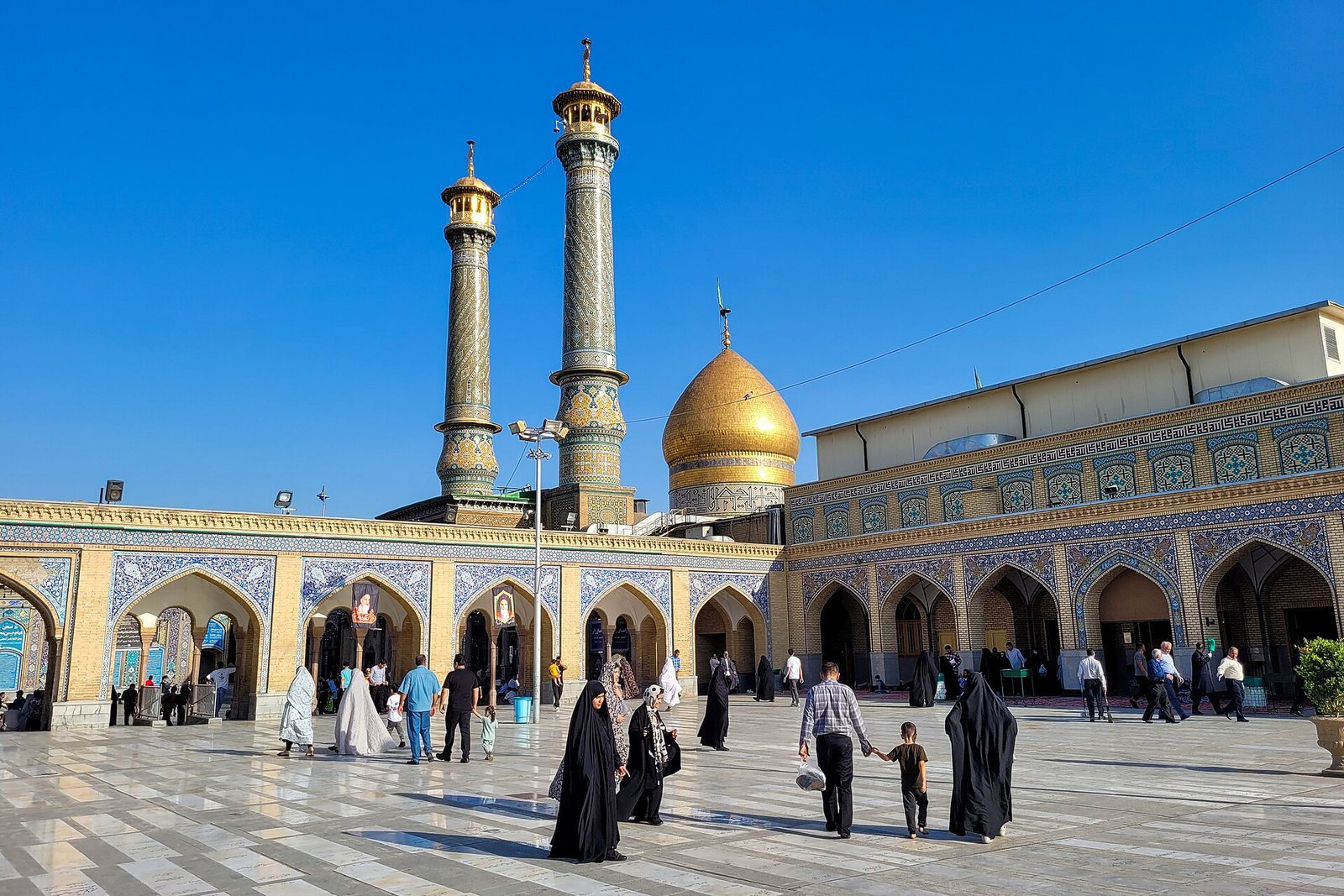
Shah Abdol-Azim Shrine is an active Shia pilgrimage and mosque complex in Rey, Iran, centered on the tomb of Abdol-Azim al-Hasani, who died there in 866. The shrine is regarded as one of the most sacred sites in Shia Islam.
Abdol-Azim and the early tomb
Abdol-Azim was born in Medina in 789. A fifth-generation descendant of Hasan, the second Shia Imam, he migrated to Rey amid persecution, following a direction from Imam Reza. After arriving, he lived in secret in the cellar of a local Shia’s house. He died in Rey, where he was buried.
Abdol-Azim transmitted hadith, reports about the Prophet or Imams, from several Shia Imams and advised local people on religious questions. More than a hundred reports are attributed to him, and the Shia scholar Shaykh al-Saduq compiled a collection of his narrations. A report relayed by Abu Turab al-Ruyani says the tenth Imam, Ali al-Hadi, instructed Abu Hammad al-Razi to seek Abdol-Azim’s advice on religious rulings. The scholar Ibn Qulawayh al-Qummi included the tomb in his tenth-century pilgrimage guide, indicating its growing importance. Sunni rulers also patronized it at times.
Medieval construction and patronage
In the second half of the ninth century, the Alid ruler Muhammad ibn Zayd al-Da’i al-Alawi substantially repaired the original tomb. Buyid rulers ordered the northern entrance, and its construction later benefited from the efforts of Majd al-Mulk Qomi. In the 1090s, the Seljuk vizier, or senior government minister, Majd al-Mulk As’ad ibn Muhammad ibn Musa commissioned a mausoleum above Abdol-Azim’s tomb.
Safavid and Qajar expansion
Major repairs and alterations to the tomb building took place under Safavid ruler Shah Tahmasp I. The courtyards and iwan, a vaulted hall open on one side, also date to the Safavid period. Further extensive repairs and additions followed under the Qajars. In 1835, Naser al-Din Shah ordered a gold covering for the shrine’s dome.
Burials and the twentieth century
Burials accumulated in the surrounding arcades, especially in the Garden of Parrots. They included Qajar family members, political figures, scholars, and clerics from the medieval period onward. Some Ardalan rulers affiliated with Qajar kings were buried in a courtyard. During the Pahlavi period, a mausoleum for Reza Shah was built beside the shrine. After the 1979 revolution, Revolutionary Guard forces demolished it and the tombs of about fifty people associated with the monarchy within twenty days, on the orders of cleric and judge Sadegh Khalkhali. By the mid-twentieth century, the shrine had been entered on Iran’s National Heritage List.
Remains
The complex is organized around Abdol-Azim’s tomb, with nearby mausoleums, courtyards, and an iwan among its principal architectural groups.
Abdol-Azim’s tomb and dome
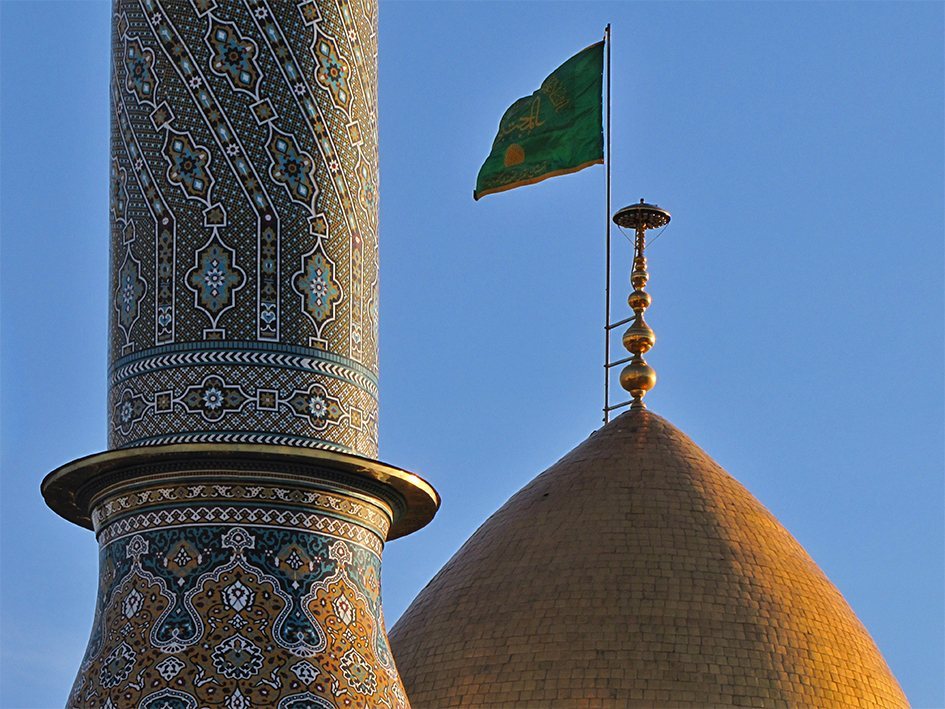
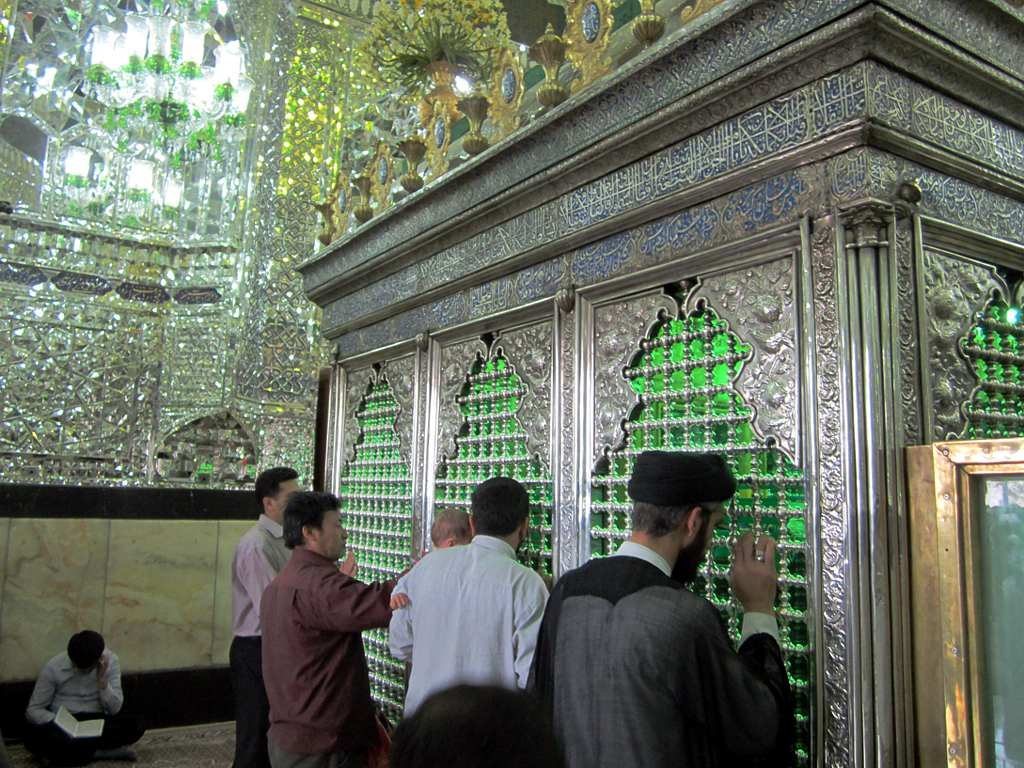
The tomb building begins with a square lower section whose sides measure about eight metres. Four squinches, corner arches that carry upper levels over square corners, support an octagonal level. Above it, a sixteen-sided section bears the main dome. The interior surfaces of these levels are mirrored, and the dome has a golden covering.
Entrance, doors, and inscriptions
The main entrance lies north of Abdol-Azim’s tomb. A door associated with it bears an inscription in Thuluth, a style of Arabic calligraphy. Two wooden inscription panels dated 1444 are mounted on a newer pair of wooden doors. A large wooden door made in 1498 in Timurid style stands between the northern riwaq, or covered gallery, and the women’s mosque.
Courtyards and iwan
The complex’s courtyards and iwan date to the Safavid period and form part of the shrine’s architectural fabric.
Nearby mausoleums
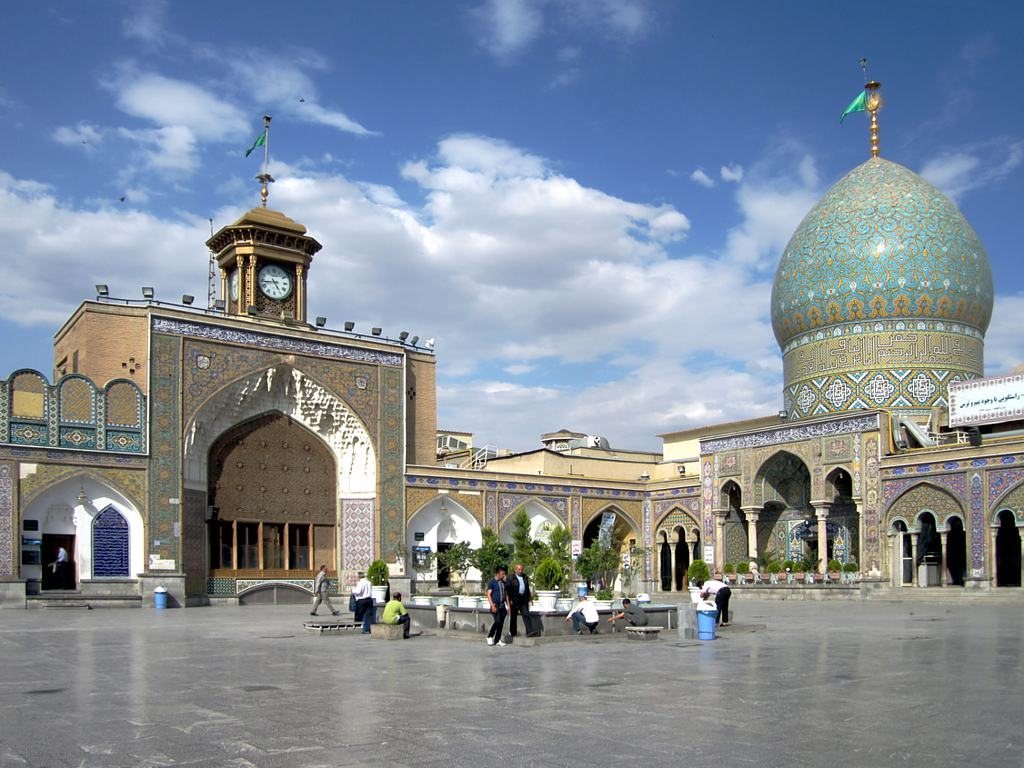
The complex also contains mausoleums for Tahir, a son of the fourth Shia Imam, Sajjad, and Hamza, a brother of Imam Reza. The mausoleum of Naser al-Din Shah has a green pavilion dome positioned between the golden dome over Abdol-Azim’s tomb and the turquoise dome over Hamza’s mausoleum.
Historic tomb furnishings
A tomb chest inside Abdol-Azim’s tomb dates to the fourteenth century. The wooden inscription panels dated 1444 are set on a newer pair of doors within the tomb complex.