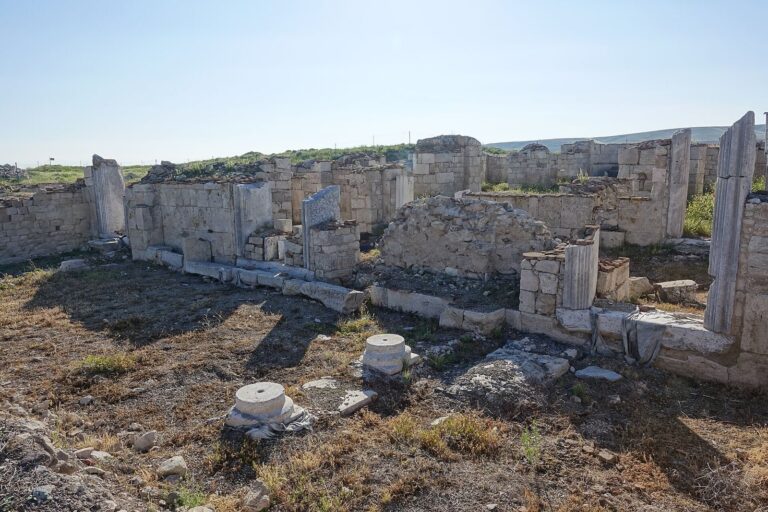
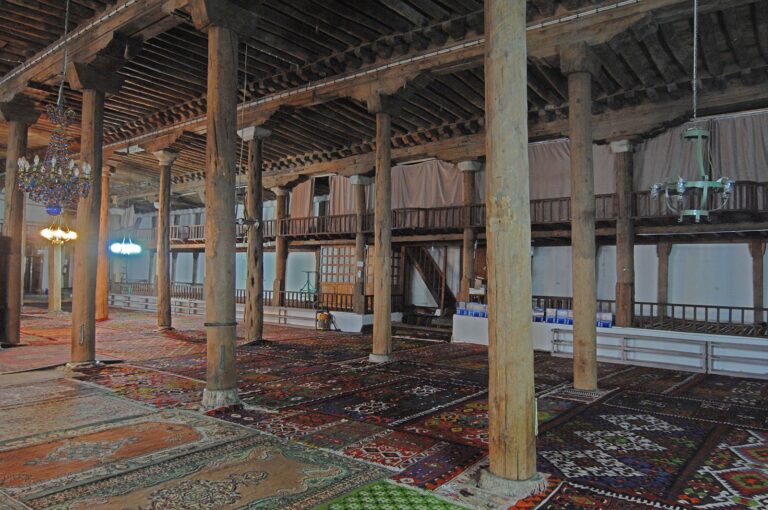
Seyyid Battal Gazi Complex: A Mosque, Shrine, and Pilgrimage Center
Site at a Glance
- Popularity
- Medium
- Country
- Turkey
- Primary era
- Medieval
- Eras represented
- Medieval, Early Modern
- Civilizations
- Ottoman, Seljuk
- Site type
- Religious
- Remains
- Mosque
On this page6 sections
History
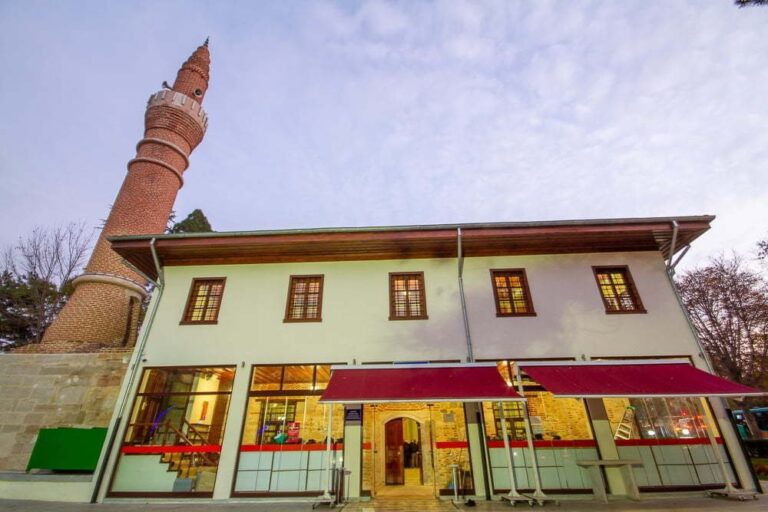
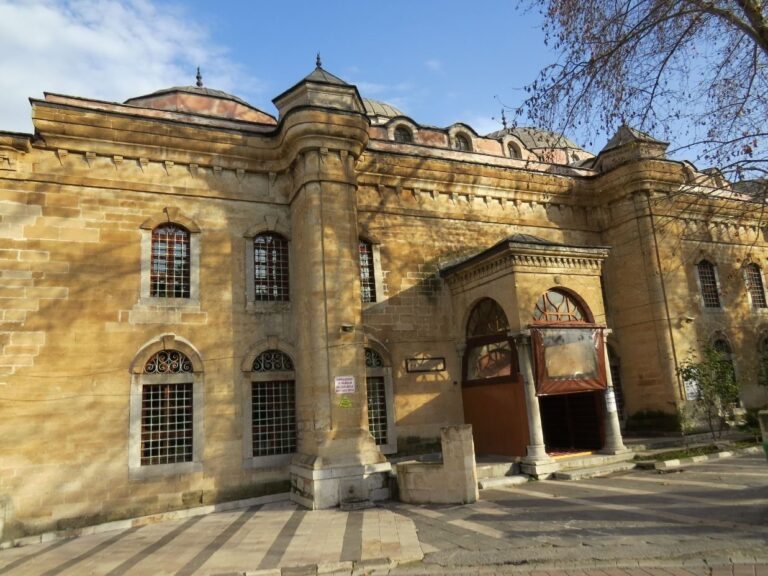
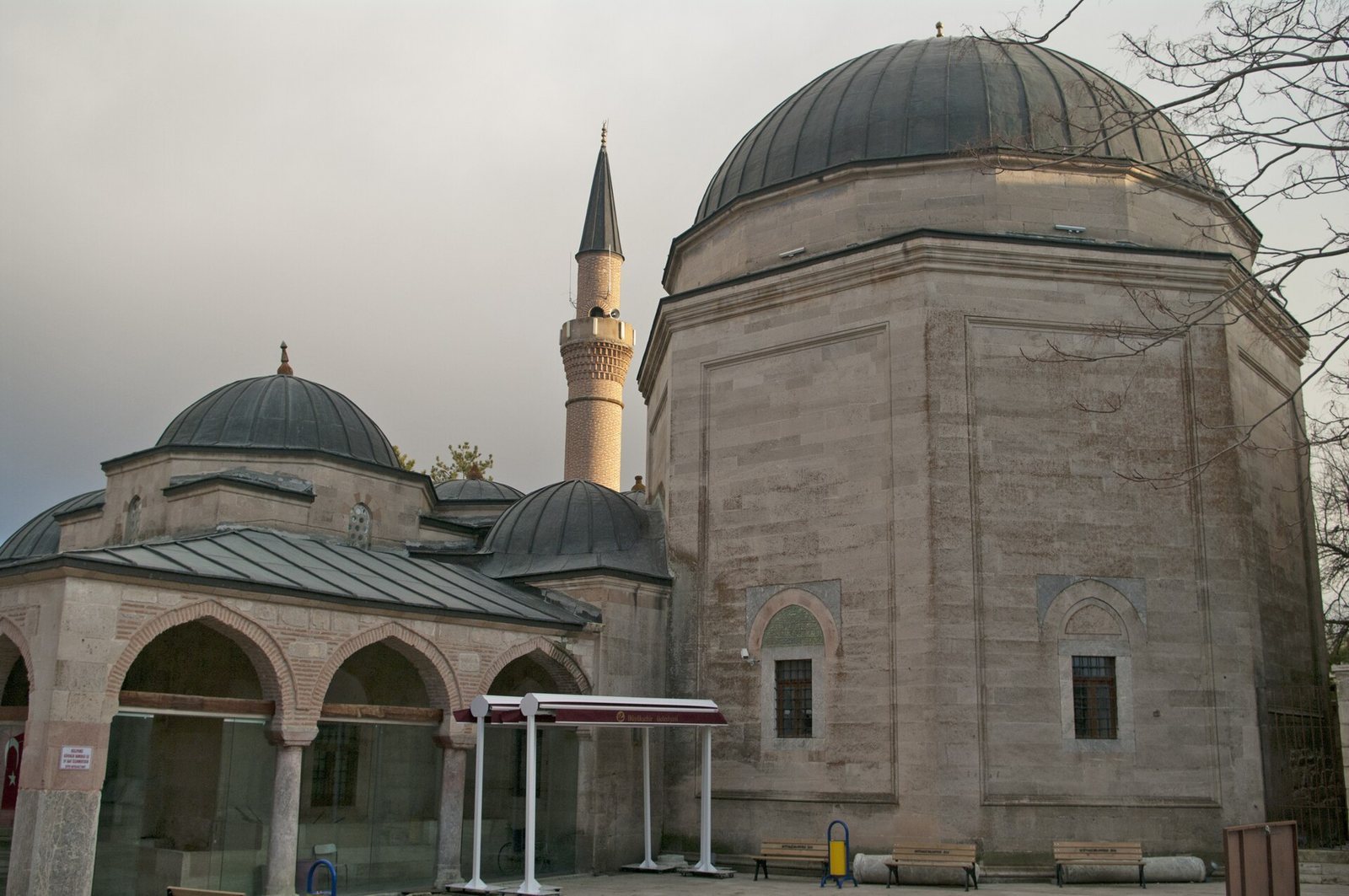
The Seyyid Battal Gazi Complex is a religious complex in Seyitgazi, Turkey. Its mosque and shrine were built in 1207–08 under the Seljuk Sultanate of Rûm, a medieval Muslim state in Anatolia. The complex is described as Ottoman in architectural style and later served pilgrims and students of Islam.
Legend and Seljuk foundation
Seyyid Battal Gazi, a legendary Muslim folk hero, is traditionally said to have died in 720 while fighting Byzantine forces near present-day Seyitgazi, at a place identified with Masih Fortress. The story connects his death with Umayyad campaigns of 720–740. The Umayyads were an early Islamic ruling dynasty, and their campaigns sought to extend Muslim control into Anatolia, then governed by the Byzantine Empire, the eastern continuation of the Roman Empire. Islam had not yet spread into Anatolia’s interior.
In 1207–08, Ümmühan Hatun, mother of Seljuk Sultan Alaeddin Keykubad I (1188–1237), sponsored a mosque and shrine in Battal Gazi’s honor. She later commissioned an additional tomb at the site.
Ottoman expansion and religious role
The complex grew during the Ottoman period. Mehmed II, known as Mehmed the Conqueror, Bayezid II, and Selim I each added buildings. Suleiman the Magnificent and his army camped there before the Baghdad Campaign of 1534. In 1635, Murad IV ordered a lodging house for travelers and caravans during his journey to the Yerevan Campaign.
Situated on a historic Hajj route from Istanbul through Baghdad toward the Hejaz, the region of western Arabia that includes Mecca and Medina, the complex became a stop for pilgrims making the Hajj, the Muslim pilgrimage to Mecca. Its madrasa, an Islamic school, made it a center of Islamic study. The site first hosted Kalenderi dervishes, members of a Muslim devotional movement, and later became a center for the Bektashi Sufi order.
Restoration work took place in 1954 and 1957; before the first project, the mosque was in ruins. A maintenance effort begun in 2007 ended two years later.
Remains
Layout and buildings
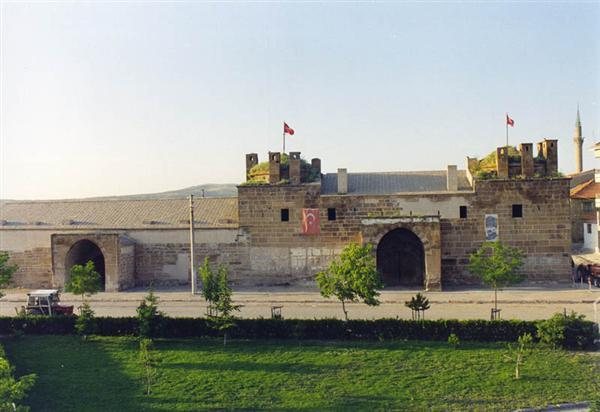
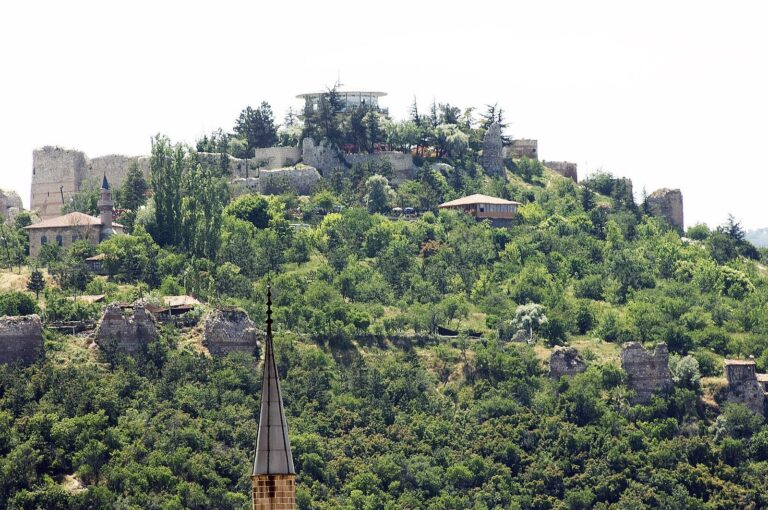
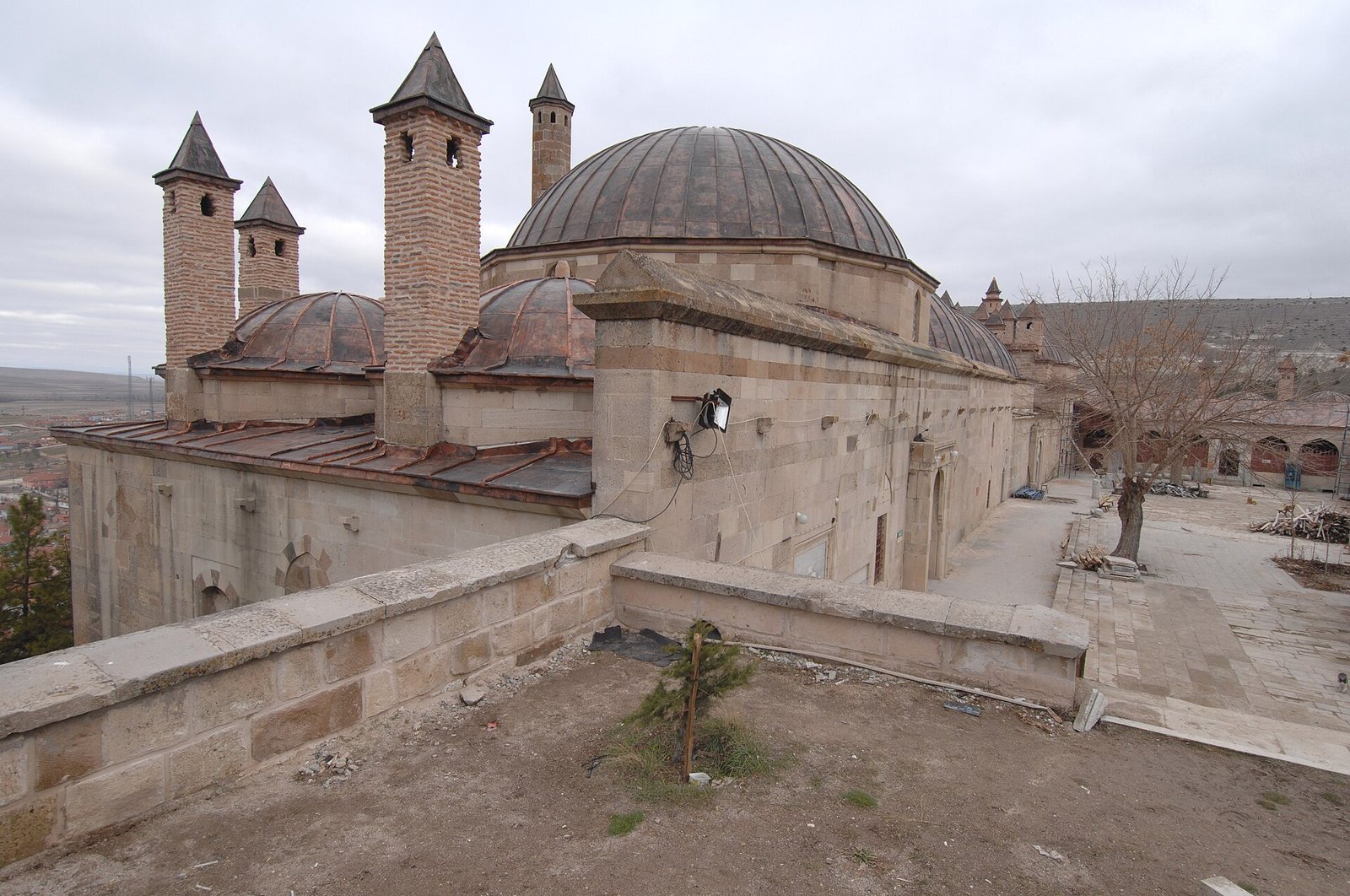
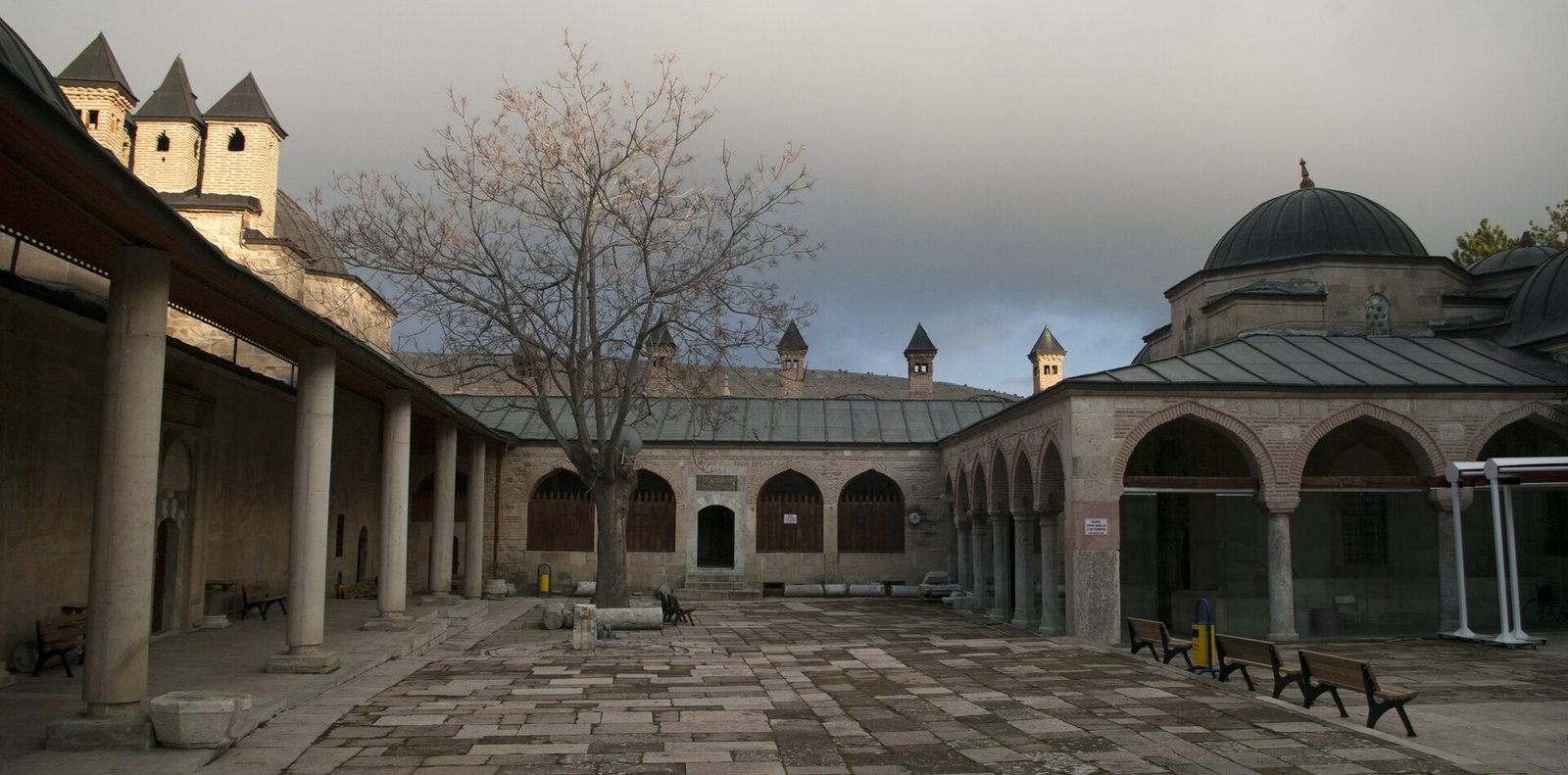
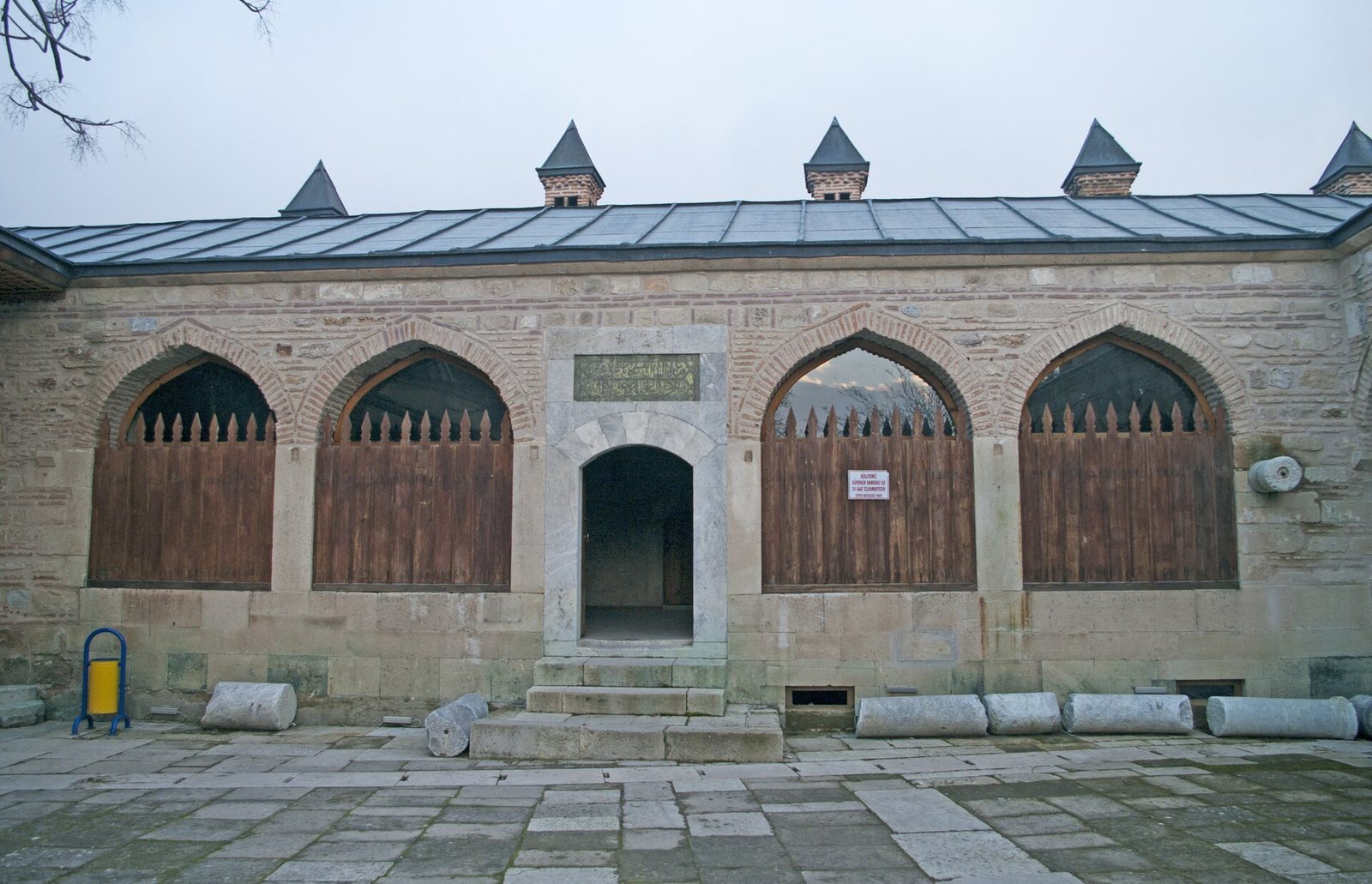
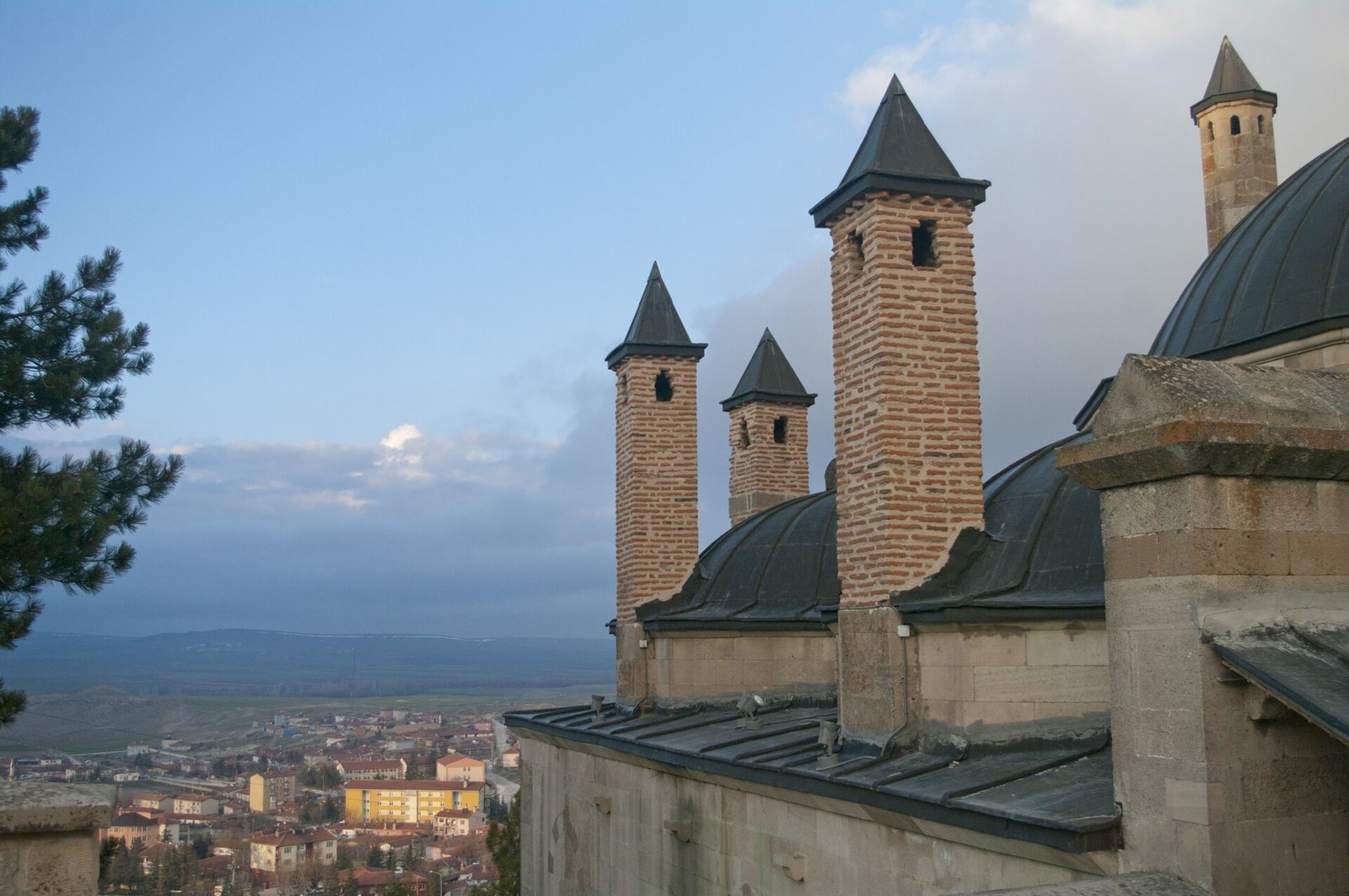
The complex occupies the east-facing slopes of 150-metre-high Üçler Hill and is described as Ottoman in architectural style. Its layout centers on the mosque, with the madrasa, almshouse, and dervish lodge arranged around it.
The two-storey tomb
The additional tomb takes the form of a two-storey iwan, an open-sided vaulted hall.