Seto Shrine: A Historic Shinto Sanctuary in Yokohama


Site at a Glance
- Rating
- 4.1
- Popularity
- Low
- Country
- Japan
- Primary era
- Medieval
- External website
- Open
- Eras represented
- Medieval, Early Modern
- Civilizations
- Kamakura shogunate
- Site type
- Religious
- Remains
- Sanctuary
On this page6 sections
History
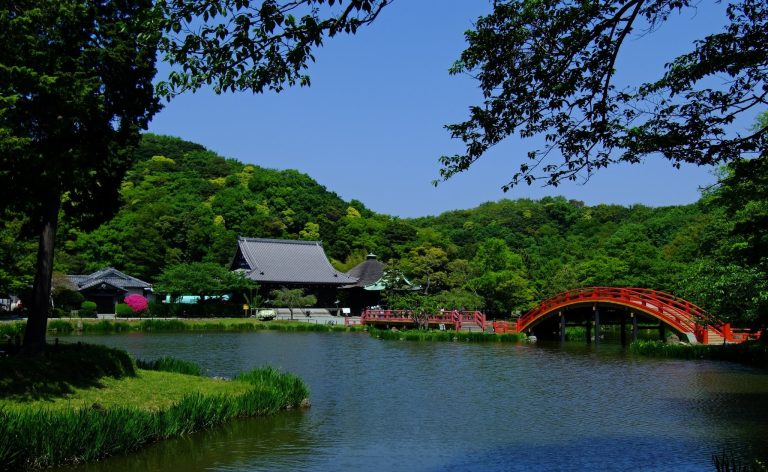
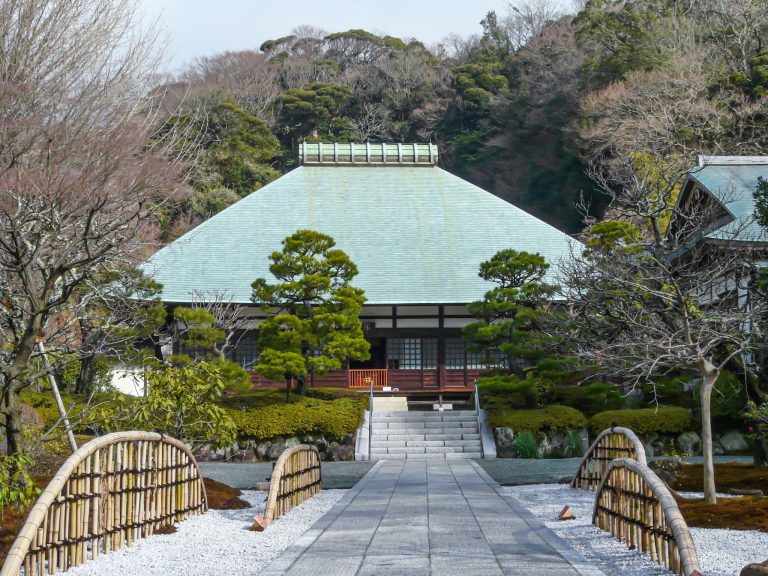
Seto Shrine, also known as Seto Mishima Myojin, is a Shinto sanctuary in Yokohama, Japan, founded in 1180 by Minamoto no Yoritomo during his uprising in Izu. It stands beside a narrow waterway associated with an ancient tidal channel, a place regarded as sacred because ritual impurities and sins were believed to be washed away there.
Foundation and Sacred Associations
During his campaign in Izu, Minamoto no Yoritomo invited the deity of Izu Mishima Myojin, now associated with Mishima Taisha, to Seto and built a shrine sanctuary. This event is regarded as the foundation of Seto Shrine. Its principal deity is Oyamatsumi, a kami associated with mountains and nature. Oyamatsumi was identified with the deity worshipped at Oyamatsumi Shrine on Omishima and at Mishima Taisha in Izu, and was also called the Great Deity of the Crossing.
Eleven deities are enshrined at Seto Shrine in total. Among them are Susanoo, a major Shinto kami associated with storms and the sea, and Sugawara no Michizane, a ninth-century scholar and court official later revered as the kami Tenjin. Hojo Masako is traditionally said to have followed Yoritomo’s example by inviting Benzaiten from Chikubushima, an island sanctuary associated with her worship. This tradition is linked with the establishment of Biwa-shima Shrine.
Medieval and Later History
During the Muromachi period, the Kamakura kubo, the military governor who represented the Muromachi shogunate in the eastern provinces from Kamakura, regularly visited Seto Shrine. The Kamakura Annual Events gives April 8 as the customary date of the visit.
Seto Shrine formerly held the rank of a village shrine. It is now a religious corporation and is recognized by the Kanagawa Prefectural Shrine Association as a shrine visited by an offering envoy. Archaeological investigations carried out several times since 1987 have traced human activity in the area from the Jomon period, when prehistoric hunter-gatherer and early settled communities lived in Japan, through the early modern period.
Remains
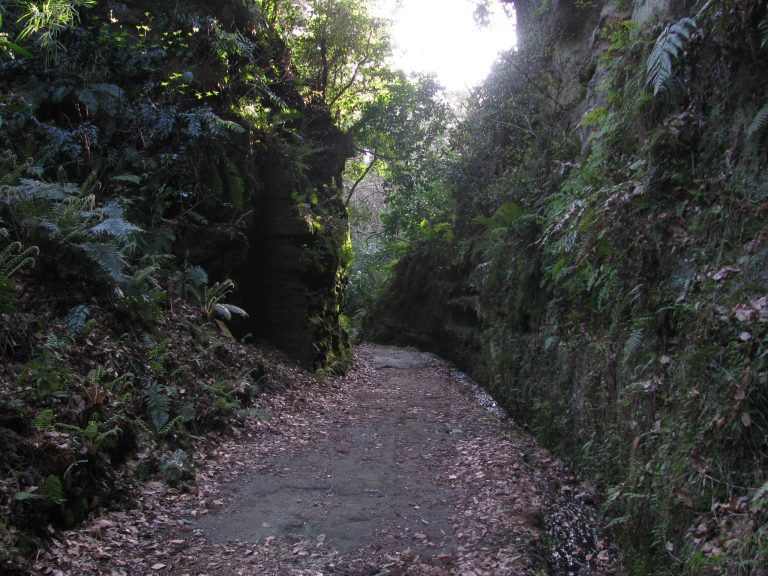
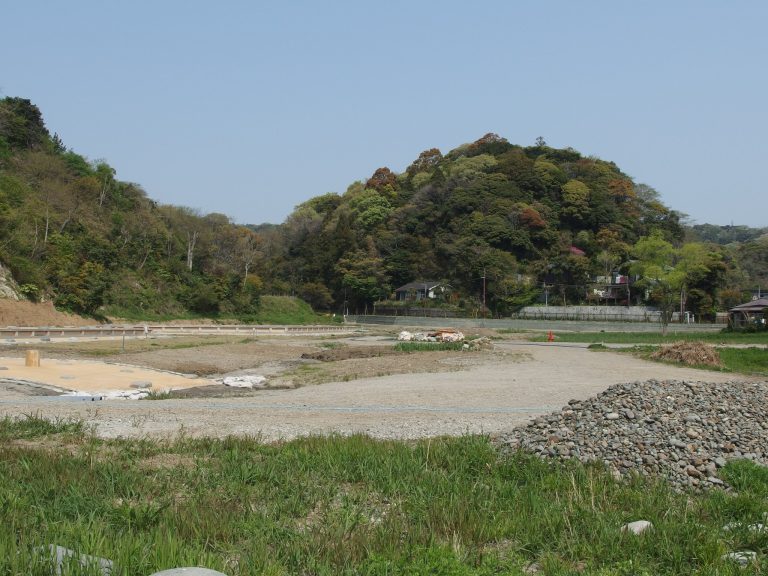
The shrine stands in Seto beside the waterway that once connected an ancient inlet with Hirakata Bay. The wider inlet extended from the present-day Deiki area to Kamariya East. The former precinct and its surrounding ground form the archaeological area known as the Seto Shrine Former Precinct Site, where remains from different periods have been found alongside the present religious buildings.
Archaeological Evidence
A wave-cut platform, a rock surface shaped by wave erosion along a former shoreline, records the area’s Jomon-period coastal setting. Early Jomon pottery has been recovered there, while Kofun-period remains include Haji ware, an unglazed ancient earthenware, and shell middens formed from discarded shells and other refuse. Ritual artifacts from the Kofun period have also been excavated on land adjoining the shrine.
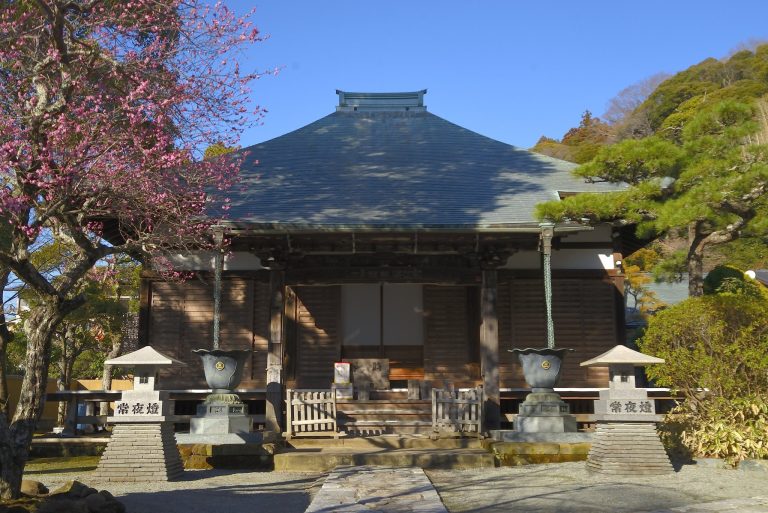
Later deposits include shell middens, ceramics, and structural remains dating from the Muromachi to the Edo periods. The shrine’s worship hall forms part of the present precinct, linking the active sanctuary with the archaeological area around it.
Biwa Island and Natural Features
Biwa Island lies offshore in front of Seto Shrine. It contains Biwa-shima Shrine, also called Biwa Island Benzaiten Shrine, and is registered as a local historic site. The Seto Shrine Great Kaya, a Japanese nutmeg-yew tree, and the woodland of Seto Shrine are designated local natural monuments.