Seljuk Palace of Konya: A Court Monument of the Sultanate of Rum
Site at a Glance
- Rating
- 3.6
- Popularity
- Medium
- Country
- Turkey
- Primary era
- Medieval
- Eras represented
- Medieval
- Civilizations
- Seljuk
- Site type
- Domestic
- Remains
- Palace
On this page7 sections
History
The Seljuk Palace of Konya, in Turkey, was first built during the reign of Kılıç Arslan II (1156–1192), a ruler of the Sultanate of Rum, the Seljuk state in Anatolia. It is the earliest datable court monument of that sultanate.
Construction and refurbishment
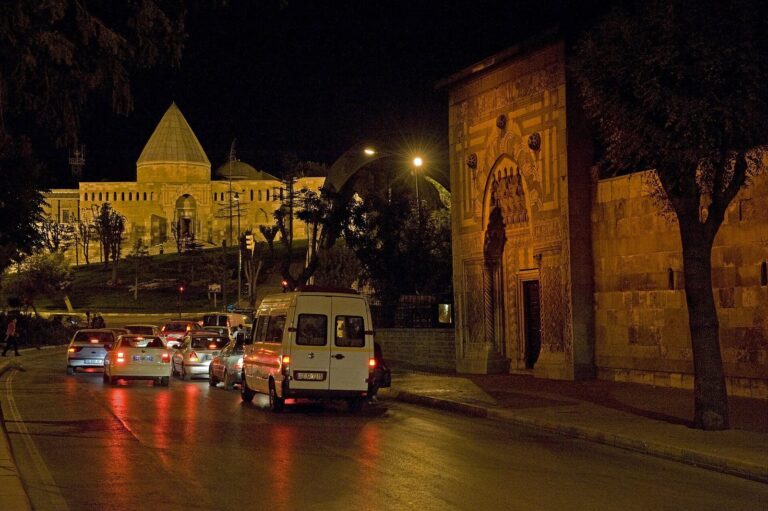
Alaeddin Kayqubad I, who ruled from 1220 to 1237, refurbished the palace and built a defensive citadel around it and the nearby Alâeddin Mosque. The citadel walls, erected in the early 1220s, protected the city’s administrative, residential, and ceremonial center, now known as Alaeddin Hill.
Zindankale formed a less substantial outer defensive belt, intended to provide further protection for the city.
Remains
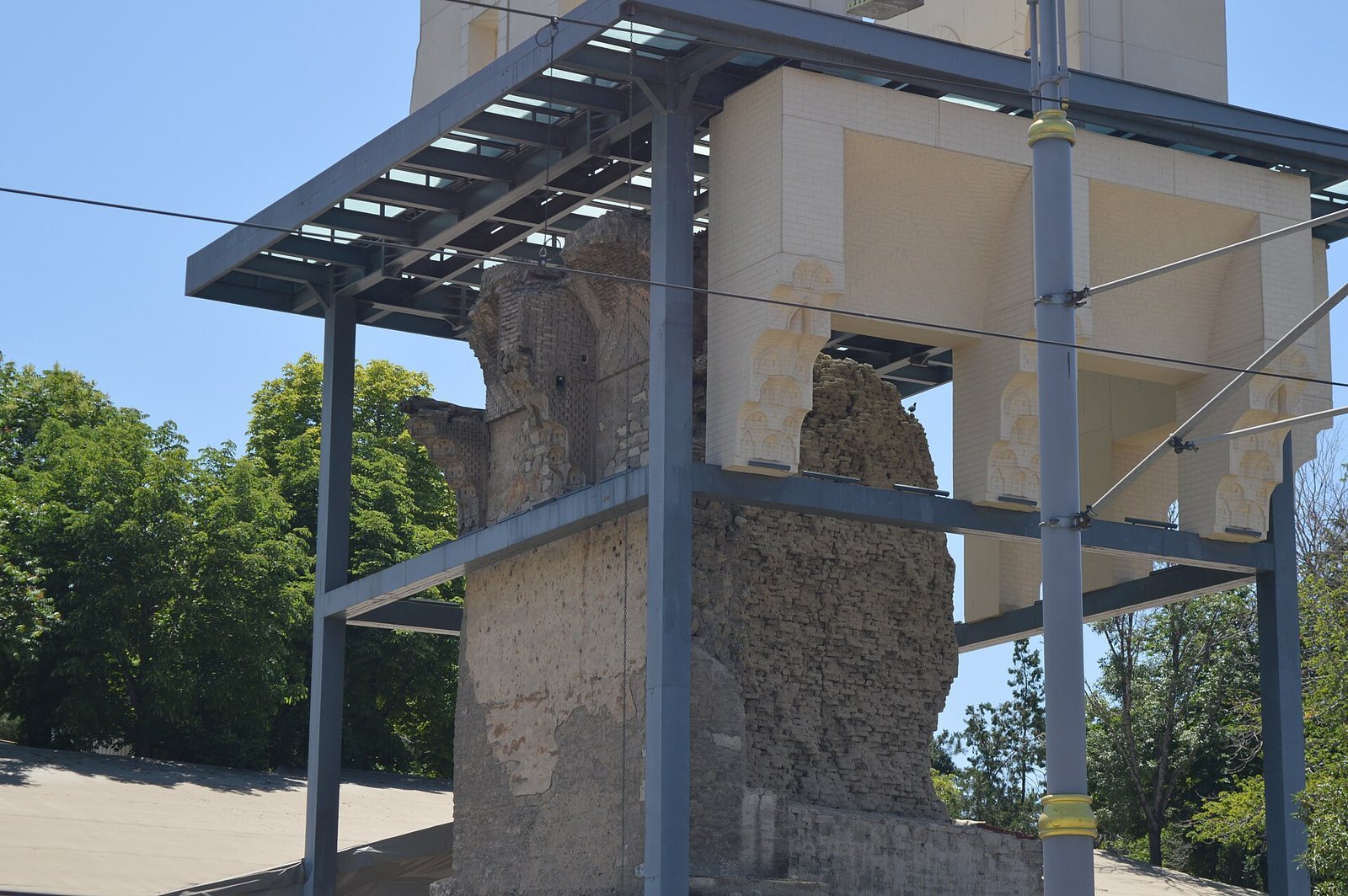
The palace was partly incorporated into a section of the citadel wall, joining the court building to the city’s fortified center. The palace ruins preserve architectural fragments and decorated tiles; the citadel walls themselves no longer stand.
Palace remains
Tower and wall fragments
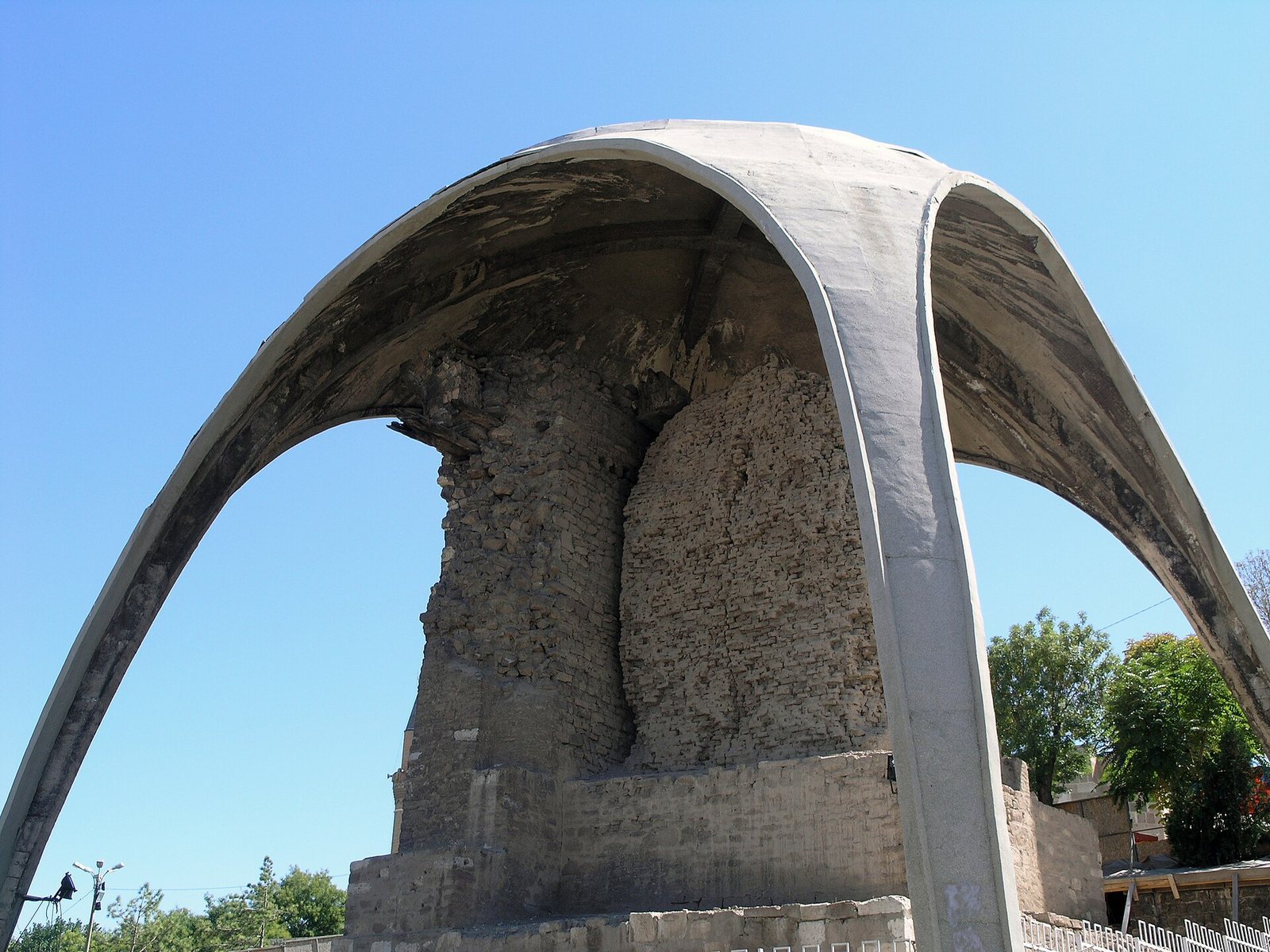
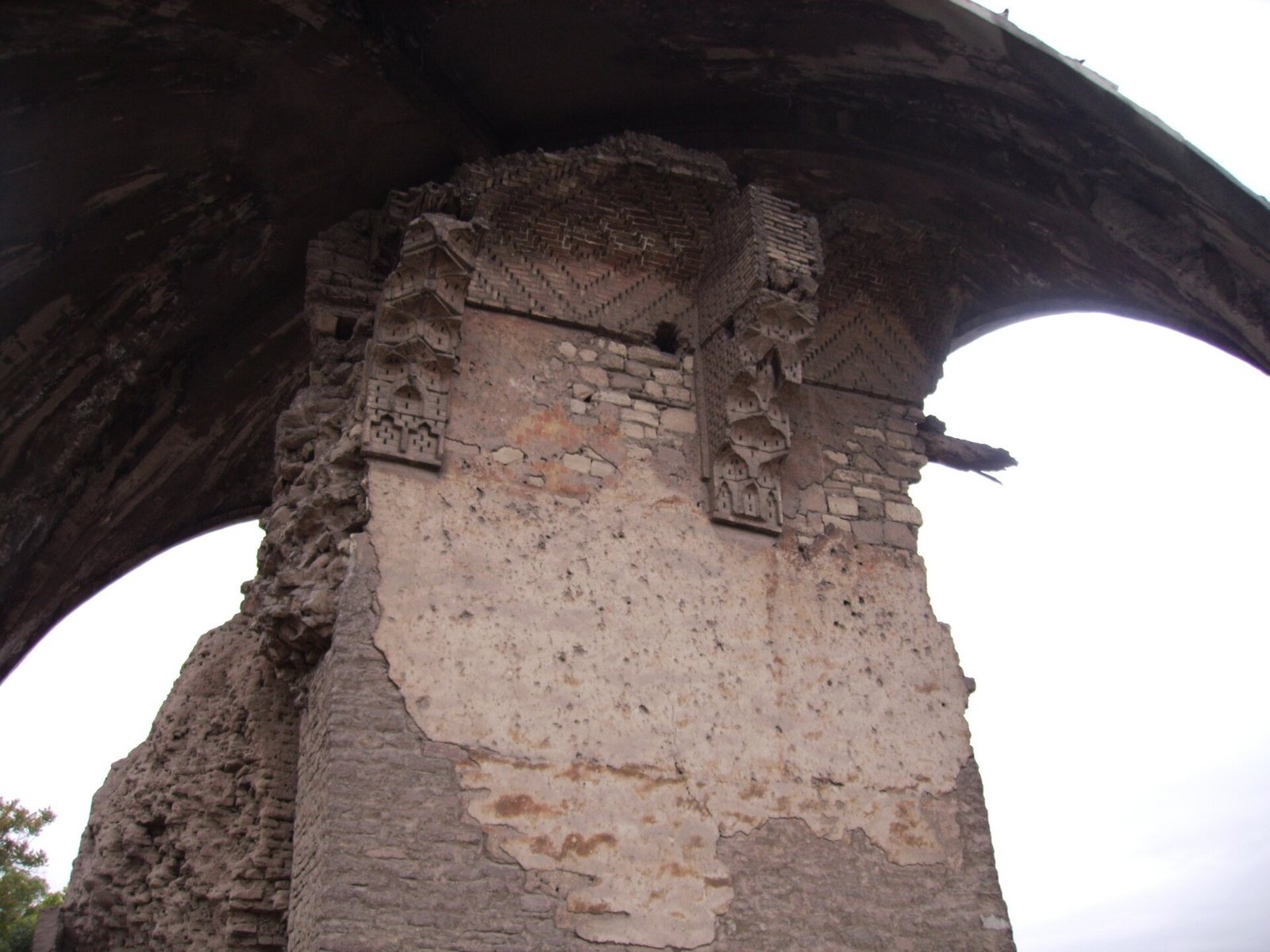
The surviving palace architecture is limited to a tower and a few portions of walls.
Decorative fragments
Tiles found among the ruins depict mounted combat and royal hunts. A few are attributed to Kılıç Arslan II’s reign, and their luxurious workmanship recalls ceramic pieces from Kashan, Iran. The ruins also yielded reliefs made from molded plaster in the Seljuk style.
Citadel decoration
The citadel’s decoration included a statue of Hercules, a carved band taken from a Roman stone coffin, and tiles showing seated figures in togas and winged beings surrounding a sun image. Arabic inscriptions appeared alongside these images. The mixture of Western and Eastern motifs appears to reflect the influence of the Artuqids, a medieval dynasty that ruled parts of Anatolia and northern Mesopotamia. It brought together classical and Persian-Islamic styles with mystical symbolism, especially imagery associated with light.