Selge: An Ancient City of Pisidia and Pamphylia
Site at a Glance
- Popularity
- High
- Country
- Turkey
- Primary era
- Classical
- Eras represented
- Classical, Medieval
- Civilizations
- Ancient Greek, Byzantine, Roman
- Site type
- City
On this page12 sections
History
Origins and early power
Selge was an ancient city of Pisidia, later associated with Pamphylia, whose remains lie at Altınkaya in Türkiye. Its foundation was traditionally attributed to Spartan settlers. Strabo, a Greek geographer and historian, also preserved a less certain tradition that the seer Calchas had founded it earlier.
The fertile district around Selge produced oil and wine and had abundant timber. The city was also known for storax, an aromatic resin, and an ointment made from iris root. Its laws and political constitution helped it grow into one of Pisidia’s most powerful and populous cities. On one occasion, it could field an army of 20,000, and its inhabitants were regarded as worthy kin of the Spartans. Selge maintained its independence from foreign powers until the Roman period.
Hellenistic alliances and conflict
In 333 BC, as Alexander the Great, the Macedonian king, passed through Pisidia, Selge sent him an embassy and gained his favor and friendship. At the time, the city was at war with Termessos.
In 218 BC, Selge was besieging Pednelissus when Achaeus, a Seleucid general who had become powerful in western Asia, sent a large force to aid that city. After a prolonged siege and a betrayal, Selge sought peace. The settlement required an immediate payment of 400 talents, an ancient unit of weight and monetary value, the return of Pednelissus’s prisoners, and a further 300 talents later.
Roman and later periods
Coins show that Selge continued to flourish under Hadrian, the Roman emperor who ruled from AD 117 to 138. The geographer Ptolemy and the Byzantine geographer Hierocles also mention the city.
In the fifth century, the historian Zosimus described Selge as a small town, but it was strong enough to repel a Gothic force. Selge was also the seat of a bishopric, a church district administered by a bishop, in Pamphylia Prima, a Roman province, and within the civil Diocese of Asia, an administrative grouping of provinces. The bishopric appears in records of the Patriarchate of Constantinople, an Eastern Orthodox ecclesiastical jurisdiction, until the fourteenth century. Its lapse was probably connected with the Islamic conquest of the region.
From the nineteenth century, the Catholic Church also counted Selge among its titular archbishoprics, titles retained for former dioceses that no longer function. The title has not been assigned since 13 September 1969.
Remains
Setting and city layout
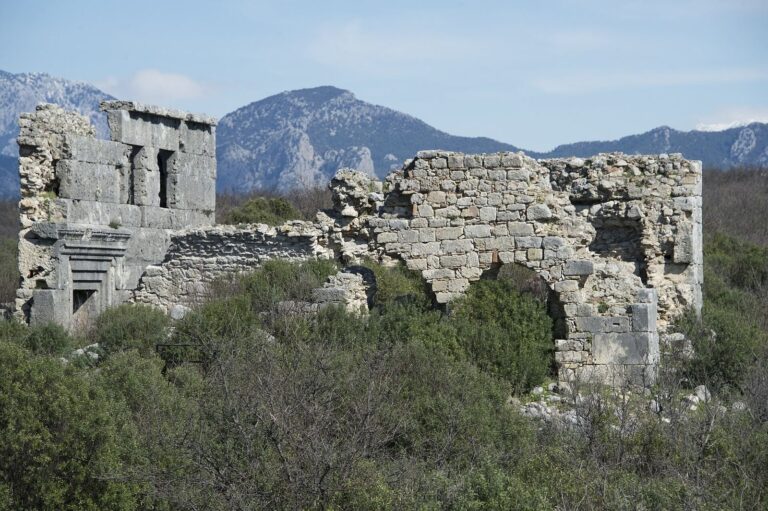
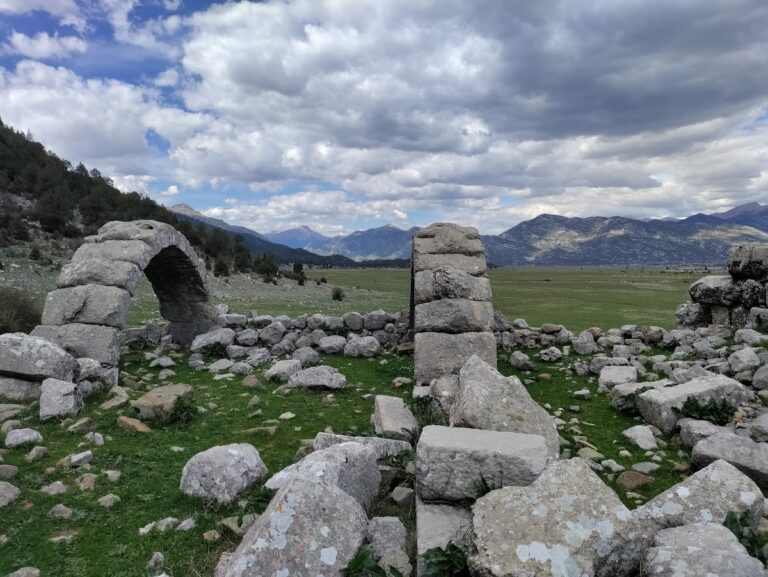
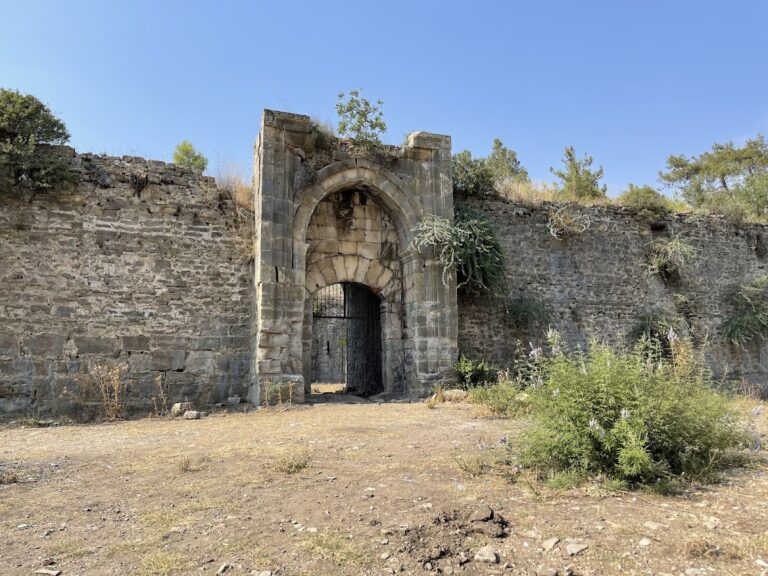
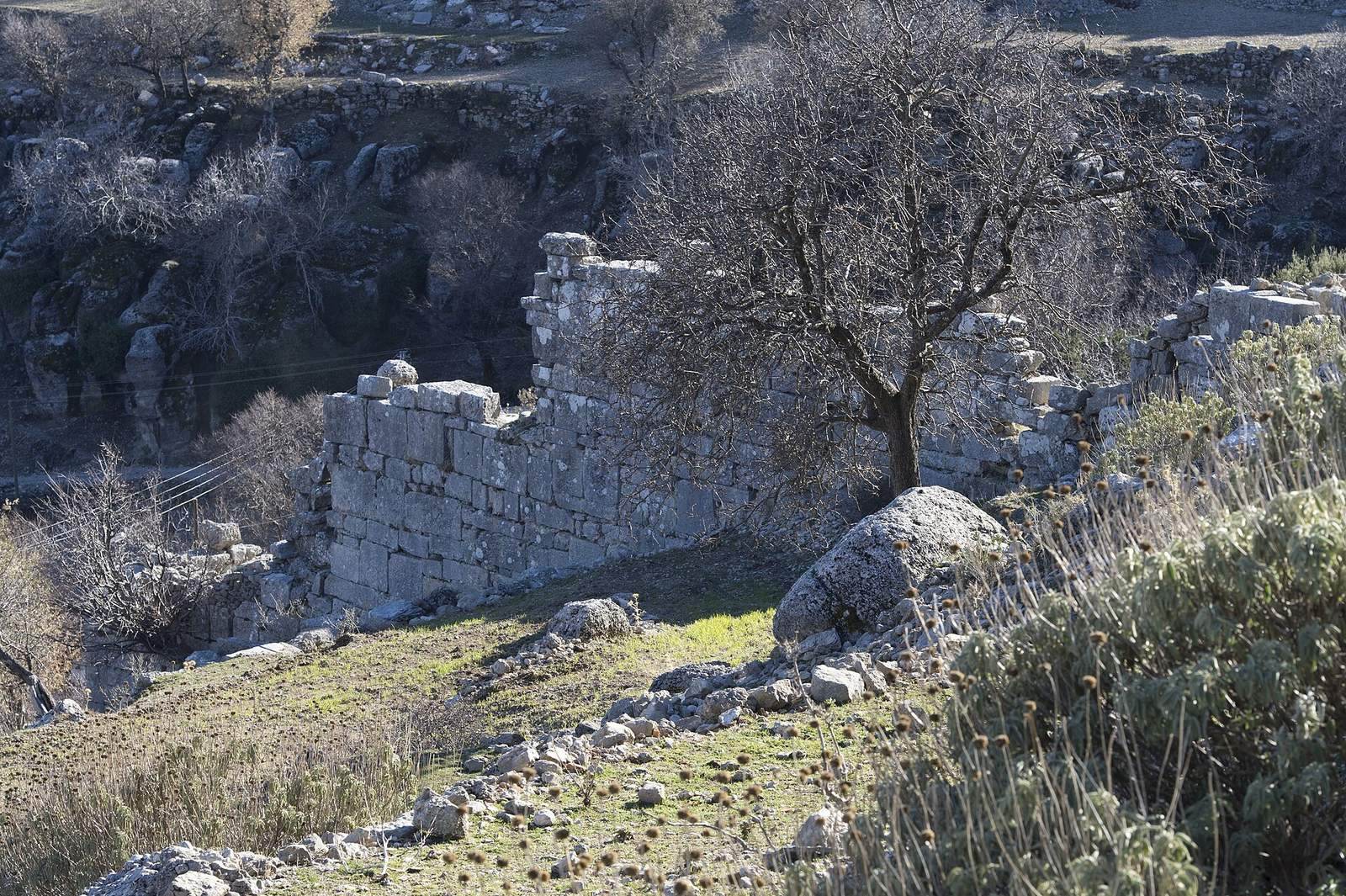
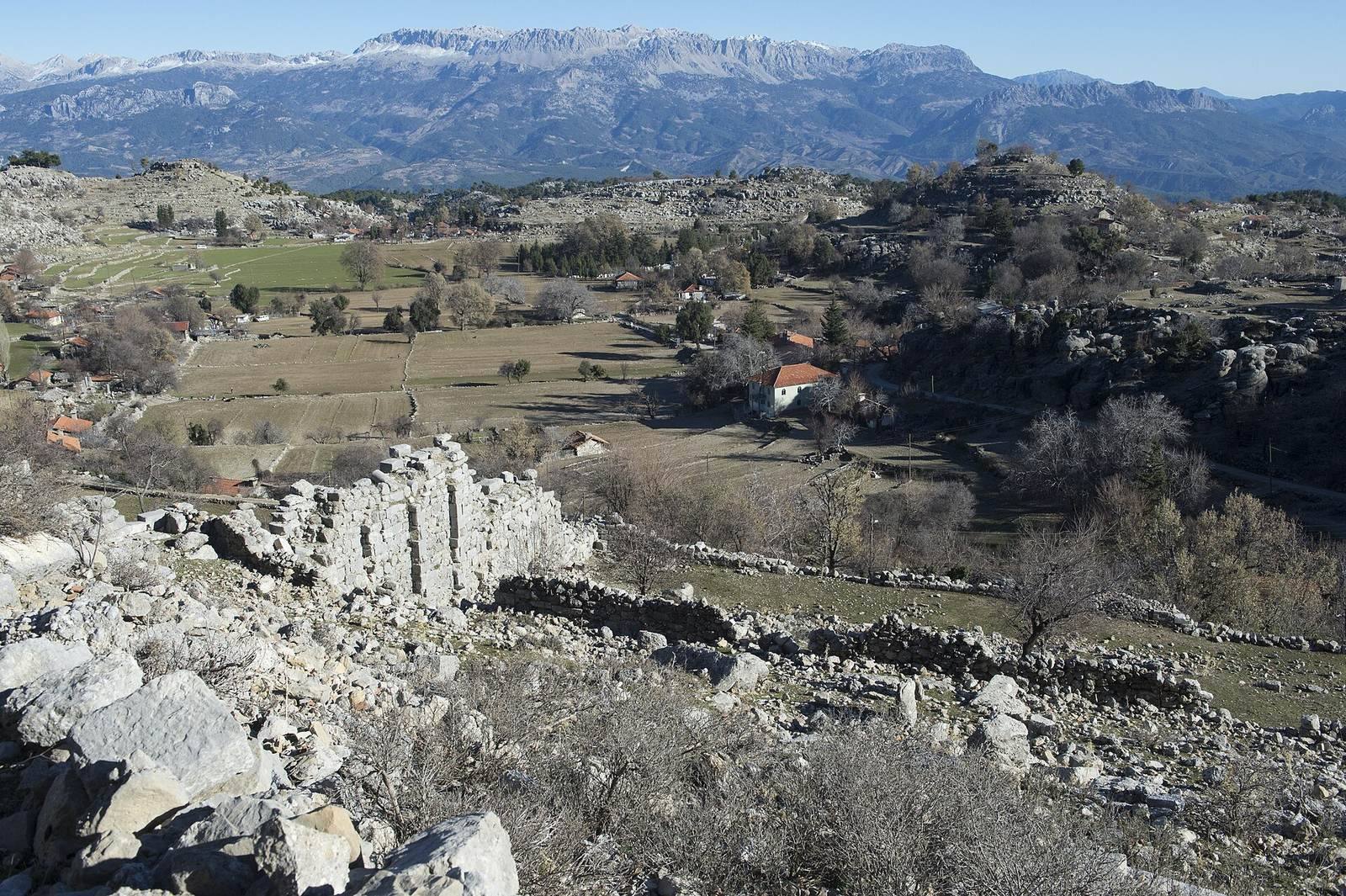
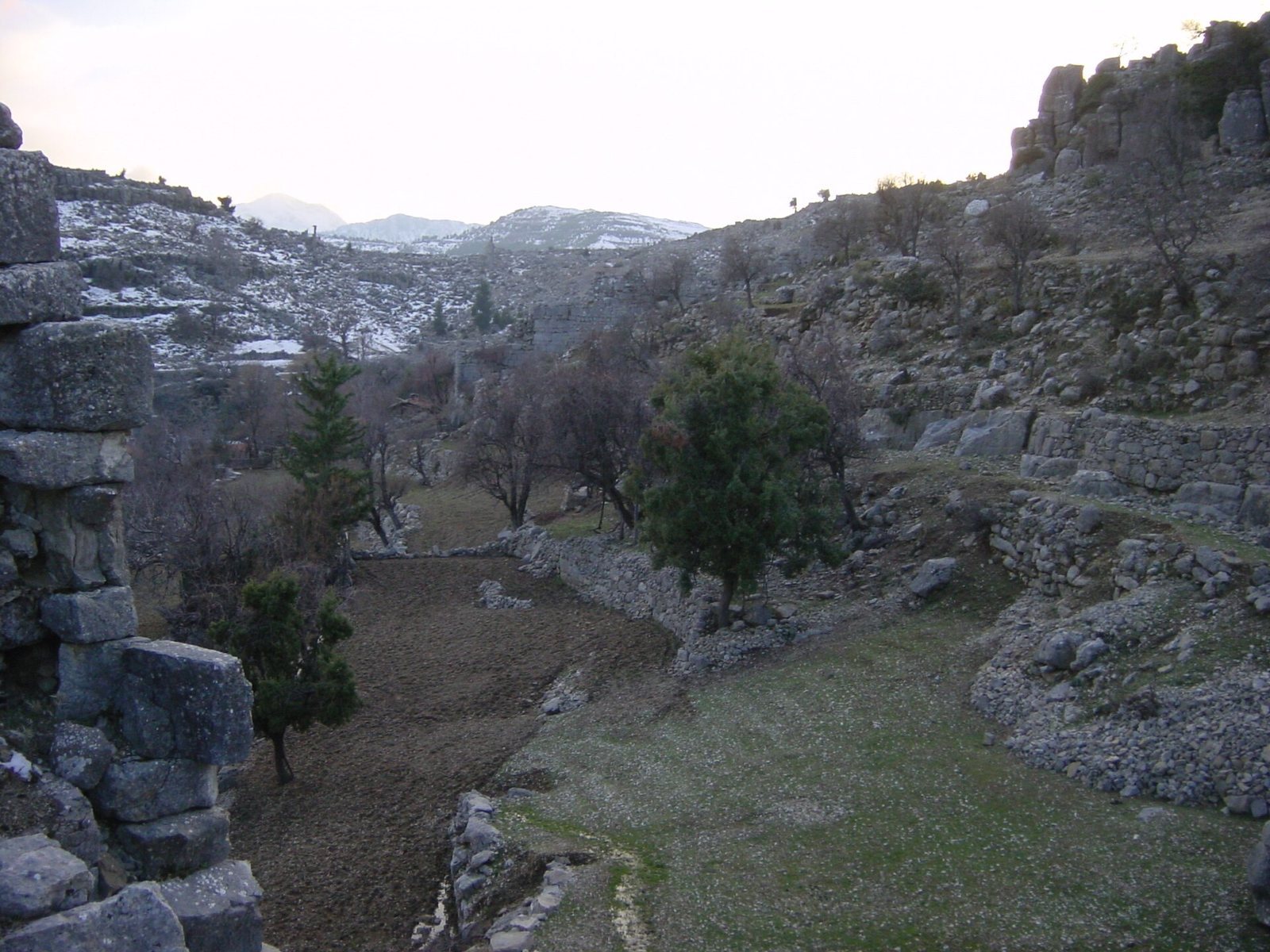
The ruins occupy a plateau about 950 metres above sea level, also occupied by the village of Altınkaya, known as Zerk as well. Selge stood on the southern slope of the Taurus Mountains, near the Eurymedon River where it cuts south through the mountains. Surviving remains include sections of the encircling city wall and the city’s high fortified area, or acropolis, whose ancient name was Kesbedion.
Structures within the city
Public buildings and facilities
Traces of the agora, a public civic and commercial space, remain alongside those of the gymnasium, a place for athletic training and education, and a stoa, a covered colonnade. Other remains include a stadium for athletic contests and a cistern for storing water.
Cemetery and church
The city’s remains also include a cemetery and a Byzantine church building.
Temples
The outlines of two temples survive, one dedicated to Zeus and the other to Artemis.
Theater
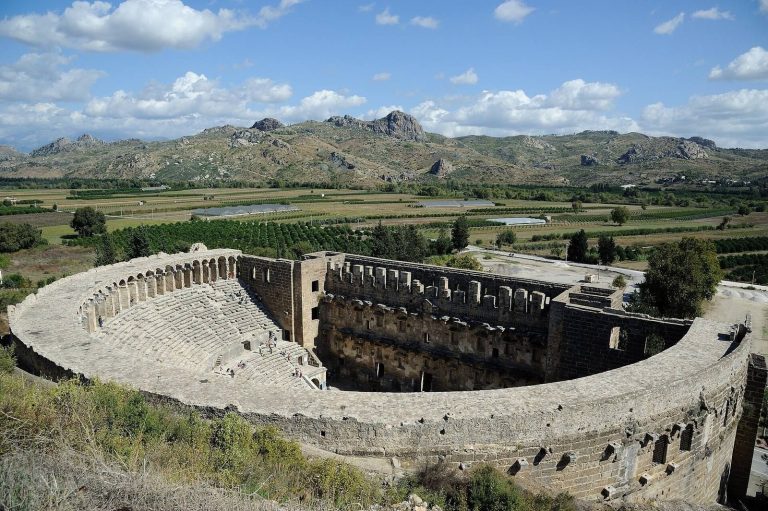
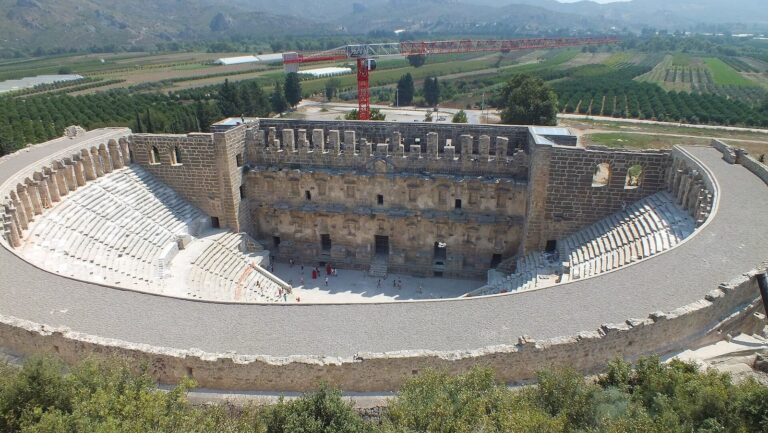
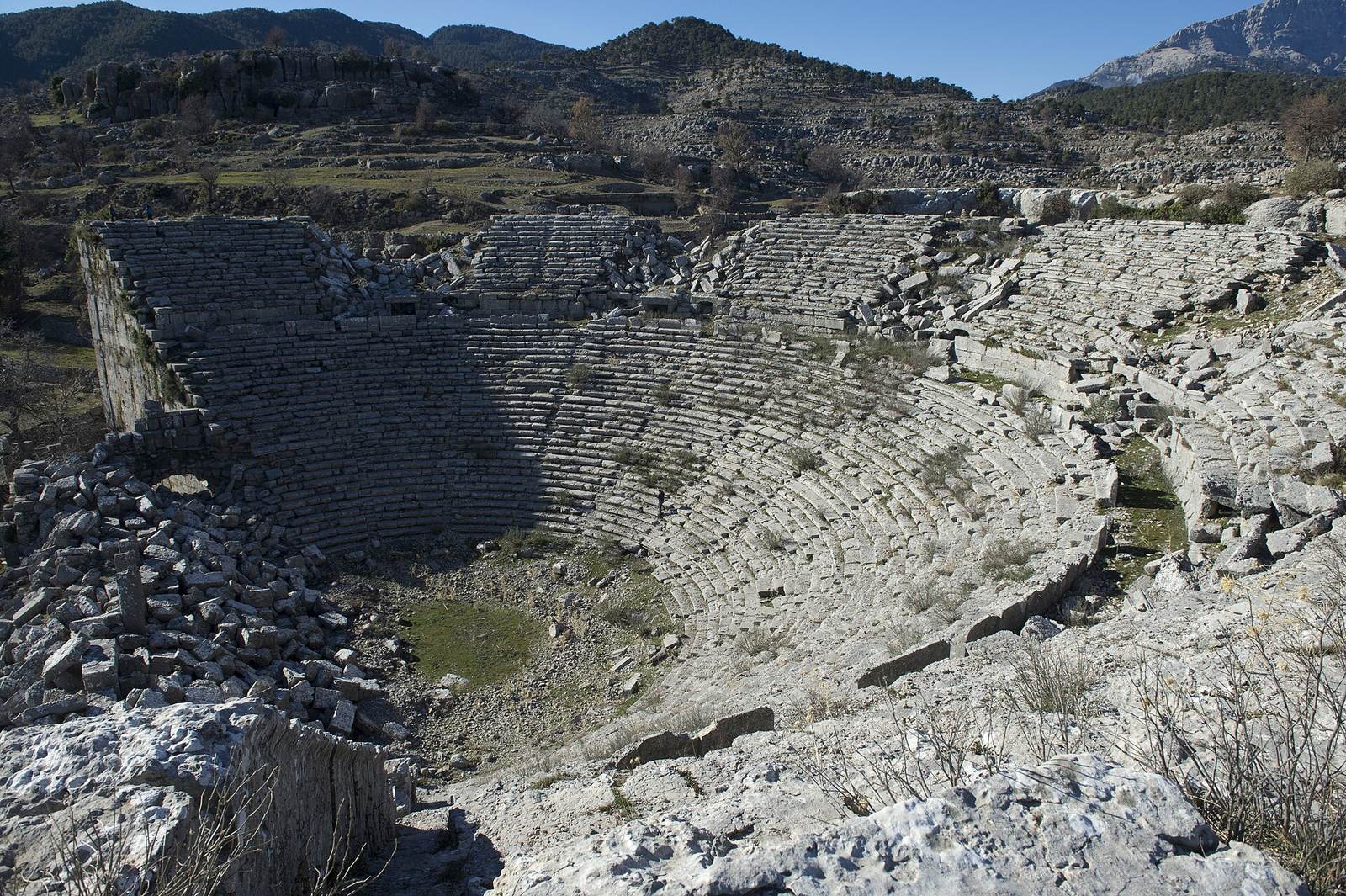
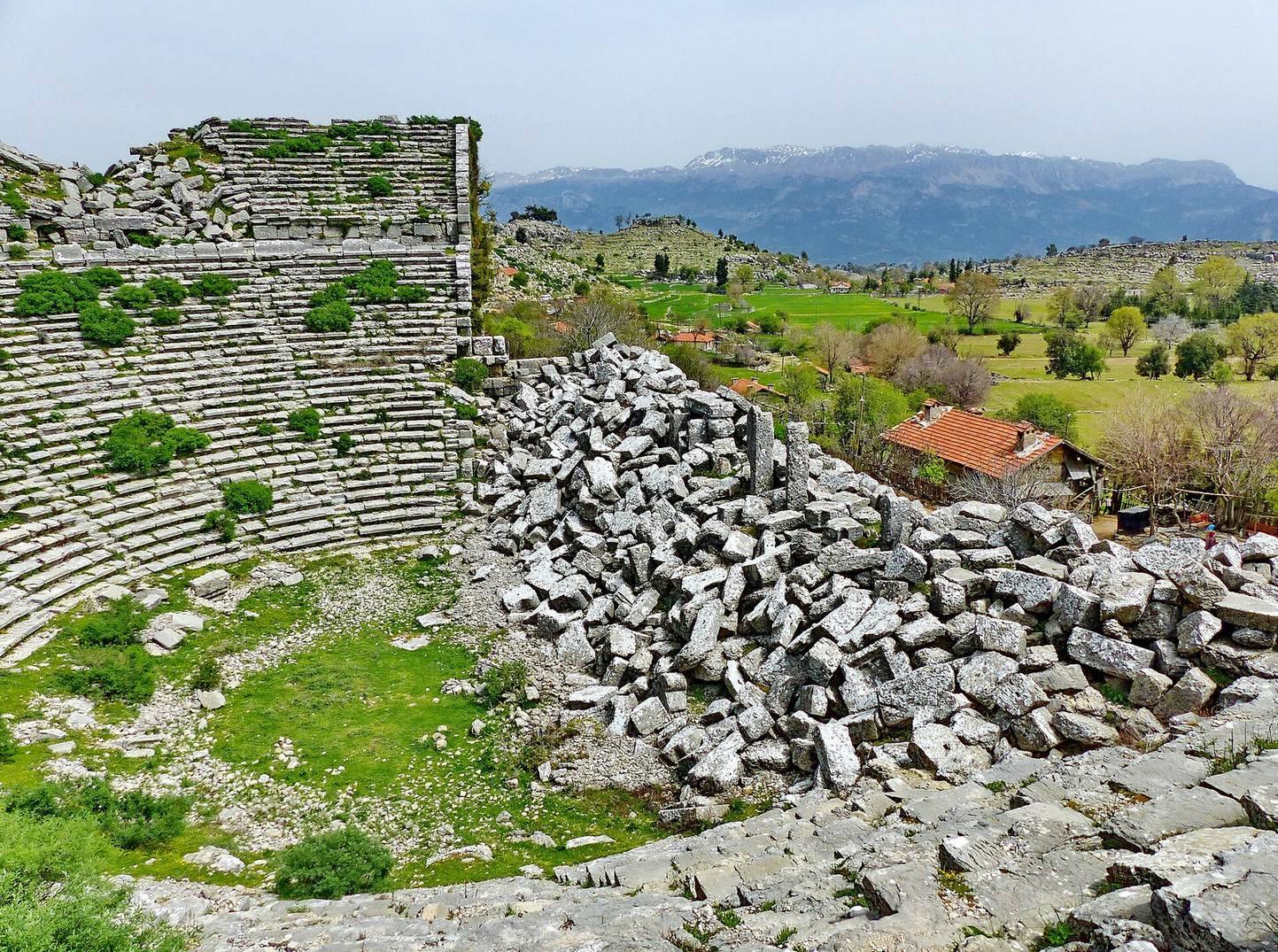
The theater is Selge’s best-preserved monument. It was restored in the third century AD.
Roman bridges beyond the city
About 12 kilometres from the ruins, roughly halfway toward the Pamphylian coastal plain, two Roman bridges remain in good condition. One crosses the Eurymedon and the other a small tributary. The bridge over the Eurymedon, Oluk Köprü, remains in use on the road through the deep, narrow Köprülü Gorge.