Seimei Shrine: A Kyoto Shinto Shrine Dedicated to Abe no Seimei


Site at a Glance
- Rating
- 4.4
- Popularity
- Medium
- Country
- Japan
- Primary era
- Medieval
- External website
- Open
- Eras represented
- Medieval, Modern
- Civilizations
- Japanese
- Site type
- Religious
- Remains
- Sanctuary
On this page13 sections
History
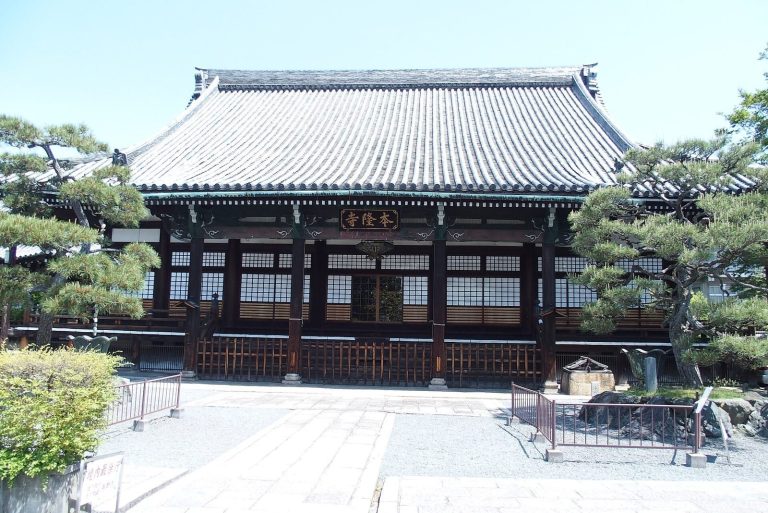
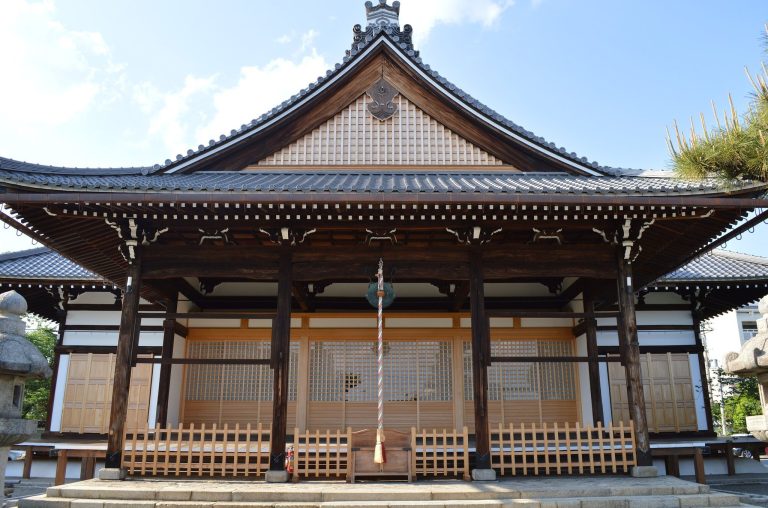
Seimei Shrine is a Shinto shrine in Kyoto, Japan, dedicated primarily to the deified spirit of Abe no Seimei, a tenth-century practitioner of divination, astrology, calendrical calculation, and ritual purification. Emperor Ichijo ordered its construction in 1007, during the fourth year of the Kanko era, on the site of Seimei’s former residence near the northwest side of Ichijo Modori-bashi. The shrine is also associated with Ukanomitama-no-Mikoto, an Inari-related deity, and with protection against evil and illness.
Foundation and Early Precinct
Abe no Seimei died in 1005. Two years later, Emperor Ichijo established the shrine in his memory, preserving a connection with the residence where Seimei had lived and practiced onmyodo. Onmyodo was a premodern system of divination and ritual practice influenced by Chinese cosmology and the theory of the Five Chinese Elements.
The original precinct covered a broad area, extending from Horikawa Street on the east to Kuromon Street on the west, and from Genseiganji Street on the north to Nakadachiuri Street on the south. Repeated warfare gradually reduced the grounds. Toyotomi Hideyoshi’s late-sixteenth-century urban redevelopment of Kyoto also altered the precinct, while the shrine buildings eventually fell into serious disrepair. Sen no Rikyu, the tea master who shaped the principles and practice of the Japanese tea ceremony, lived next to the shrine.
Loss, Repair, and Restoration
The shrine’s records and detailed accounts of its origins were lost in the Tenmei and Ansei fires, including the Kyoto fire of 1854. From the end of the Edo period onward, Seimei’s descendants and local parishioners repaired the buildings and grounds. During the Meiji period, the shrine was classified as a village shrine, and its principal buildings were restored in 1925.
The grounds were expanded toward Horikawa Street in 1950. The shrine remains associated with Abe no Seimei and with the preservation and restoration of the place linked to his former residence. A name plaque on the second torii was renewed in 2017 as a faithful reproduction of a plaque donated in 1854 by Tsuchimikado Haruo, a nineteenth-century court noble and practitioner of onmyodo.
Modern Reputation and Annual Observances
Seimei Shrine gained renewed public prominence from the Heisei period onward through the popularity of Baku Yumemakura’s Onmyoji novels and their manga and film adaptations. The works revived interest in Abe no Seimei and brought worshippers from across Japan. In 2005, the shrine held the Abe no Seimei Millennium Festival, marking one thousand years since his death.
The annual Seimei Festival takes place on the autumnal equinox. Its observances begin with an evening preparatory rite that includes yudate, a Shinto boiling-water ritual, and a lantern procession by parishioners. The main festival is followed by a portable-shrine procession accompanied by a boys’ drum-and-bugle band, chrysanthemum and fan-shaped halberds, children, and shrine maidens.
Remains
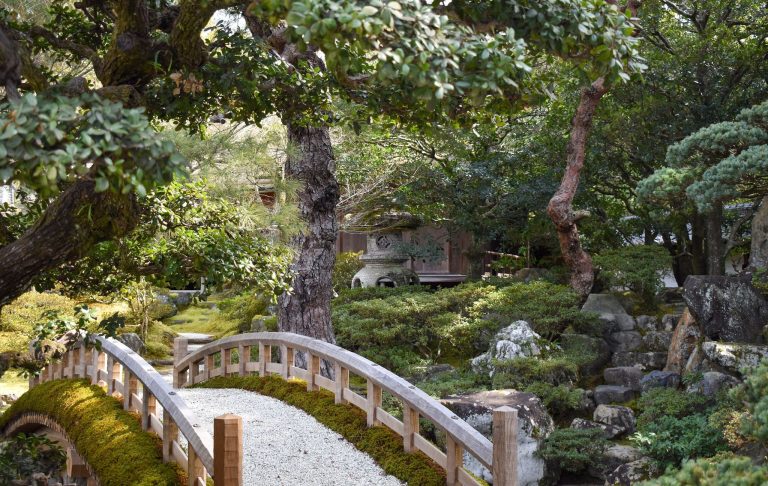
The surviving shrine grounds are arranged along an entrance approach marked by two torii gates, with the main sanctuary and subsidiary features within the precinct. Stone objects, trees, ritual facilities, water features, and repeated five-pointed motifs preserve the shrine’s visual and religious associations with Abe no Seimei.
Entrance and Water Features
Torii Gates
Two torii, gateways marking the entrance to a Shinto sacred precinct, lead toward the shrine. The name plaque on the first torii bears the shrine’s pentagram crest. The second torii carries the 2017 reproduction of the plaque donated by Tsuchimikado Haruo in 1854.
Seimei Well
Seimei Well lies north of the main sanctuary. Its water, known as Seimei Water, is traditionally believed to have emerged through Seimei’s spiritual power in onmyodo and to protect against illness. Tradition also holds that Sen no Rikyu drew water from the well for tea gatherings and that Toyotomi Hideyoshi drank tea prepared with it.
The well is shaped as a pentagram, also called the Seimei star, with its water outlet at one of the star’s points. On the first day of spring, a shrine priest traditionally rotates the upper section so that the outlet faces the favorable direction for that year.
Trees, Symbols, and Ritual Objects
Sacred Tree
A sacred tree stands before a subsidiary shrine. It is more than 300 years old and is surrounded by wooden benches. The tree is associated with quietly touching it and praying for spiritual benefit.
Pentagram Motifs
The pentagram appears in several parts of the shrine. Japanese bellflower designs decorate roof tiles and lanterns, and their five petal tips are understood to express the same ideal as the five-pointed star.
Grounds and Commemorative Features
The grounds include a stone lion, a stone komainu guardian figure, and a chozuya, a purification pavilion where hands and mouths are rinsed. A camphor tree is also associated with the precinct. A stone tablet dedicated to Sen no Rikyu preserves the connection between the shrine and the tea master’s neighboring residence.
Ichijo Modori-bashi
Ichijo Modori-bashi stands south of the shrine and is traditionally regarded as a gateway between the human and spiritual realms. When the bridge was rebuilt in 1995, sections of the old bridge’s railing posts were moved to the shrine and preserved in reconstructed form.