Scurati Caves: A Prehistoric Cave Settlement in Sicily
Site at a Glance
- Popularity
- Medium
- Country
- Italy
- Primary era
- Modern
- Eras represented
- Bronze Age, Modern
- Civilizations
- Kingdom of the Two Sicilies
- Site type
- Settlement
- Remains
- Village
On this page8 sections
History
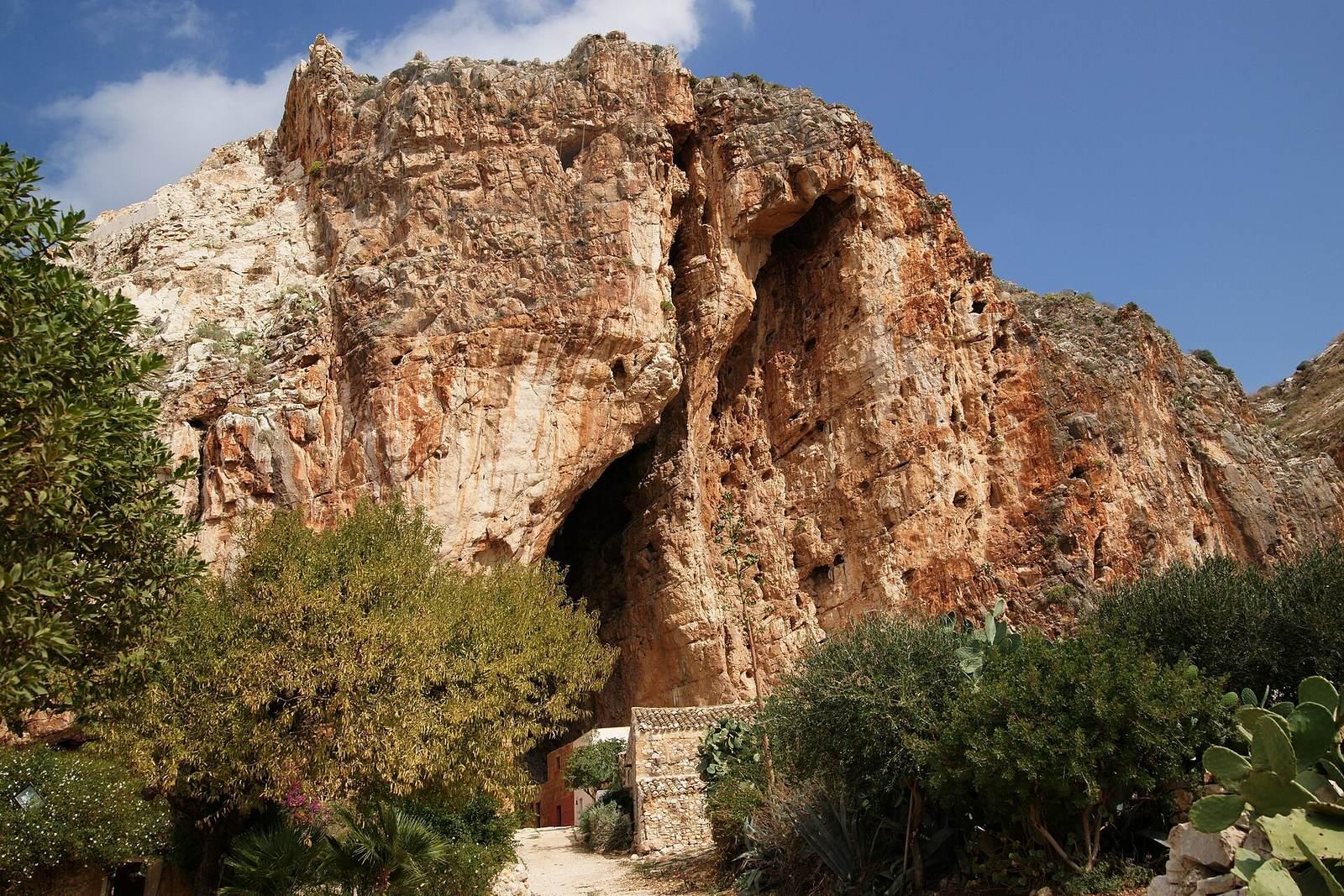
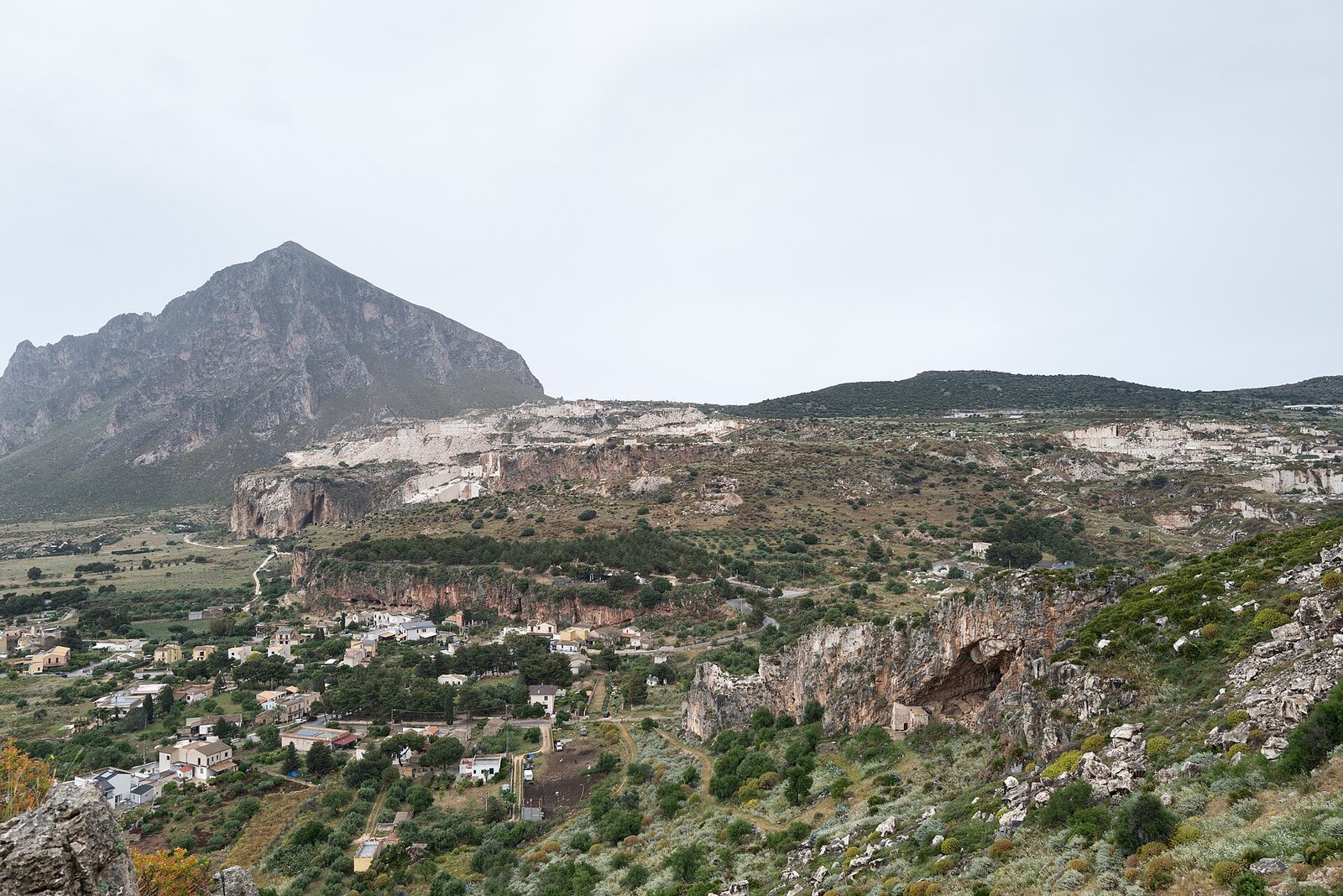
The Scurati Caves are a prehistoric cave settlement near Scurati, in the municipality of Custonaci, Sicily, Italy. They preserve evidence of human presence from the Upper Paleolithic and have also served as a place of residence and, at Rumena Cave, a fortification.
Occupation and archaeological study
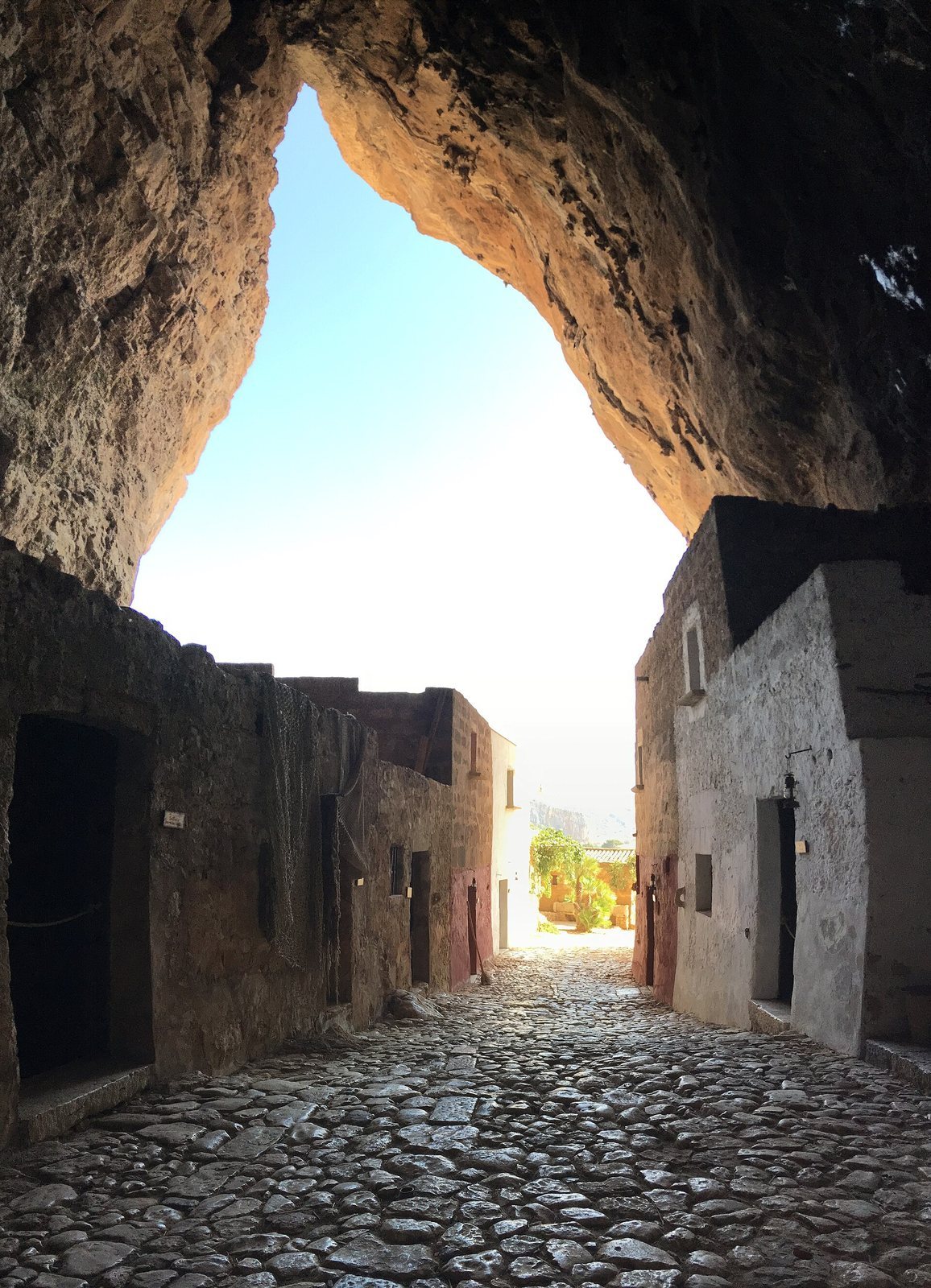
Rumena Cave was used as a fortification during the Saracen invasions, a term used in medieval Europe for Muslim peoples and forces. From 1819, a small settlement of houses occupied the caves and remained inhabited into the twentieth century. The Mangiapane family owned Mangiapane Cave, where people continued to live until the 1950s.
Archaeological study began in 1870 under Marquis Guido Dalla Rosa. In 1925, Raymond Vaufrey explored Rumena Cave and directed an excavation at Mangiapane II Cave, assisted there by Italian archaeologist Ugo Rellini. Later excavations, including work in 2000, were led by archaeologist Sebastiano Tusa for the Trapani Superintendency, the public authority responsible for cultural heritage protection.
Living heritage and recognition
Since 1983, local residents have presented a living Nativity at Mangiapane Cave each Christmas. The live portrayal of the birth of Jesus incorporates local farming and craft traditions and involves about 160 participants. Sicily added the tradition to its Register of Intangible Heritage in 2006.
In 2015, Sicily’s Department of Territory and Environment recognized Rumena Cave 1 as a cave-related geological site of worldwide significance and assigned its management to the municipality.
Remains
The site comprises nine caves at about 60 metres above sea level, some within the Monte Cofano Nature Reserve. A small hamlet of houses forms part of the settlement. Finds from the caves include Upper Paleolithic flint tools and incised marks.
Principal caves
Mangiapane Cave
Also known as Uffizi Cave, Mangiapane is the largest of the caves. It measures about 70 metres high, 13 metres wide, and 50 metres deep. Excavations there in 2004 recovered pottery from the Early and Middle Neolithic.
Mangiapane II Cave
Mangiapane II lies about 100 metres west of Mangiapane Cave along the same rocky cliff. Excavation uncovered hearth remains containing Middle Bronze Age pottery associated with the Thapsos culture, an archaeological culture of Bronze Age Sicily. Flint artifacts from the Final Epigravettian, a late Upper Paleolithic phase, were also found. Some of the finds are displayed at the Pepoli Museum in Trapani; others are held by the Salinas Museum in Palermo and the Museum of Ethno-Anthropology in Paris.
Rumena Cave
Rumena Cave lies in the district of the same name, at about 100 metres above sea level. It contains numerous cave formations and flint finds, as well as an oven-shaped chamber about 3 metres wide and 13 metres deep. Prehistoric linear incisions are present at the base of the shelter in front of the cave.