St Mary le Strand: A Baroque Church in Westminster
Site at a Glance
- Rating
- 4.7
- Popularity
- Medium
- Country
- United Kingdom
- Primary era
- Early Modern
- Eras represented
- Early Modern, Modern
- Civilizations
- British
- Site type
- Religious
- Remains
- Church
On this page7 sections
History
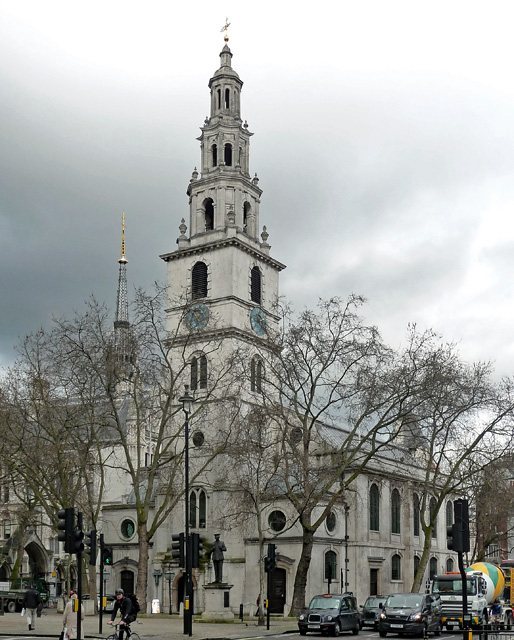
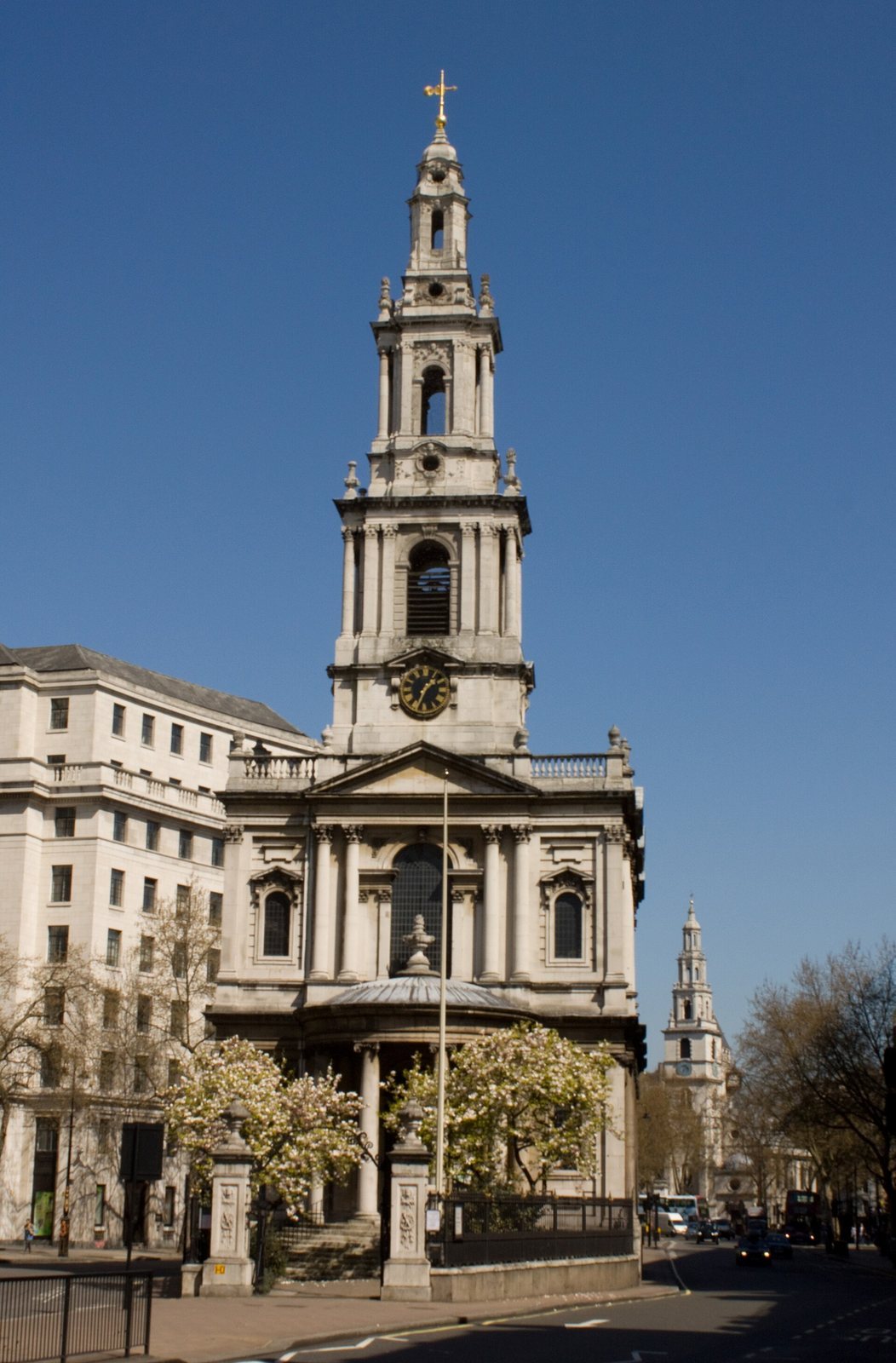
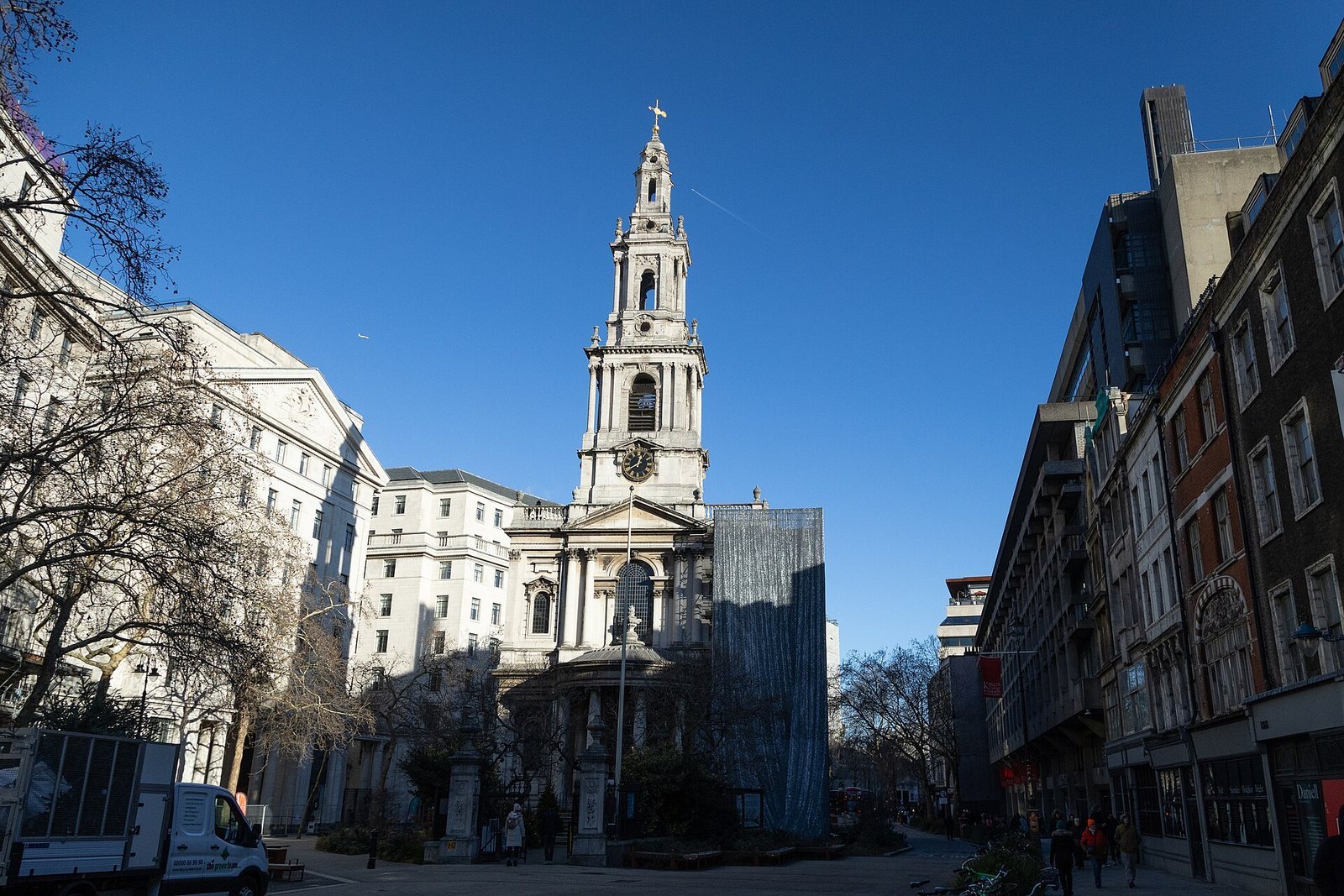
St Mary le Strand is an eighteenth-century church in Westminster, London, United Kingdom, designed by James Gibbs and begun in 1714 in the elaborate Baroque style of seventeenth- and eighteenth-century Europe. It was the first of twelve churches built under the Commission for Building Fifty New Churches, an early eighteenth-century body established to provide churches for London.
The predecessor and parish
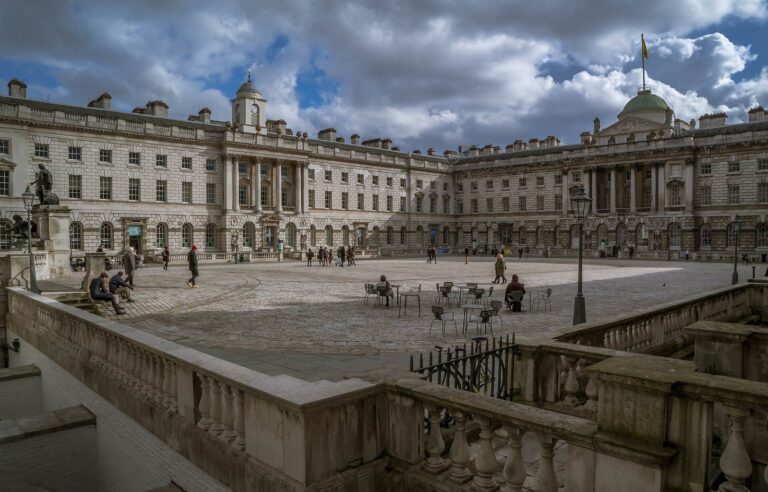
The present church is the second to bear the name St Mary le Strand. Its predecessor stood a short distance to the south and had an uncertain foundation date. A judgment from 1222 refers to it as the Church of the Innocents, or St Mary and the Innocents. In 1549, Edward Seymour, 1st Duke of Somerset, ordered its demolition to clear the way for Somerset House. The parishioners were promised a new church, but none was built. They worshipped first at St Clement Danes and later at the Savoy Chapel.
A large maypole stood on the site of the present church and hosted May Day celebrations during the sixteenth and seventeenth centuries. By the early eighteenth century, it had fallen into severe decay.
Gibbs’s church
Work began in February 1714. For Gibbs, the church was his first public building and his first major project after returning from Italy. His initial Italianate design, based on Italian architectural models, included a separate column intended to carry a statue of Queen Anne. After the queen died in 1714, the column proposal was abandoned and the stone already bought for it was assigned to a steeple, substantially changing the design. The steeple was finished in September 1717.
Edmund Gibson, Bishop of London, consecrated the church on 1 January 1724. John Heylyn became its first rector, the clergyman in charge of the parish.
Later history
A tradition holds that Charles Edward Stuart, known as Bonnie Prince Charlie, renounced his Roman Catholic faith and became an Anglican during a secret visit to London in 1750. In 1809, John Dickens and Elizabeth Barrow, the parents of novelist Charles Dickens, married at the church.
At the start of the twentieth century, the London County Council proposed demolishing St Mary le Strand to widen the Strand. A campaign that included artist Walter Crane helped save the building, although its graveyard was destroyed and the graves were transferred to Brookwood Cemetery. A nearby bomb explosion damaged the church during the London Blitz, the bombing of London in the Second World War, but the building survived.
The church received Grade I listed status on 24 February 1958. Grade I is England’s highest listed-building category, reserved for buildings of exceptional interest. St Mary le Strand remains part of the Church of England, the Anglican church in England, with Liberal Catholic churchmanship, a tradition that combines Catholic liturgical practices with theological openness. It is also the official church of the Women’s Royal Naval Service, a women’s service of the Royal Navy active during the First and Second World Wars.
Remains
Exterior and plan
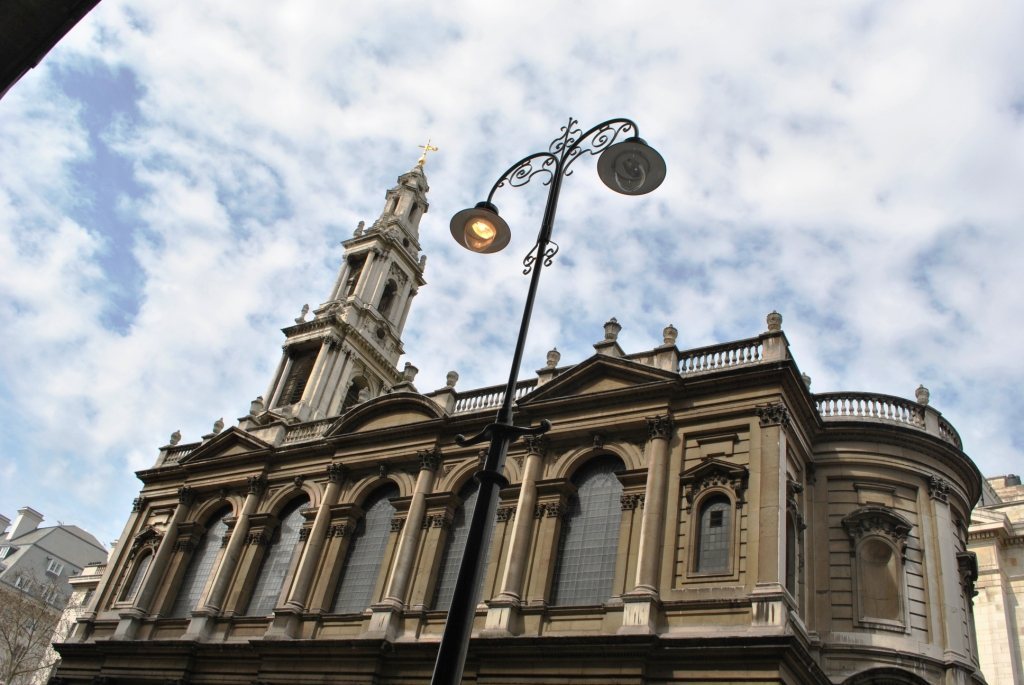
The church stands at the eastern end of the Strand, north of Somerset House and King’s College London’s Strand campus, and south of Bush House. Its plan is oblong, rather than the square shape Gibbs first intended. He explained that, because construction had already risen 20 feet above ground and east-to-west adjustment was limited to 14 feet, he enlarged the building from south to north. The exterior carries elaborate Baroque ornament, including decorative urns. During a procession in 1802, one urn fell and killed a passer-by. Gibbs left the ground floor without windows to reduce traffic noise at the roadside location.
Interior and memorials
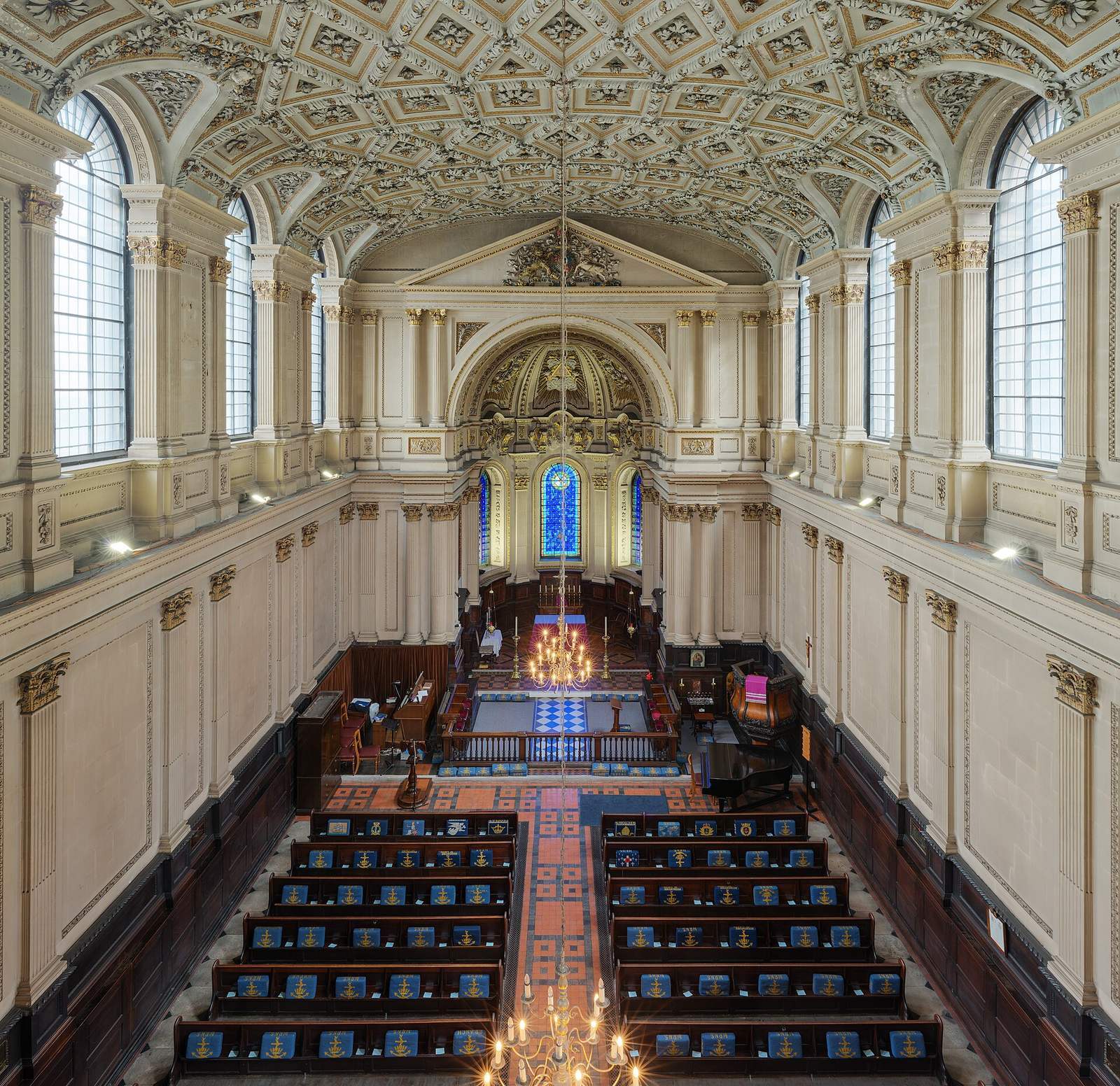
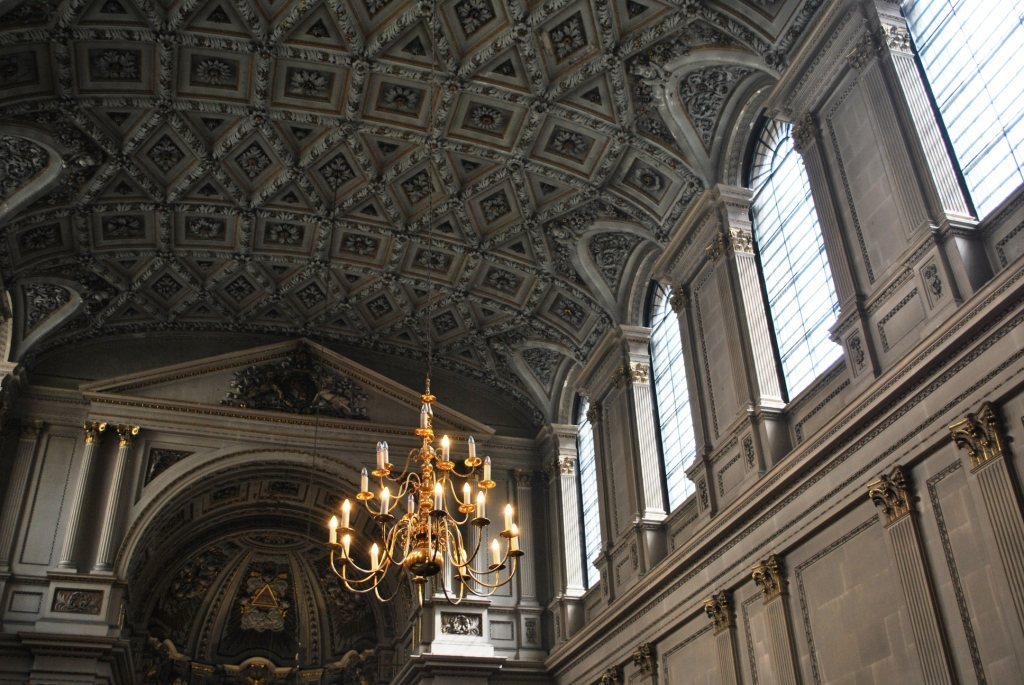
The interior includes a white-and-gold plaster ceiling whose design draws on Luigi Fontana’s work in Rome’s Santi Apostoli and Pietro da Cortona’s work in Santi Luca e Martina. The porch reflects Cortona’s Santa Maria della Pace; the walls were influenced by Michelangelo, and the steeple by Christopher Wren. In 1871, architect Robert Jewell Withers restored the church, replacing enclosed box pews with open seating and reshaping them into benches with scrolling sides. He also laid tiles in the main body of the church and the area around the altar, renovated the ceilings, and redecorated the walls in colour. A book of remembrance inside commemorates Women’s Royal Naval Service members who died in service.