Sanctuary of Maria Santissima di Custonaci: A Marian Shrine in Sicily
Site at a Glance
- Popularity
- Medium
- Country
- Italy
- Primary era
- Early Modern
- Eras represented
- Early Modern, Modern
- Civilizations
- Italian, Kingdom of Sicily, Spanish
- Site type
- Religious
- Remains
- Sanctuary
On this page12 sections
History
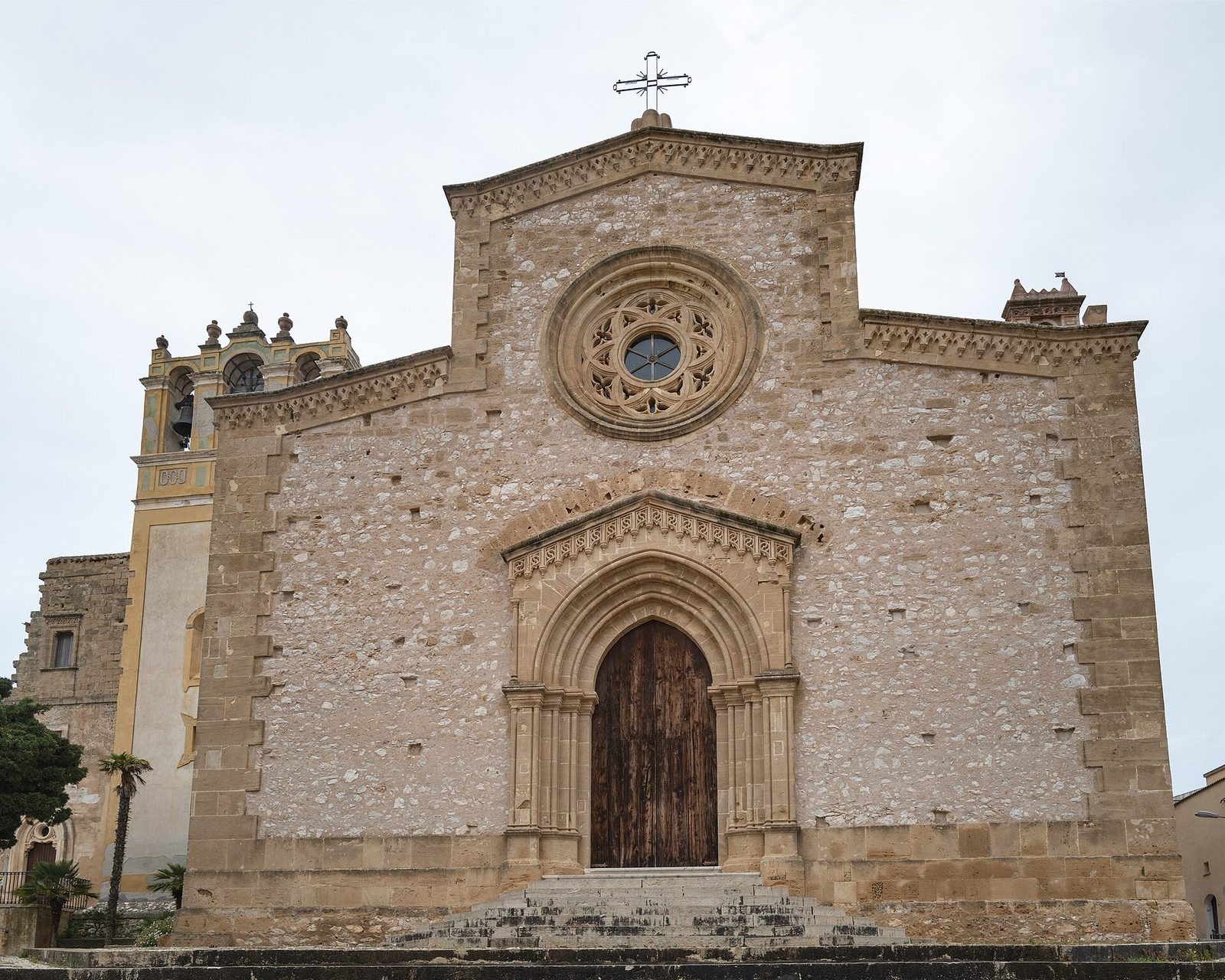
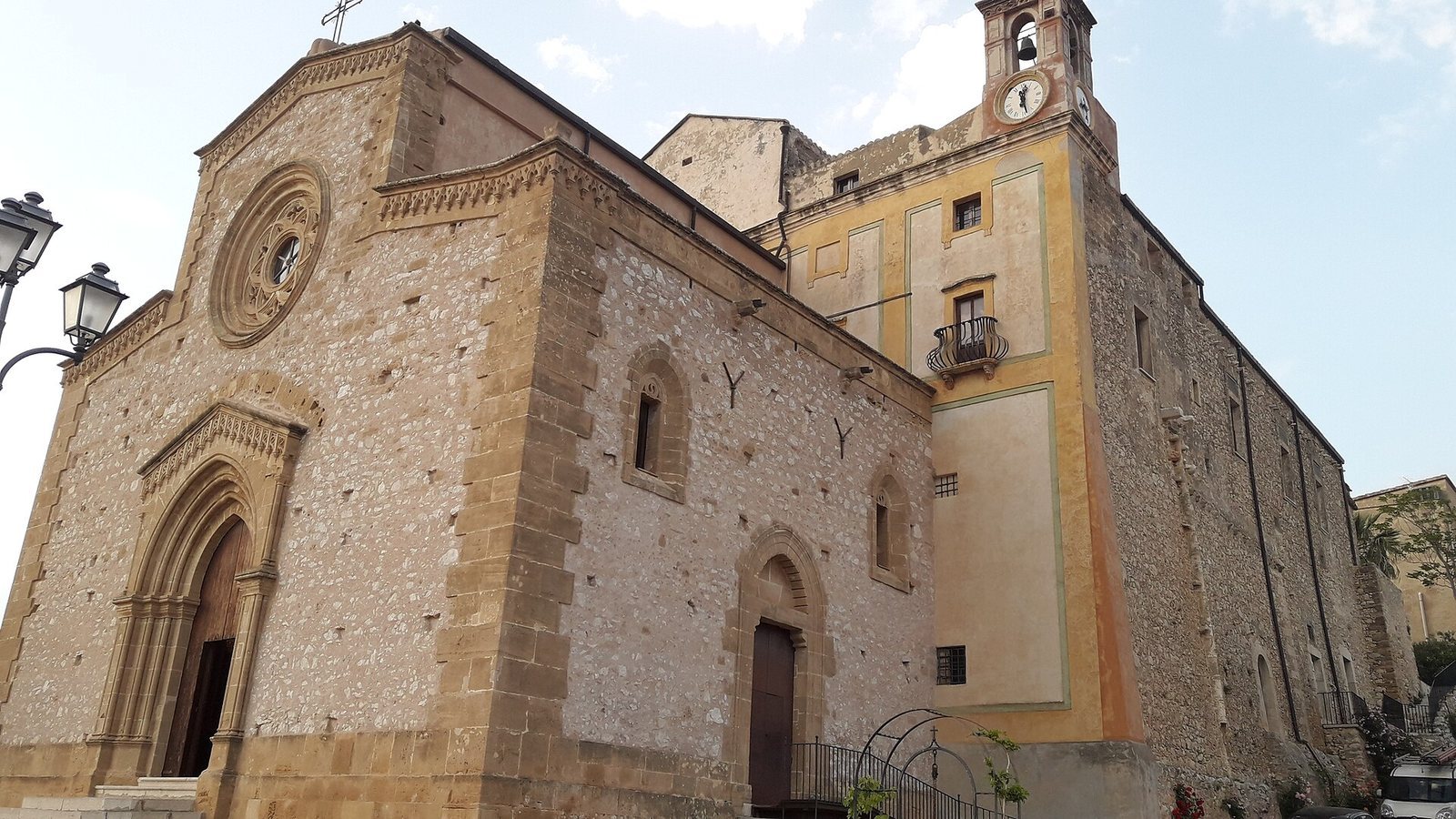
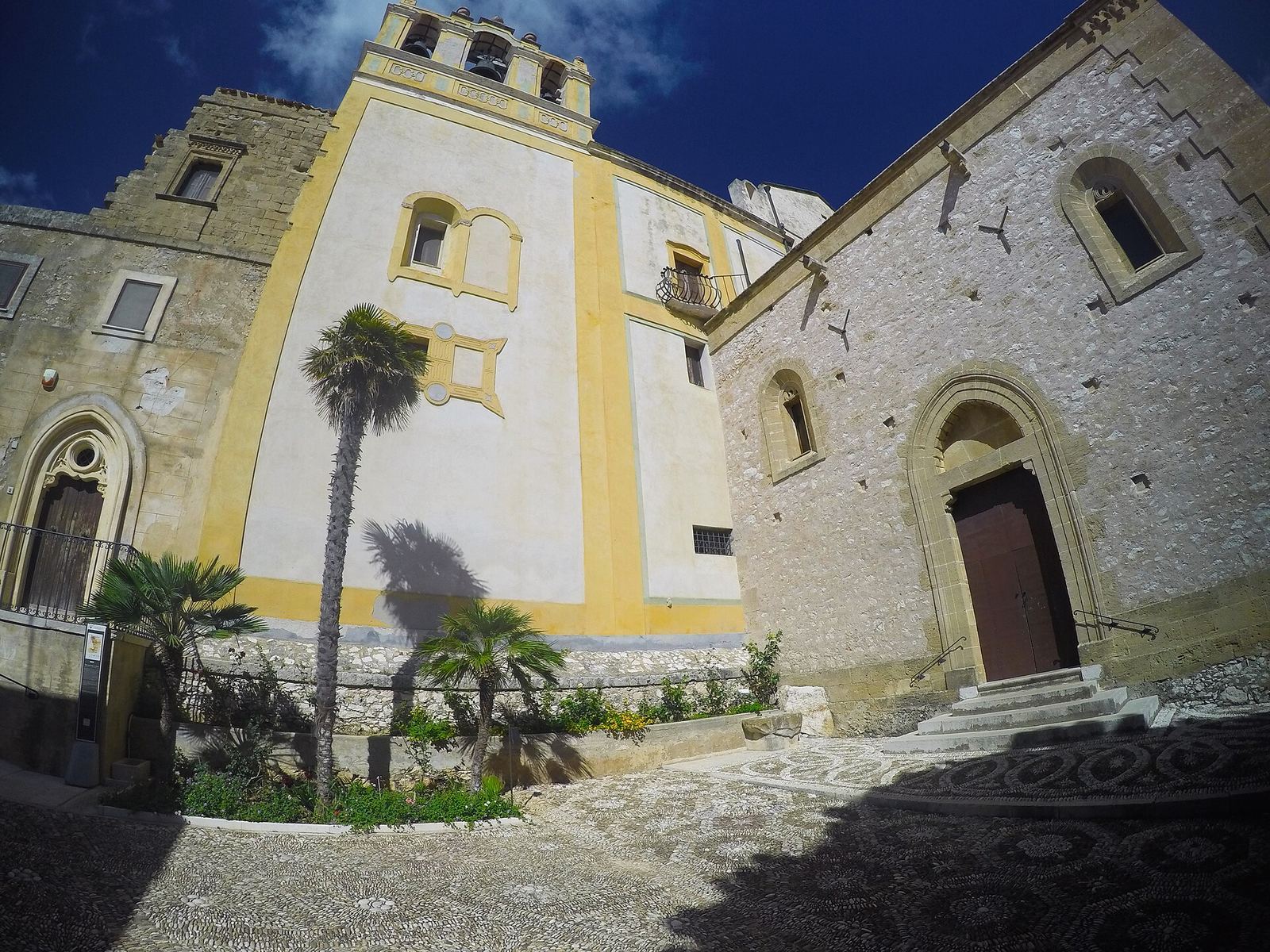
The Sanctuary of Maria Santissima di Custonaci is a Catholic shrine in Custonaci, in the province of Trapani, Sicily, Italy. Built over an earlier chapel dedicated to the Immaculate Conception, the Catholic belief that Mary was conceived free of original sin, the sanctuary took shape in the second half of the sixteenth century. Early work is dated to 1536, a groundbreaking to 1575, and its consecration to 1578. The Gothic-style facade reflects one of its architectural features. The sanctuary is affiliated with the Diocese of Trapani, the territorial jurisdiction of a bishop. Mary under the title Maria Santissima di Custonaci is regarded as patroness and guardian of the municipalities of the Agro Ericino, the western Sicilian territory associated with Erice.
Tradition and Marian devotion
Local tradition links devotion at the sanctuary to a painting of the Virgin nursing the Christ Child. It tells that in 1400 a French ship carrying the image from Alexandria, Egypt, was caught in a storm. After the crew called on Mary, the ship found shelter in the Gulf of Cornino, and the image was donated. The Marian devotion that grew around it displaced an earlier local cult of Venus, the Roman goddess associated with love.
Miracles attributed to Mary’s intercession helped spread the devotion across the Agro Ericino and to other parts of Sicily, as well as Spain, France, Tunisia, and the Americas. In 1572, an annual festival may already have been taking place. Pope Gregory XIII granted patronage over the painting in 1574. Monte San Giuliano, now called Erice, chose the Madonna as its principal patron in 1630. In 1752, the Vatican Chapter, the body of canons associated with St Peter’s Basilica, solemnly crowned the painting with Pope Benedict XIV’s approval and bestowed the title Maria Santissima di Custonaci. Trapani named her its patron in 1776 after a long drought ended, an event attributed to the Immaculate.
The festival includes a novena, a series of prayers traditionally said over nine days, and a pilgrimage from Sperone to the sanctuary. During a civic act of devotion, the mayor entrusts Custonaci to Mary, lights a candle, and gives her the town keys. A reenactment of the image’s arrival at Cornino is followed by a procession carrying it to the sanctuary. Observances also include vespers, an evening prayer service, and allegorical carts depicting episodes from Mary’s life.
Building and parish history
The sanctuary and its earlier chapel underwent enlargement and restoration from 1727 to 1772. A further major restoration, directed by Catholic prelate Giuseppe Rizzo from 1870 to 1900, substantially altered the building; the present construction was completed in 1900. The parish named for the sanctuary was established in 1909. In 2012, work in the altar area added an altar, a lectern for readings, and a celebrant’s chair, and repositioned an eighteenth-century balustrade.
Remains
An encircling forecourt surrounds the church, whose interior has a cross-shaped plan and three naves, or lengthwise divisions. The building brings together the exterior forecourt, a Gothic-style facade, and a richly furnished interior.
Exterior and forecourt
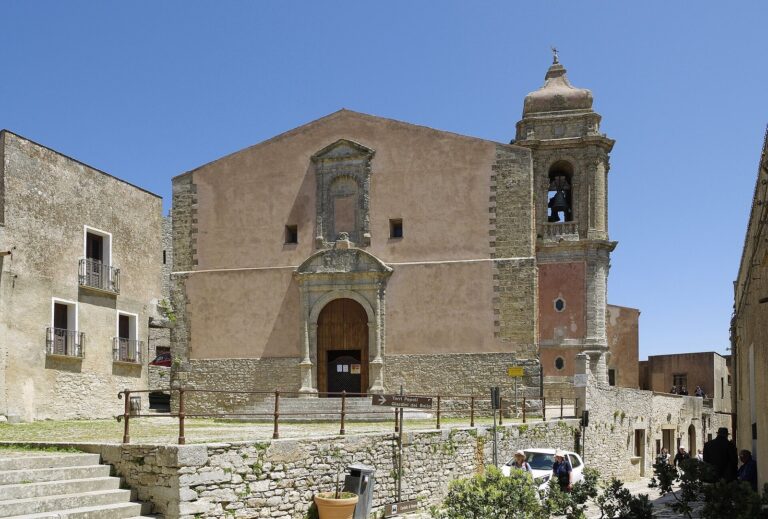
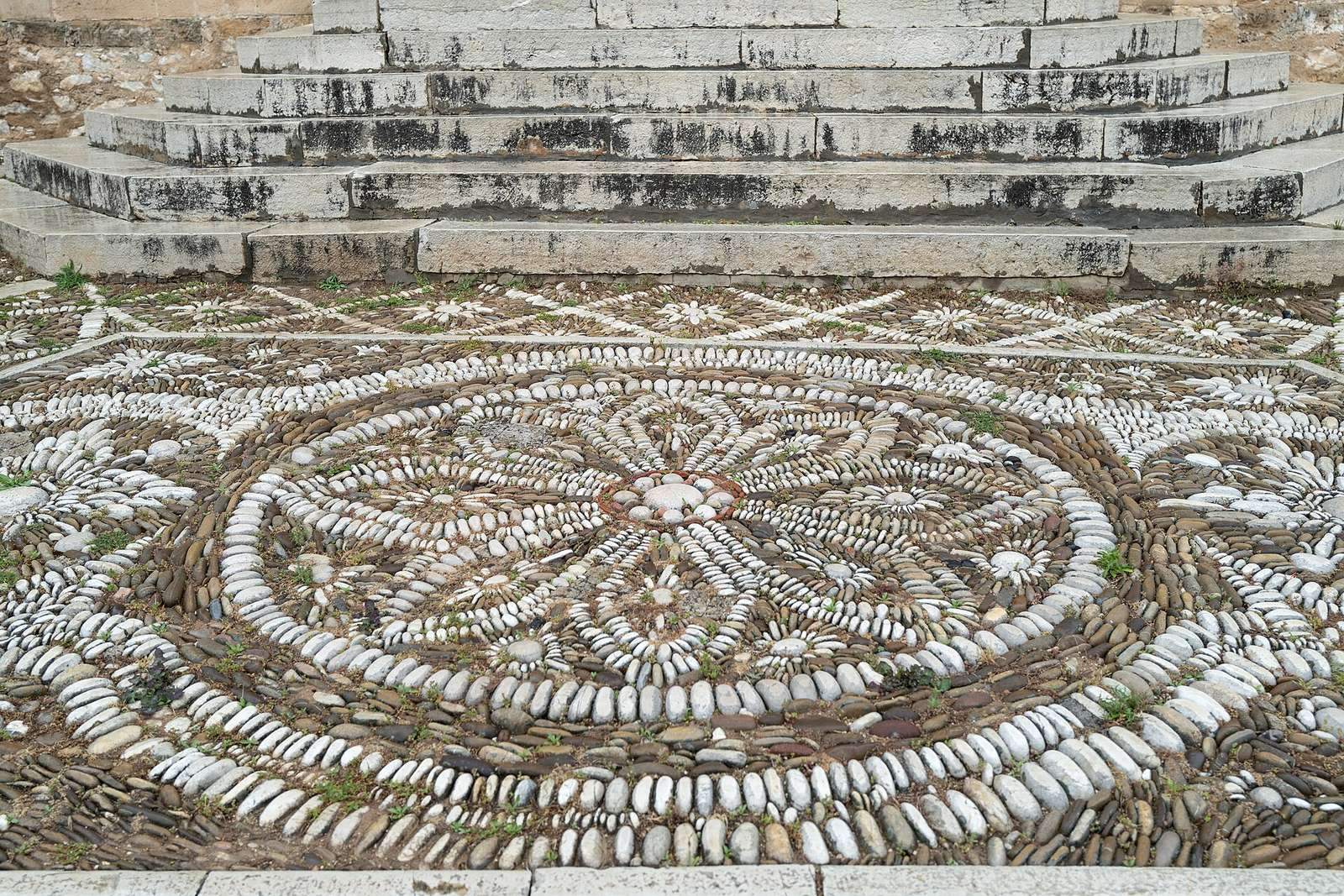
Small river pebbles set in floral and geometric patterns pave the forecourt. The facade has a circular rose window made of tufa, a building stone, and coloured glass. An imposing staircase with decorative paving leads to the entrance.
Interior
Naves and arches
Painted masonry columns, finished to resemble marble, divide the interior’s three naves and support pointed arches. The arrangement of these supports gives the church its distinct lengthwise divisions within the cross-shaped plan.
High altar and Marian image
The high altar dates to 1627 and is made in the ornate Baroque style, which developed in Europe from the late sixteenth century. It is decorated with marble in several colours. The marble furnishings in the altar area include a statue of the Immaculate Conception from the first half of the seventeenth century, flanked by wooden figures of Saints Albert and Julian, patrons of Erice.
The sanctuary’s central image stands in the lower central part of the church. It is an oil painting on a poplar panel prepared with gesso, a ground coating for a painting surface. The image is associated with Antonello da Messina, while the painter’s hand is attributed to an artist from his workshop. Its date remains uncertain: restoration revealed a hard-to-read inscription that may refer to either 1471 or 1521. In front of the painting stands the Lamp of Peace, given by the municipalities of the Agro Ericino in 2011 and kept lit. During the festival, eighteenth-century crowns are placed on Mary and the Christ Child.
Large chapel
The large chapel contains an eighteenth-century carved wooden choir. Above it are two frescoes by Domenico La Bruna, both dating to the early eighteenth century. They depict the Nativity of the Virgin and the Nativity of Christ with the shepherds.
Right nave
Near the entrance is an Ecce Homo, a depiction of Christ presented before his crucifixion, painted on canvas and paper. A fresco on the side door shows the image being carried toward the summit of Erice in a processional float. At the far end, one altar holds an eighteenth-century wooden crucifix and a papier-mâché Madonna; another has Giuseppe Felici’s painting of Saint Peter Nolasco, dated to the late seventeenth or early eighteenth century.
Left nave
Near the entrance, Domenico La Bruna’s painting of the Nativity with Saints Francis and Roch hangs above a baptistry. Its marble bowl and stem were made by Mario Bruno and his sons in 1884, and sculptor Giacomo Miceli made its small wooden canopy in 1891. A fresco above the side door depicts Mary’s image landing at Buguto Cove, with a wooden confessional beside it. At the far end of the nave, a wooden statue of Saint Joseph the Worker dates to 1800; the facing altar holds Giuseppe Felici’s 1772 painting of the Passing of Saint Joseph.
Painting in the adjoining museum
The adjoining Museum of Art and Faith holds a tempera painting of the Madonna enthroned with the Child. Tempera is paint made from pigments bound in an emulsion. The work, dated 1541 and measuring 205 by 85 centimetres, was once used as a door. Found in the early 1970s and later restored, it is attributed to the workshop of the Sicilian Renaissance painter Antonello Crescenzio.