Schwarzenbach Castle: A Medieval Fortress and Administrative Seat in Switzerland
Site at a Glance
- Popularity
- Medium
- Country
- Switzerland
- Primary era
- Medieval
- Eras represented
- Medieval, Early Modern, Modern
- Civilizations
- Habsburg, Holy Roman Empire
- Site type
- Military
- Remains
- Castle
On this page10 sections
History
Early Fortification and Habsburg Expansion
Schwarzenbach Castle is a medieval stronghold in Jonschwil, in the canton of St Gall, Switzerland. Its earliest fortification was probably built in the 12th century to protect a crossing of the Thur on the road between Wil and St Gall. The settlement of Schwarzenbach is first recorded on 16 March 779. Local ministeriales, dependent officials who served powerful lords and institutions, likely raised the first fortification on high ground north of the settlement’s old mill. The noble Schwarzenbach family died out around 1250.
The estate passed by purchase to Rudolf von Habsburg, who became King of the Romans in 1273 and was the first Habsburg to hold that title. He assumed the Abbey of St Gall’s protective bailiwick, an office concerned with safeguarding the abbey and its interests, while also coming into conflict with it. Rudolf apparently intended to use Schwarzenbach as a base for an attack on Wil, which belonged to the abbey. The first castle was too small for this aim, so after 1282 he had a new castle built above the Thur and founded a town called Trutz-Wil to its north.
Conflict and Abbey Rule
During the conflict between Rudolf and his son Albrecht von Habsburg on one side and Prince-Abbot Wilhelm von Montfort on the other, both Wil and Schwarzenbach were destroyed and rebuilt. Wilhelm, as head of the Abbey of St Gall, also held territorial authority. At times, displaced residents of Wil took refuge at Schwarzenbach. The 1301 peace between Wilhelm and Albrecht’s sons required the town and castle to be demolished. The castle nevertheless remained after its castellan, the official responsible for its administration, Jakob Hofmeister, sought compensation. As a compromise, it was transferred for 200 marks of silver to Baron Heinrich von Griessenberg, who was close to the abbey.
Later holders included Count Diethelm V of Toggenburg from 1324 to 1337 and Count Konrad von Fürstenberg from 1341 to 1370. The barons of Hewen and Klingen held the estate from 1370; the Klingen share lasted until 1372, while the barons of Hewen retained it until 1483. After changes of ownership through inheritance, the estate passed to the Prince-Abbey of St Gall in 1483. The abbey made Schwarzenbach the center of the Upper Bailiwick of Niederamt, a higher-level administrative jurisdiction within the County of Toggenburg.
A fire in 1494 led to the castle’s development as a residence. After the Prince-Abbey of St Gall was dissolved in 1805, the castle passed to the newly established Canton of St Gall and became the administrative seat of the Untertoggenburg district.
From District Seat to Private Estate
The castle was auctioned in 1821 to a trustee of the Catholic Administrative Council of the Canton of St Gall, a cantonal body responsible for Catholic ecclesiastical administration. The trustee sold it to a private owner in 1838. Subsequent owners included Niklaus Moosberger (1838–1840), Hürlimann (1840–1841), Dominik or Marie Fräfel (1841–1852), Jakob Clavadetscher (1852–1856), Luzier Clavadetscher (1856–1859), Andreas Marugg (1859–1872), and Rupert and Friedrich Geser (1872–1943). In the mid-19th century, much of the interior panelling and furniture was sold. Following further changes of ownership, the complex fell into increasing disrepair before its restoration in the 1980s.
Remains
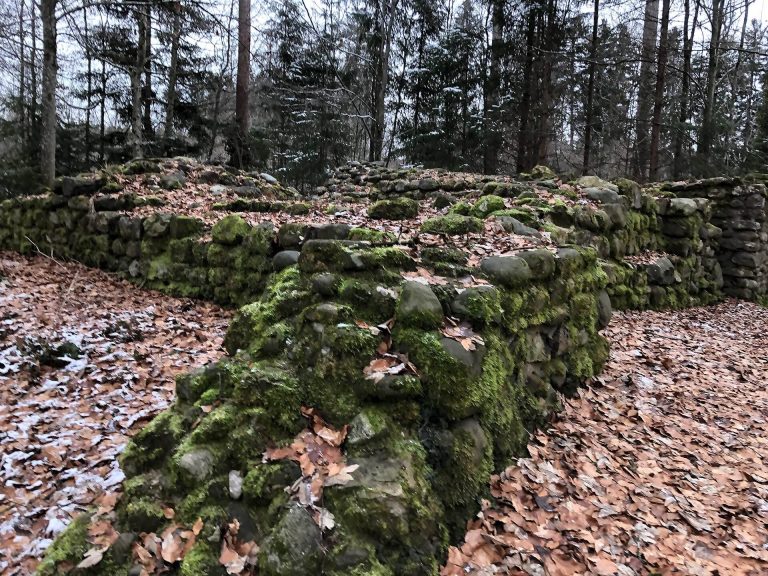
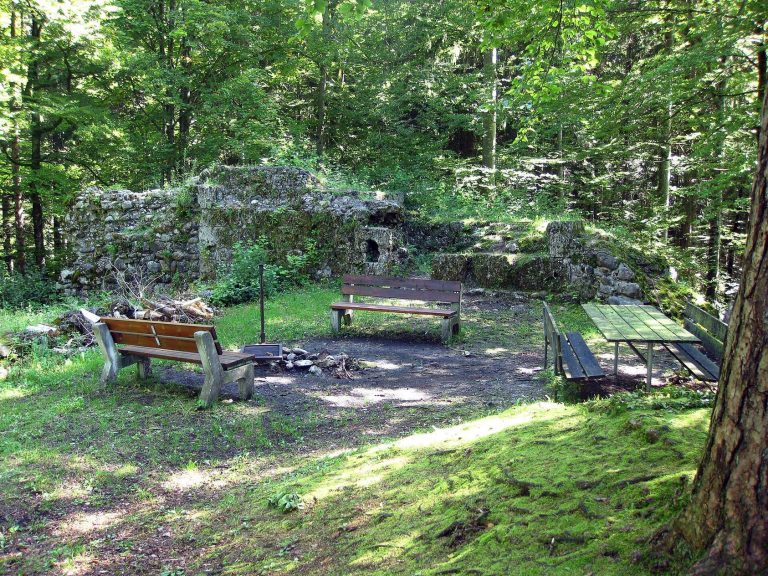
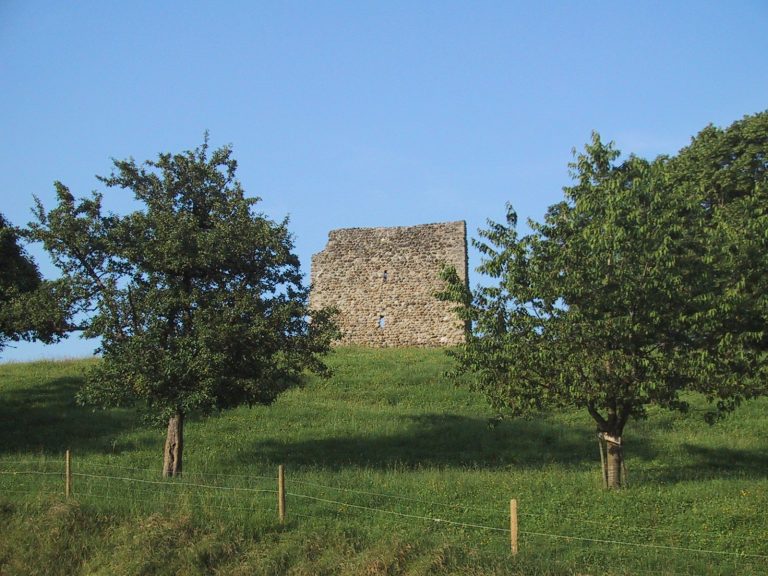
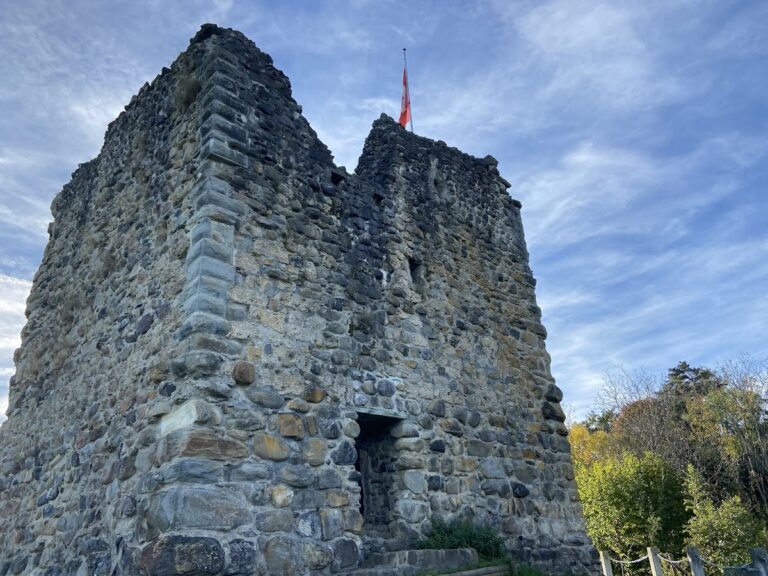
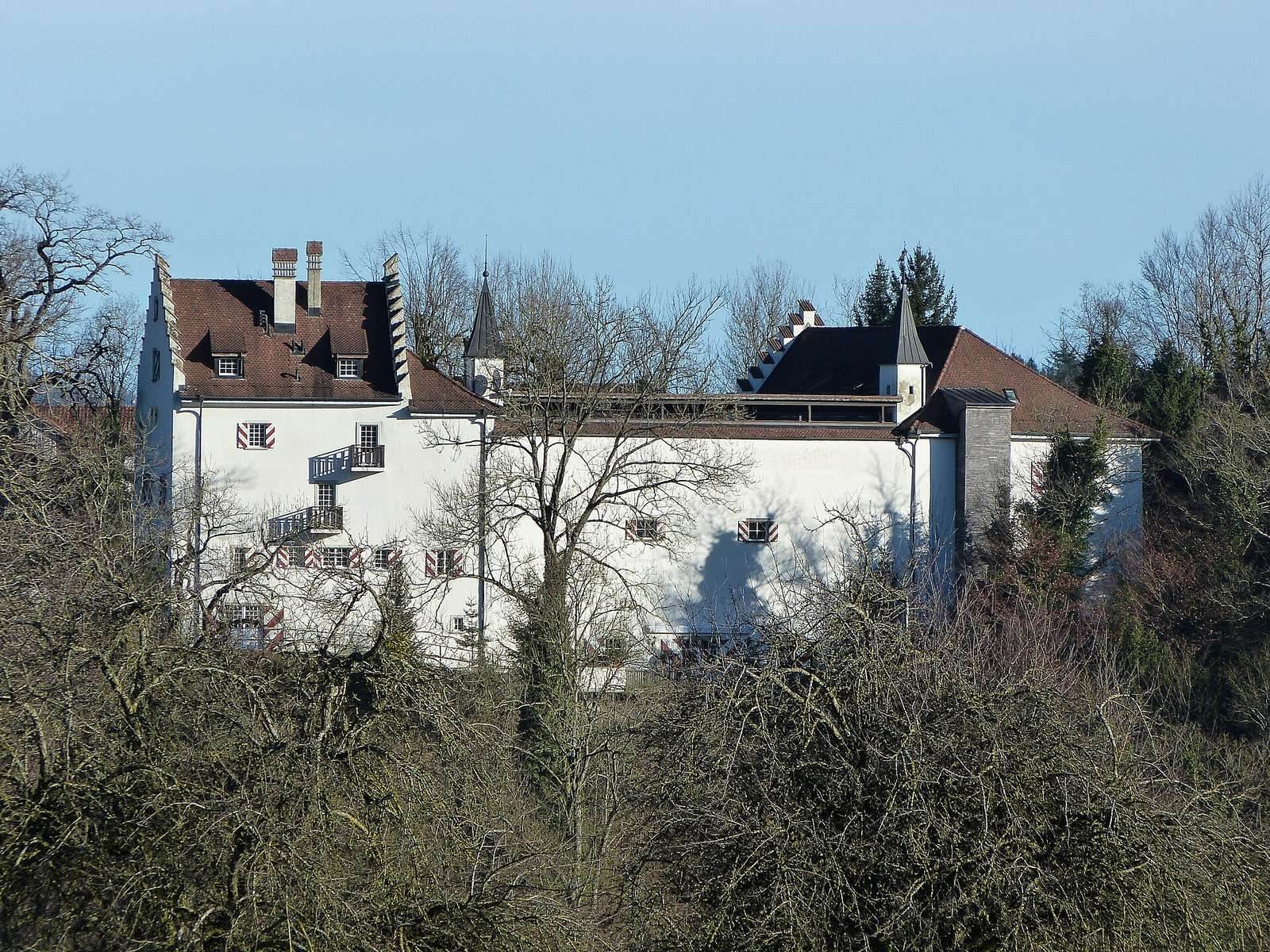
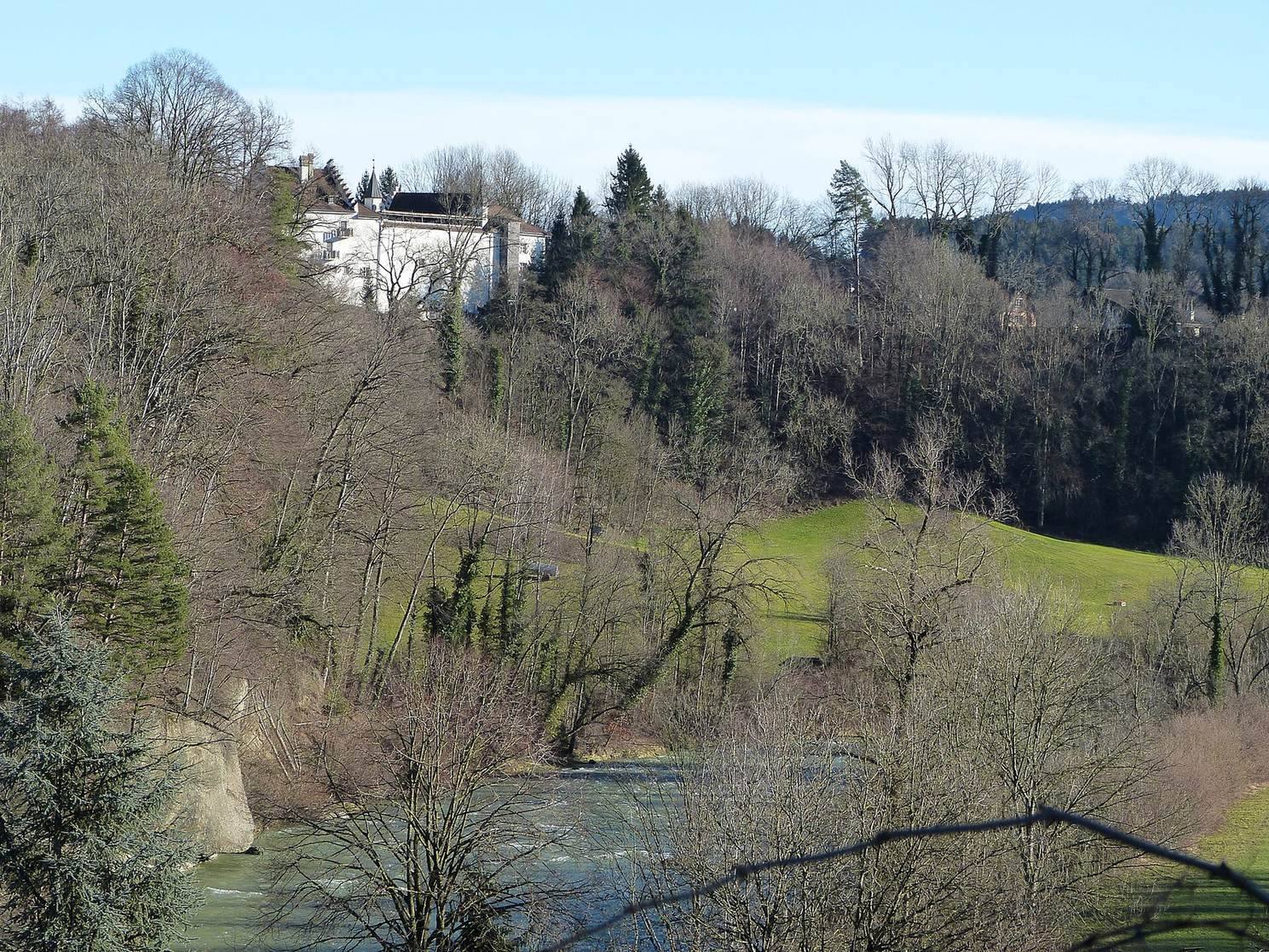
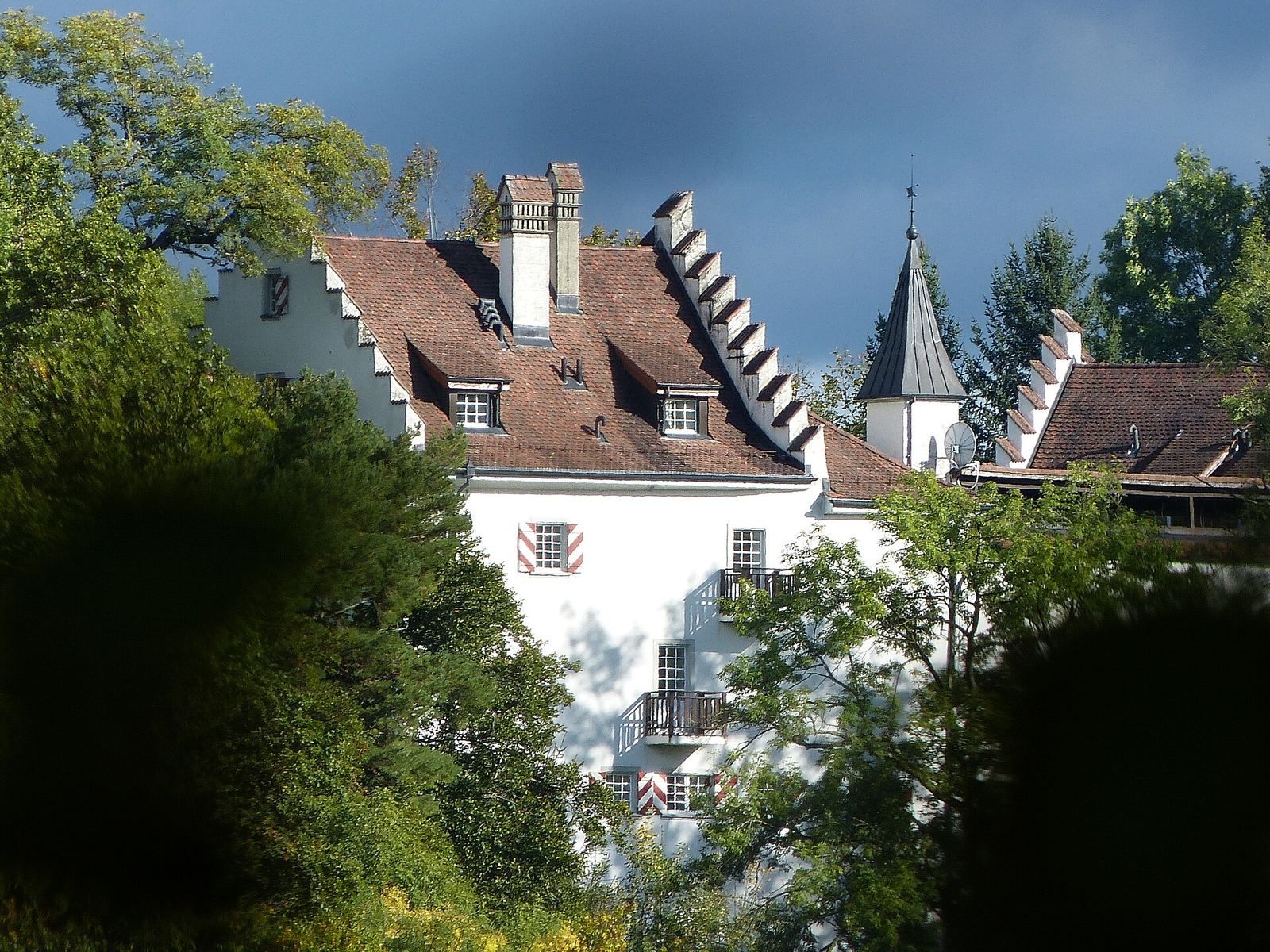
The castle stands on raised ground on the right bank of the Thur, where the river bends east. Its surviving complex comprises a former defensive tower, a 17th-century granary, and remains of the enclosing defensive wall. The entrance gate is a 20th-century addition rather than an authentic part of the castle.
Buildings and Enclosure
Defensive Tower
The former defensive tower is the oldest surviving part of the complex and dates to Rudolf von Habsburg’s building phase.
Granary
An explosion in the powder store on 29 May 1621 made a new granary necessary. The surviving granary dates to the 17th century and was used as a spinning mill at one time.
Enclosing Wall and Entrance Gate
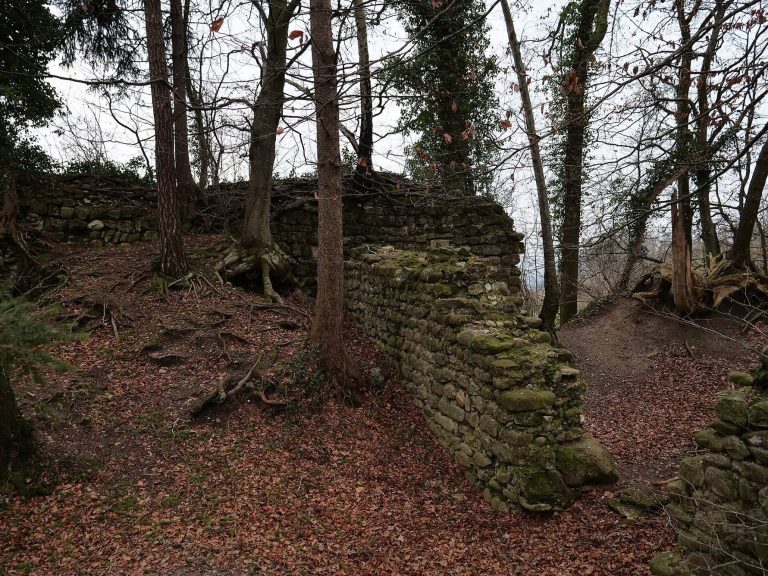
Remains of the castle’s enclosing wall survive. Much of it was dismantled in the mid-19th century, and its stones were reused in a railway bridge over the Thur. The present entrance gate was added in the 20th century and is not original to the castle.
Chapel
The castle included a chapel that was later converted for use as a laundry and sheepfold.