Schloss Niederweiden: A Baroque Hunting Palace in Austria
Site at a Glance
- Popularity
- Medium
- Country
- Austria
- Primary era
- Early Modern
- Eras represented
- Medieval, Early Modern
- Civilizations
- Habsburg, Holy Roman Empire
- Site type
- Domestic
- Remains
- Elite Residence
On this page11 sections
History
Medieval settlement and earlier stronghold
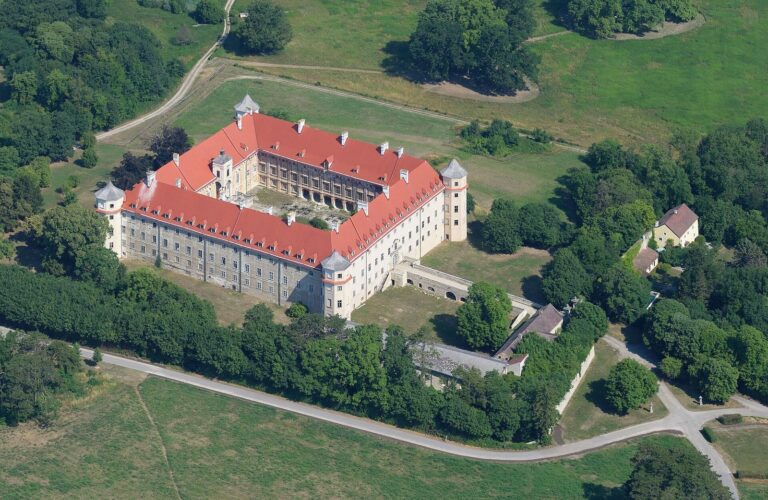
A medieval moated castle, defended by a water-filled ditch, once stood within the grounds of Schloss Niederweiden and gradually fell into ruin. The nearby village of Grafenweiden appears in records in 1045 and was destroyed in 1450.
Baroque palace and courtly use
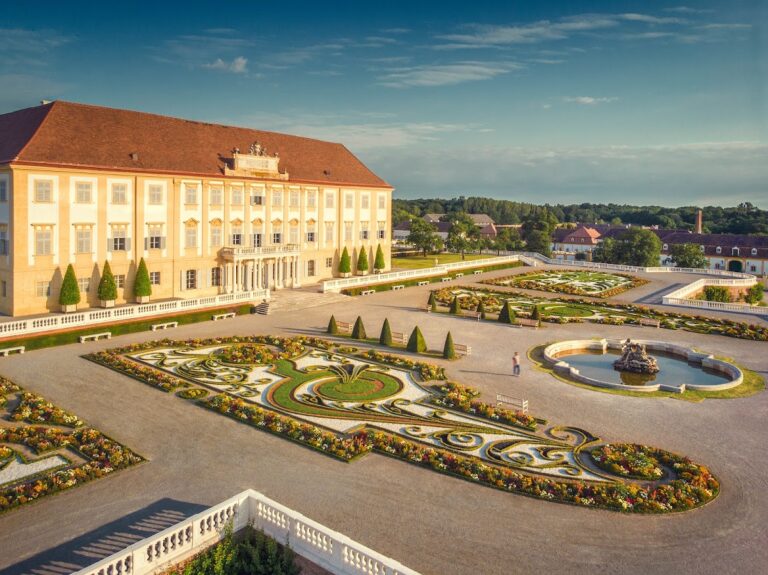
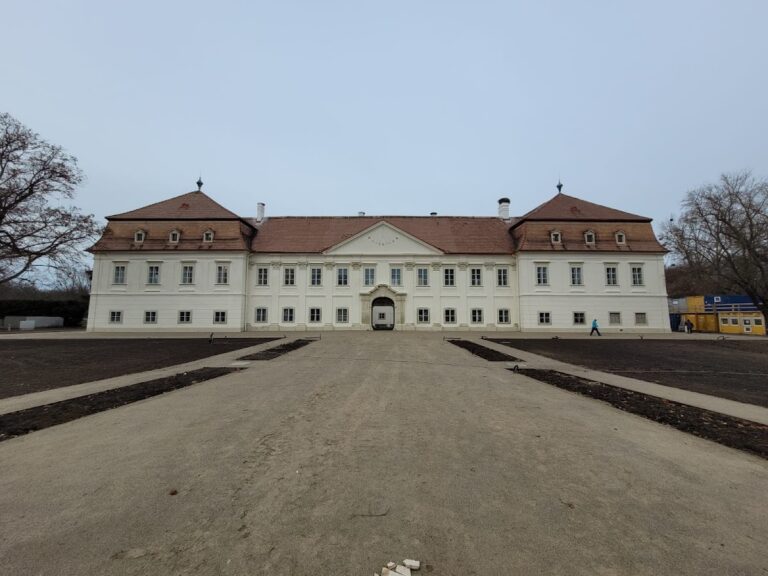
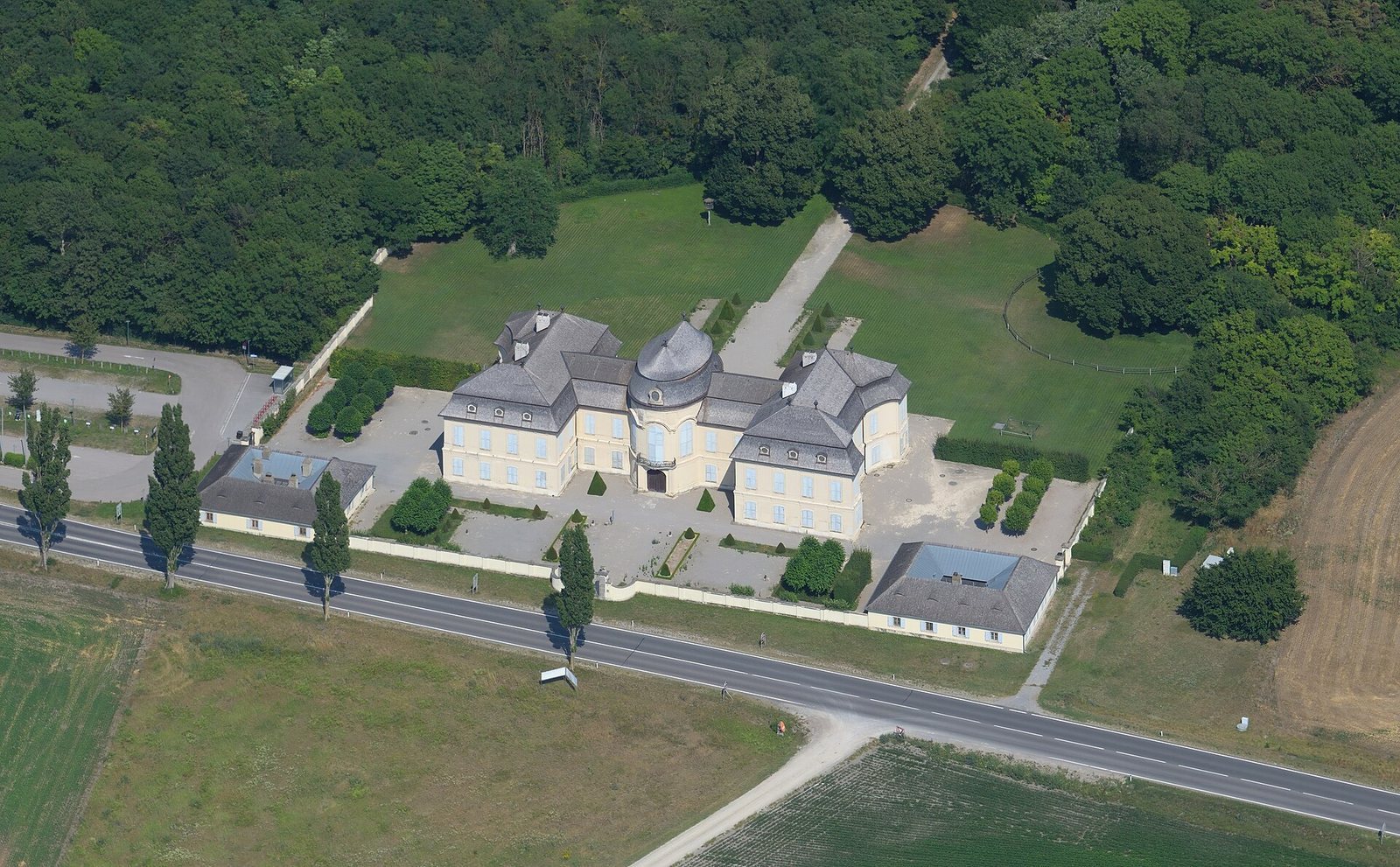
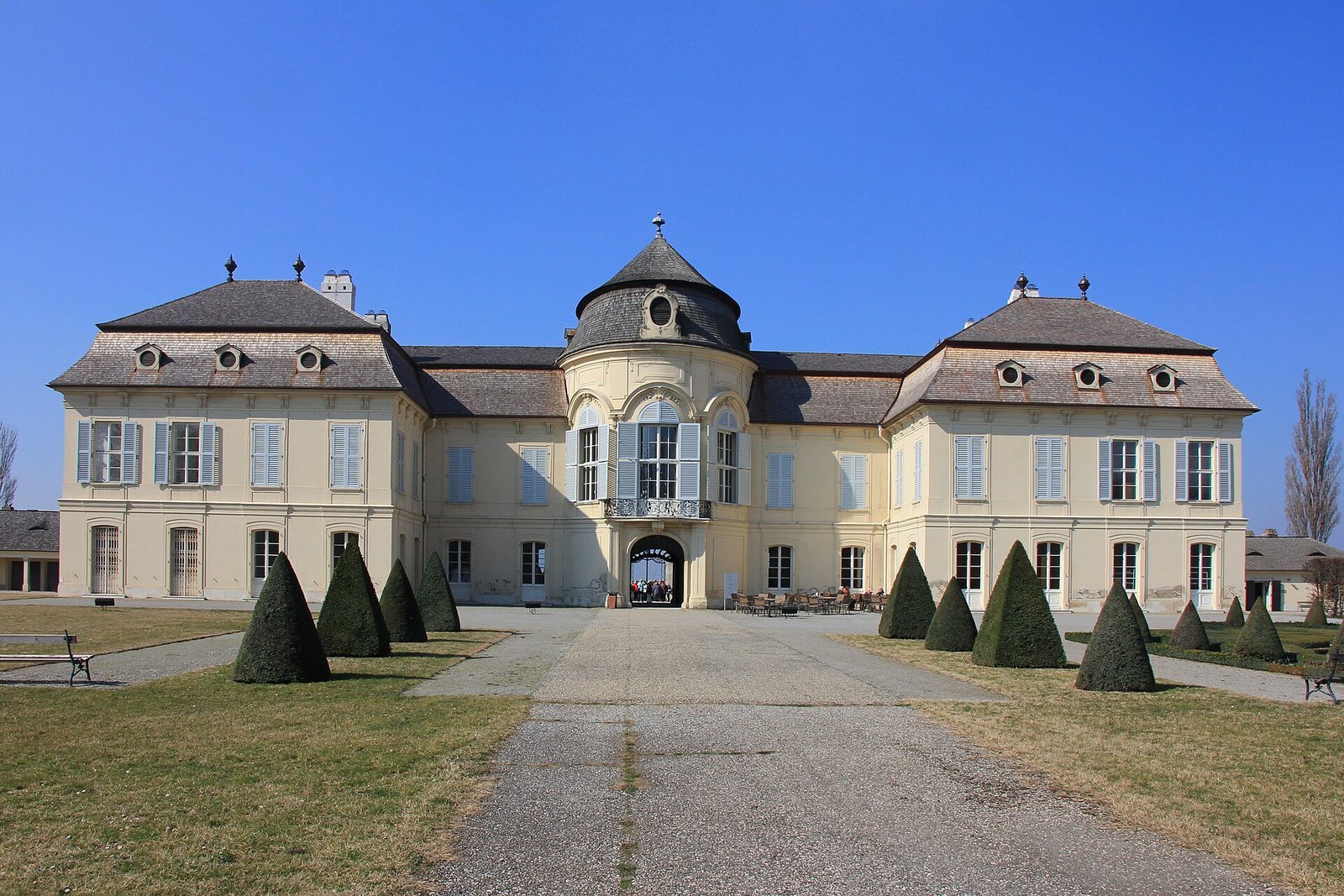
Schloss Niederweiden is a Baroque palace in Engelhartstetten, Lower Austria, Austria. Baroque was an early modern European style known for rich ornament and dramatic design. Austrian architect Johann Bernhard Fischer von Erlach erected the palace in 1693–1694 for Ernst Rüdiger von Starhemberg, an Austrian nobleman and military commander. It was then known as Engelhartstetten Hunting Lodge, and is one of the six Marchfeld castles.
Prince Eugene of Savoy, a commander and statesman in Habsburg service, acquired the palace in 1725 and adapted it as a hunting lodge. During his tenure, a residence for the pheasant-garden keeper was built on the foundations of a village building. Around 1765, Maria Theresa, ruler of the Habsburg monarchy, had the palace’s appearance remodeled by court architect Nikolaus Pacassi. She first planned to use it as a residence after her husband’s death, but later dropped the proposal.
Military use and later history
In subsequent centuries, the Imperial-Royal Army, the Habsburg monarchy’s army, used the grounds to teach riding and carriage driving. From 1898, the palace served as a horse stable. Later use by the Red Army, the Soviet Union’s armed force, contributed to its deterioration. Revitalization efforts began around 1980.
An inn at the north-west corner of the garden was destroyed during the final fighting of the Second World War. Parts of the former settlement of Grafenweiden are protected as an archaeological area, where unauthorized ground disturbance is punishable under heritage law.
Remains
The surviving complex includes the Baroque palace and two other buildings from the same broad period. Its former garden occupied the site of medieval Grafenweiden and incorporated village ruins; today, only small areas east of the palace remain as garden, while much of the former grounds is woodland used for forestry and hunting.
Palace and associated buildings
The palace
Substantial parts of the palace survive. Paintings by French artist Jean-Baptiste Pillement decorate the banqueting hall.
Outbuildings
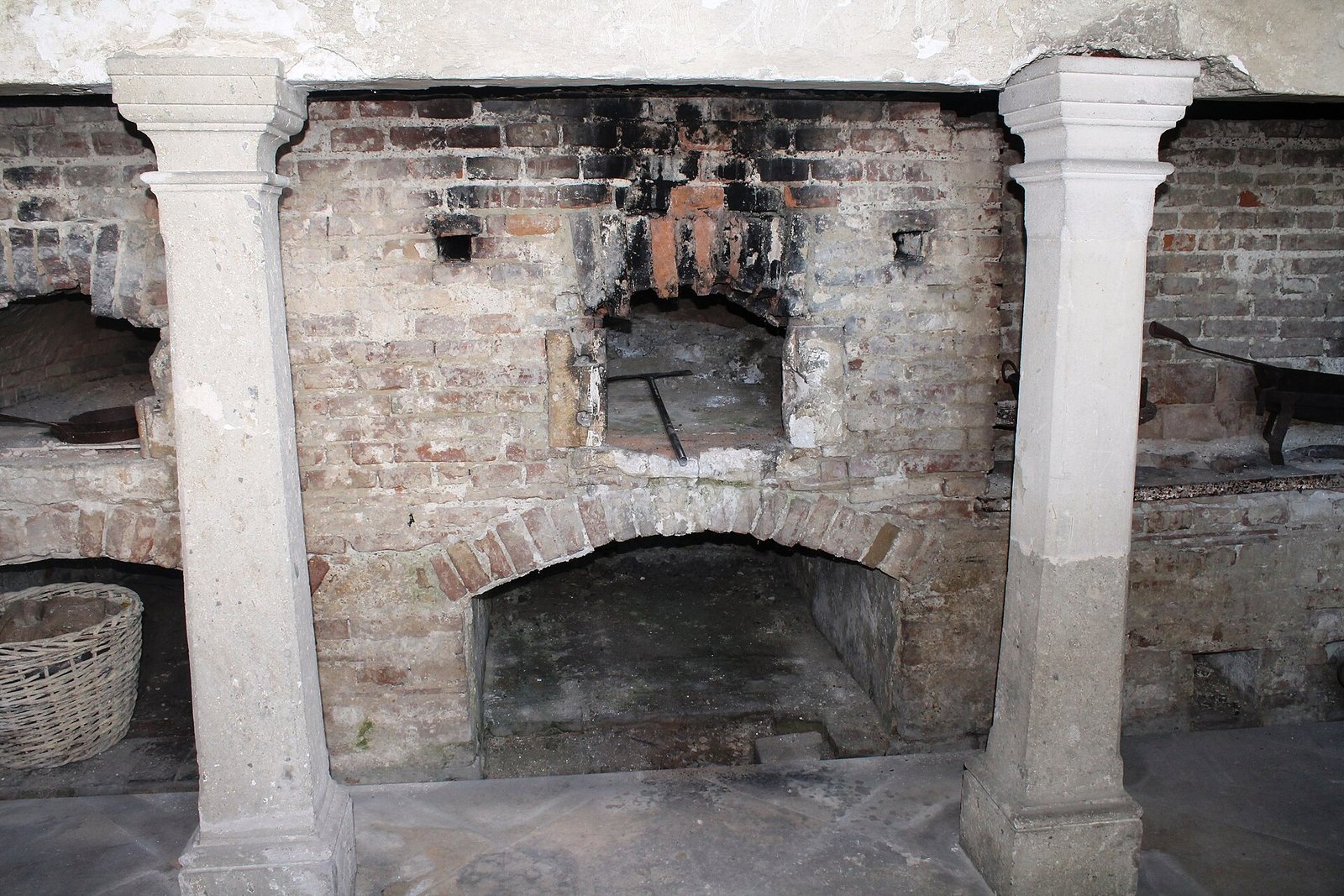
An outbuilding contains a Baroque game kitchen, designed for preparing game animals. It is the feature that most substantially reflects the palace’s condition under Prince Eugene. The other surviving Baroque-era buildings are the Meierei, a dairy farm that was called Gutshof Niederweiden during the twentieth century and is now privately owned, and the Old Hunter’s House.
Garden and archaeological traces
Former garden and Grafenweiden
The Baroque garden was established over the ruins of Grafenweiden. The underlying structures of the medieval castle mound, a raised earthwork for a fortified residence, were probably incorporated as a foundation for the garden. By the church of Grafenweiden, a seven-branched lime tree bears a votive image placed there in 2013. A votive image is offered in fulfillment of a vow or in gratitude.
Site of the inn
Bricks and broken beer-glass fragments, among other remains, survive at the north-west corner of the garden where the inn once stood.