Schloss Jormannsdorf: A Renaissance Manor House in Austria
Site at a Glance
- Popularity
- Low
- Country
- Austria
- Primary era
- Early Modern
- Eras represented
- Early Modern
- Civilizations
- Habsburg, Hungarian
- Site type
- Domestic
- Remains
- Manor House
On this page9 sections
History
Königsberg manor and healing spring
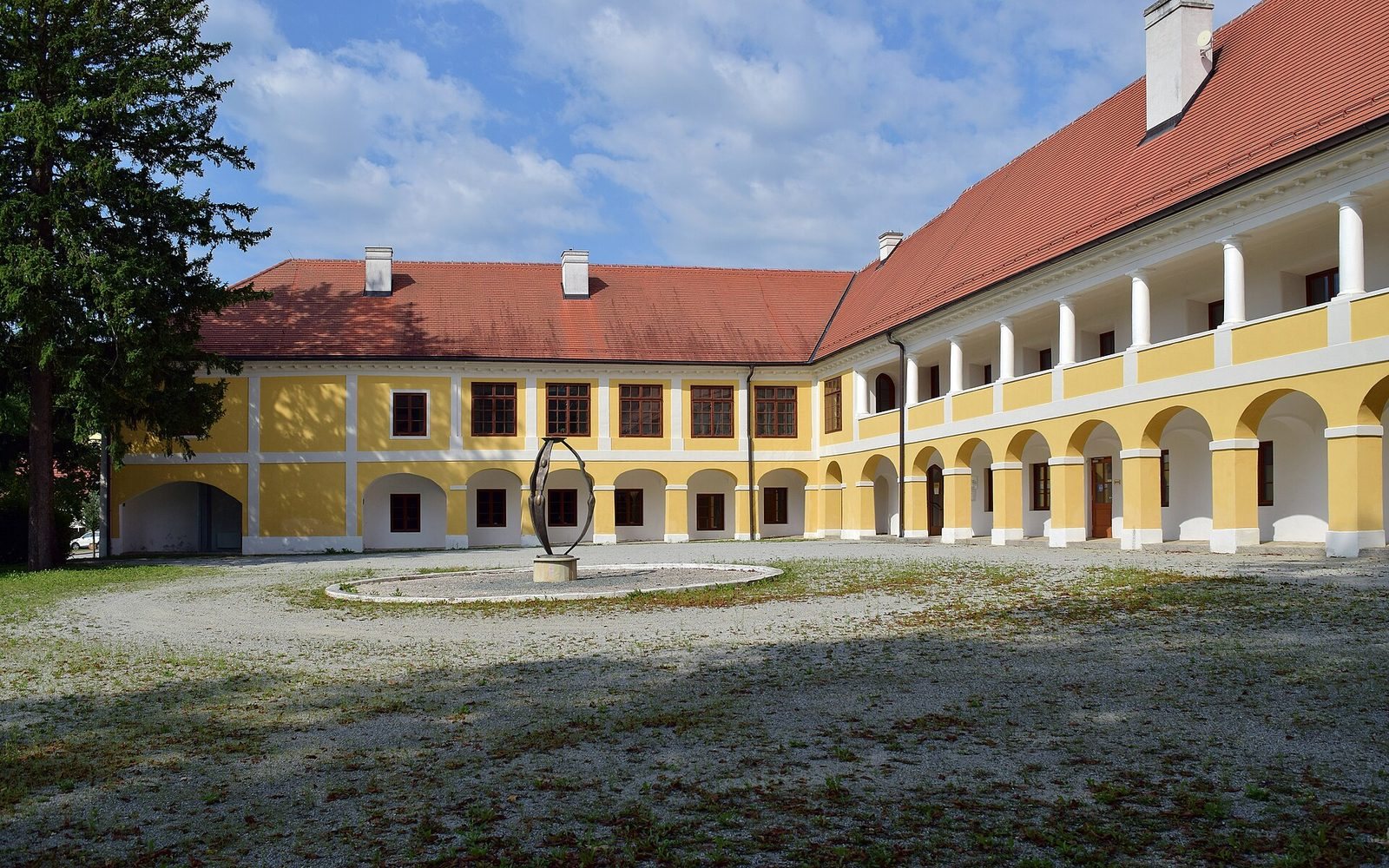
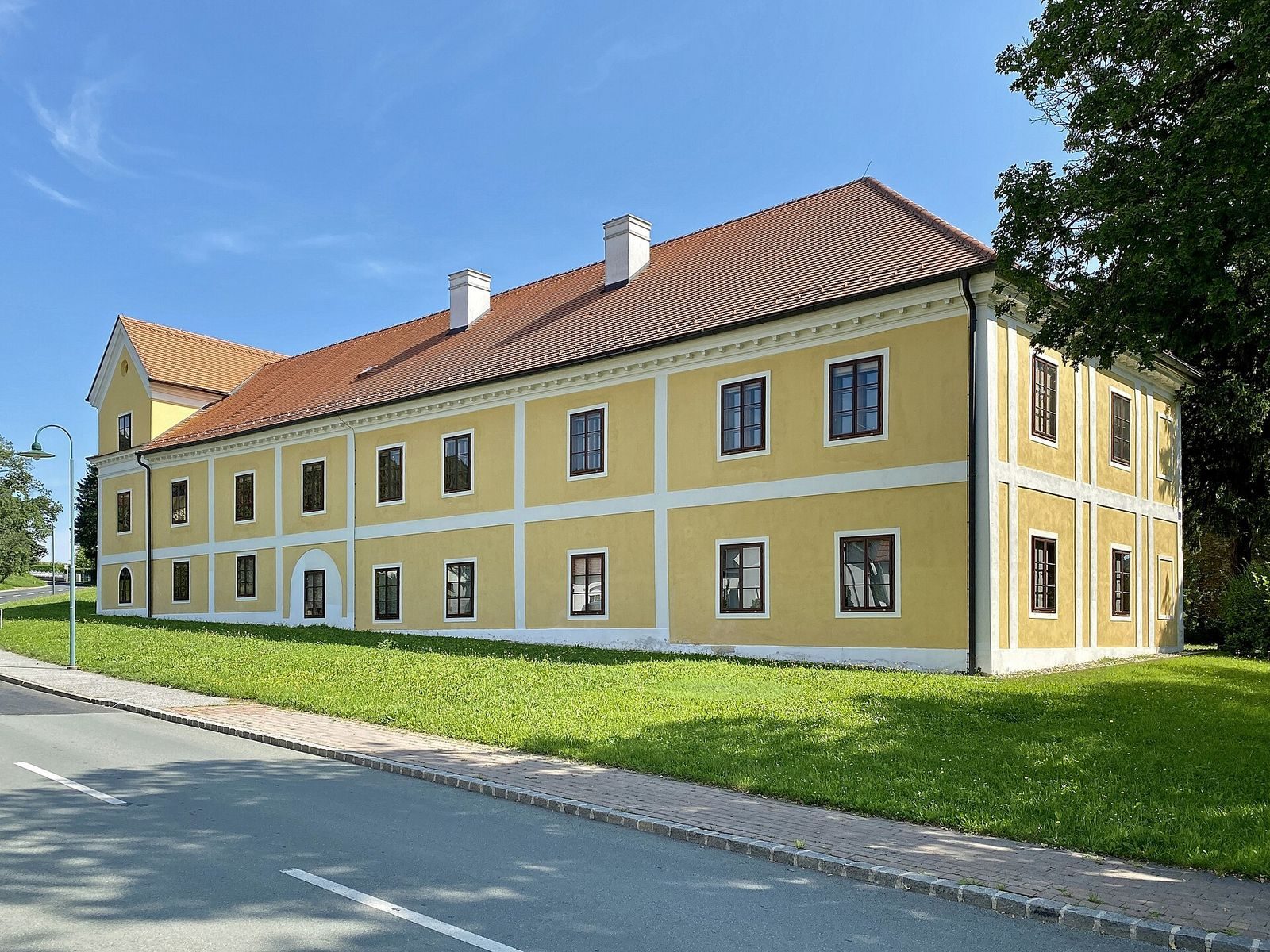
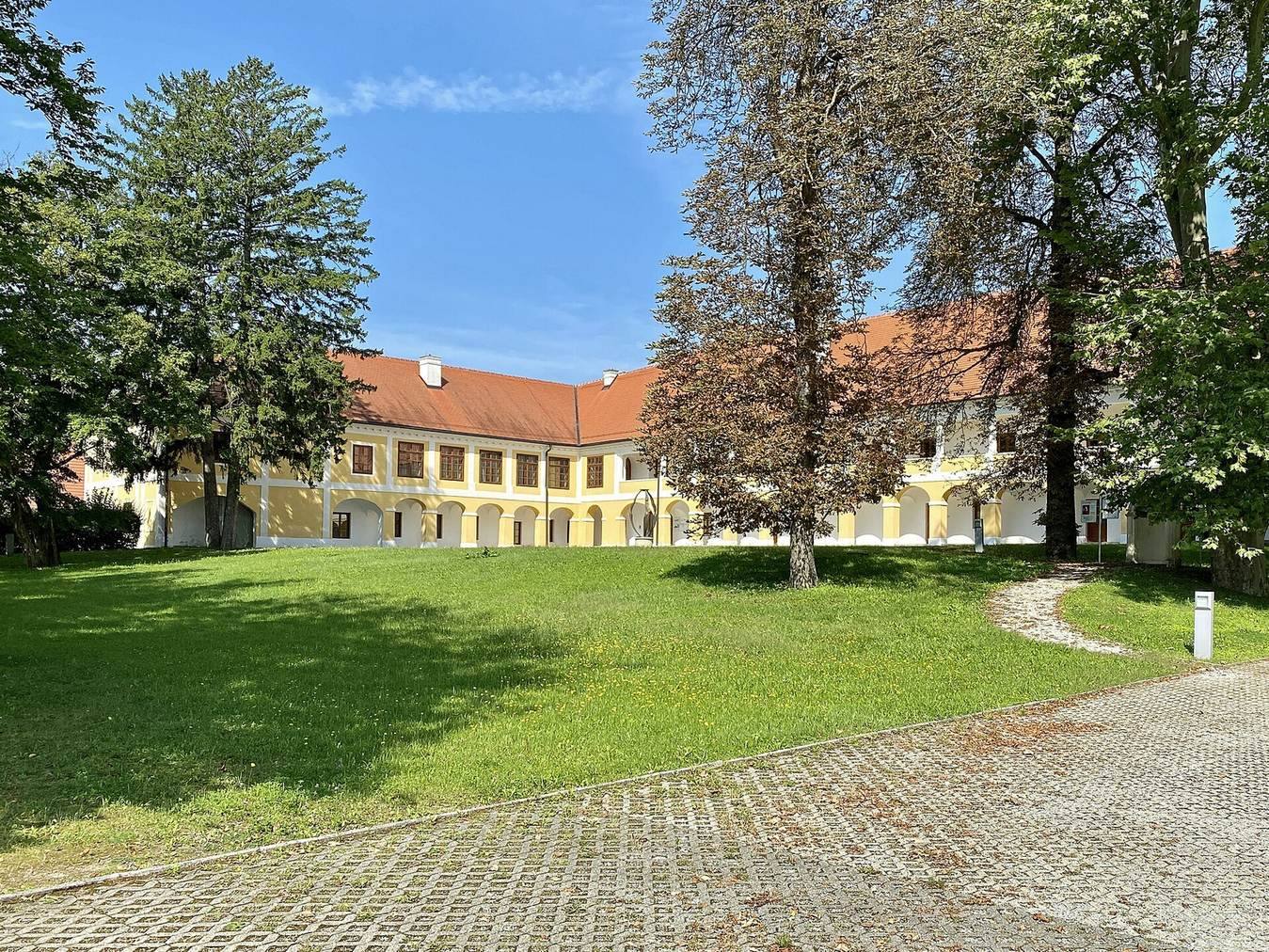
Schloss Jormannsdorf is a Renaissance manor house in the municipality of Bad Tatzmannsdorf, Austria, built by the Königsberg family. Its Renaissance architecture drew on classical forms and design ideas. It is the oldest building in Bad Tatzmannsdorf and first appears in a 1591 letter from Christoph von Königsberg to Dorothea Batthyány. Written at Khünigsberghausen, the letter calls the manor Gyimotfálva.
In 1620, the Protestant preacher Johann Mühlberger delivered a celebratory sermon at the manor for the opening of a carbonated mineral spring. Printed in the Regensburg Chronicle in 1621, the sermon was also the earliest documentary reference to the area’s healing springs. The castle was expanded between 1624 and 1626. A console dated 1626 commemorates the completion of the building work by Christoph von Königsberg’s nephew.
Batthyány ownership and spa use
Adam I, Count Batthyány, bought the estate from Christoph Ehrenreich, Baron von Königsberg, in 1644. The castle was generally leased, and tenants used the healing spring in its park. This helped Jormannsdorf and neighboring Tatzmannsdorf develop as a spa. After conflicts involving Ottoman forces, broadly known as the Turkish wars, the castle served as a convalescent home for wounded officers.
Expansion and later uses
After 1790, Joseph Emanuel, Count Batthyány, enlarged the main building and manor farm and laid out an English landscape park, a naturalistic design associated with the English garden tradition. In 1919, Count Batthyány sold the bathing establishment, while the castle remained in the family until 1956.
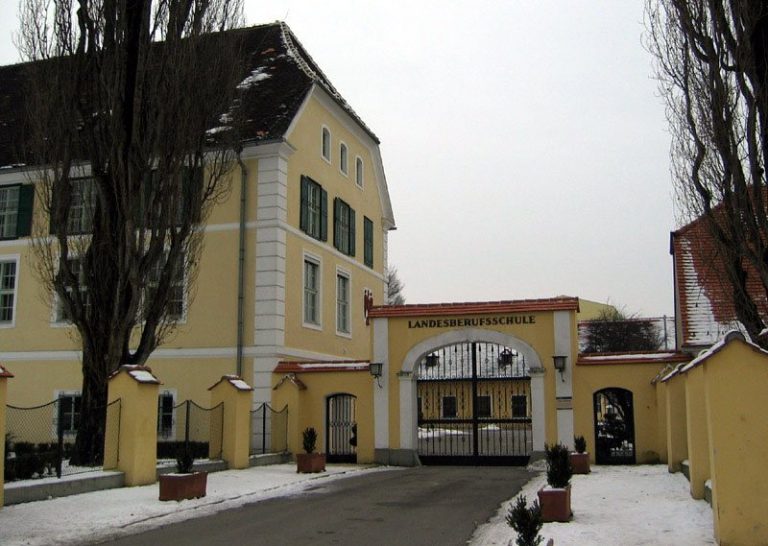
A farmers’ school operated by the Burgenland Chamber of Agriculture opened in the castle and its associated farm in 1948. The castle was converted into a hotel in 1956 and 1957, and the hotel continued until 1986. Kurbad Tatzmannsdorf AG, a joint-stock company, acquired the property in 1987, and revitalization work began in 1993.
From October 2003 to 2016, the BFI Burgenland Health Academy, part of Austria’s vocational and adult-education institute, held health-related training courses in the old castle. The building is now used by the Burgenland State Dental Chamber, the region’s professional body for dentists, and the University of Applied Sciences Burgenland.
Remains
Estate layout and grounds
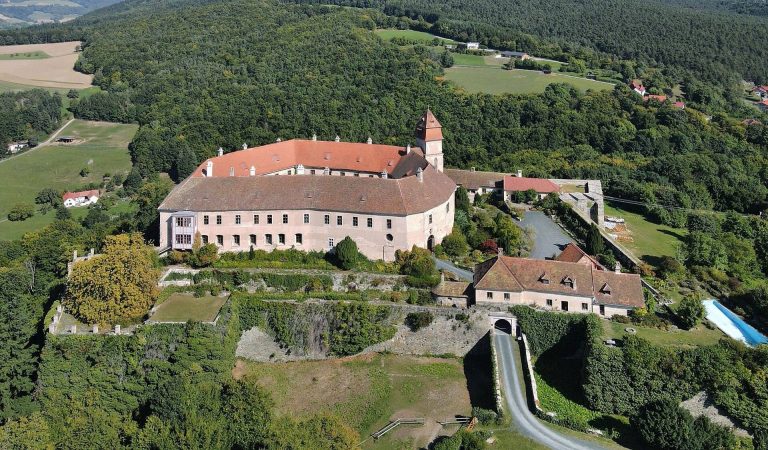
The Renaissance manor house forms the center of the estate, with the manor farm arranged around it across 64 Tagwerk, a historical land-area measure whose value varied. A chapel belonged to the original complex. The castle park contained a healing spring, and the grounds also included the English landscape park.
Architectural and heraldic features
Königsberg console
A copy of a gray-sandstone console, a projecting support, is displayed in the castle foyer. It bears the Königsberg family coat of arms; the original is held at the Kurmuseum Bad Tatzmannsdorf.
Batthyány coat of arms
The Batthyány family coat of arms is affixed to the castle. The points of its crown represent the nine counties in which the family shared rule. Its pelican, shown piercing its breast with its beak to feed its young with blood, symbolizes unity within the family.