Höhnscheid Castle: A Baroque Residence with Monastic Origins
Site at a Glance
- Popularity
- Medium
- Country
- Germany
- Primary era
- Early Modern
- Eras represented
- Medieval, Early Modern
- Civilizations
- Holy Roman Empire
- Site type
- Domestic
- Remains
- Castle
On this page5 sections
History
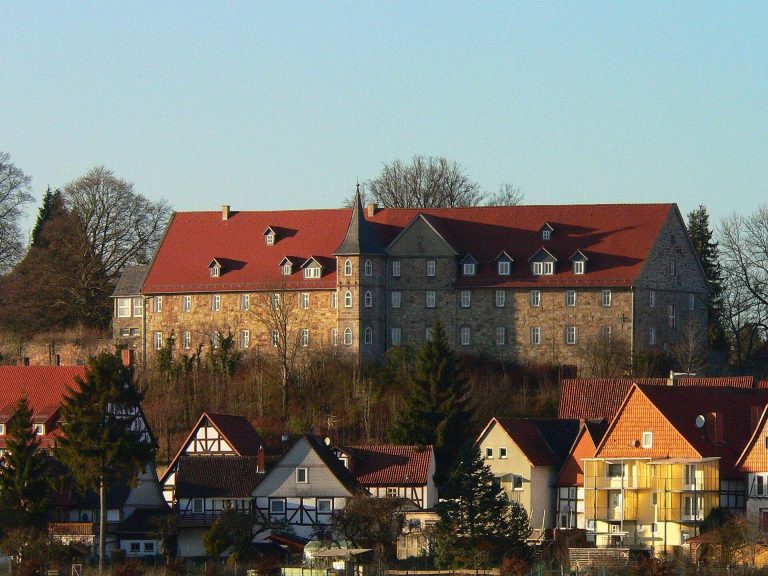
Höhnscheid Castle is a Baroque castle complex in Bühle, a rural district of Bad Arolsen, Germany, given its present form through remodelling between 1720 and 1730. Monastery buildings had stood on the site since 1208, and its changing uses later included a nunnery and a count’s estate.
Monastery and estate
The first monastery buildings were erected in 1208 by Volkwin IV of Schwalenberg and Adolf I of Waldeck. In 1230, the monastery was donated to Corvey Abbey, a Benedictine abbey in Westphalia. An Augustinian nunnery, a community of nuns following a religious rule associated with Augustine of Hippo, was established there in 1235 under the authority of the monastery at Aroldessen.
In 1468, Count Otto IV of Waldeck-Landau expelled the nuns, citing alleged moral decline, and transferred the monastery to the Crosiers, Catholic priests who lived together under a religious rule. During the Reformation, the sixteenth-century movement that reshaped Western European church institutions, Count Philipp IV of Waldeck dissolved the monastery in 1527. The former monastery was renovated as a count’s estate, an agricultural holding administered under a lord’s authority. An effort to restore monastic use in 1630 did not succeed.
Baroque remodelling and changing ownership
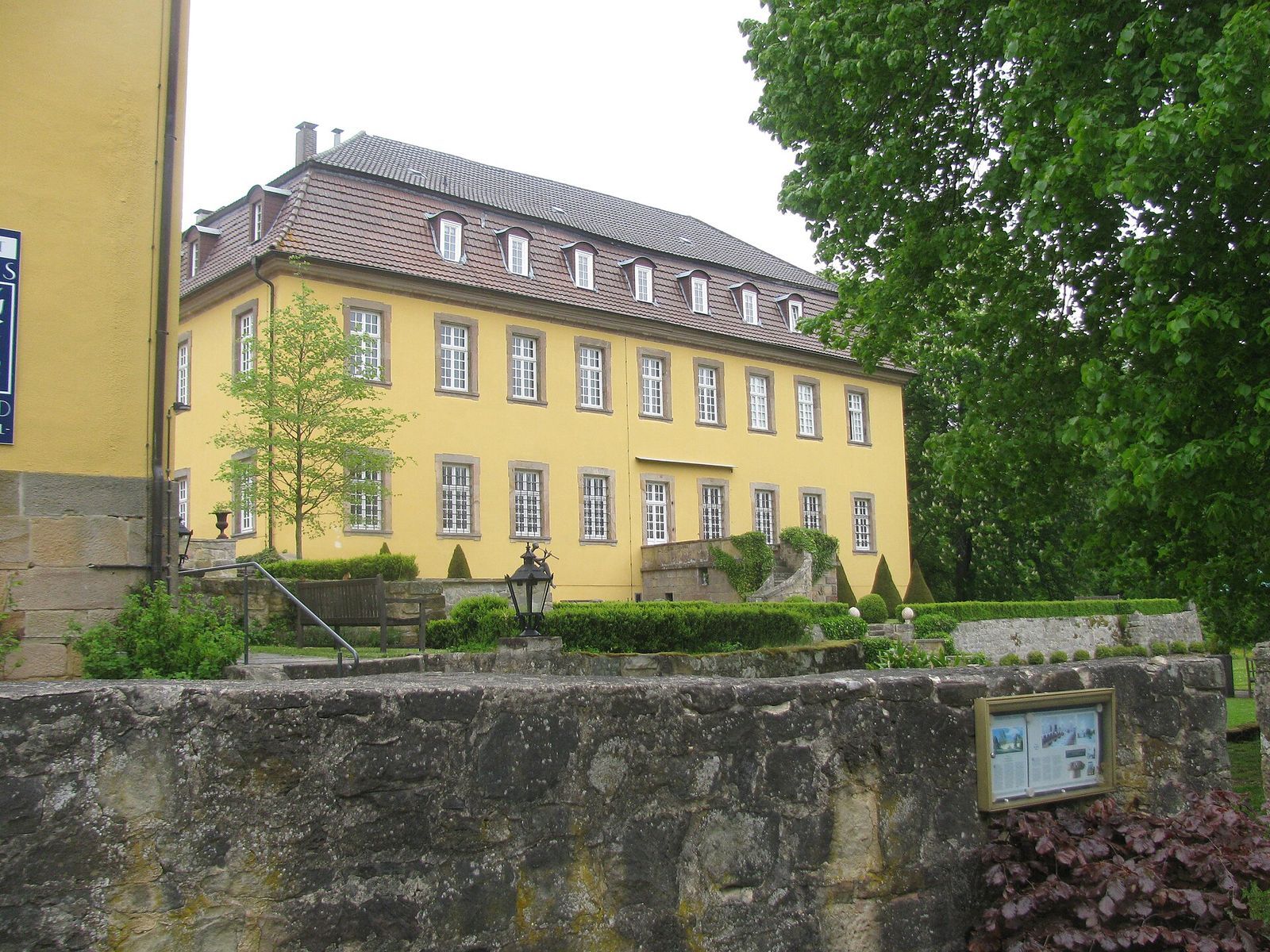
In 1720, Prince Friedrich Anton Ulrich of Waldeck sold the property to Colonel Johann Wilhelm von Leliwa to help finance his new palace at Arolsen. Von Leliwa commissioned court master builder Julius Ludwig Rothweil to remodel and enlarge the complex. Rothweil established its present Baroque form between 1720 and 1730.
The von Leliwa family sold the castle in 1811 to cavalry captain Friedrich Schenck zu Schweinsberg. Baron Wilhelm von Gärtner-Griebenow acquired the castle and estate in 1871, and his family retained them until 1919. A settlement then transferred the property to the Twiste district. The Waldeck Domain Administration, which managed former princely domain lands, bought the entire estate in 1960.
Recent use
After remodelling and major renovation, the castle began serving in 1996 as a conference and retreat hotel and as a centre for the Association of Baltic Ritterschaften, an umbrella body representing Baltic German noble organizations. The association has owned the castle and park since late 2017.
Remains
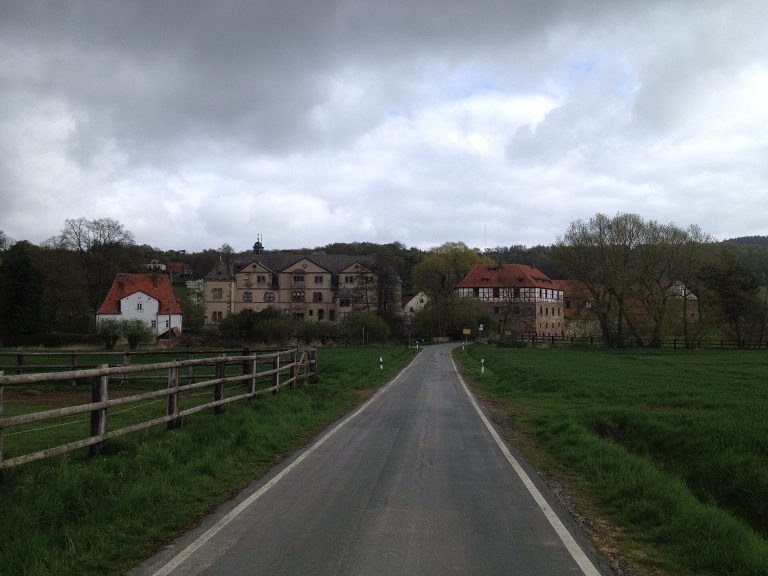
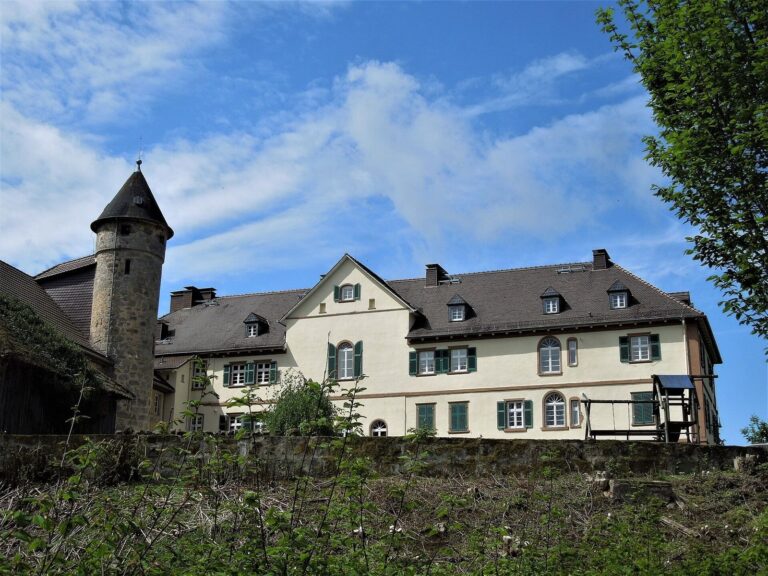
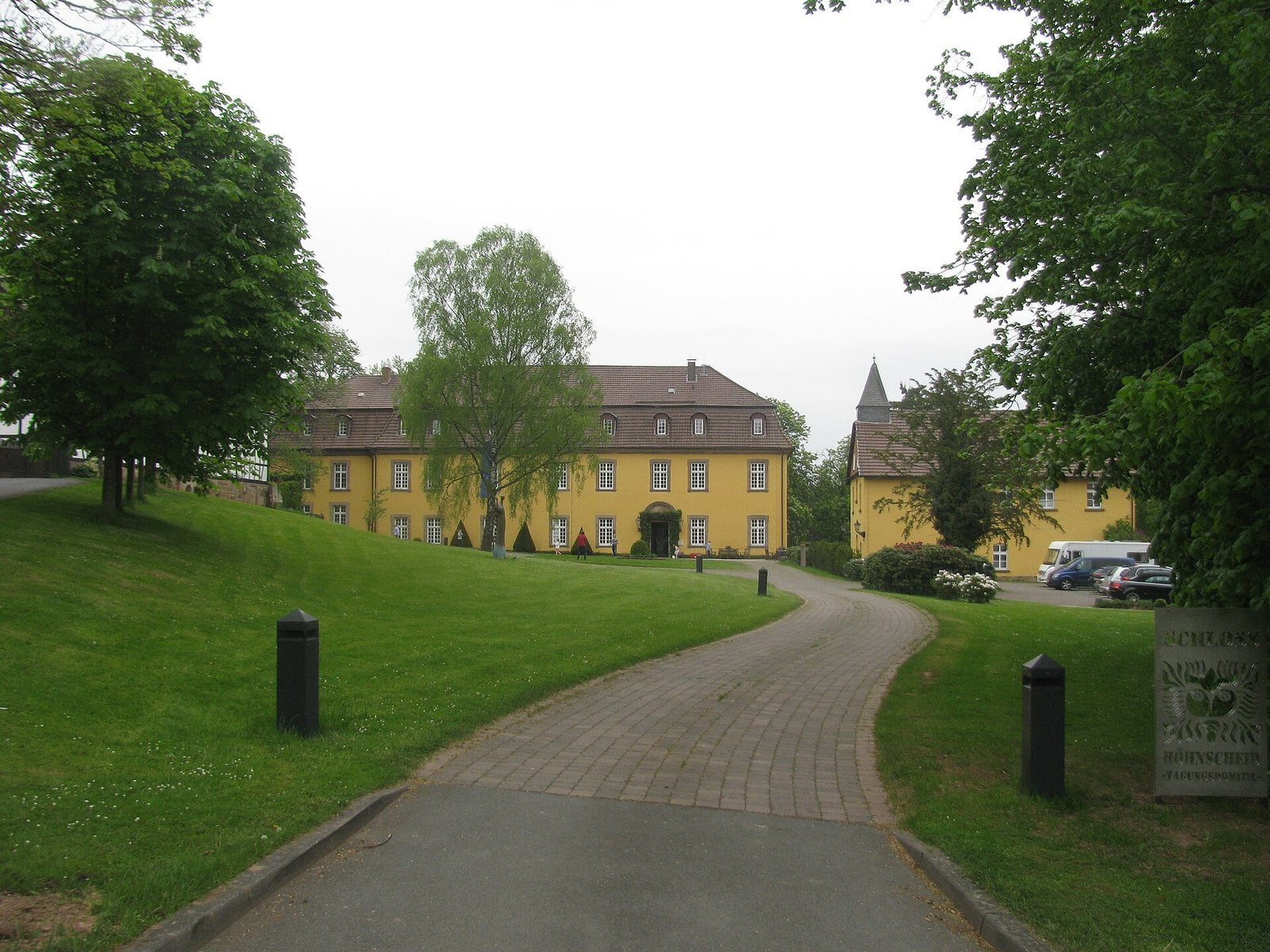
The complex includes a two-wing, castle-like manor house, with agricultural buildings to its northwest. A wooded park occupies land east and north of the castle, which stands at an elevation of 360 metres.
A large pond lies south of the castle and receives water from the nearby Georgengraben. In woodland about 700 metres to the north is a hereditary burial ground.