Hohenentringen Castle: A Noble Residence in Germany
Site at a Glance
- Popularity
- Medium
- Country
- Germany
- Primary era
- Early Modern
- Eras represented
- Medieval, Early Modern
- Civilizations
- Duchy of Württemberg, Holy Roman Empire
- Site type
- Domestic
- Remains
- Castle
On this page7 sections
History
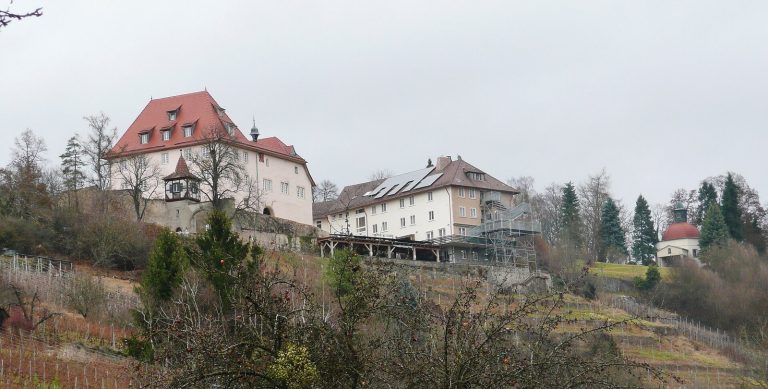
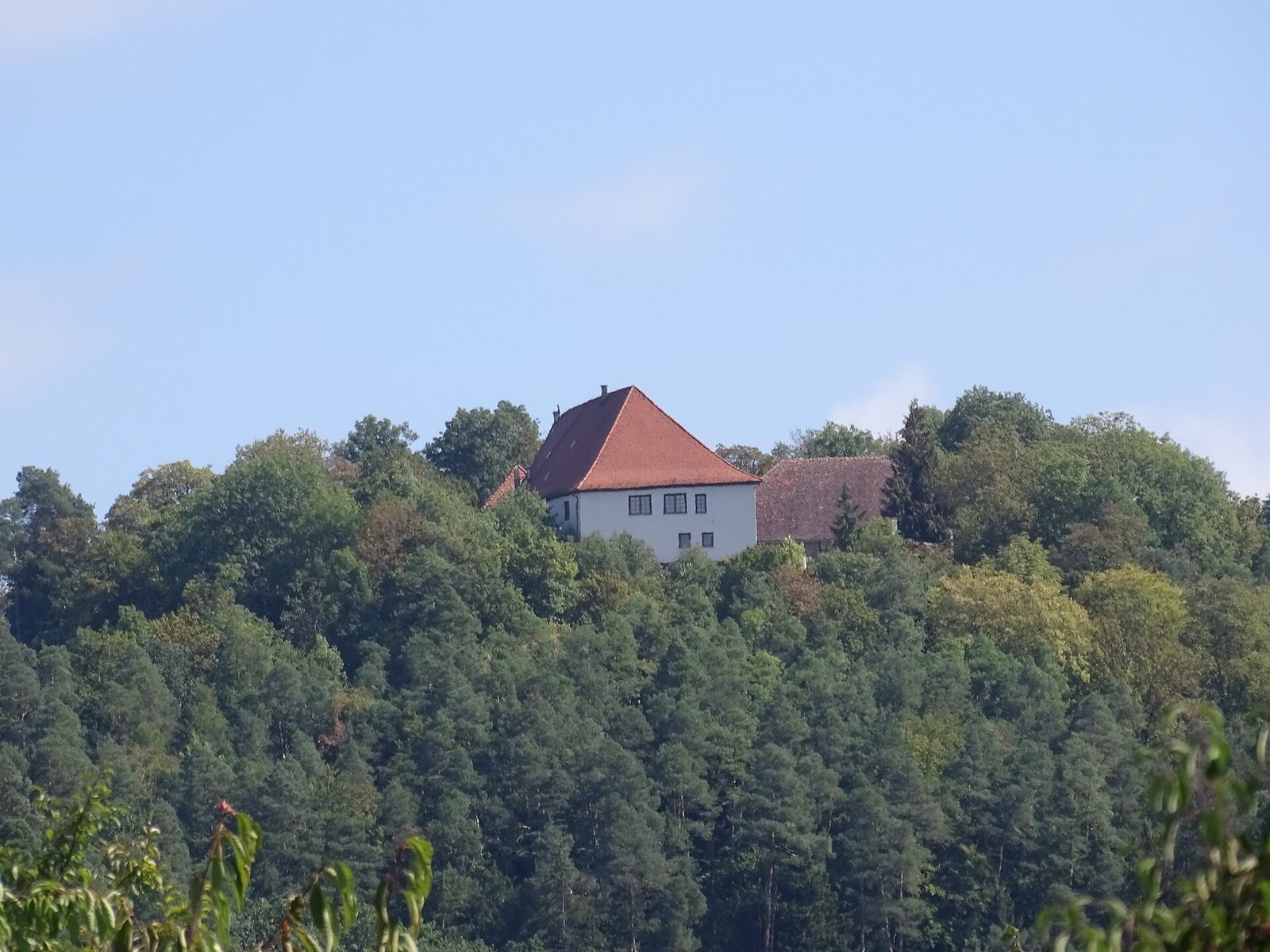
Hohenentringen Castle stands at the edge of the Schönbuch, near Entringen in Ammerbuch, Germany. The Entringer nobles established it on higher ground in the 12th century, probably because they considered the village below unsafe.
The Entringer family and early castle
The first written reference to an Entringen nobleman appears in a 1075 charter recording the foundation of Hirsau Monastery, a medieval Benedictine monastery in southwestern Germany. It names Adalbertus de Antringen among the knightly witnesses. The family built several castles in the area. Their ancestral castle was probably east of the choir of St Michael in Entringen, while Graneck served as the middle castle and was associated with the local field-name Mittel-Bürketle.
Later medieval owners
The Entringer lords died out around 1300, and the Ehinger, Hailfinger, and Gültlinger families subsequently took over Hohenentringen. In 1417, five related families lived at the castle. A local legend describes their Sunday journey to church as a procession of 100 children, so long that the first had reached the village before the last had left the castle.
Georg von Ehingen was born at Hohenentringen in 1428, one of 19 children of Rudolf von Ehingen and Agnes, née von Haimertingen. He later travelled by way of Rhodes to the Holy Land and fought against the Turks. In 1468, Eberhard V of Württemberg, later known as Eberhard the Bearded and the first duke of Württemberg, bought parts of the castle. He gave them to Barbara Gonzaga, a member of Mantua’s ruling family, as a wedding gift in 1474. Barbara died at Hohenentringen in 1503.
Later residents and ownership
Carl August Zeller, an educational reformer, was born at the castle on 15 August 1774. His brother Christian Heinrich Zeller, an educator and pioneer of the Inner Mission, was born there on 29 March 1779. The Inner Mission was a German Protestant movement that organized charitable and social-welfare work. In 1877, the Barons von Ow acquired the castle estate from Count Wilhelm von Taubenheim, a chamberlain to King Karl of Württemberg and brother-in-law of Duke Wilhelm von Urach.
Remains
Castle buildings
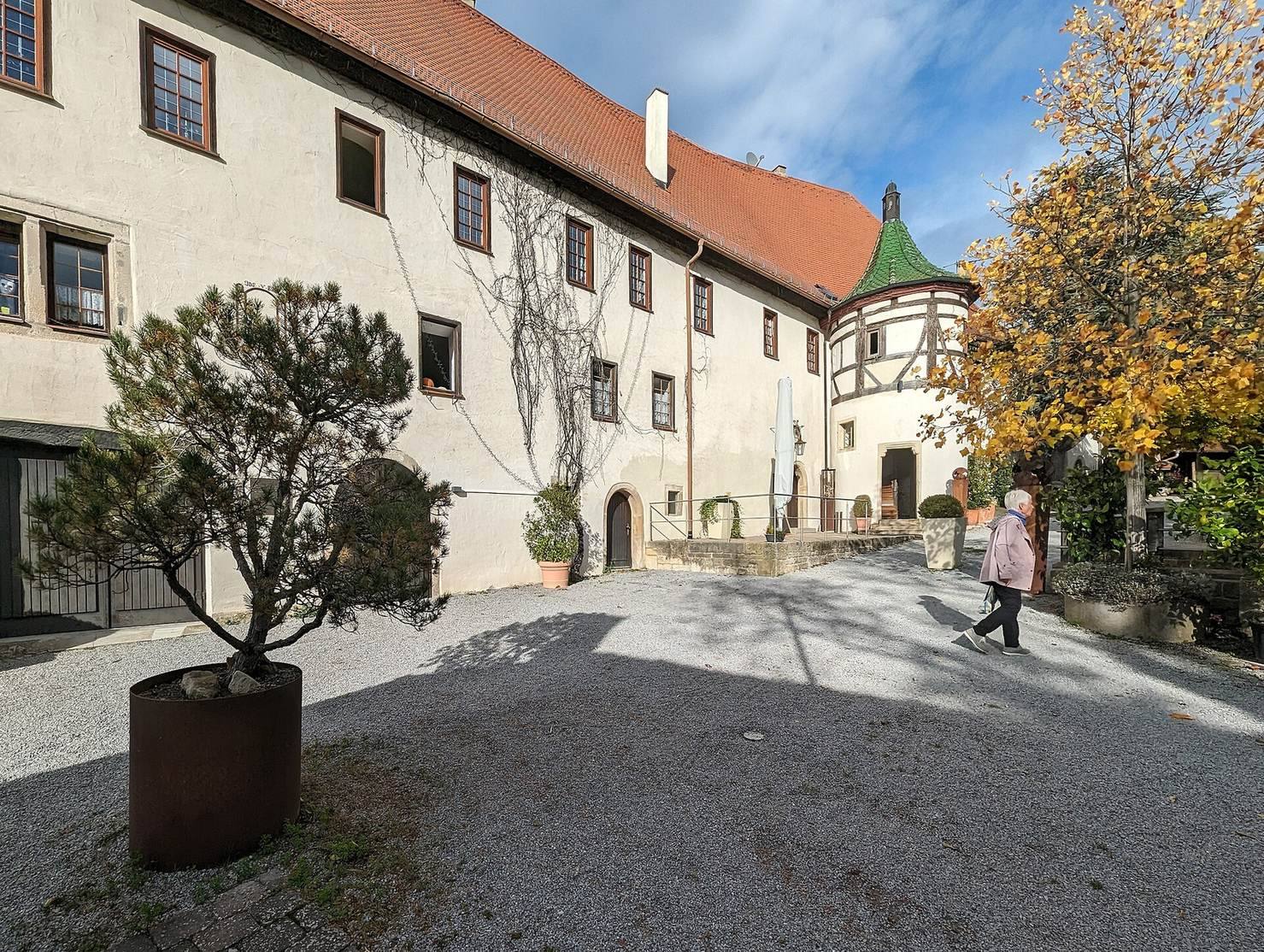
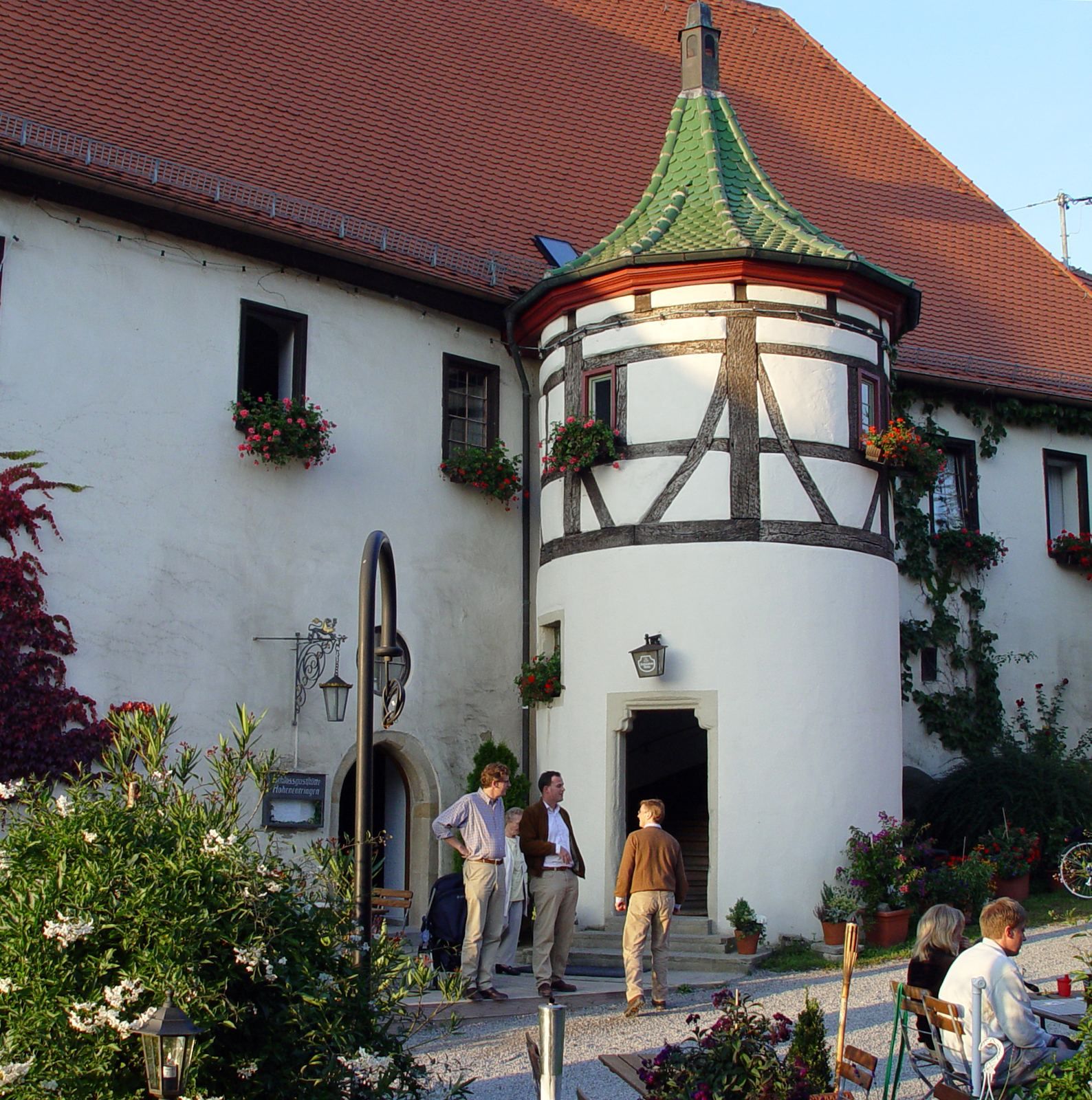
The castle complex consists of an imposing main building and two outbuildings at the courtyard entrance. The present castle dates to the 15th and 16th centuries and was altered repeatedly. The main building was erected in 1720, while the two outbuildings date to 1724 and 1727.
Heraldry and painting
The castle restaurant contains the coats of arms of 20 families that owned the castle. A painting made by Gunhild von Ow in 1913 depicts the legendary procession of the five families and their children. It hangs in the castle dining room.