Schloss Harteneck: Ancestral Castle of the Herter von Hertneck
Site at a Glance
- Popularity
- Medium
- Country
- Germany
- Primary era
- Early Modern
- Eras represented
- Medieval, Early Modern
- Civilizations
- Duchy of Württemberg, Holy Roman Empire
- Site type
- Domestic
- Remains
- Castle
On this page8 sections
History
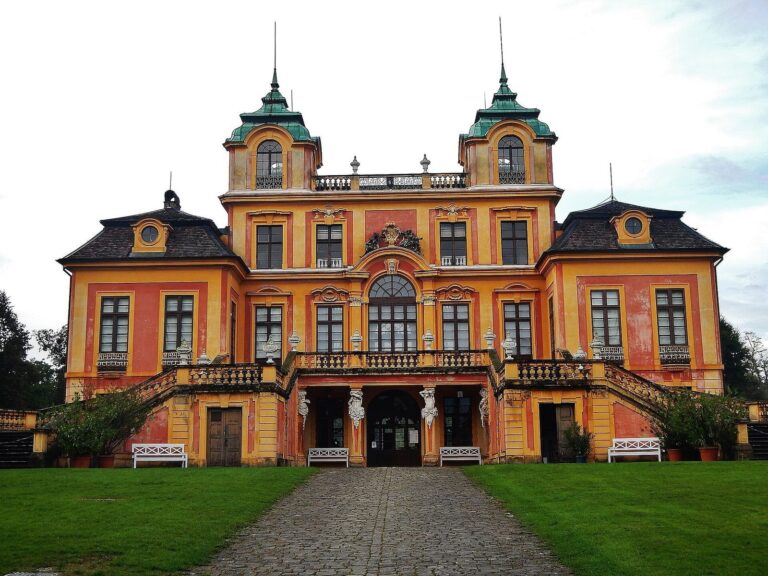
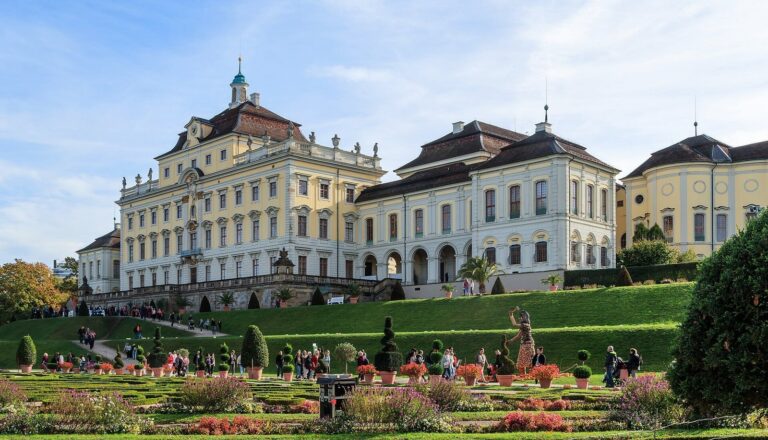
Schloss Harteneck is a former ridge-top castle above the Neckar opposite Neckarweihingen, in Germany. The Herters probably built it during the Interregnum (1254–1273), a period of contested kingship in the Holy Roman Empire, as an ancestral seat of the free imperial knights Herter von Hertneck. These nobles held their lands directly under the Empire rather than as vassals of a territorial prince. The castle’s construction formed part of the territorial policy of the Counts Palatine of Tübingen, a high-ranking noble title associated with territorial authority. It was later remodeled in the Baroque style.
Origins under the Herters
The Herter von Hertneck descended from an older Herter noble family of Dußlingen, near Tübingen. A charter of 1270 lists a Herther de Herthenegge as a witness, providing an early written reference to the family.
A separate proposal attributed Harteneck and nearby Hoheneck to the Margraves of Baden around 1200. This theory is doubtful: it relies on a copy of a 1288 charter that gives the name Hacge de Hertenegge, while a 1285 document concerning the same matter identifies the man as Hacke von Hoheneck, a Baden vassal at Hoheneck.
Baldeck and Württemberg
Probably because of financial difficulties, the Herter von Hertneck sold the castle to the Lords of Baldeck in 1440. Baldeck transferred it to Württemberg in 1536. In 1554, the family received the castle, then styled Schloss Herteneck, as a hereditary fief, a grant that could pass to an heir while remaining subject to the grantor’s rights. The grant recognized Hans Herter von Hertneck’s service as court steward, a senior official who managed a ruler’s household and court.
Hans (1519–1562) relinquished his noble rights shortly before his death. In 1590, his son Christoph surrendered the fief to Württemberg.
Baroque remodelling and later owners
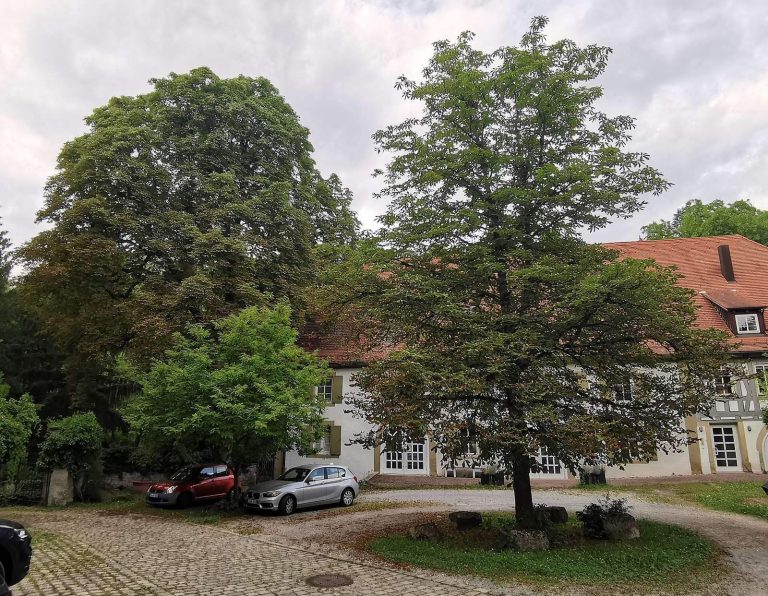
After further changes of ownership, the Lords of Kniestedt acquired Harteneck in 1705 and soon remodeled it in the Baroque style. They sold it to the Ludwigsburg hospital in 1767. The following year, the fief was dissolved and the estate incorporated into Ludwigsburg’s municipal territory. Mayor Schönleber later arranged another remodeling.
Farmer Melchior Schwaderer acquired the castle in 1785. His heirs sold it in 1838 to Ludwigsburg government councillor von Abel, who transferred it in 1851 to the merchant Ruof. The estate later passed to the Bilfinger family through marriage. Following fire damage in 1993–1994, the castle was renovated in 2003.
Remains
Courtyard and medieval fabric
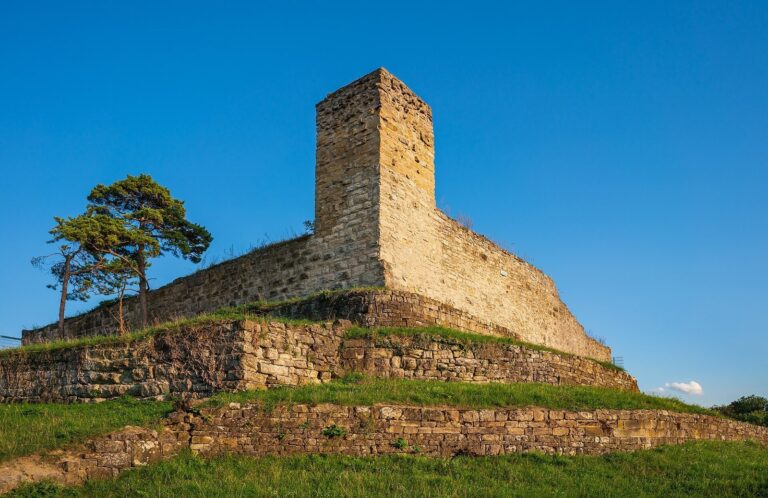
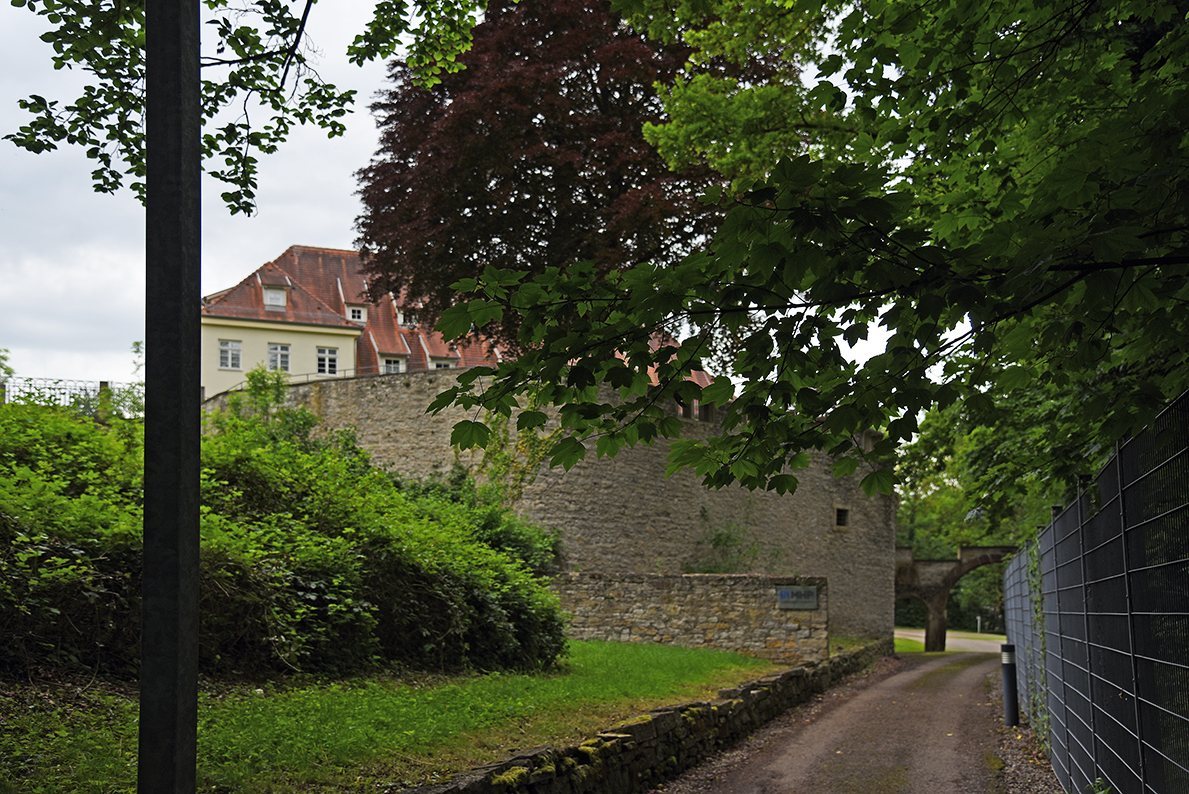
The ridge-top fortification occupies a slope edge above the Neckar, opposite Neckarweihingen. Later development has incorporated the former castle into a country-castle complex arranged around a courtyard, with construction covering parts of the earlier site.
Enclosing walls and knight’s hall
Sections of the former enclosing walls and the old knight’s hall survive as part of the later buildings. Their masonry is made of small, elongated rubble stones laid in an irregular pattern.
Former keep
A keep, the castle’s fortified tower, apparently remained until the seventeenth century. Its former presence has prompted the possibility of an earlier castle origin or predecessor, though neither is established.