Burgdorf Castle: A Historic Fortress and Administrative Building
Site at a Glance
- Rating
- 5
- Popularity
- Very Low
- Country
- Germany
- Primary era
- Early Modern
- External website
- Open
- Eras represented
- Medieval, Early Modern
- Civilizations
- Holy Roman Empire
- Site type
- Civic
- Remains
- Palace
On this page9 sections
History
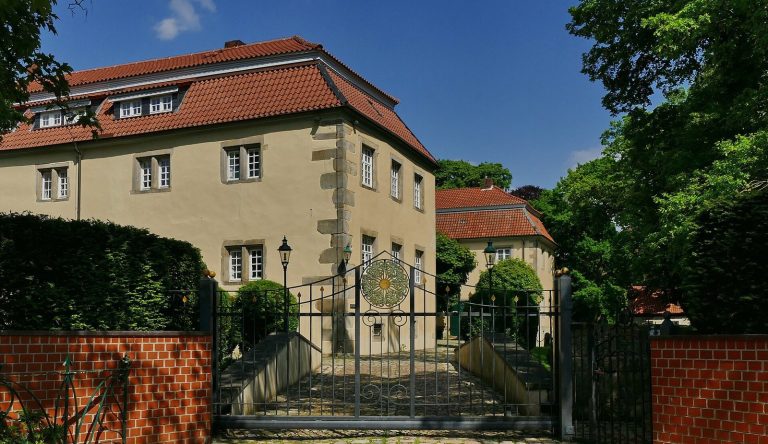
Burgdorf Castle in Germany began as a fortress on relatively level ground and was already standing when Otto I, bishop of Hildesheim from 1260 to 1279, acquired it for the Bishopric of Hildesheim, an ecclesiastical territory governed by a bishop. The present building is an early Baroque administrative structure, erected in 1643 during a construction campaign that ran from 1642 to 1650.
Medieval origins and town defenses
The castle’s earlier owner was probably Lippold von Escherde. In 1420, during the Little Hildesheim Diocesan Feud, a conflict involving the bishopric’s territories and interests, the castle was destroyed. It then passed to the Duchy of Brunswick-Lüneburg, a German principality ruled by the Welf dynasty, which rebuilt it. In 1429, the Welfs authorized the cities of Hanover, Brunswick, and Lüneburg to demolish the castle, remove its towers and other defenses, and fill its ditches.
Duke Otto IV built a new castle near the ruined site in 1433, on land formerly occupied by a parish. That year, he also fortified Burgdorf with a rampart, two ditches, and four town gates. Until then, the settlement had retained a largely village-like character. From 1466, the castle was permanently held in pledge, and its defenses were renewed in 1473.
Conflict and rebuilding
The Hildesheim Diocesan Feud, a conflict involving the bishopric’s territorial interests, brought another destruction of the castle in 1519. It was probably rebuilt from about 1535. Burgdorf and the castle suffered further destruction in 1632 during the Thirty Years’ War, a major European conflict fought from 1618 to 1648. The town and castle were also affected by a fire in 1658.
Ducal court and administrative use
In 1654, the engraver and publisher Merian described the building as a princely Lüneburg castle or an administrative building. The dukes used it as a hunting lodge and a place for meetings. More than 100 conferences attended by councillors from Celle, Hanover, and Wolfenbüttel took place there between 1674 and 1714. In 1694, following the Königsmarck affair, a court scandal associated with Sophia Dorothea and the Swedish nobleman Philip Christoph von Königsmarck, the castle hosted negotiations over the divorce of Hereditary Princess Sophia Dorothea of Celle from Electoral Prince Georg Ludwig, later King George I of Great Britain.
From 1705, the building served solely as an administrative seat. Its rampart had been removed around 1700, and the moat was filled in 1809 with rubble from a town fire. From 1714 to 1885, the district’s chief administrative official was based there. The Burgdorf District used the building afterward and merged with the Hanover District in 1976. Today, the City of Burgdorf uses the castle as an administrative center and a venue for music concerts.
Remains
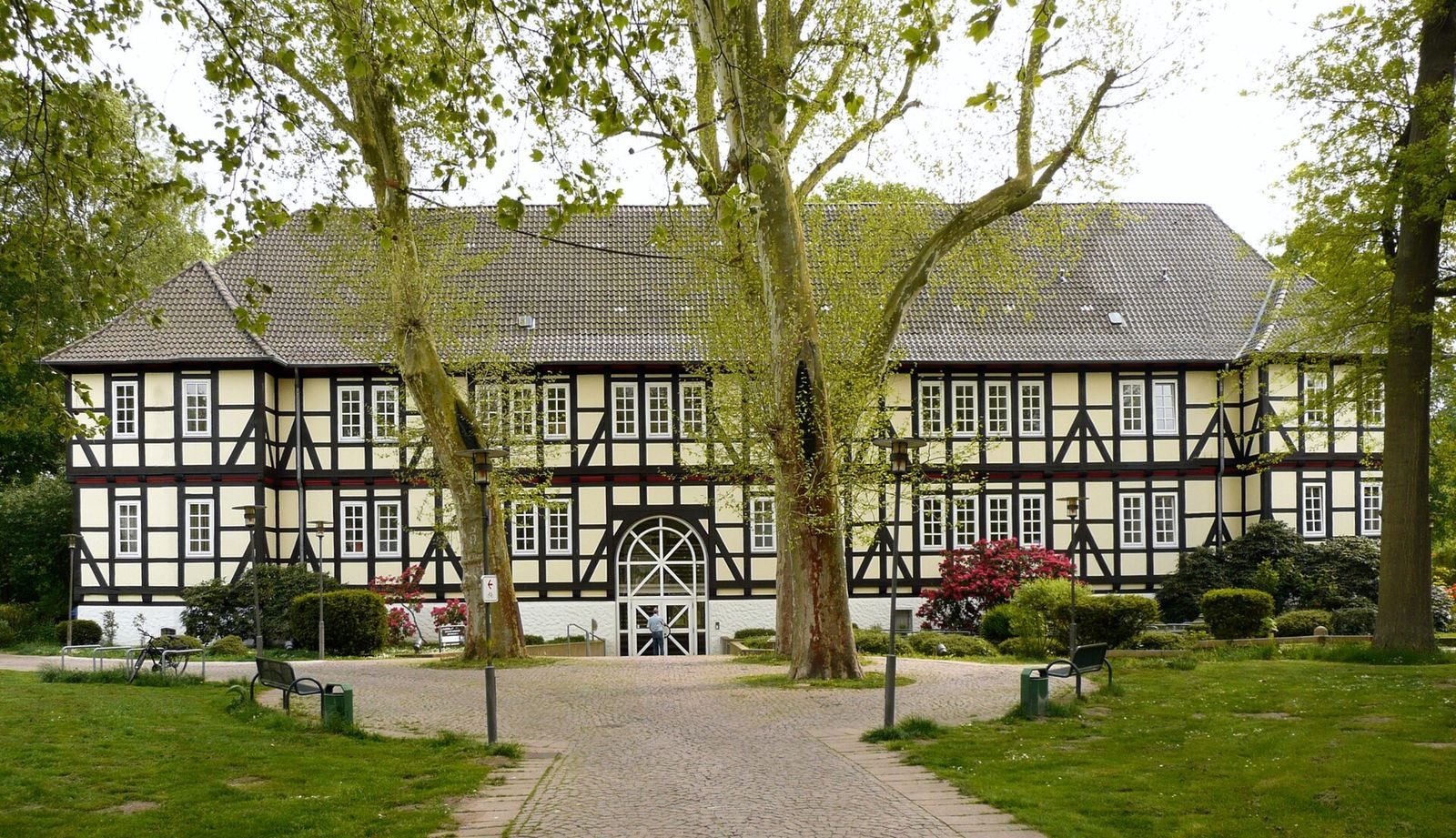
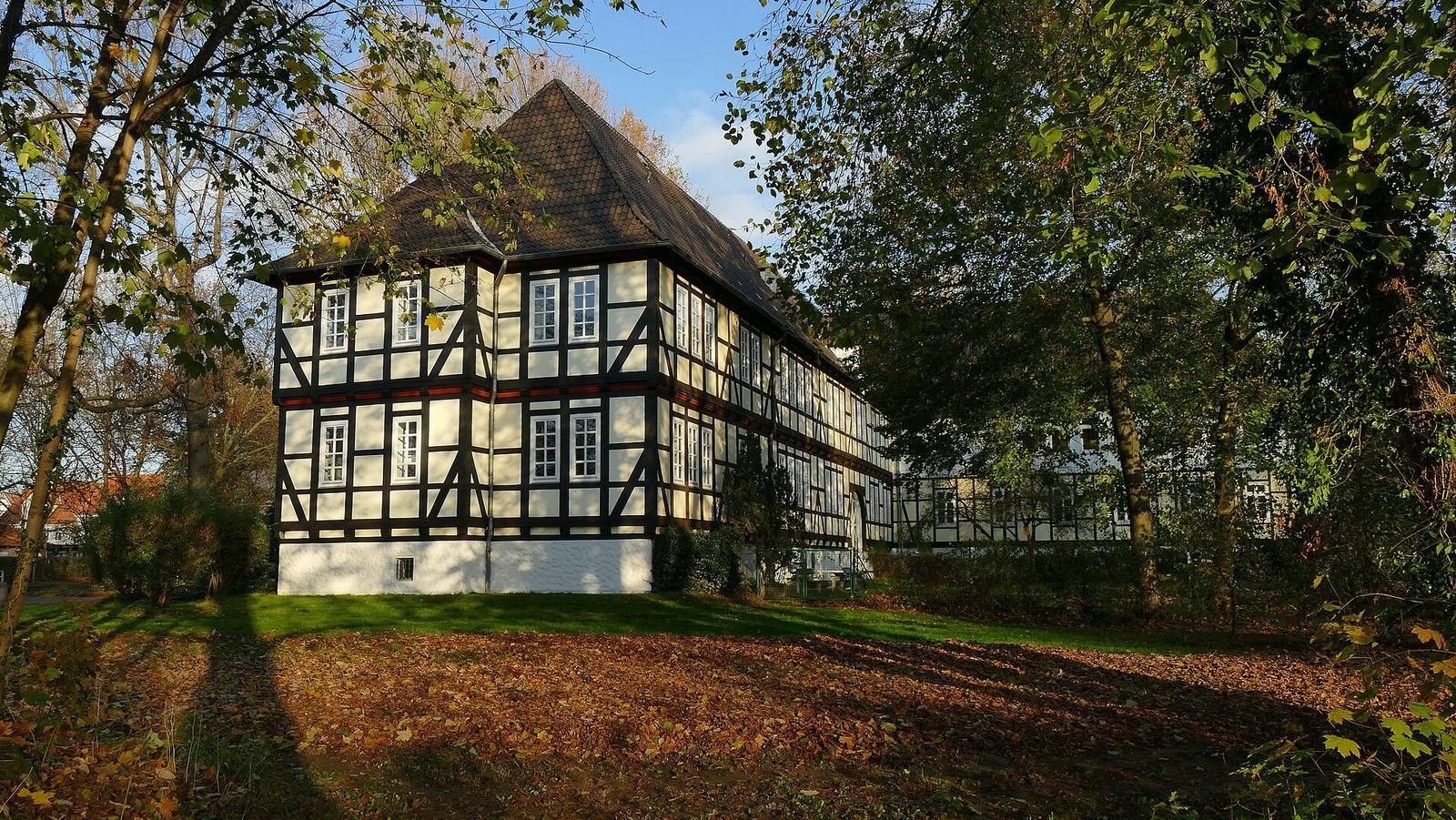
The surviving building has two timber-framed wings. The original plan called for three, but only two were completed.
Grounds and defenses
Watercourse and park
A plan from 1756 shows the building on island-like ground surrounded by the Burgdorfer Aue watercourse, with an extensive castle park to the west. The Aue has since been diverted and now crosses the southeastern edge of the former castle grounds.
Rampart
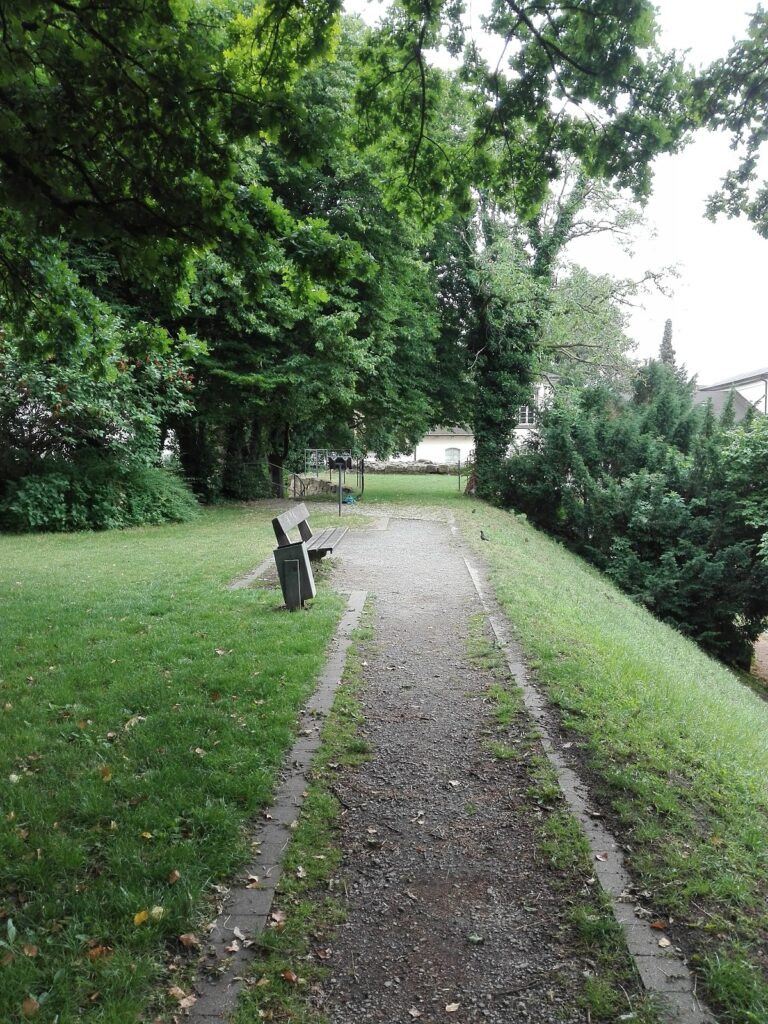
A rampart once enclosed the complex and included seven bulwarks as well as additional bastions, projecting fortification sections that provided defensive positions along the walls. Low remains of the rampart extend for about 70 metres to the west and southwest.
The castle building
Later alterations mainly affected the interior. During extensive renovation from 1979 to 1981, the building’s façade was reconstructed.