Savior Transfiguration Monastery: A Historic Religious and Defensive Center in Yaroslavl
Site at a Glance
- Rating
- 4.8
- Popularity
- Medium
- Country
- Russia
- Primary era
- Early Modern
- External website
- Open
- Eras represented
- Medieval, Early Modern, Modern
- Civilizations
- Russian
- Site type
- Religious
- Remains
- Fortified Monastery
On this page14 sections
History
Savior Transfiguration Monastery is a historic monastery in Yaroslavl, Russia, founded in 1216 by Prince Konstantin Vsevolodovich outside the city walls. Built near a crossing of the Kotorosl River and positioned within Yaroslavl’s defensive system, it developed into a major spiritual, cultural, and economic center.
Foundation and medieval development
From 1216 to 1218, the monastery housed the first ecclesiastical school in northeastern Rus. The school later moved to Rostov, while the monastery continued to maintain a large library and a center for copying manuscripts during the first half of the thirteenth century. The Savior Transfiguration Cathedral was constructed between 1216 and 1224. Tradition connects a small Church of the Entry into Jerusalem, built near the cathedral’s southeastern corner in 1218, with the establishment of the Principality of Yaroslavl.
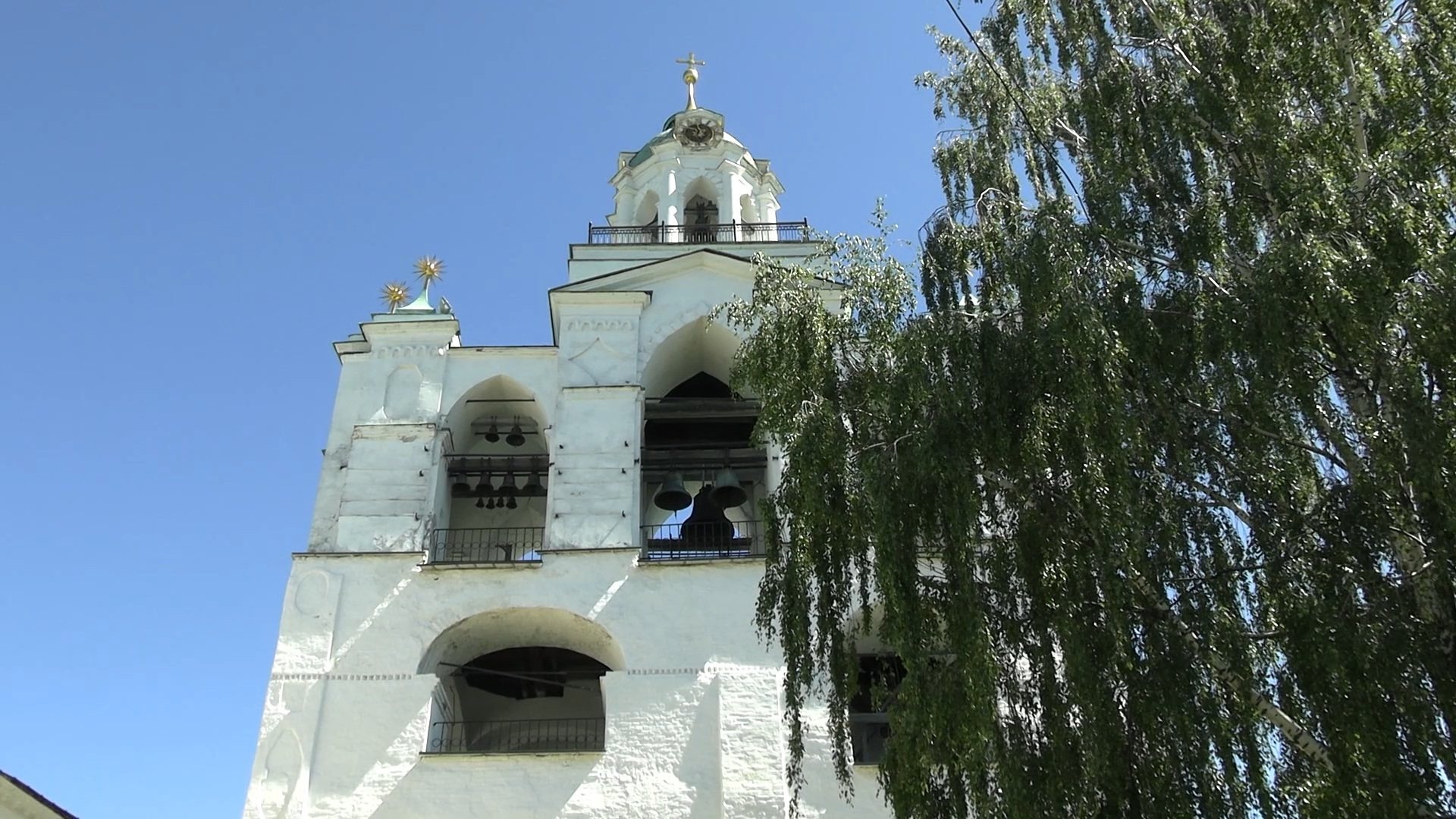
A major fire severely damaged the monastery in 1501. The Savior Transfiguration Cathedral was rebuilt and consecrated in 1516, and the first stone tower, the Holy Gates, was built during the same general period. The sixteenth century also brought a bell tower, a refectory, and the Church of the Nativity of Christ.
Fortification and princely patronage
Between 1550 and 1580, stone walls replaced the monastery’s earlier wooden defenses. The fortified complex became the most strongly defended part of Yaroslavl. Because the historical Yaroslavl Kremlin did not have comparable stone walls, the monastery later acquired the name “Yaroslavl Kremlin,” although that identification is historically inaccurate.
Tsar Ivan the Terrible visited the monastery frequently. By the late 1560s, he had granted it 55 charters, six villages, 239 hamlets, fishing grounds, saltworks, exemption from the general tax burden in the Yaroslavl settlement, and judicial immunity. His son, Tsar Feodor, added 12 further charters.
During the Time of Troubles, the period of dynastic conflict, foreign intervention, and warfare in early seventeenth-century Russia, the monastery and the Earthen Town resisted a siege in 1609. Forces commanded by Pan Budzilo and the voivode Naumov held the siege for about a month while the rest of Yaroslavl was captured. In 1612, the militia led by Minin and Pozharsky left the monastery to campaign for the liberation of Moscow.
From 21 March to 16 April 1613, Michael Romanov stayed at the monastery while traveling from the Ipatiev Monastery to Moscow. He sent his first letter accepting the Russian throne from the monastery. Michael became the founder of the Romanov dynasty and later granted the monastery 18 charters.
The defenses damaged during the siege were rebuilt and enlarged between 1621 and 1646. During the seventeenth century, the monastery controlled extensive territory west of Yaroslavl along the road to Uglich. More than 300 households developed in its settlements, and its economic power brought it into competition and occasional conflict with the city’s urban settlement.
Education, administration, and literary history
In 1747, on the initiative of Metropolitan Arsenius, the Yaroslavl Slavic-Latin Seminary opened within the monastery. It was among the earliest seminaries in Russia and had 300 students after thirty years. The seminary remained at the monastery until it moved to a new building in 1875.
After the metropolitan see was transferred from Rostov to Yaroslavl in 1787, the monastery became the Yaroslavl Bishop’s House. New buildings and institutions were added, including a seminary building, a sacristy, the Church of the Yaroslavl Wonderworkers Theodore, David, and Constantine, and the Smolensk Chapel.
In the 1790s, Alexei Musin-Pushkin, a nobleman, collector, and antiquarian, discovered The Tale of Igor’s Campaign among the books of the monastery’s last abbot, Ioel Bykovsky. This medieval East Slavic literary work describes Prince Igor’s unsuccessful campaign against the Polovtsians and is regarded as a major monument of early Russian literature.
The monastery also became a burial place for members of the Yaroslavl princely family, bishops, archbishops, metropolitans, and prominent local officials. Recorded burials include Prince Feodor the Black and his sons David and Constantine, the Rostov archbishops Prokhor and Tryphon, Princes Vasily Davidovich and Alexander Feodorovich, Metropolitan Parthenius Neboza, Archbishop Nil Isakovich, and Governor Alexei Yakovlevich Fride.
Revolution, restoration, and museum use
Red Army artillery damaged the monastery during the shelling of Yaroslavl in July 1918. Partial restoration followed from 1918 to 1923 under Pyotr Baranovsky, a Russian architect and specialist in architectural restoration. Further restoration took place in 1957 and 1958.
During the Soviet period, the monastery was closed and its buildings were occupied by the Yaroslavl State Historical, Architectural, and Art Museum-Reserve. The complex remains the basis of that museum. It is a federally significant cultural-heritage site of the Russian Federation and forms part of the UNESCO World Heritage site covering the historic center of Yaroslavl, inscribed in 2005.
In 2025, Governor Mikhail Evraev ordered a large “Yaroslavl Kremlin” sign at the museum entrance. Local historians and civic activists protested that the wording was historically inaccurate and confused Yaroslavl’s toponymy.
Remains
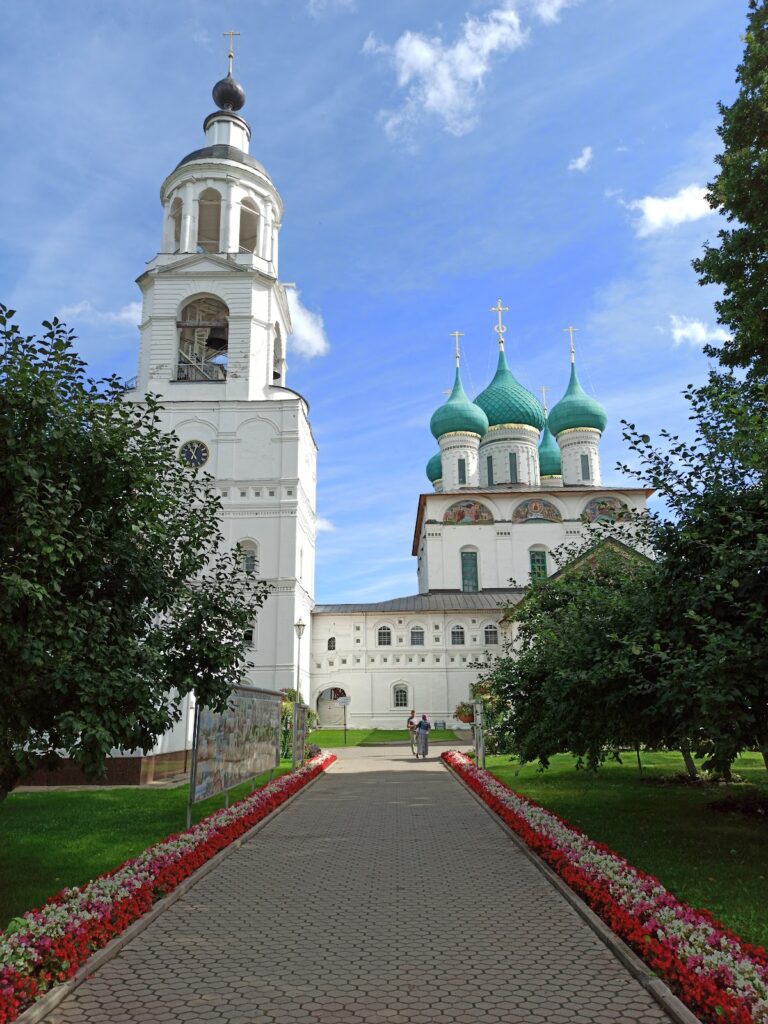
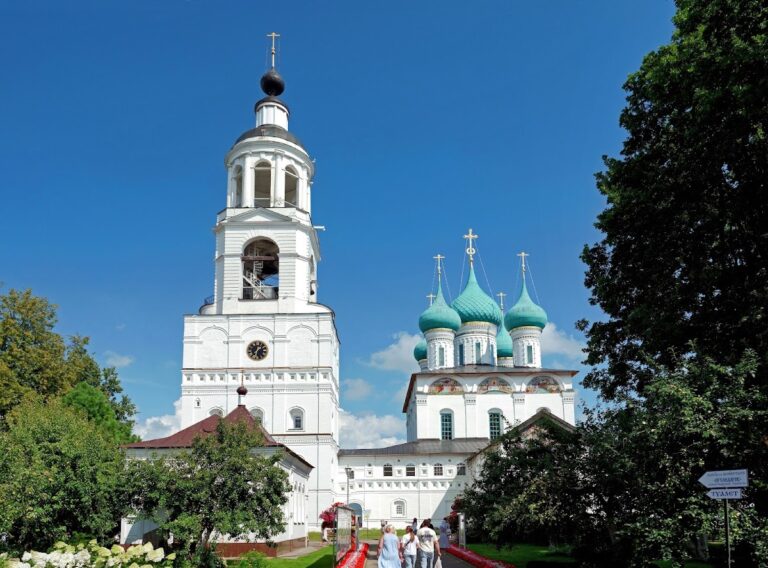
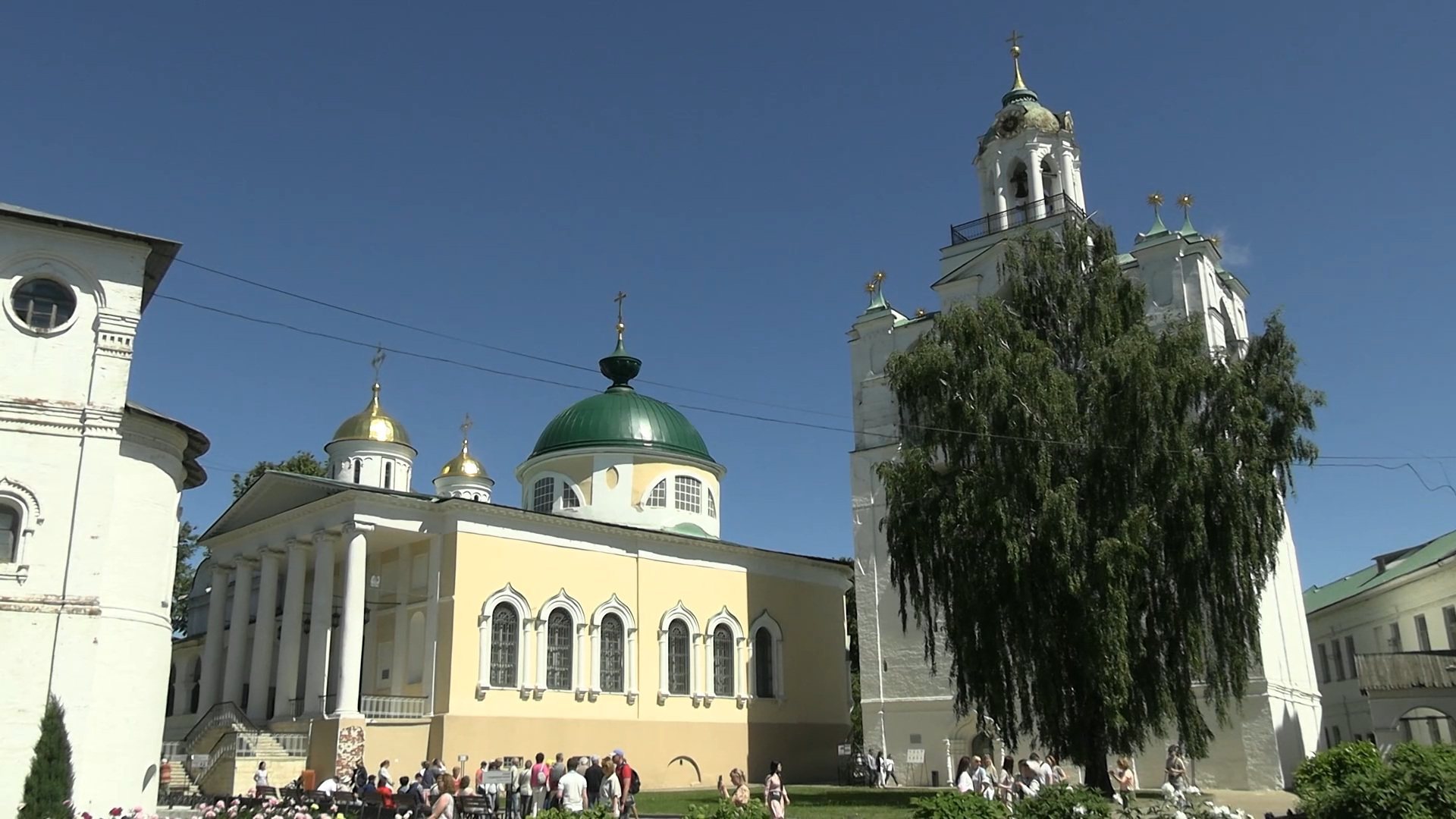
The monastery occupies a site in Yaroslavl’s historic center near the Kotorosl River, close to the former river crossing and the road toward Uglich. Its surviving ensemble combines fortified walls and towers with churches, monastic buildings, chapels, and later nineteenth-century additions. The architectural monuments range from the sixteenth through the nineteenth centuries.
Fortified walls and entrances
Walls and defensive equipment
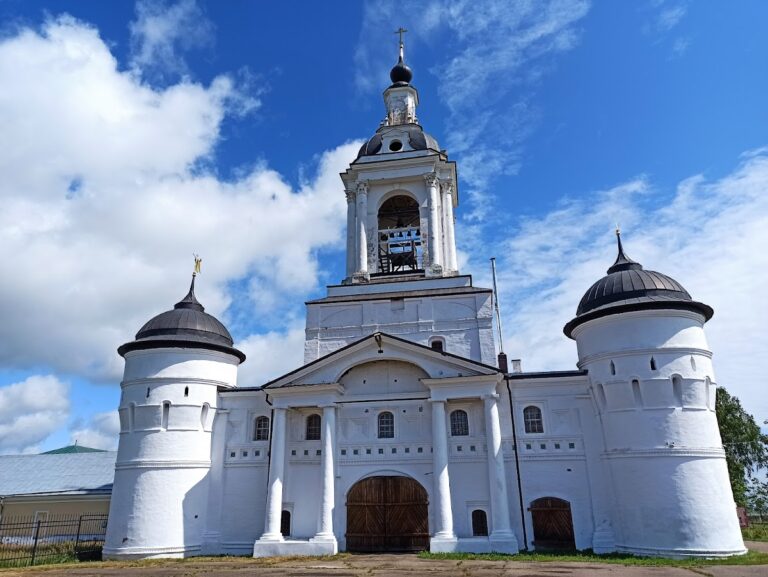
By the end of the seventeenth century, the monastery walls extended for approximately 820 meters. They reached about 10.5 meters in height and measured between 2.8 and 3 meters in thickness. Wall walks ran along the walls and towers, which were equipped with 15 large guns, 17 small guns, 97 carbines, and 14 barrels of gunpowder. The walls were repaired in 1809 and modified again in the mid-nineteenth century, with portions restored during the twentieth century.
Holy Gates and towers
The Holy Gates formed the monastery’s first stone tower. Other named defensive features include the Bogoroditskaya, Uglichskaya, Glukhaya, and Mikhailovskaya towers, together with the Water Gate. The Uglichskaya Tower survives as part of the fortified ensemble. Multiple gates and towers from different periods remain associated with the walls.
Cathedral and religious buildings
Savior Transfiguration Cathedral
The Savior Transfiguration Cathedral was built between 1216 and 1224 and reconstructed after the fire of 1501. The rebuilt cathedral was consecrated in 1516, and its design was modeled on the Annunciation and Archangel Cathedrals of the Moscow Kremlin. It is described as the oldest surviving building in Yaroslavl.
The cathedral’s wall paintings were created in 1563 and 1564. They are described as the oldest surviving monumental wall paintings in Yaroslavl and as one of two surviving Russian examples from the reign of Ivan the Terrible. The building originally contained a large iconostasis, the decorated screen separating the sanctuary from the main worship space. Surviving elements include 13 icons from its Deesis tier, which depicts Christ flanked by the Virgin Mary and John the Baptist, one principal temple icon, and three icons from the lower local tier.
Churches and chapels
The sixteenth-century ensemble included the Church of the Nativity of Christ, a bell tower, and a refectory, the communal dining building of the monastic community. Other religious buildings include the Church of the Procession of the Precious Wood of the Cross, the Church of Simeon the God-Receiver, and the Church of the Yaroslavl Wonderworkers Theodore, David, and Constantine.
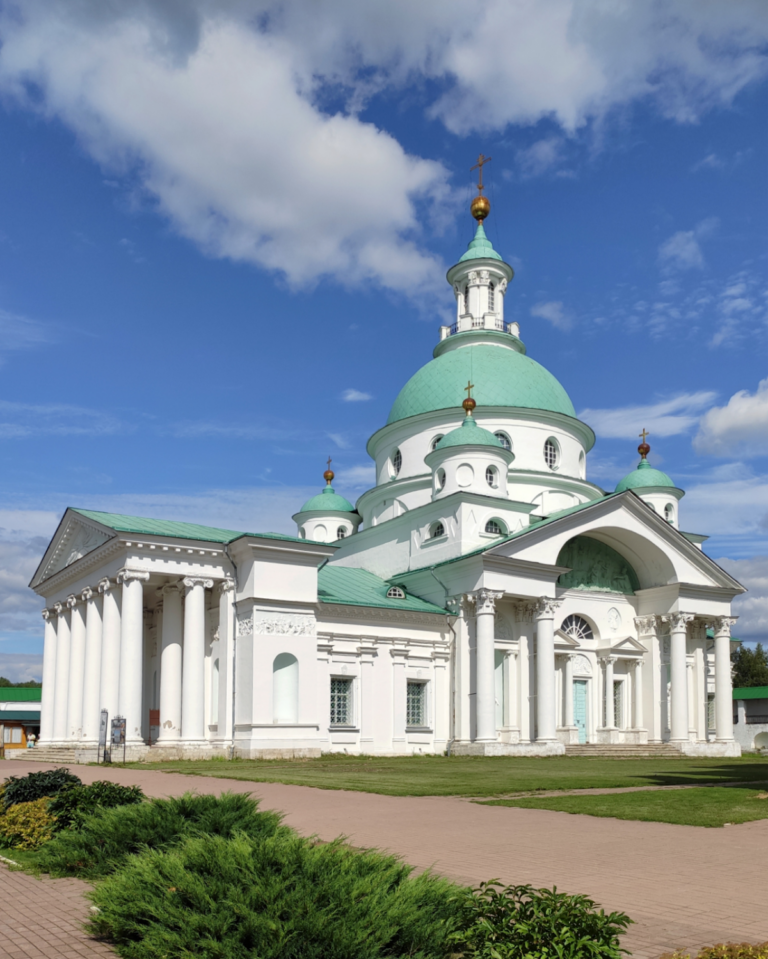
The Church of the Yaroslavl Wonderworkers Theodore, David, and Constantine was built in 1831 on the site of an earlier Church of the Entry into Jerusalem dating from 1617. The Smolensk Chapel and the sacristy, a building for storing liturgical objects and books, date from 1830. A chapel dedicated to Tryphon, Bishop of Rostov, is also among the nineteenth-century buildings.
Monastic buildings
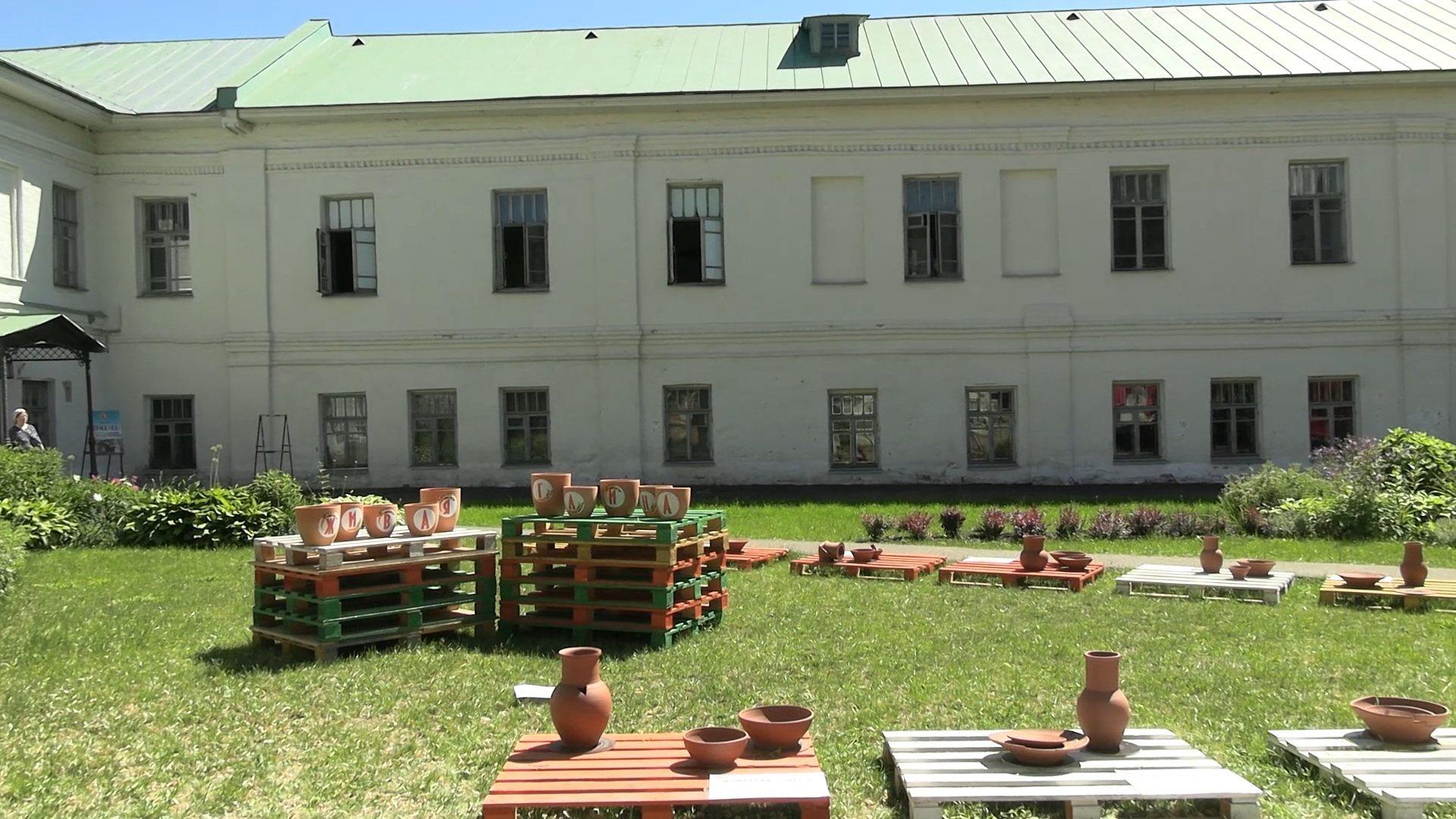
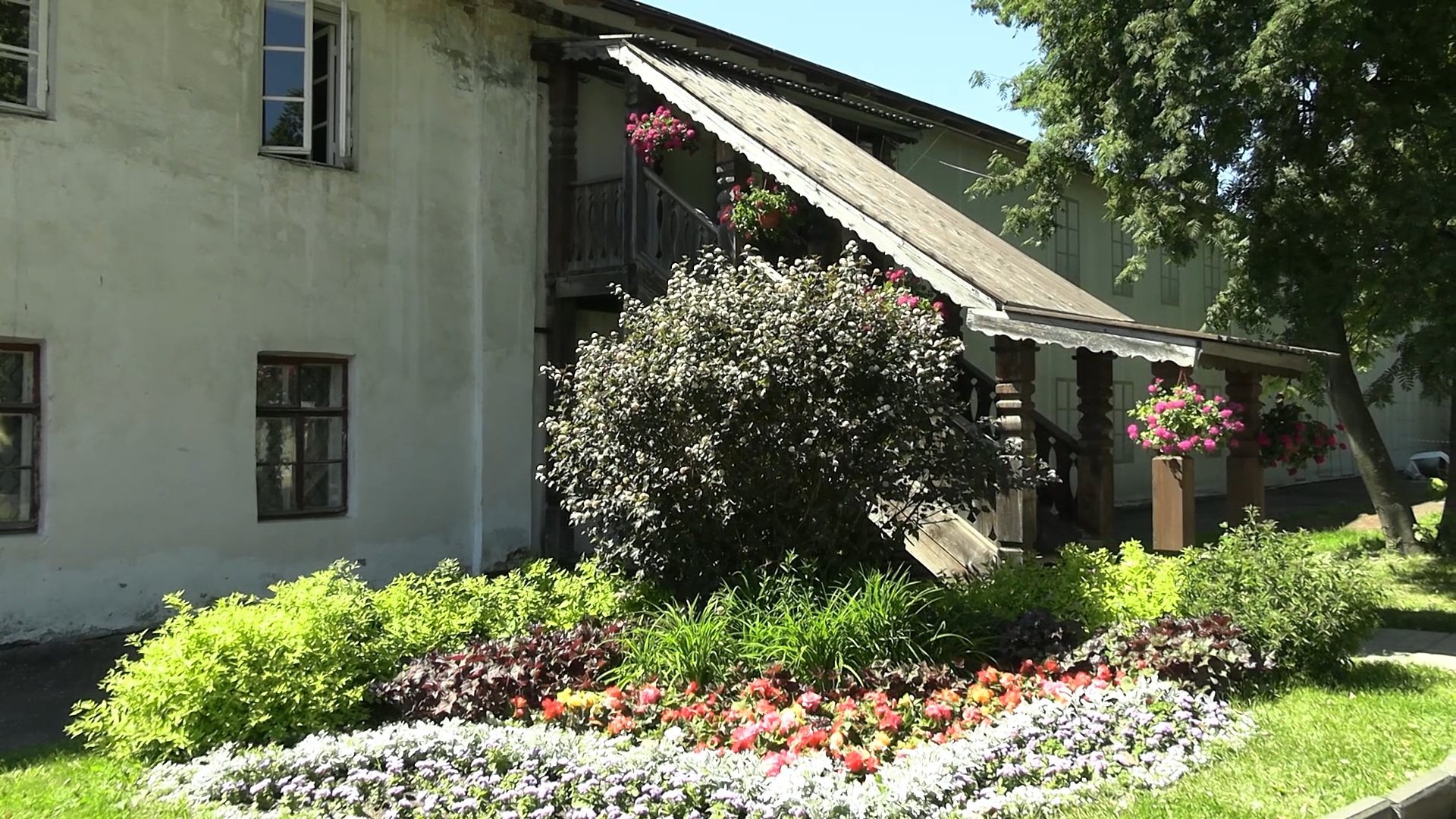
A two-story monks’ cell building was completed in 1808. The complex also contains a seminary building and a refectory connected with a church. These structures form part of the later architectural ensemble alongside the churches, chapels, defensive walls, and towers.
Burial and commemorative features
The monastery contains a crypt or burial area associated with Yaroslavl princes, bishops, archbishops, metropolitans, and other prominent residents. A monument commemorating “Pozharsky’s Oath” was unveiled within the complex in 2010.