Sarrafon Mosque: A Shaybanid-Era Mosque in Bukhara
Site at a Glance
- Rating
- 4.9
- Popularity
- Very Low
- Country
- Uzbekistan
- Primary era
- Early Modern
- Eras represented
- Early Modern
- Civilizations
- Khanate of Bukhara
- Site type
- Religious
- Remains
- Mosque
On this page9 sections
History
Shaybanid construction
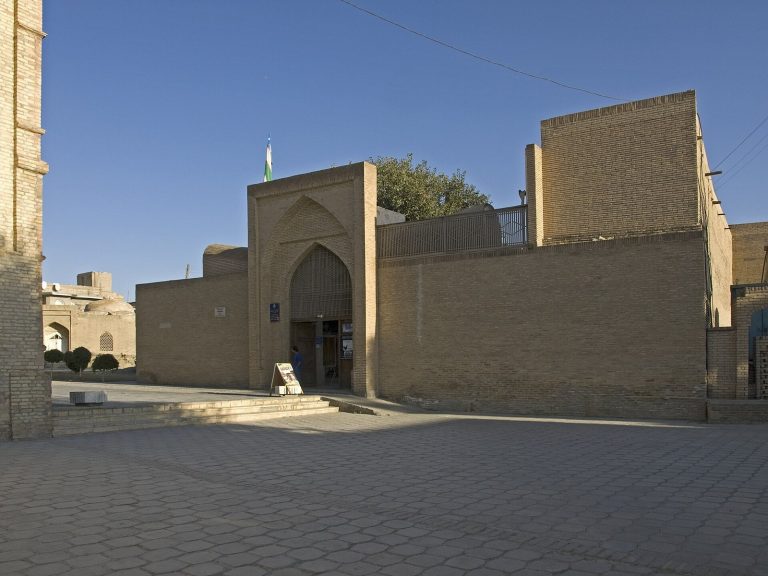
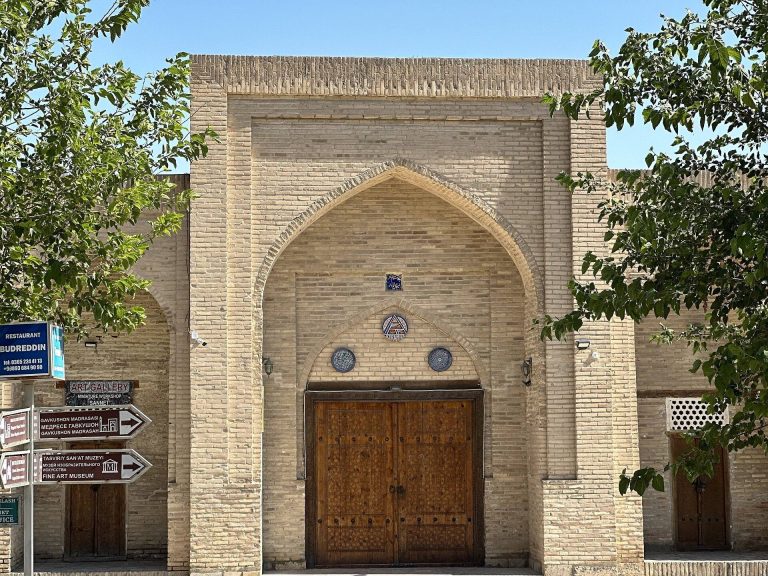
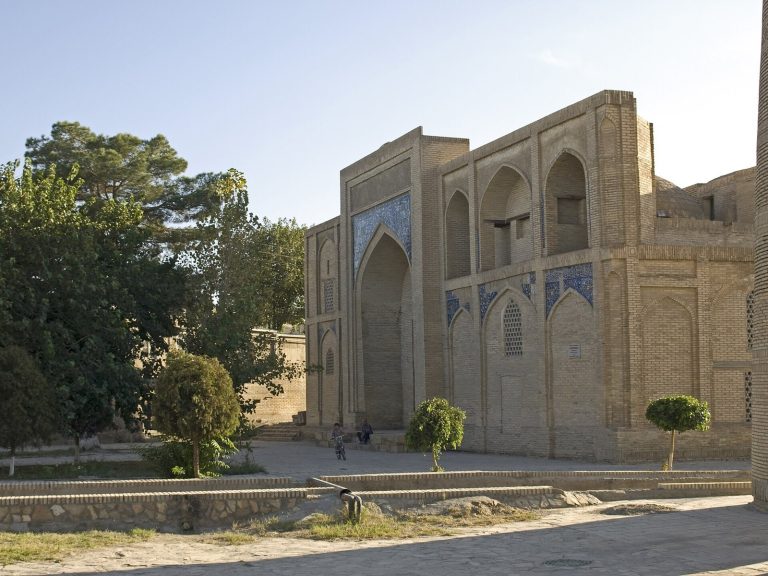
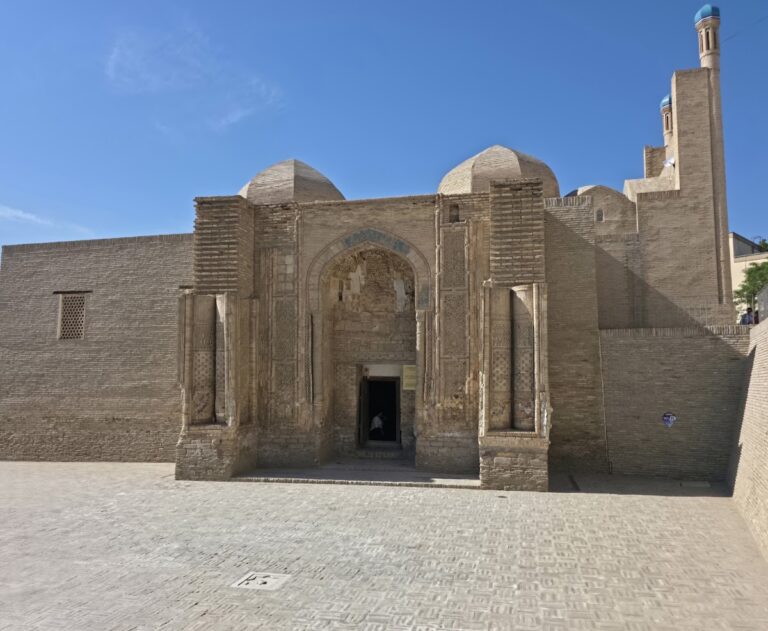
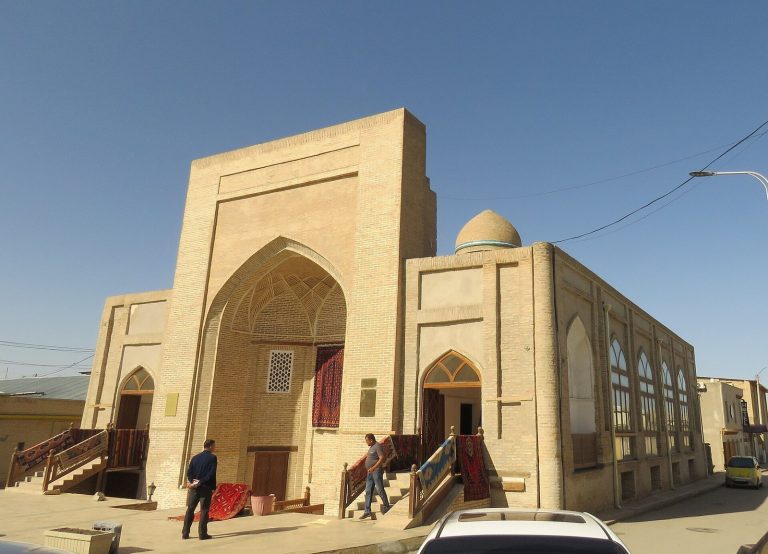
Sarrafon Mosque is a sixteenth-century mosque in Bukhara, Uzbekistan, constructed during the rule of the Shaybanid dynasty in the Bukhara Khanate. Building began in 1515–1516, when the Shaybanids, a dynasty ruling much of Central Asia, governed the Bukhara region.
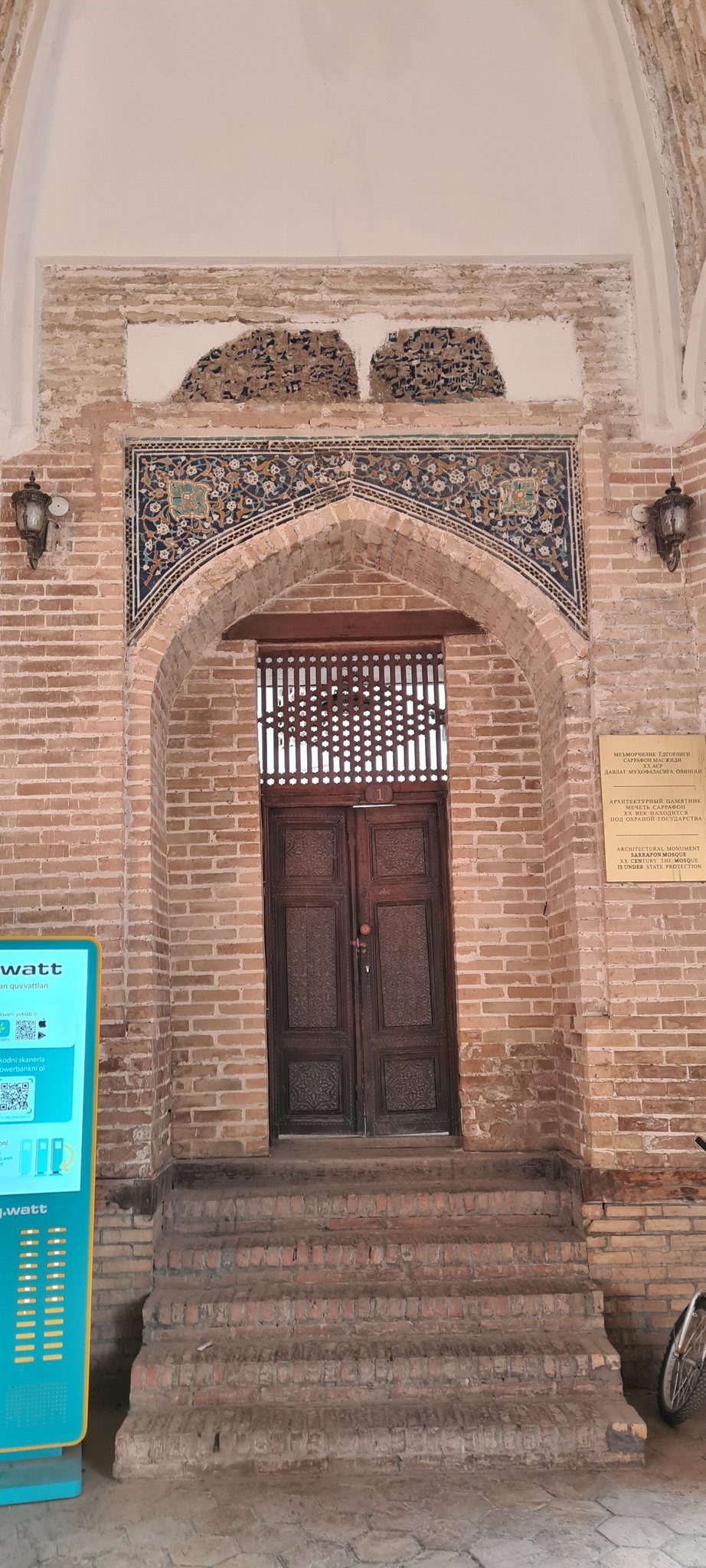
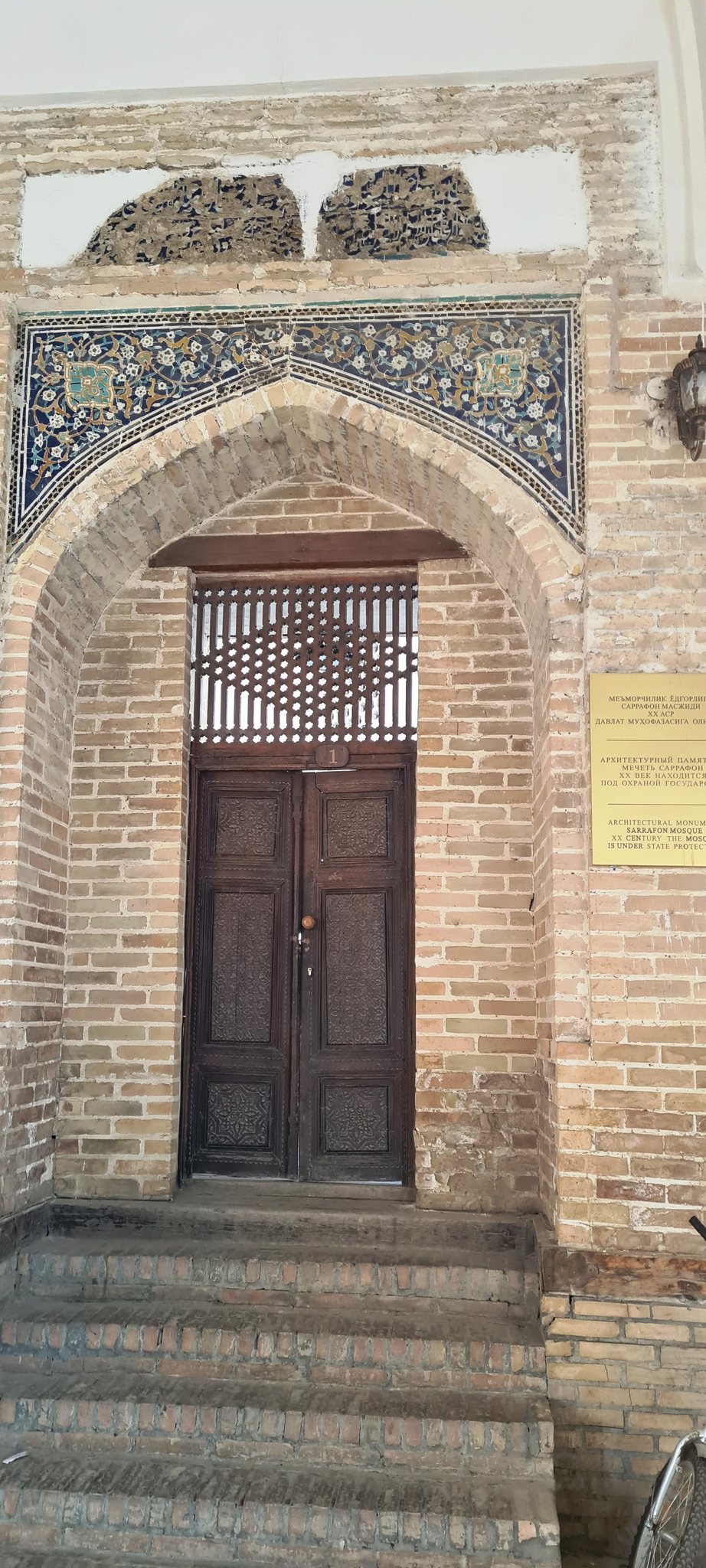
The mosque was completed in 1534–1535 during the reign of Ubaydullah Bahadur Khan, a Shaybanid ruler of the Bukhara Khanate. An inscription above the gate records the completion and identifies Muhammad Darvish Qo‘noq, a prominent Bukhara calligrapher, as the writer. The building was also known as Mulla Oriziy Mosque and Tahti Toqi Sarrafon Mosque.
The Sarrafon name and later use
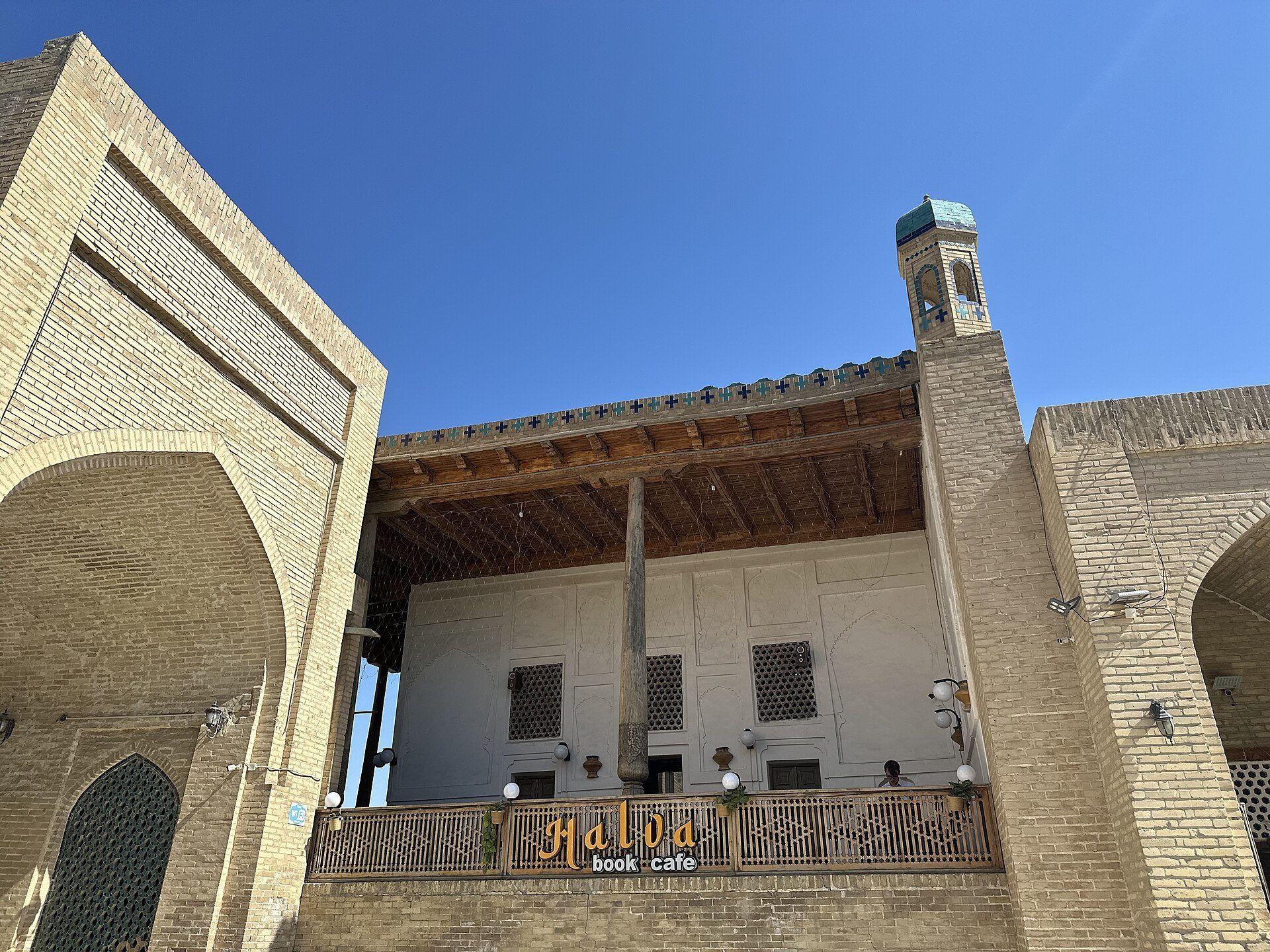
About twenty years after the construction of the Toqi Sarrafon market dome, the mosque became known by its present name, Sarrafon Mosque. Until the 1970s, it served as both a teahouse and a library. It continues to function as a teahouse, preserving a form of communal use that extends beyond its original religious purpose.
The mosque was repaired in the late nineteenth century or in 1905, and partial repairs followed in the 1980s. It is included in Uzbekistan’s national register of immovable cultural and historical heritage.
Remains
Raised platform and veranda
The mosque is built on a high raised platform and combines baked brick, wood, and ganch, a traditional Central Asian gypsum plaster used for architectural surfaces and decoration. Its complex design included a double-sided ayvan, a roofed, open-sided space functioning as a shaded veranda or transitional area.
Calligraphic decoration
Entrance inscription
The entrance portal contains a kitabah, an architectural inscription panel, written in white nasta’liq script on a blue background. The text consists of a panegyric and a hadith. The names of Allah and the ruler were written in gold. The inscription was partly repaired in the 1980s and is now damaged, preventing the full text from being read.
Western and eastern wall panels
During the latest repairs, white lettering in the qirma technique, which uses incised or scraped writing on a prepared surface, was applied to the western wall against a blue background. A column carries the inscription “The work of Usta Fayzulloh,” made in the late nineteenth or early twentieth century.
The eastern wall contains rectangular ganch kitabah panels. Their four-line poem is written in white nasta’liq script against a blue background, adding literary calligraphy to the mosque’s architectural decoration.
Mihrab panel
Above the mihrab, the niche or marked area indicating the direction of prayer, is a sun-shaped ganch kitabah panel on the western wall. It contains Surah Al-Ikhlas in thuluth script, a calligraphic style often used for monumental religious inscriptions. Rectangular panels to either side contain verse 18 of Surah Al-Jinn and verse 103 of Surah An-Nisa.