Santissimo Sacramento: A Catholic Church in Ancona, Italy
Site at a Glance
- Popularity
- Low
- Country
- Italy
- Primary era
- Early Modern
- Eras represented
- Classical, Early Modern, Modern
- Civilizations
- Italian, Papal States, Roman
- Site type
- Religious
- Remains
- Cathedral
On this page15 sections
History
Santissimo Sacramento is a Catholic church in Ancona, Italy, dedicated to the Blessed Sacrament, the consecrated bread and wine understood in Catholic belief as the presence of Christ. Its present building dates to 1538 and combines Renaissance and late Baroque architecture. It served as Ancona’s co-cathedral, a cathedral church sharing status with another in the diocese, until 1986.
Sixteenth-century church and eighteenth-century rebuilding
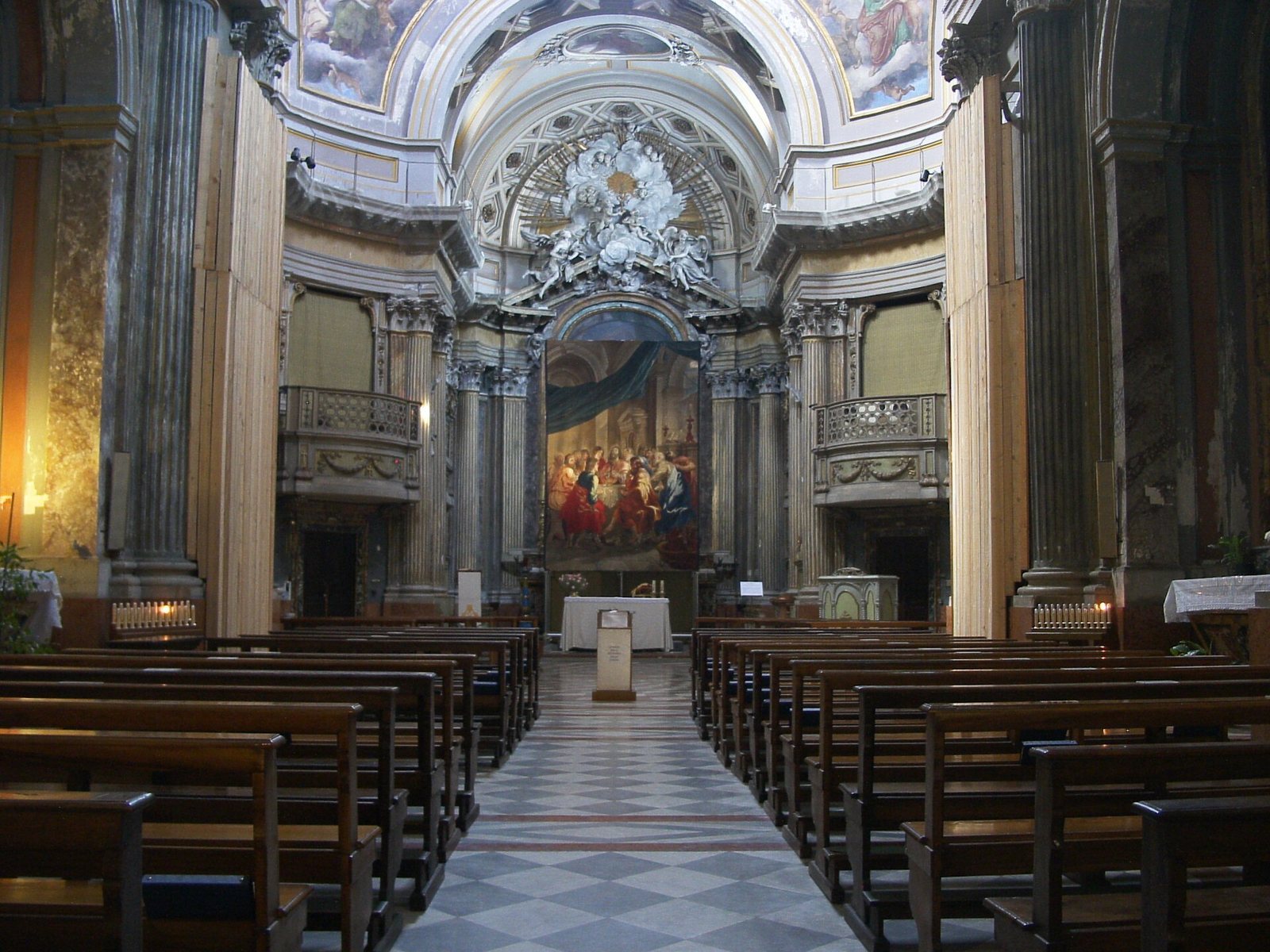
The church was built in 1538. In the second half of the eighteenth century, architect Francesco Maria Ciaraffoni of Fano almost entirely rebuilt it, and the work was completed in 1776. The resulting church brought together features from its original period and the later reconstruction.
Parish and co-cathedral roles
In 1908, the church assumed the functions of the recently suppressed Parish of San Marco. The parish took the name San Marco at the Church of the Blessed Sacrament, reflecting its new location, though it remained commonly known as the Parish of the Blessed Sacrament. Following the 1972 earthquake, the church served as a co-cathedral while damage forced the closure of Ancona’s cathedral of San Ciriaco. Other large churches had also been damaged.
The church retained its co-cathedral role until 1986, when the Archdiocese of Ancona was united with the Diocese of Osimo. Restoration of its decorative features began in 2006, and the restored interior was officially inaugurated on 24 September 2010.
Remains
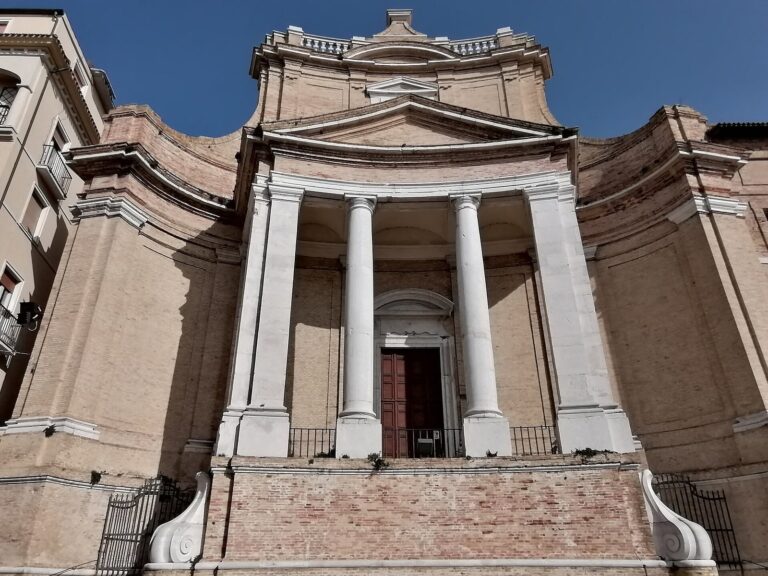
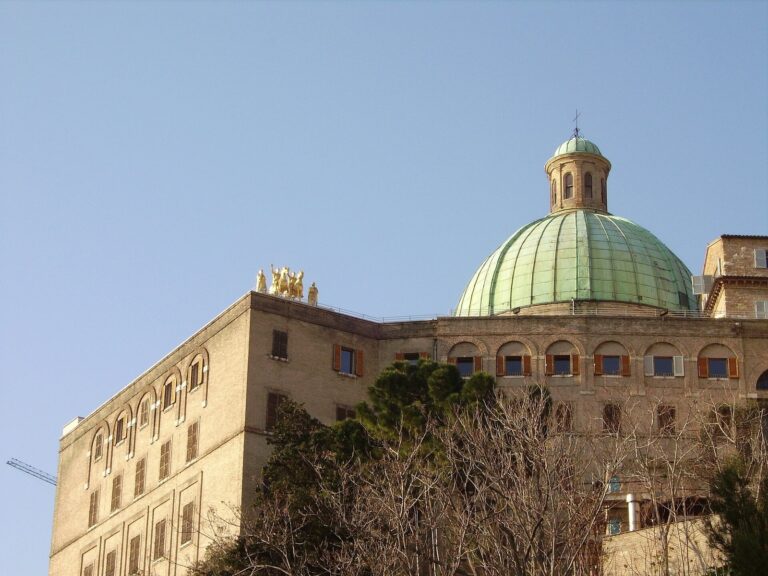
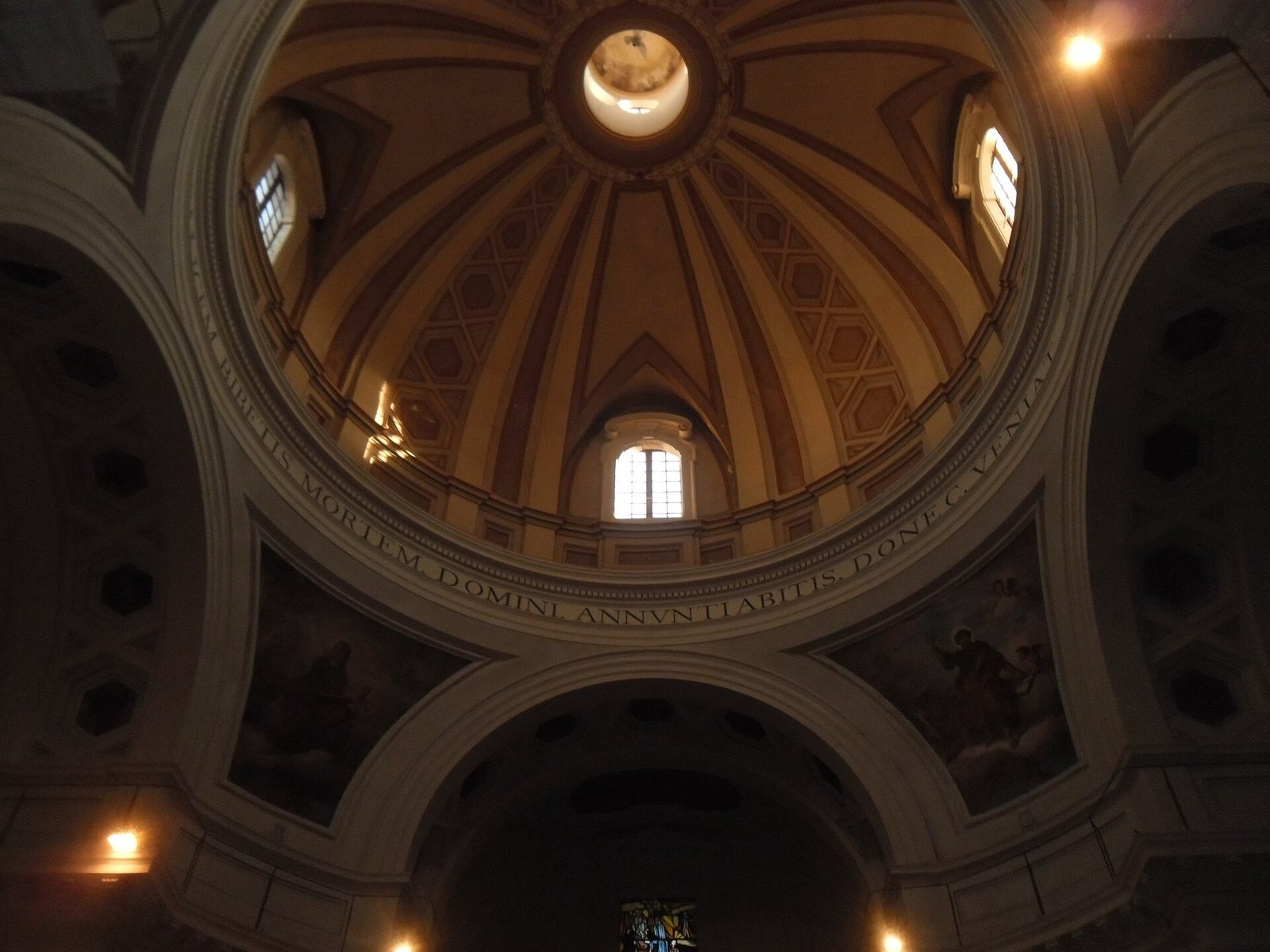
The church combines Renaissance and late Baroque forms. Its cross-shaped plan has a single nave, the central hall of the church, and a crosswise transept. At the far end, the straight apse, or sanctuary end, appears concave through an optical effect. Above the interior rises an octagonal dome with a pitched roof and a lantern, a raised structure at its top.
Exterior and setting
Façade and surrounding complex
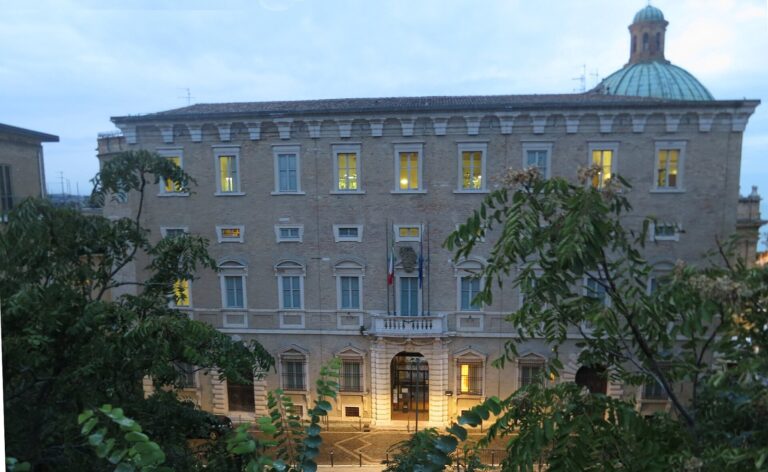
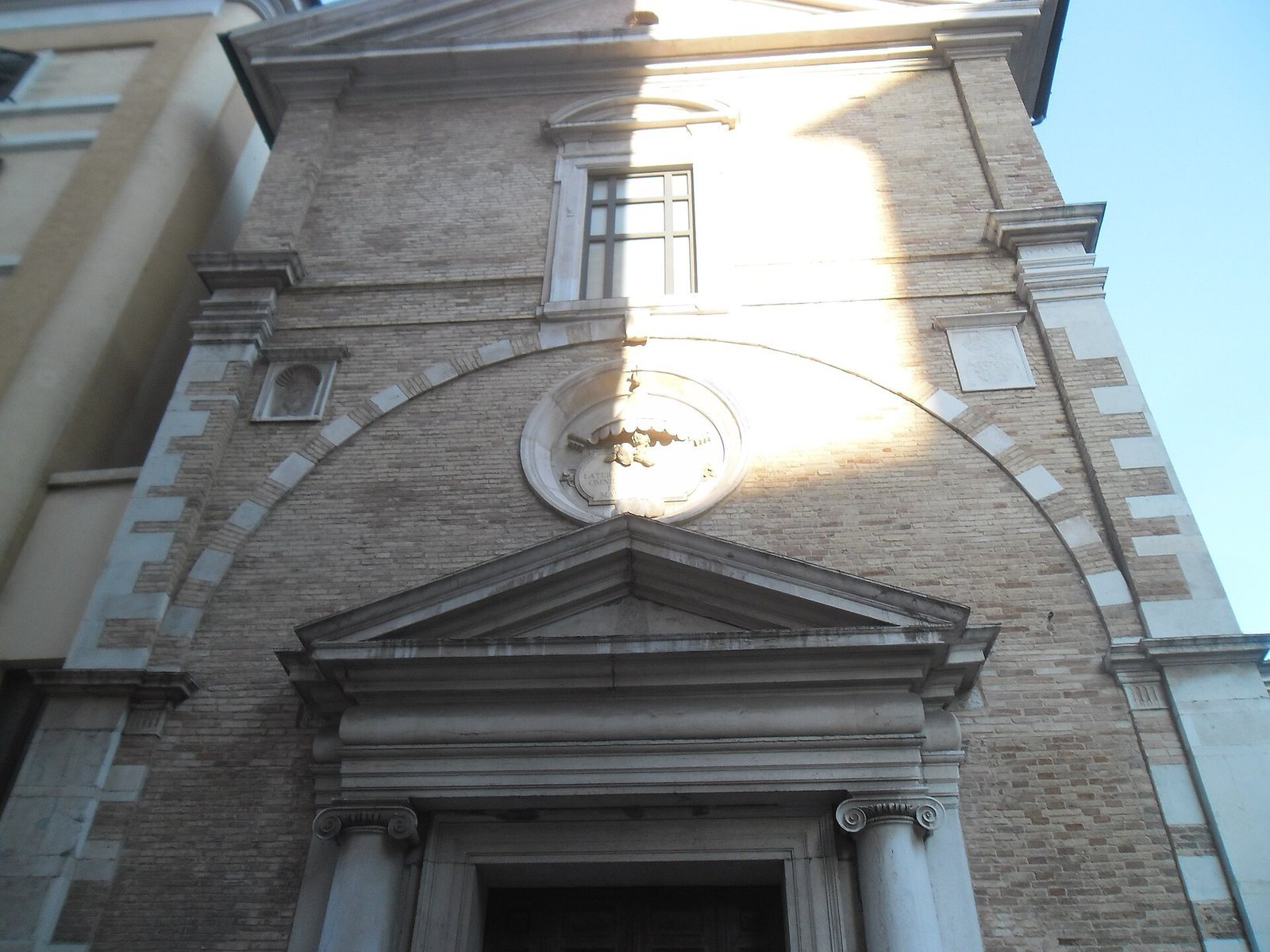
The restrained sixteenth-century façade is the sole surviving part of the original church. An inscription above the entrance records its close relationship with the Basilica of St John Lateran, the cathedral church of Rome. Santissimo Sacramento stands opposite the Teatro delle Muse and close to Ancona’s port. Ciaraffoni conceived the church and adjacent buildings as a symmetrical whole. A neighboring building was destroyed by bombing during the Second World War, altering that design; the church’s side facing Piazza del Teatro was subsequently redesigned by architect Eusebio Petetti.
Bell tower
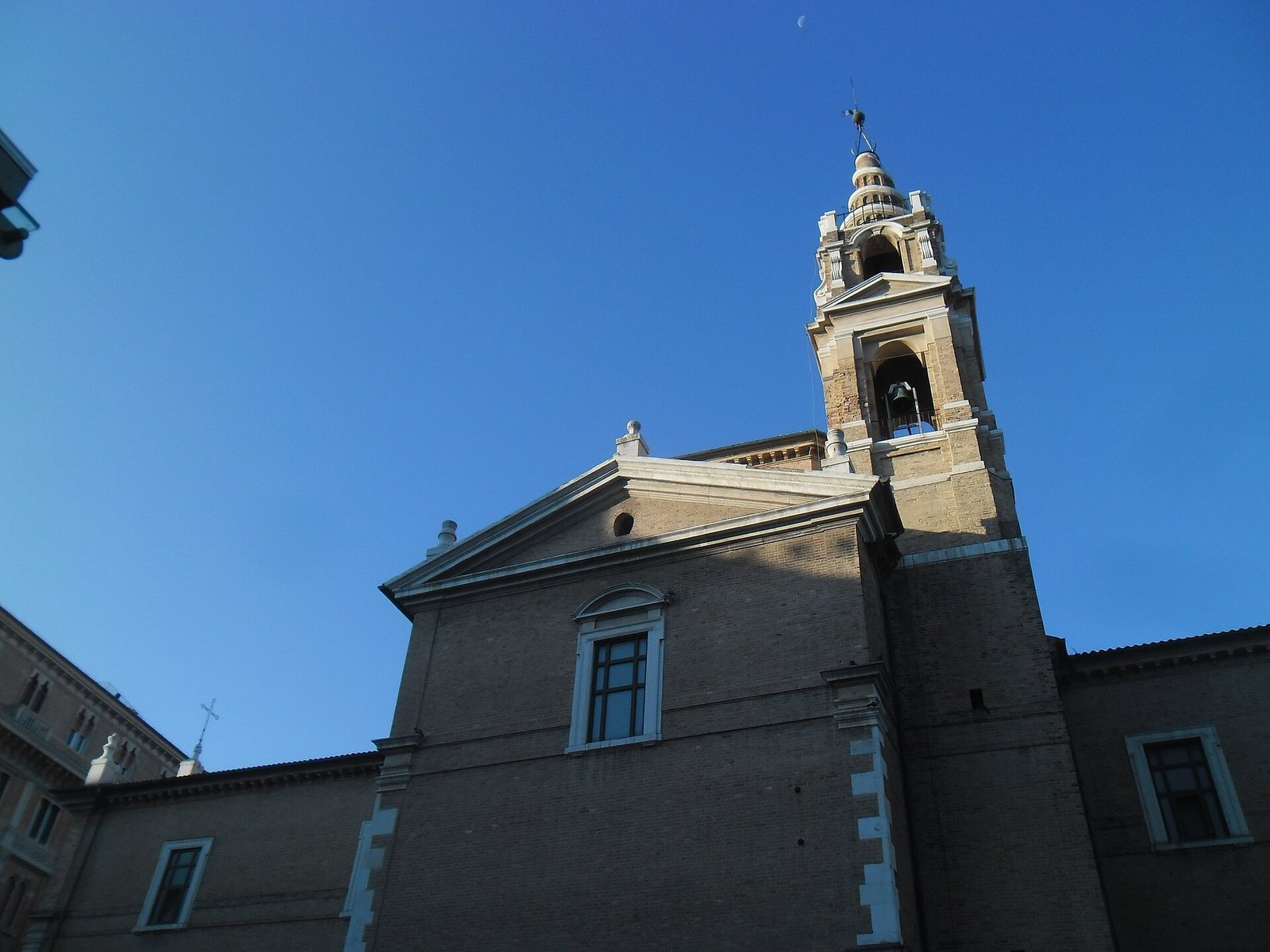
Built between 1771 and 1776, the bell tower has two tiers and a spiral-like crown in the manner of architect Francesco Borromini. Its design was evidently inspired by the spire of Sant’Ivo alla Sapienza in Rome. The 1930 earthquake damaged the crown. It was removed and rebuilt after the Second World War in a form that differed noticeably from the earlier design.
Interior and works of art
Apostle statues
Ten stucco statues of Apostles, made by sculptor Gioacchino Varlè, were designed in response to comparable works in the Basilica of St John Lateran. In keeping with that church and with an established tradition in religious imagery, St Paul is represented in place of St Matthias.
Altarpiece
An altarpiece by Florentine painter Cesare Dandini shows St Charles Borromeo in glory with Saints Lawrence, John the Baptist, Francis, and Apollonia. Giovan Battista Severi, a musician connected with the Medici court and its musical life, commissioned the painting. It dates to the late 1620s.
Dome frescoes
Francesco Podesti painted the Four Evangelists on the pendentives, the curved triangular surfaces supporting the dome, with assistance from Francesco Gai. Podesti was about eighty at the time. The frescoes are regarded as his final masterpieces and a late summation of his artistic career. Restoration work also repaired the dome, the statues, and some Corinthian capitals, the carved tops of columns, in the nave. Damage from traffic vibrations and salt in the sea air was addressed, and plaster tests guided the return of the walls to their original white colour.
Tapestries
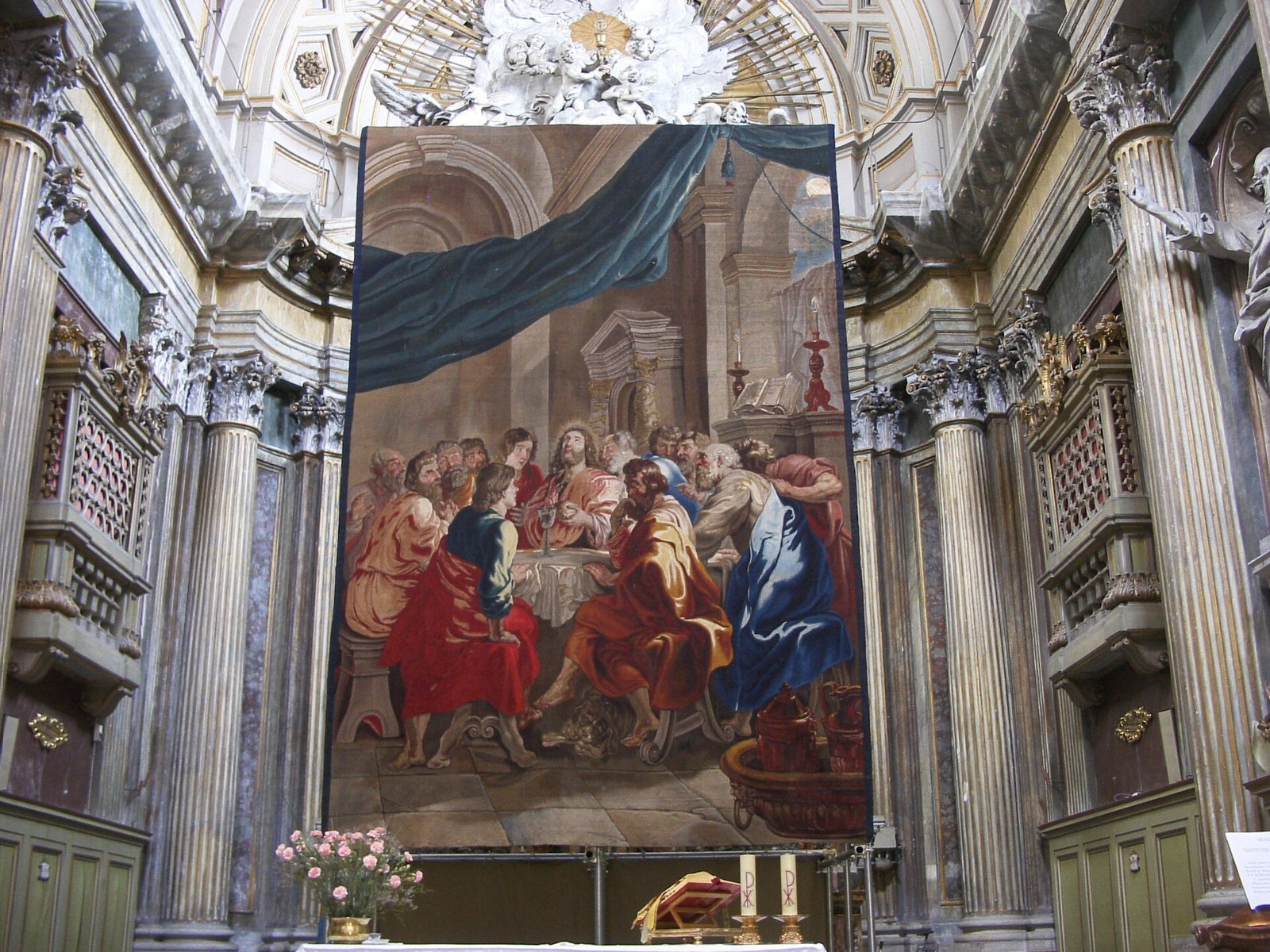
The Confraternity of the Blessed Sacrament, a lay religious association, commissioned four large tapestries for the church. Made in a Brussels workshop around 1632–1650 from designs by Peter Paul Rubens, they depict major religious events. They were displayed for only a few days each year in connection with the liturgy, a limited use that helped preserve their vivid colours. The tapestries are now kept in Ancona’s diocesan museum.
Other remains
Roman-period remains
Rooms beneath the parish premises contain Roman-period remains that may have belonged to a gymnasium, an ancient place for physical exercise and, in some settings, education.
Former Church of San Marco
Remains of the former Church of San Marco stand in Ancona’s Capodimonte district, along the first stretch on the right of Via Cialdini. The church has been heavily altered and adapted to other uses.