Santa Maria Nuova: A Church and Former Monastery in Asti, Italy
Site at a Glance
- Popularity
- Low
- Country
- Italy
- Primary era
- Early Modern
- Eras represented
- Medieval, Early Modern
- Civilizations
- Duchy of Savoy, Holy Roman Empire
- Site type
- Religious
- Remains
- Church
On this page12 sections
History
Priory and religious communities
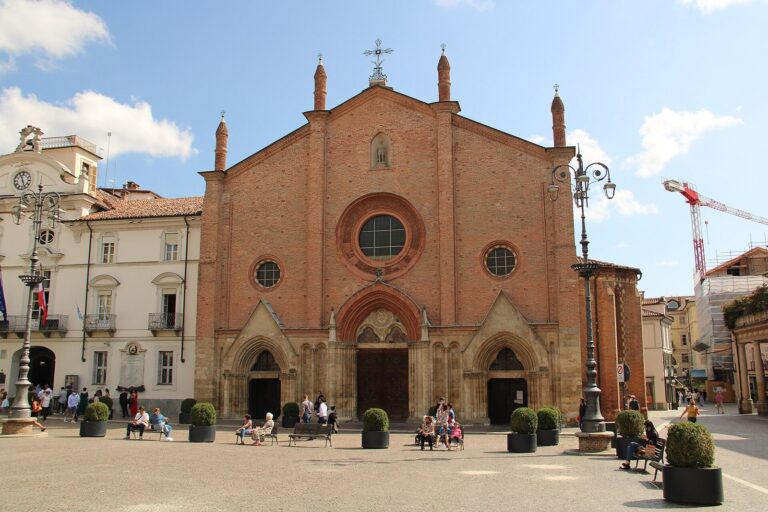
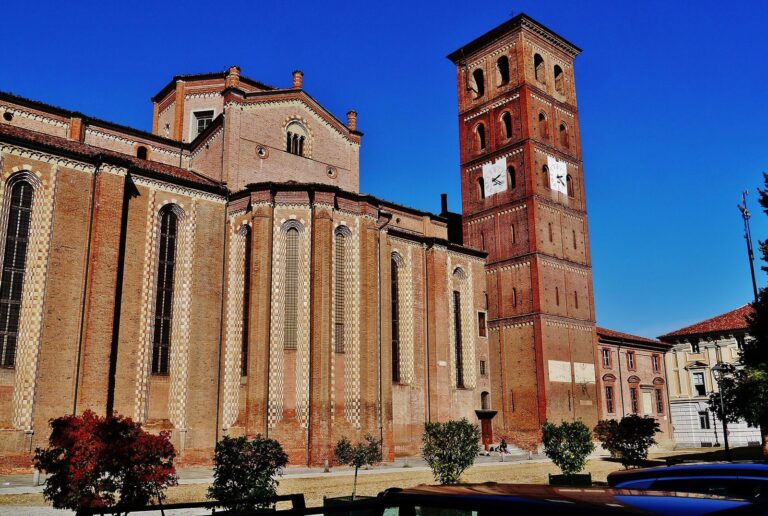
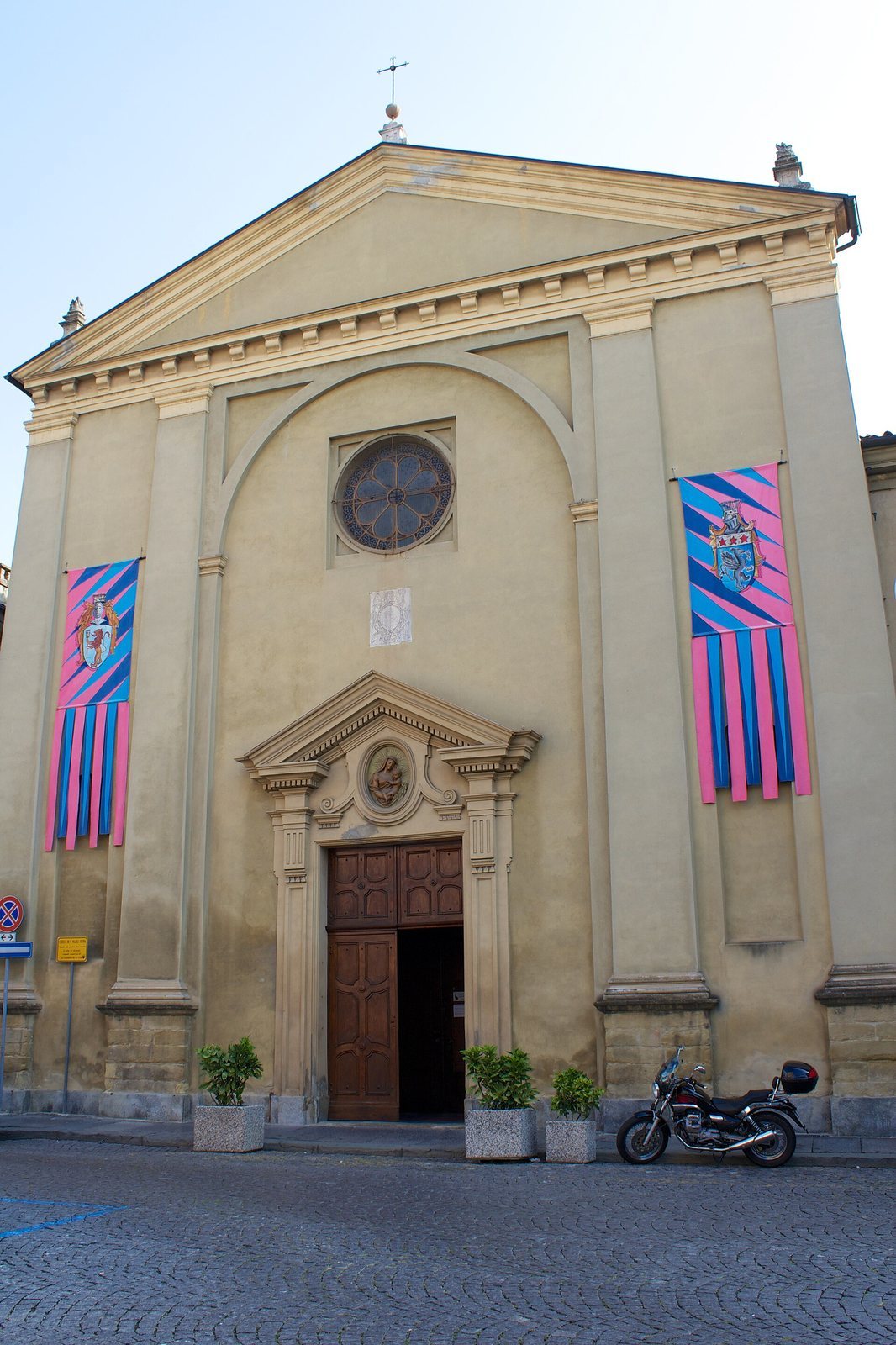
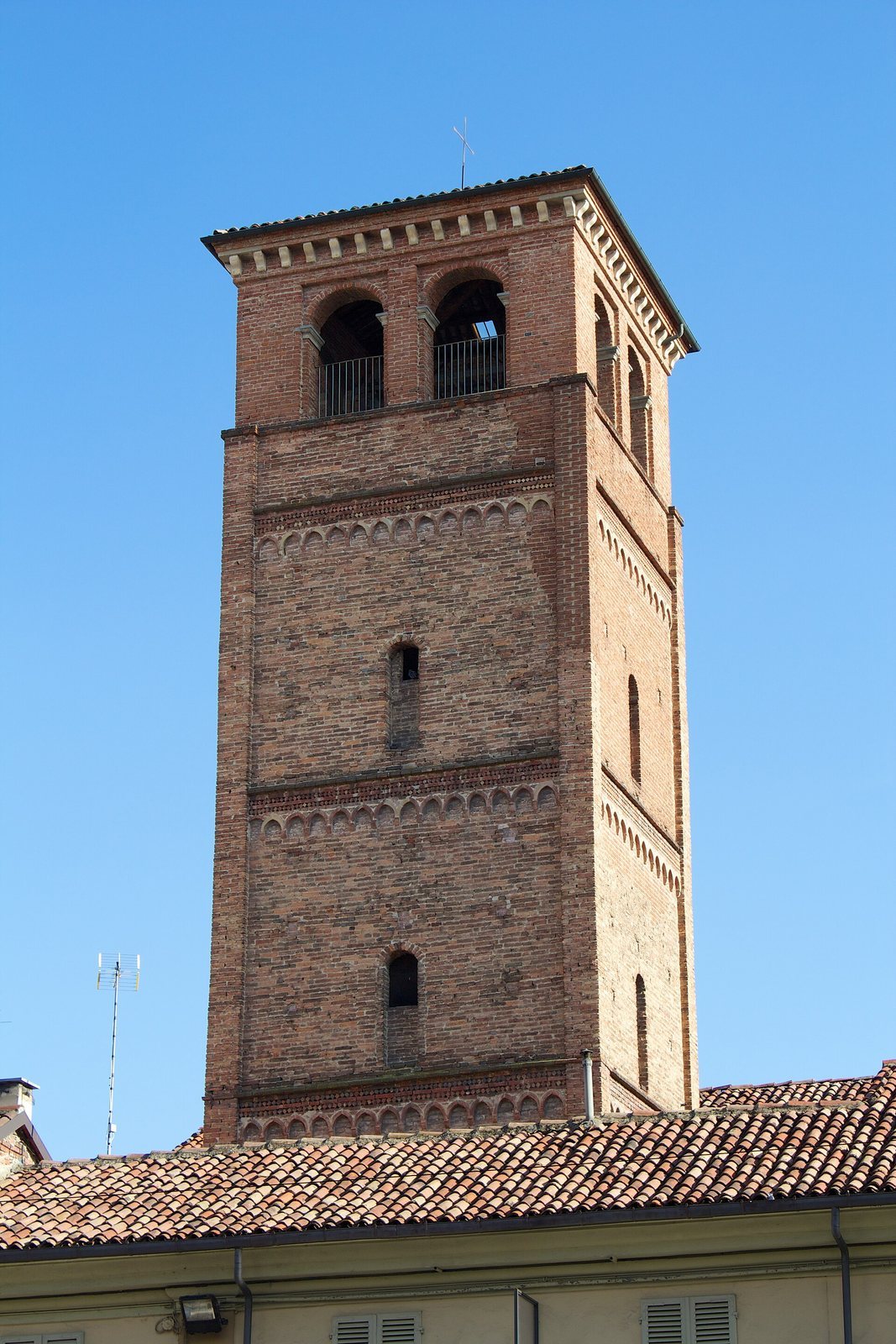
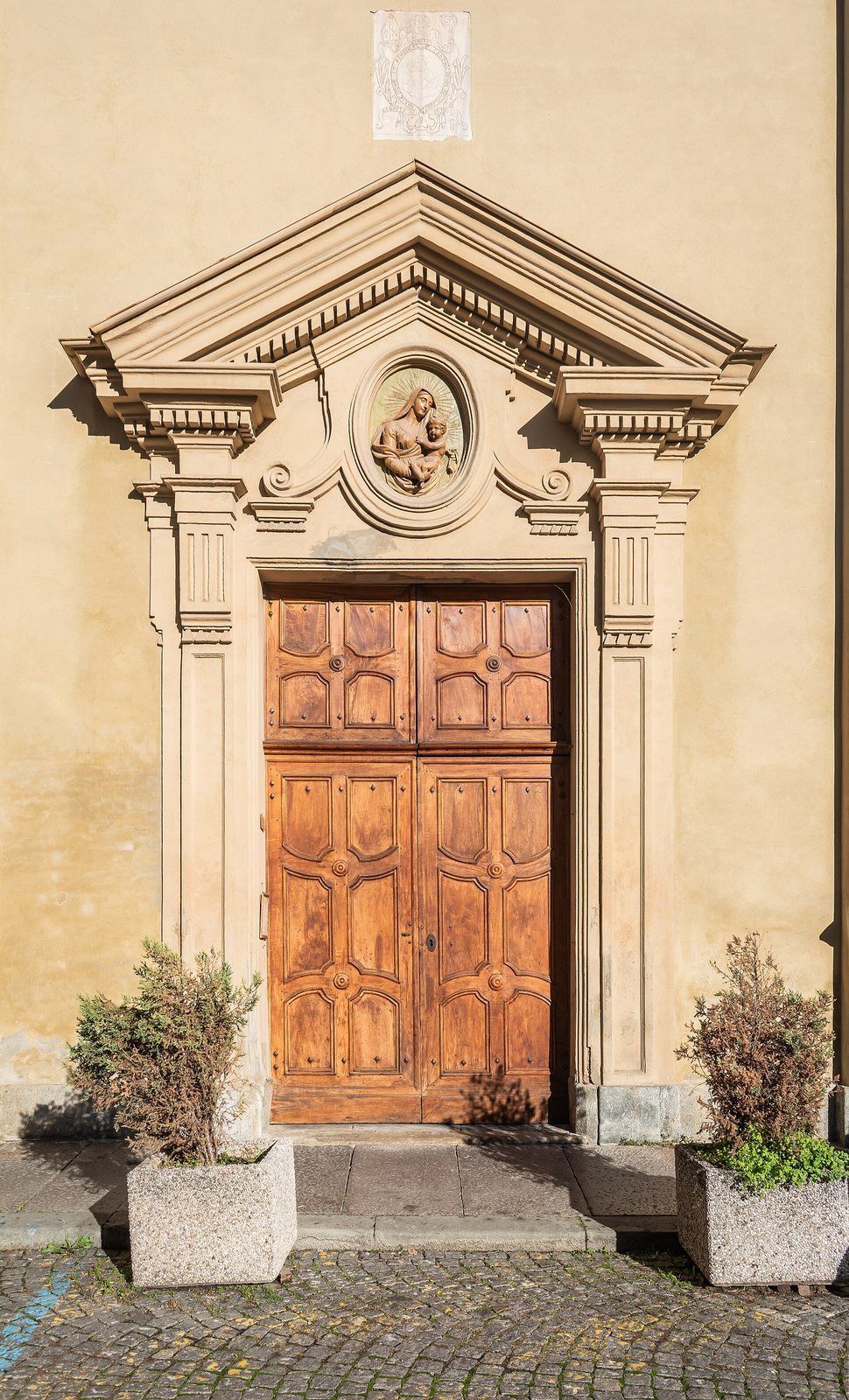
Santa Maria Nuova is a church in eastern Asti, Italy, beside the old main road now known as Corso Alfieri. Its present building dates to the second half of the 15th century and was completed in the 17th century. The church is described as Romanesque and Renaissance in style. A record from 1009 distinguishes it as the “new” church, setting it apart from Asti’s older cathedral, which was also dedicated to Mary. Santa Maria Nuova had abbey status and was first associated with the Augustinians, then with the Lateran canons.
In 1132, Bishop Landolfo of Asti entrusted the priory, a religious house governed by a prior, to the Canons of Mortara, also called the Canons of the Holy Cross of Mortara. They were canons regular, clergy who lived according to a religious rule while serving church institutions. As their congregation declined, Pope Sixtus IV granted the priory to the Canons Regular of the Lateran Congregation of the Most Holy Savior on 9 June 1472.
Expansion and renewal
The Lateran canons enlarged both the church and its adjoining monastery. From the second half of the 16th century, the complex underwent renovation in the Mannerist style, a 16th-century approach known for elaborate, sophisticated forms. Work to enlarge and renew the monastery began in 1591. Its monumental design drew on contemporary Roman architecture through the Dominican complex of Santa Croce at Bosco Marengo, commissioned by Pope Pius V.
Secularization and later use
In the aftermath of the 1798 Franco-Savoyard War, church properties were auctioned to help finance the army of Carlo Emanuele IV, then king of Sardinia, and Santa Maria Nuova lost its abbey status. After French forces arrived in Italy, the Lateran order was suppressed, the monastery was put up for auction, and the church was assigned to an archpriest of the secular clergy, meaning clergy outside a religious order. The Napoleonic government seized Pierre Subleyras’s 1737 painting The Supper in the House of the Pharisee, made for the convent refectory; it is now in the Louvre.
The monastery had stood abandoned for several years and remained unsold when Asti’s municipality converted it into the town hospital in 1804. In 2017, the church was granted to the Orthodox community of the Romanian Patriarchate under a ten-year loan-for-use arrangement. It is now identified as an Orthodox church. The icon of the Madonna of the Griffin is brought out in the days before the Palio of Asti, a city horse race, for a blessing involving the horse and jockey.
Remains
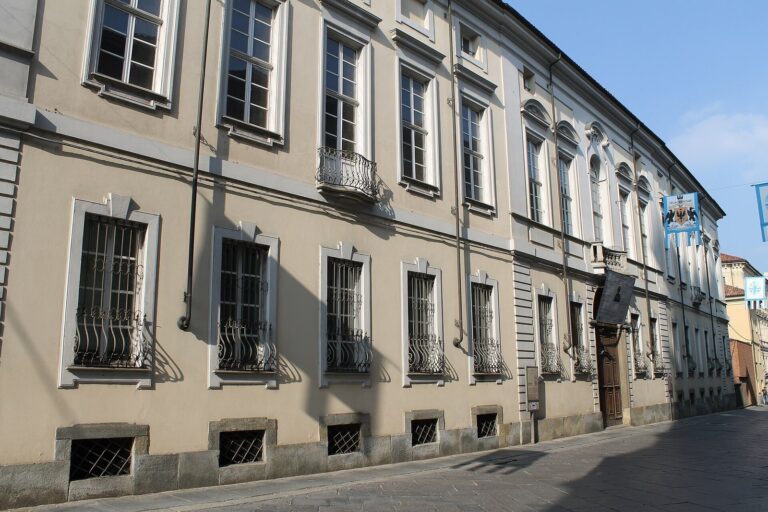
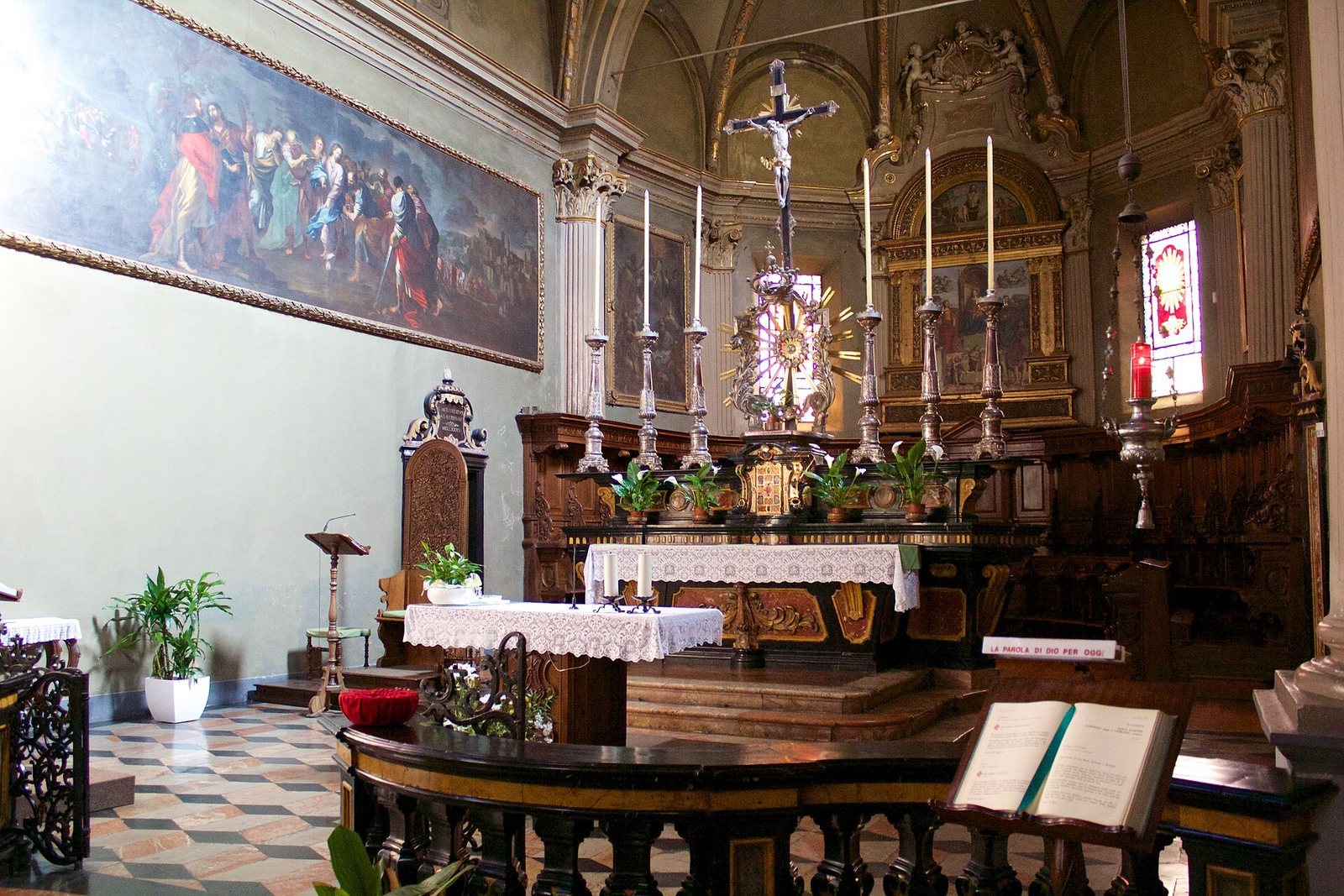
The surviving complex comprises the church and its adjoining monastery. Within the church, the former side aisles contain chapels, while the choir, apse, and altar area hold furnishings and artworks. The monastery’s large cloister forms a distinct architectural part of the complex.
Church and monastery
Monastery cloister
The large cloister has paired columns and bears a close relationship to the cloisters of Santa Croce at Bosco Marengo. That connection may extend beyond shared style, as both groups of cloisters were built in the same period.
Chapels and stucco decoration
The church’s side aisles were converted into chapels and decorated with stucco, a plaster-based material used for architectural finishes and ornament. The stucco work is noted for its quality, although 19th-century restoration has partly damaged it.
Choir and lectern
The wooden choir dates to 1572. Its central lectern is older, and is regarded as Piedmont’s only example of French influence. A carved wooden sculpture dating to the 16th century forms the lectern’s foot.
Other furnishings
The abbot’s chair dates to the second half of the 16th century. Life-size wooden statues of Saints Margaret and Eulalia were made in the 17th century. An 18th-century altar of polychrome marble contains a small tabernacle, or shrine-like container, with an embossed copper door. The door is gilded and decorated with carnelian.
Apse painting
A 1496 painting by Gandolfino da Roreto, also known as Gandolfino d’Asti, shows Mary enthroned between Saints Margaret, Eulalia, Augustine, and Secondo. The curved panel above depicts the risen Christ. The painting’s frame dates to the 15th century.
Other paintings and the Madonna of the Griffin
The church also contains Gandolfino’s Adoration of the Shepherds, two paintings from the early 17th century depicting the foundation of the Basilica of the Apostles and the Purification of Mary, and a 16th-century painting of the Dispersion of the Apostles. The Madonna of the Griffin, an icon by Asti painter Carlo Carosso, is kept in a side chapel. The Santa Maria Nuova district committee for the Palio donated it to the church.